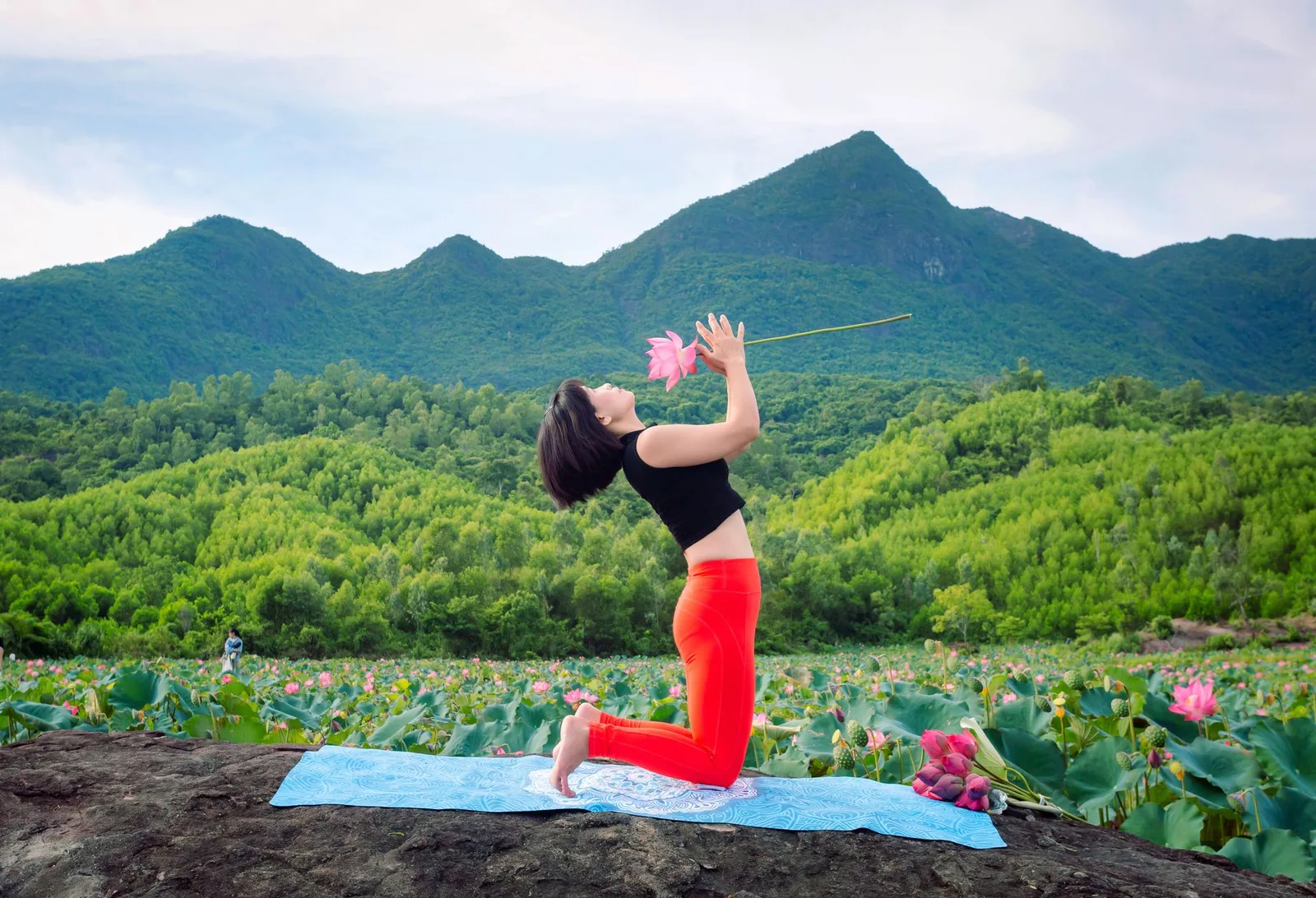
I’ve been running group trips in Vietnam since 2023, and a few times a year an instructor or a travel creator asks me the same question: “I want to bring my community here for a retreat, where do I even start?” Short answer: the floor space, the catering, and who coordinates the ground logistics decide whether the trip works - not the resort photos on Instagram.
A yoga or wellness retreat here means one thing operationally: you’re bringing your own paying group and you’re on the hook for the venue, the food, and the transfers, not just the practice on the mat.
How much floor space does a 15-person yoga group actually need?
The industry norm is 2 m² per person for gentle styles like yin and restorative, 2.5-3 m² for dynamic vinyasa or ashtanga, and 3.5-4 m² if you’re using props like aerial hammocks or bolsters. On top of that, plan for 4.6-7.4 m² of instructor space and a ceiling height of at least 2.4 meters - anything lower rules out inversions and aerial work.
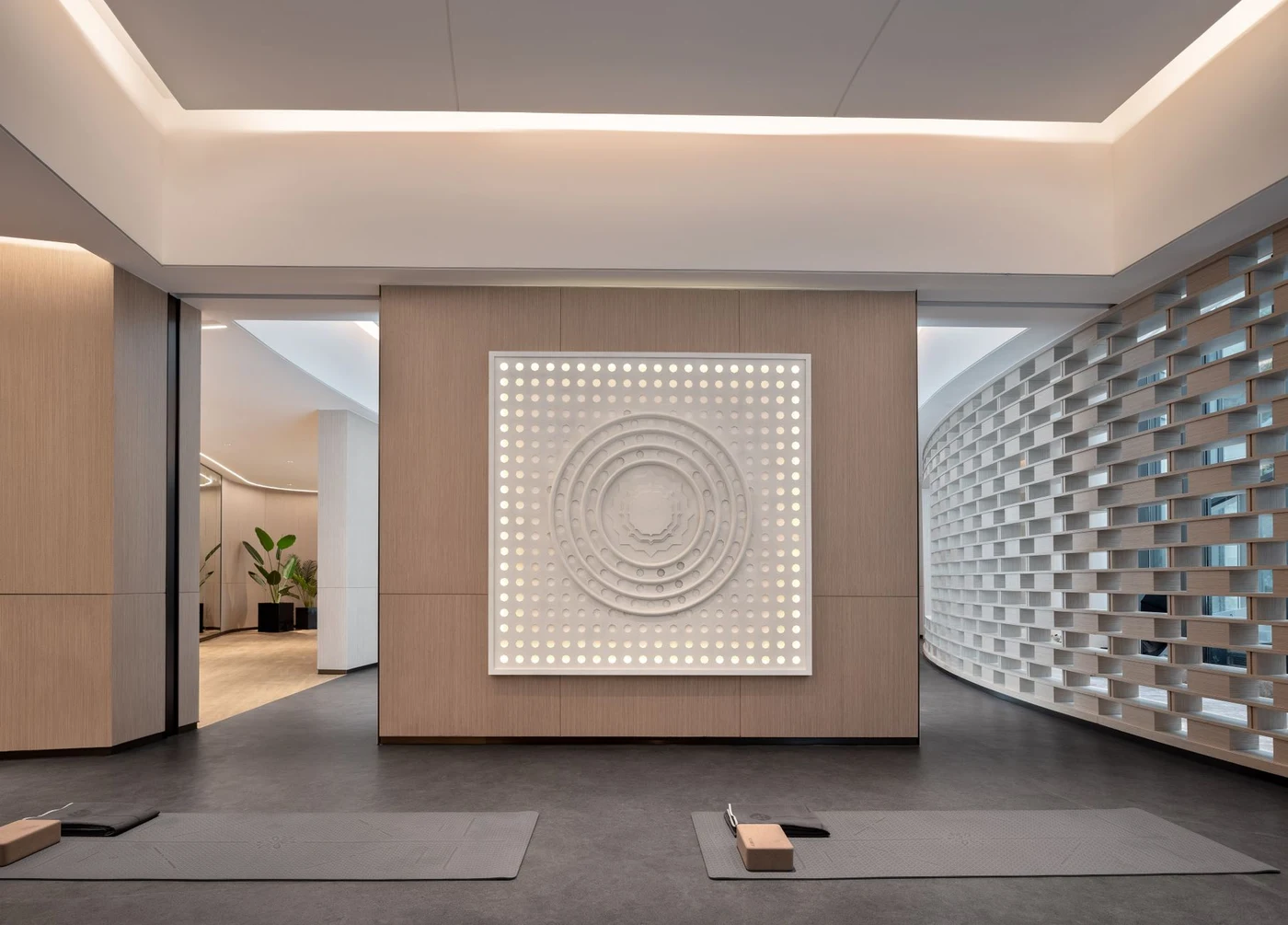
This is a general studio standard, not a Vietnam-specific rule, and venues like Naia Hoi An or KYoga in Hoi An don’t publish exact group capacity online. Ask directly when you book instead of estimating from photos.
Which season fits a retreat: Da Nang, Nha Trang, or Da Lat?
Central Vietnam - Da Nang and Hoi An - has its dry season from January through July, and February to May is the sweet spot: still dry, not yet peak-hot. Daytime temperatures there run 28-30°C in summer and 18-23°C in winter, and the ocean stays swimmable most of the year, so afternoon downtime by the water is a realistic add-on to the schedule.
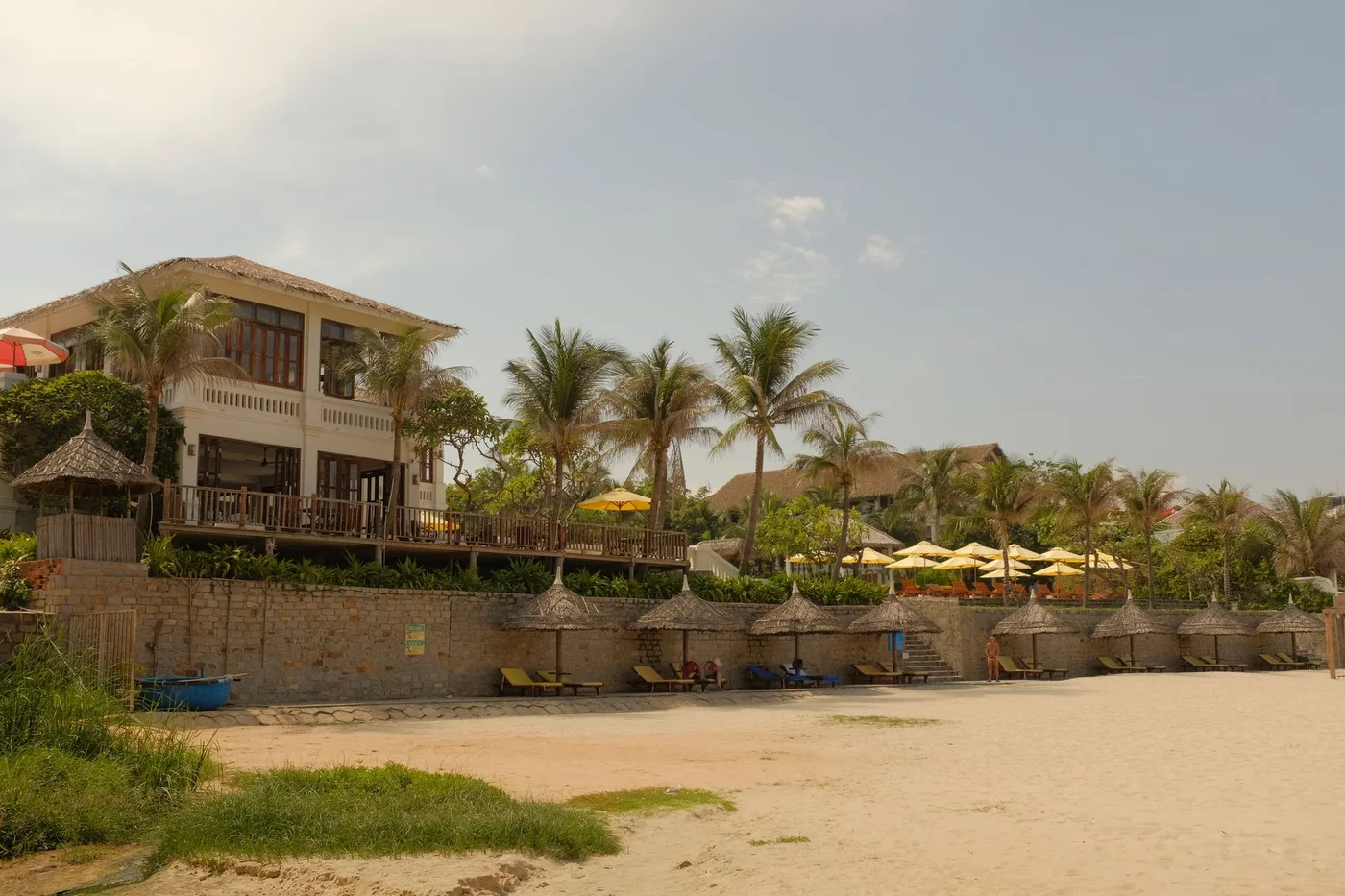
Nha Trang, further south, runs on a different calendar: dry from January to late August, wet September through November, with temperatures holding steady at 26-30°C year-round. For a group, November through April tends to work best there.
Da Lat is the outlier - a hill town at 14-23°C year-round, dry December to March, and even in its wet season the rain usually falls in short afternoon bursts that don’t wreck a morning practice.
| Region | Best window | Temperature | Venue style |
|---|---|---|---|
| Da Nang / Hoi An | Feb-May | 18-30°C by season | beachfront studios and resorts |
| Nha Trang | Nov-Apr | 26-30°C year-round | island resort wellness |
| Da Lat | almost year-round | 14-23°C year-round | mountain ashram-style |
Can a foreign instructor legally run a paid retreat on a tourist e‑visa?
Vietnam’s e‑visa costs $25 for a single entry or $50 for multiple entries and covers up to 90 days, which is enough time for a standard 7-14 day retreat. What’s missing is a direct official ruling for the specific case of a foreign instructor without a Vietnamese business entity collecting payment for a retreat inside the country - only general DN-category business visa rules exist, and they aren’t written with retreat formats in mind.
In practice, if you’re the one selling seats to your own audience while a local operator with a Vietnamese entity runs the ground side, your own e‑visa usually covers your personal entry. Check your specific payment setup ahead of time, not after landing - and once you’re collecting payment from participants, it’s worth reading up on organizer liability insurance too, since a personal travel policy usually doesn’t cover you running the event.
Is vegan catering realistic for a group in Vietnam?
Yes, and it’s easier than most first-time organizers expect. Kurumi , a fully vegan chain, has locations in Da Nang and Hoi An, Hoi An also has PlantLab and Nhat Da Vegan, and Nha Trang’s vegan spots are listed on HappyCow. Any of these can build a group menu for 15-20 people with enough notice.
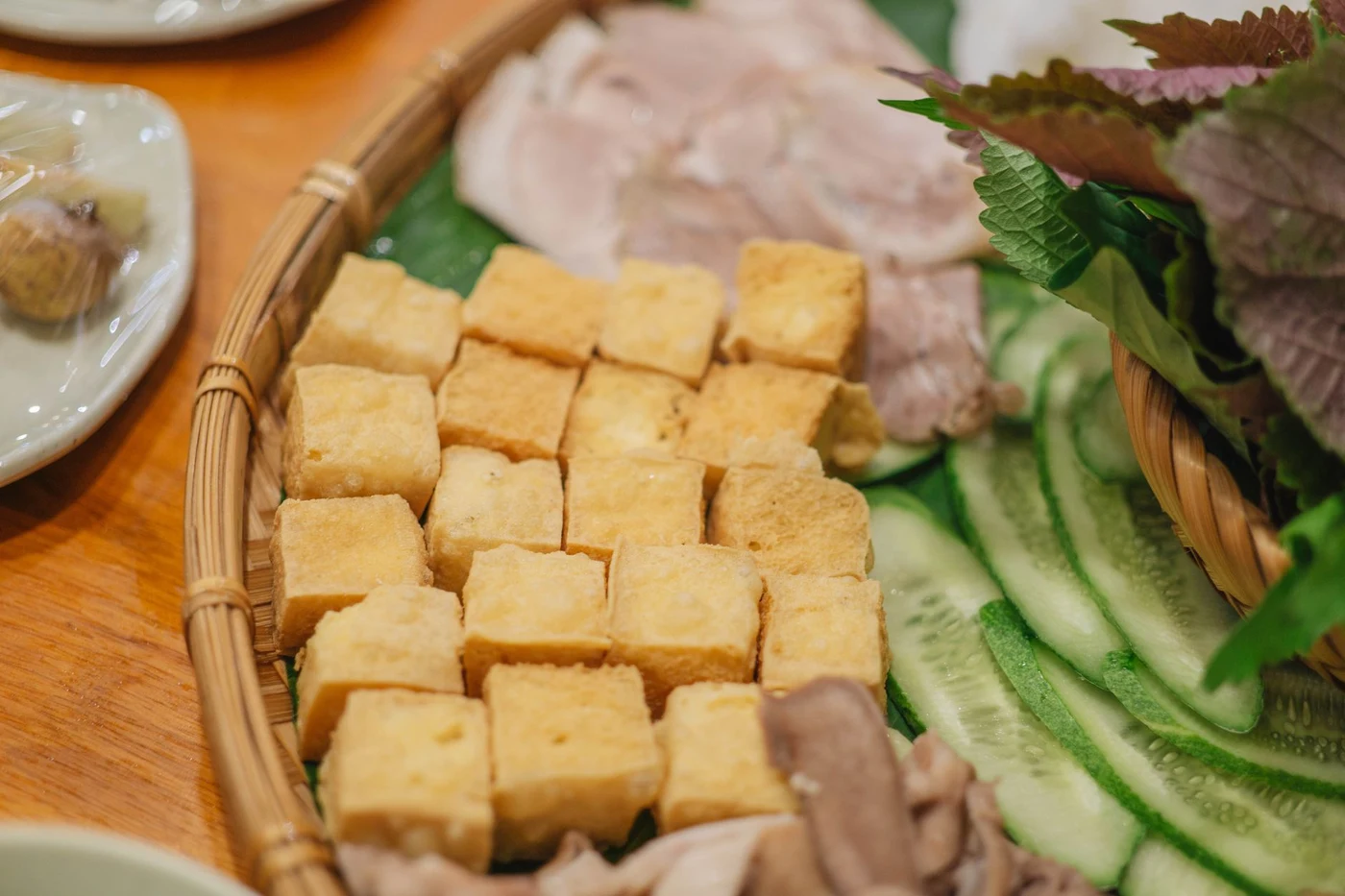
The real work isn’t finding a plant-based restaurant in these cities - it’s confirming exact dish composition and serving times in advance, not on arrival.
Who handles logistics while you run the program?
This is usually where it breaks down: you book the studio, separately email the hotel about a room block, separately chase down an airport transfer company, and separately lock catering - all in a different time zone, weeks before departure. You can coordinate directly with venues and drivers yourself if you’re ready to run four parallel email threads and catch every date mismatch on your own.
Our breakdown of van, bus, and sleeper options for a group is a good starting point if you go that route yourself.
I run this as one package instead: I pick a venue that fits your practice style and group size, set up airport and inter-city transfers, lock in a plant-based menu with the kitchen, and keep the room block from falling apart in the weeks before arrival. All I need from your side is dates and a headcount. Message me on Telegram and I’ll sketch a venue and logistics plan for your group.
Step by step: booking a 15-person retreat 8 weeks out
Working backward from arrival day, a first retreat needs roughly eight weeks of lead time. The venue and room block get locked first, then sales open to your audience, then the group’s travel details start feeding into transfers and the final headcount. Skipping the order - selling seats before the venue is confirmed, for example - is how organizers end up promising a room that isn’t actually held.
- 8 weeks out - pick a region and window from the table above, lock the venue and the room block.
- 6 weeks out - open sales to your audience while confirming transfers and the menu with the ground team.
- 4 weeks out - collect everyone’s arrival dates; without this you can’t book a single airport transfer.
- 2 weeks out - confirm final headcount with the hotel and kitchen; group bookings almost always require a final count 10-14 days ahead.
- 1 week out - send the group a day-by-day itinerary and the local contact for the ground.
Three mistakes that sink a first retreat
The first is booking the room before you know your real headcount, which means paying for empty capacity or squeezing everyone in. The second is agreeing to “vegetarian menu” without specifying dishes, then finding out on arrival it means salad and rice three times a day. The third is skipping a buffer day for flights - one delayed arrival can collapse a single-wave transfer and the whole first day.
DIY or work with a local operator: how to decide
Under 8 people, if you’ve already spent time in Hoi An or Da Nang yourself, negotiating with one studio and one hotel directly is realistic. Past 12-15 people, three or four parallel vendors stop forgiving date mistakes, and coordinating on the ground usually costs less than untangling a failed transfer two days before arrival.
We run group trips through Samurai and have venues and routes ready to go - you can browse our Vietnam trip formats or start from our 7-day route as a baseline length. If you’ve decided the logistics aren’t worth carrying solo, tell me your headcount and dates. Message me on Telegram and I’ll tell you what fits your dates.
Frequently asked questions
How many people do I need for a retreat to break even?
There’s no universal number - it depends on your ticket price and whether you’re paying a fixed venue rental or a per-person package. Most organizers plan for at least 8-10 paying spots so fixed venue and transfer costs don’t eat the whole margin.
What happens if someone cancels two weeks before departure?
Group bookings at hotels and studios almost always lock the final headcount 10-14 days out, so a late cancellation falls on the organizer, not the venue. Build your own refund terms around that same deadline.
Do I need a translator on site if I don't speak Vietnamese?
Outside the tourist core of Da Nang and Hoi An, English isn’t guaranteed, especially with kitchen staff and drivers. A local ground team usually covers that gap; if you’re organizing solo, line up a coordinator who speaks the language for at least arrival and departure days.
Can I run a retreat across two cities, like Hoi An and Da Lat?
Technically yes, but it adds a flight or a long transfer inside the program - a full day without practice and with everyone’s luggage in tow. For a first retreat, one location and one venue is simpler; save the multi-city format for your second run.
What do Vietnamese venues usually leave out of the room rate?
Equipment beyond mats - bolsters, straps, blocks, aerial hammocks - often needs to be requested separately, and not every resort keeps enough on hand for a group of 15-20. Confirm the equipment list with the booking, not on arrival.