In the first half of 2026, 742,000 Russian tourists visited Vietnam — nearly as many as the country received from Russia in all of 2025. Russia is now Vietnam’s third-largest source market, trailing only China and South Korea. Tour operators report extraordinary growth: Intourist saw +231% year-over-year, Russian Express +294%. Whether you’re Russian or not, this shift changes real conditions for every Vietnam traveler — from crowds to pricing to flight availability.
What’s behind the 742,000-tourist surge?
Three factors aligned simultaneously, and each one matters independently.
Direct flights. Aeroflot and Vietnam Airlines launched regular Moscow–Hanoi and Moscow–Nha Trang routes. Charter flights now depart from 18 Russian cities including Novosibirsk, Yekaterinburg, and Kazan. Before 2025, most Russian travelers connected through third countries — an 18-hour journey. Now Nha Trang is 10 hours from Moscow.
The price advantage. Vietnam costs an average of 6,300 rubles per night for accommodation, compared to 8,900 rubles in Thailand. A 7-night 4-star package with flights and half-board from Moscow runs 150,000–179,000 rubles for two. The average spend per traveler is around $1,200 — comparable to budget Egypt with dramatically different scenery.
Geopolitical redirection. Instability across the Middle East reduced appeal of Egyptian and some regional routes. Vietnam requires no visa for Russians — up to 45 days free. For a market that lost access to many Western destinations, Vietnam became a rare exception: safe, exotic, visa-free, and increasingly direct.
The price gap: Vietnam vs Thailand
This comparison matters for all travelers, not just Russians. Vietnam’s lower baseline prices reflect in everything from street food to hotel rates.
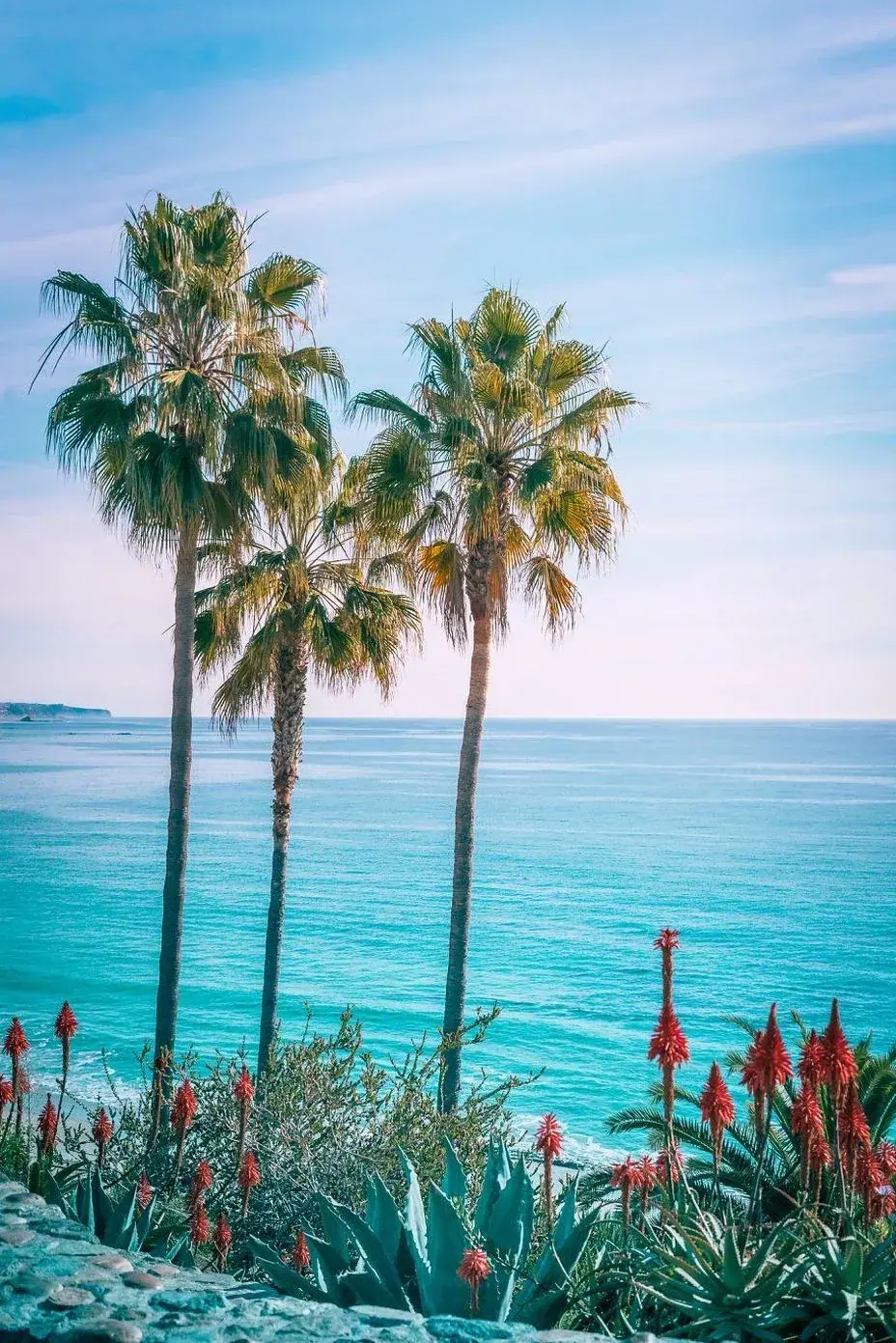
A bowl of pho costs $2. Coffee with condensed milk is $2.50. A full day of food and transport runs $30–50 in Nha Trang, slightly more in Da Nang. Street food in Hoi An — one of Vietnam’s most touristed towns — remains cheaper than similar meals in Phuket or Pattaya.
Hotel pricing follows the same logic. A solid 3-star in Da Nang runs $35–60 per night. The equivalent in Phuket high season goes for $80–120. For budget travelers and families on two weeks, the difference adds up.
The trade-off: Thailand has more established party infrastructure in beach areas and more English-speaking staff in rural zones. Vietnam wins on value, food culture, and terrain variety.
Which destinations are getting crowded?
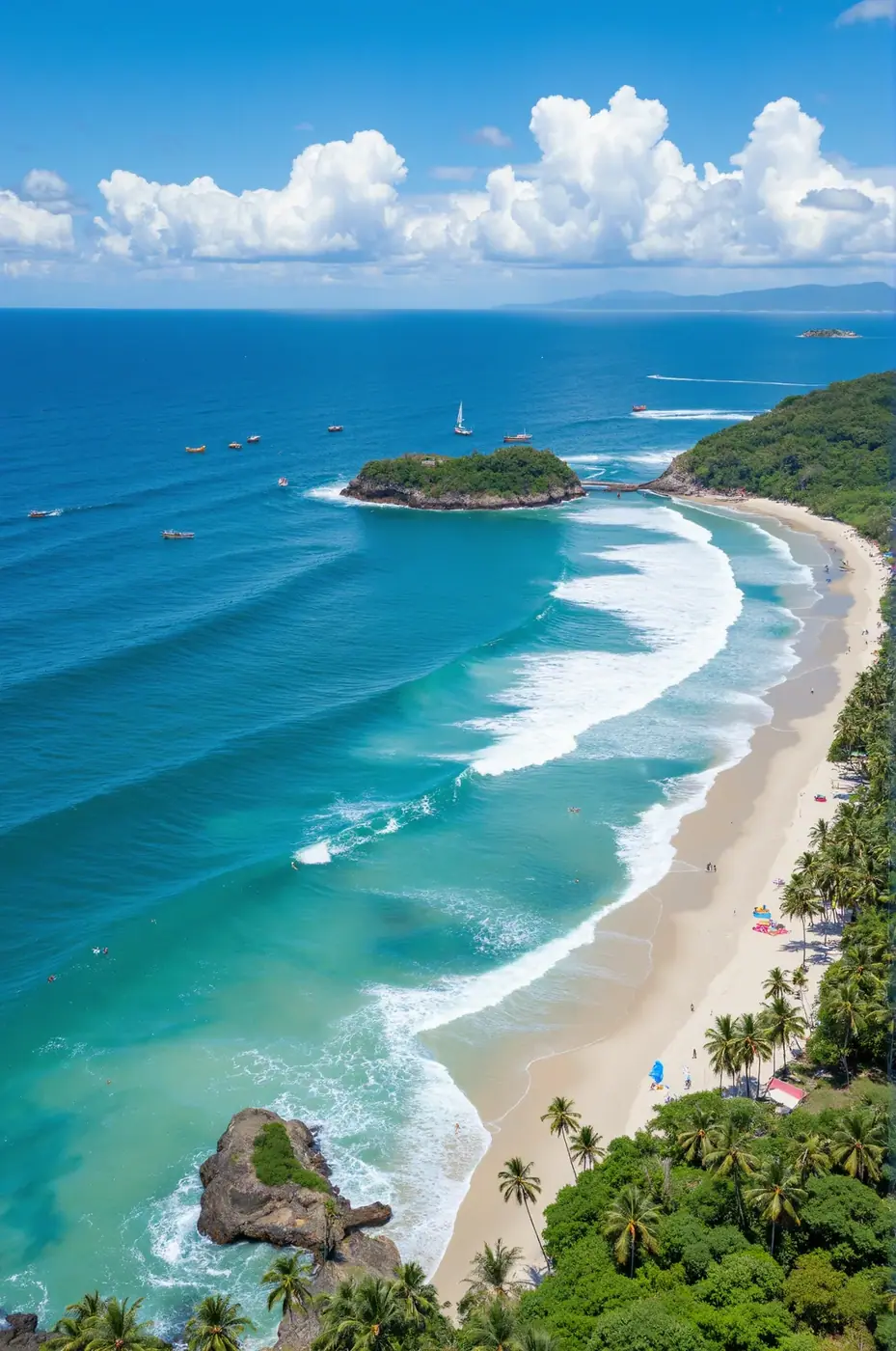
Nha Trang absorbed most of the Russian surge. It has direct charter access via Cam Ranh airport, a 7km urban beach, and year-round warm water. The Russian footprint is now obvious: menus in Russian, vendors accepting rubles, Telegram chat groups in Russian for local advice.
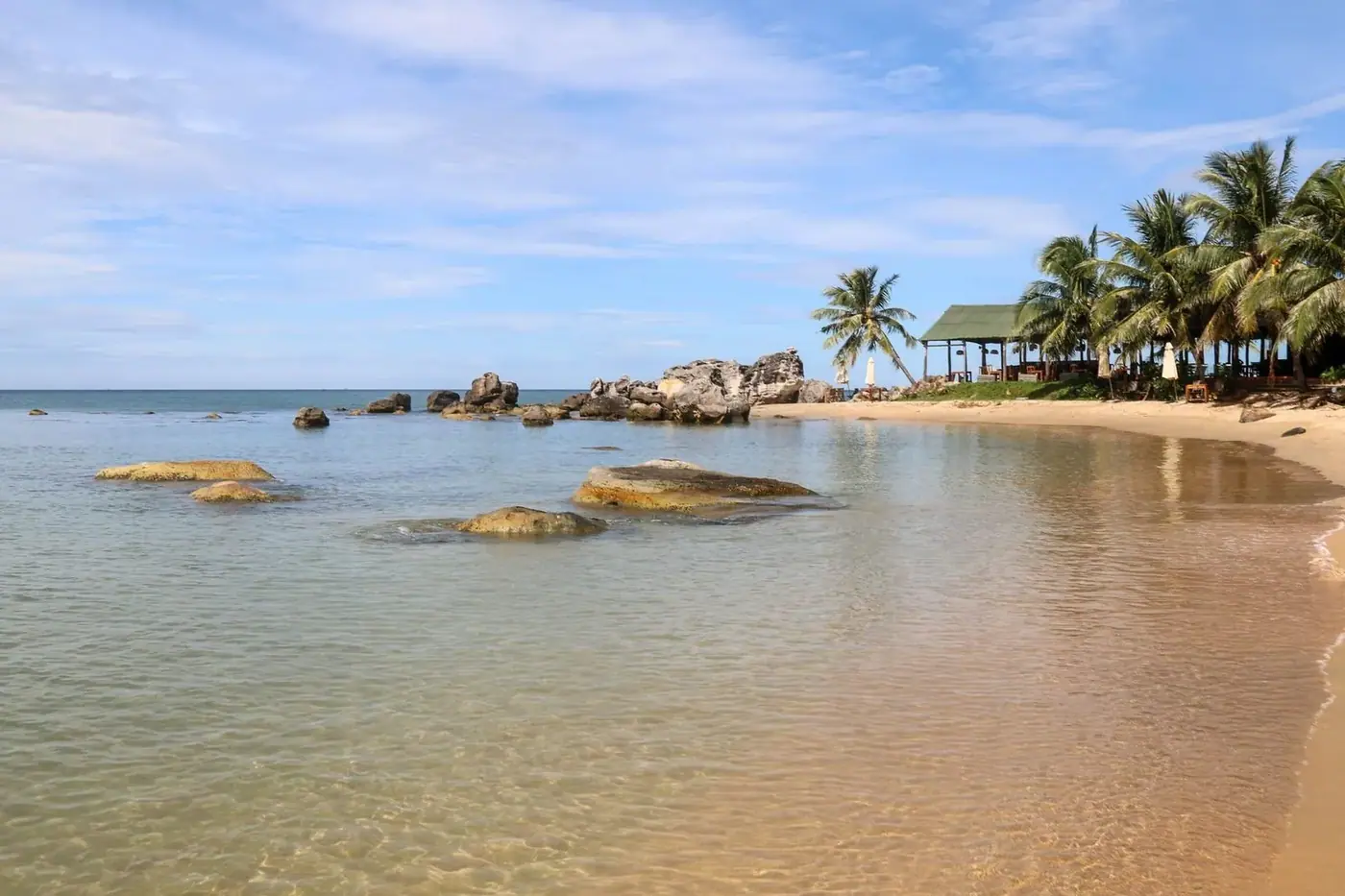
In peak season (June–August), the main beachfront is genuinely busy by mid-morning. That said, “busy” in Nha Trang still means far fewer people per square meter than Phuket’s Patong or Pattaya Walking Street.
Da Nang handles volume better — its beach stretches 35km along My Khe and the coast. In 2026, it’s drawing the more independent and slightly older Russian traveler who wants beach access without the package-tour atmosphere.
Phu Quoc is growing but absorbs numbers differently — most visitors stay within resort compounds, so the public beach feels manageable even in peak periods.
Hoi An, Ha Long Bay, and the northern circuit (Hanoi + Ninh Binh + Ha Giang) remain relatively unaffected by the Russian surge. The infrastructure there skews toward Western and Korean travelers.
When should you plan your Vietnam trip?
If Nha Trang is your target: March to early May is the best combination of weather and crowds. By June, the Russian school holiday season begins and overlaps with Vietnamese domestic travel, creating the busiest conditions.
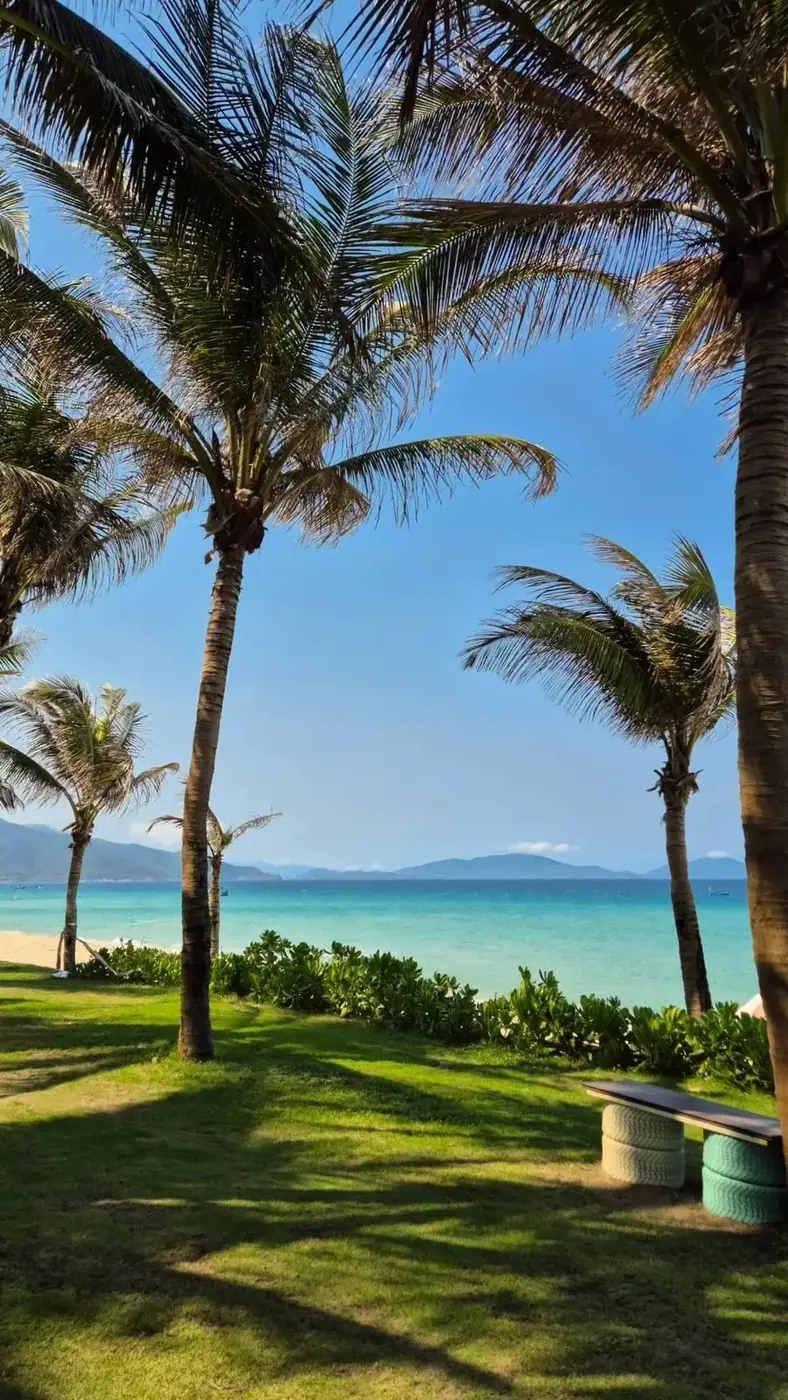
October–November is off-season for the southern coast, with 15–20% lower rates and noticeably fewer tourists. Rainy season brings short afternoon showers, not all-day rain.
For Da Nang: the beach season runs March to August. September–October brings typhoon risk to the central coast — check weather patterns before booking.
If you’re open to going north: Hanoi and Ha Long Bay are best March–April and September–October. Ha Giang’s motorbike loop peaks in September–October for green terraced fields, and March for mustard flower season.
Vietnam in 2026 is at a turning point: more accessible and better-connected than ever before, but noticeably busier in the most popular spots. The Russian surge isn’t a reason to avoid the country — it’s a reason to be more deliberate about when and where you go. The diversity of options across Vietnam’s geography remains one of its strongest advantages.
For building a route that matches your dates and style, the team at Telegram @vietnam_samurai handles trip planning for independent travelers and custom groups in Vietnam.