The best Vietnam souvenirs are city-specific: black pepper and fish sauce from Phu Quoc, tailored silk from Hoi An, and coffee from Da Lat’s highlands - buying them where they’re made costs half what you’d pay at the airport or in a generic souvenir shop. I run tours across Vietnam and pack a bag of the same things for my own family every trip, so this is a route-by-route list, not a generic “top 10 souvenirs” roundup.
What should you buy in Da Nang and Hoi An?
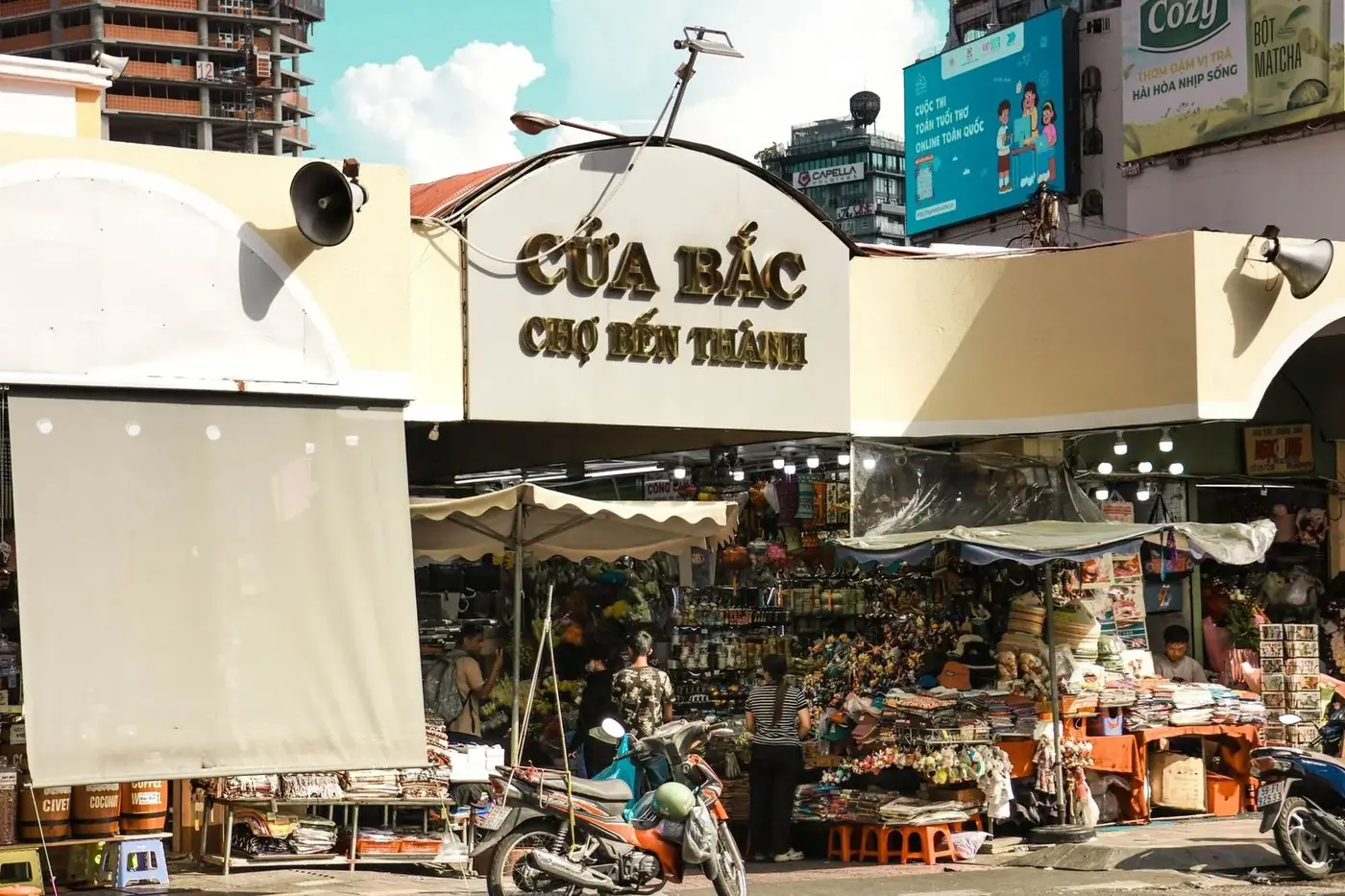
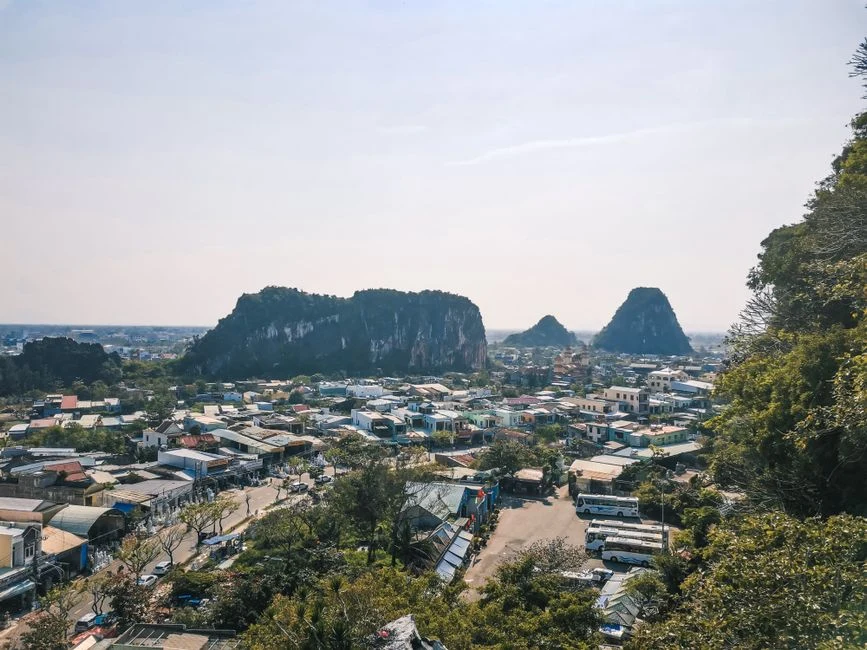
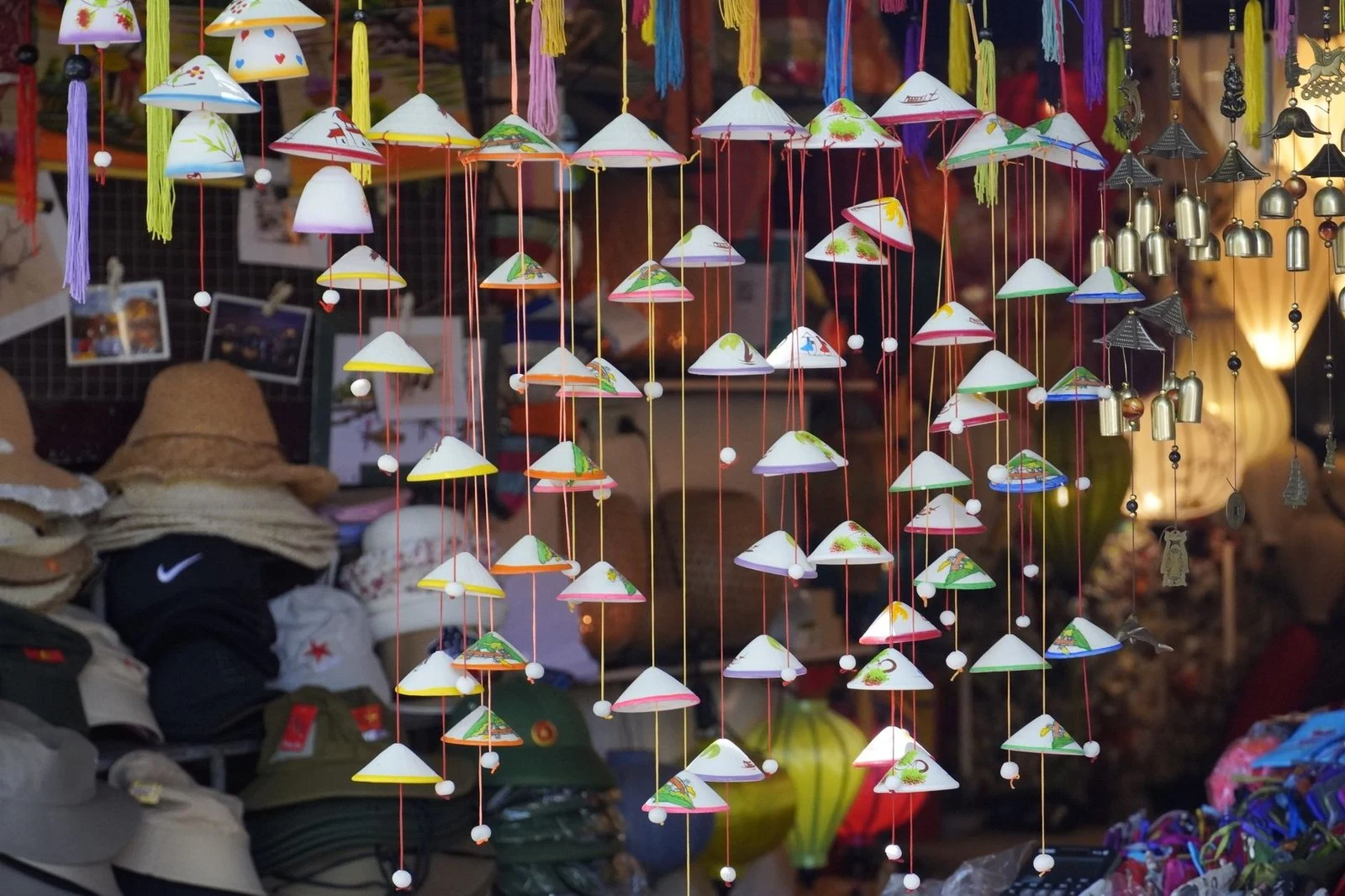
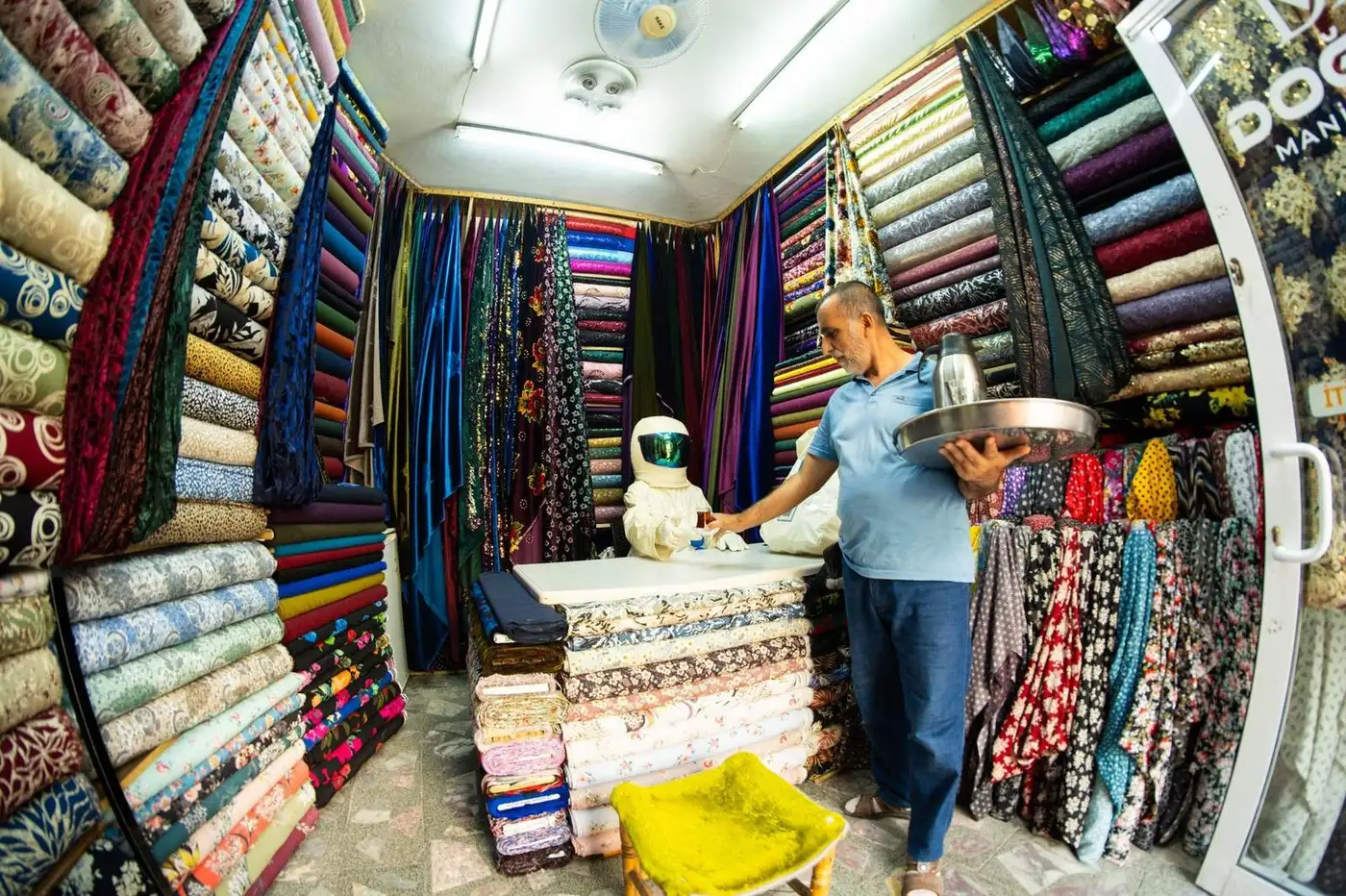
Hoi An’s tailor shops turn out a custom silk shirt in 24-48 hours for around $30, fitted to your measurements instead of off-the-rack sizing. Genuine silk fabric runs about $15-20 a meter; viscose or polyester blends sold as “silk” feel similar but lose their sheen after a few washes. Da Nang’s Han Market carries the same lacquerware boxes and bamboo trays you’ll find in Hoi An, usually cheaper because there’s less tourist foot traffic.
Is Phu Quoc pepper actually worth buying?
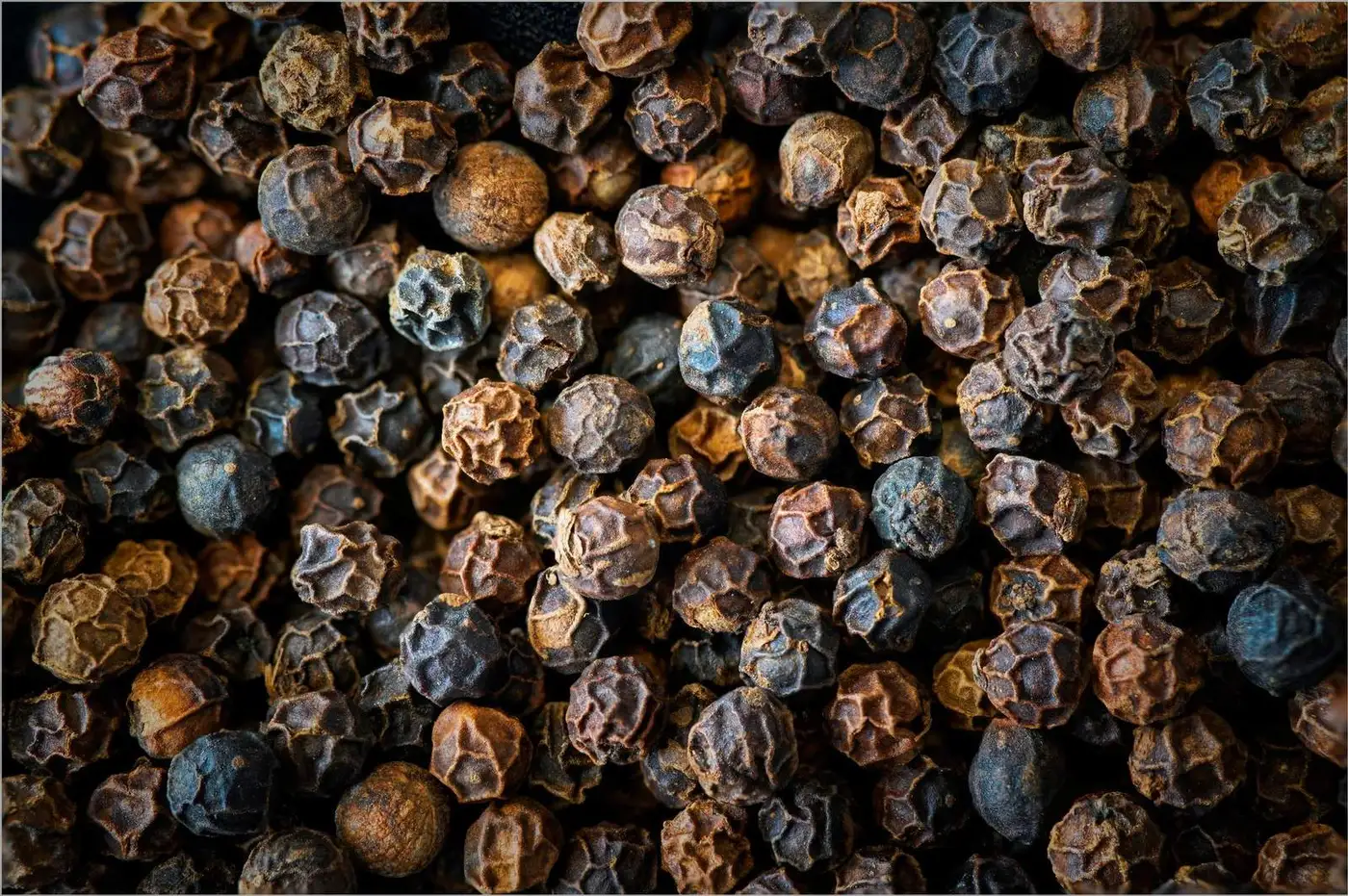
Phu Quoc black pepper is considered one of the most aromatic in Vietnam, and a 200-gram bag costs $2-3 on the island itself versus $6-8 in mainland tourist shops - it’s the one souvenir that actually gets used up in the kitchen instead of sitting on a shelf. The island’s fish sauce (nước mắm) factories are open to visitors; a bottle of properly aged three-year sauce runs from $5 and travels fine in checked luggage if it’s sealed and under 1 liter.
What about coffee - where’s it cheapest?
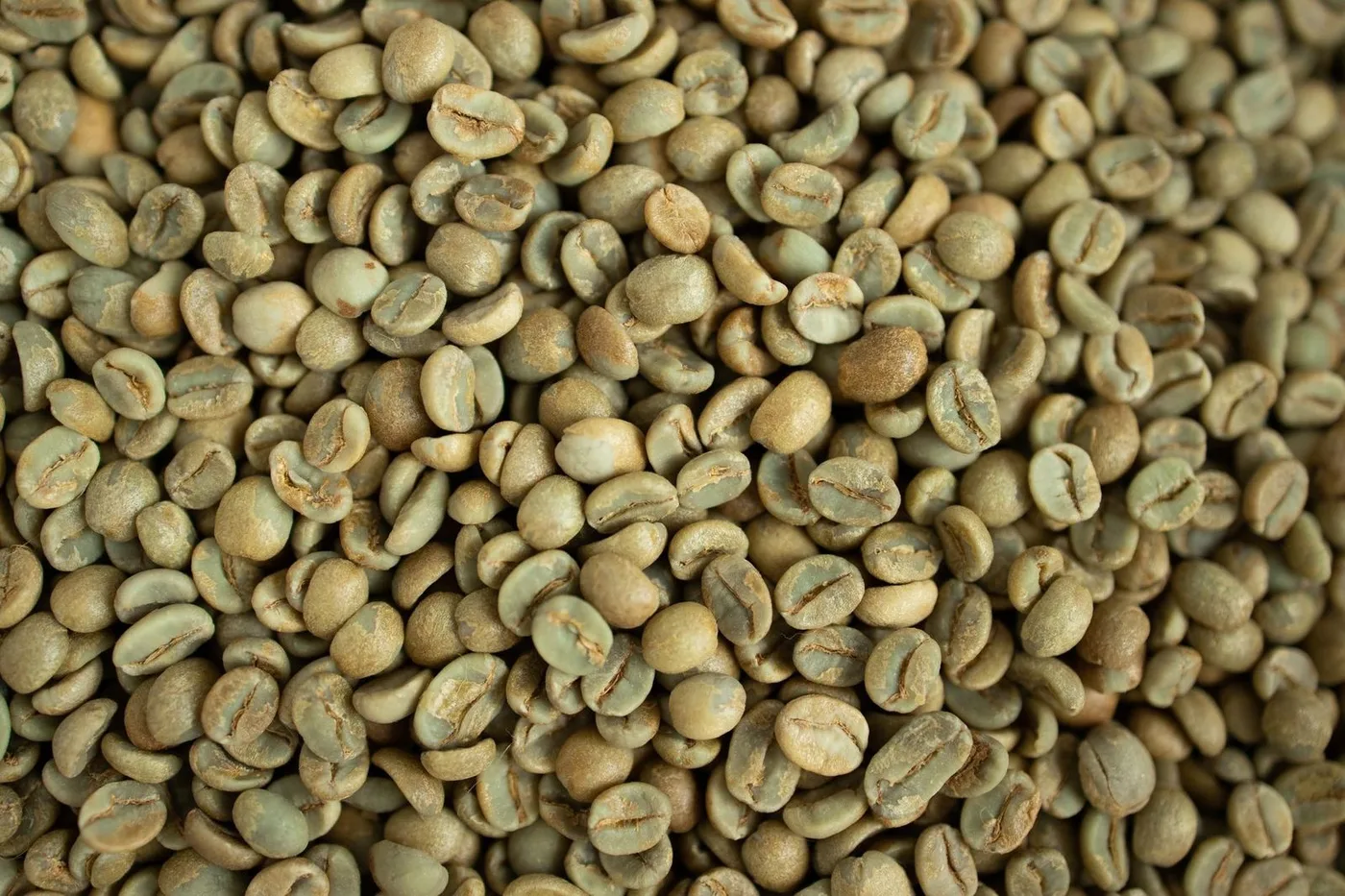
Vietnam is the world’s second-largest coffee exporter after Brazil, and a kilo of loose robusta in Da Nang or Da Lat costs $4-6, compared to $12-15 for the same weight in a gift-wrapped airport package. Arabica from Da Lat’s highland plantations runs $8-12 a kilo and suits travelers who find robusta too bitter. “Kopi Luwak” sold for $15-20 in tourist shops is almost always regular robusta with a marketing markup - the real civet coffee costs upward of $80 per 200 grams and is sold in only a handful of verified shops nationwide.
What should you not bring home?
Snake or scorpion rice wine looks like a great bar souvenir, but bottles containing whole animals can get flagged at customs in some countries as products made from wildlife parts - a photo of the bottle travels a lot easier than the bottle itself. The same caution applies to crocodile-leather goods sold without a CITES certificate: market vendors rarely issue one, and without it the item can be held at inspection.
How do you avoid buying a fake?
Three rules I’ve learned running tours here for years: a brand shop attached to the actual factory is almost always cheaper than it looks, because it skips the tourist-market rent markup; always ask for a quality certificate on silver or pearl jewelry - no certificate is itself the answer; and if a price feels too low for something marketed as “exclusive,” it isn’t exclusive.
Are coral or turtle-shell souvenirs legal to bring home?
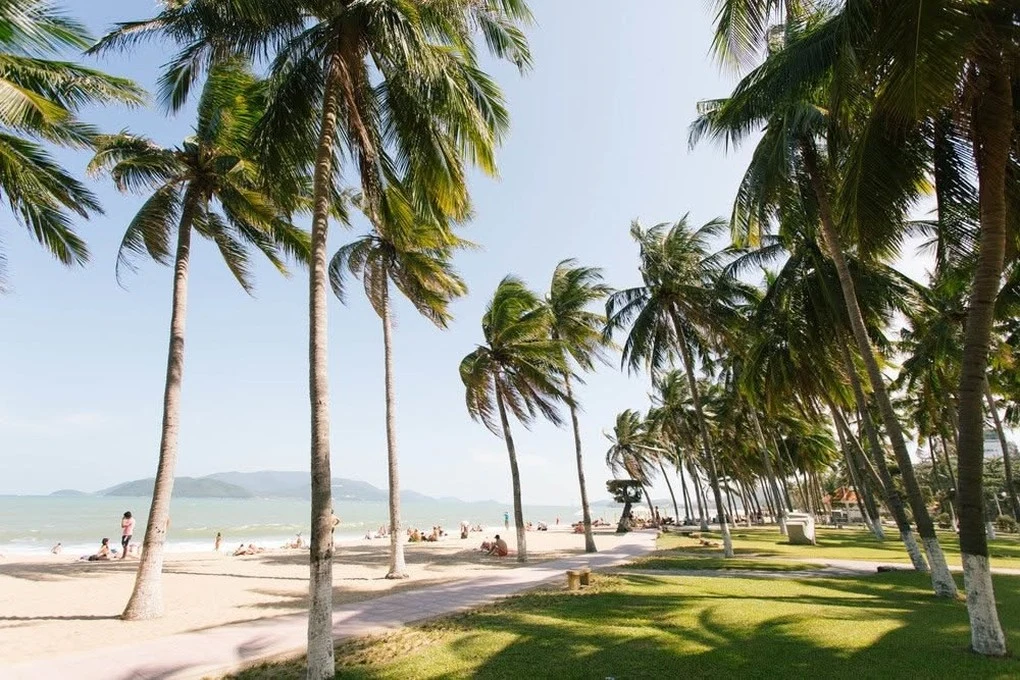
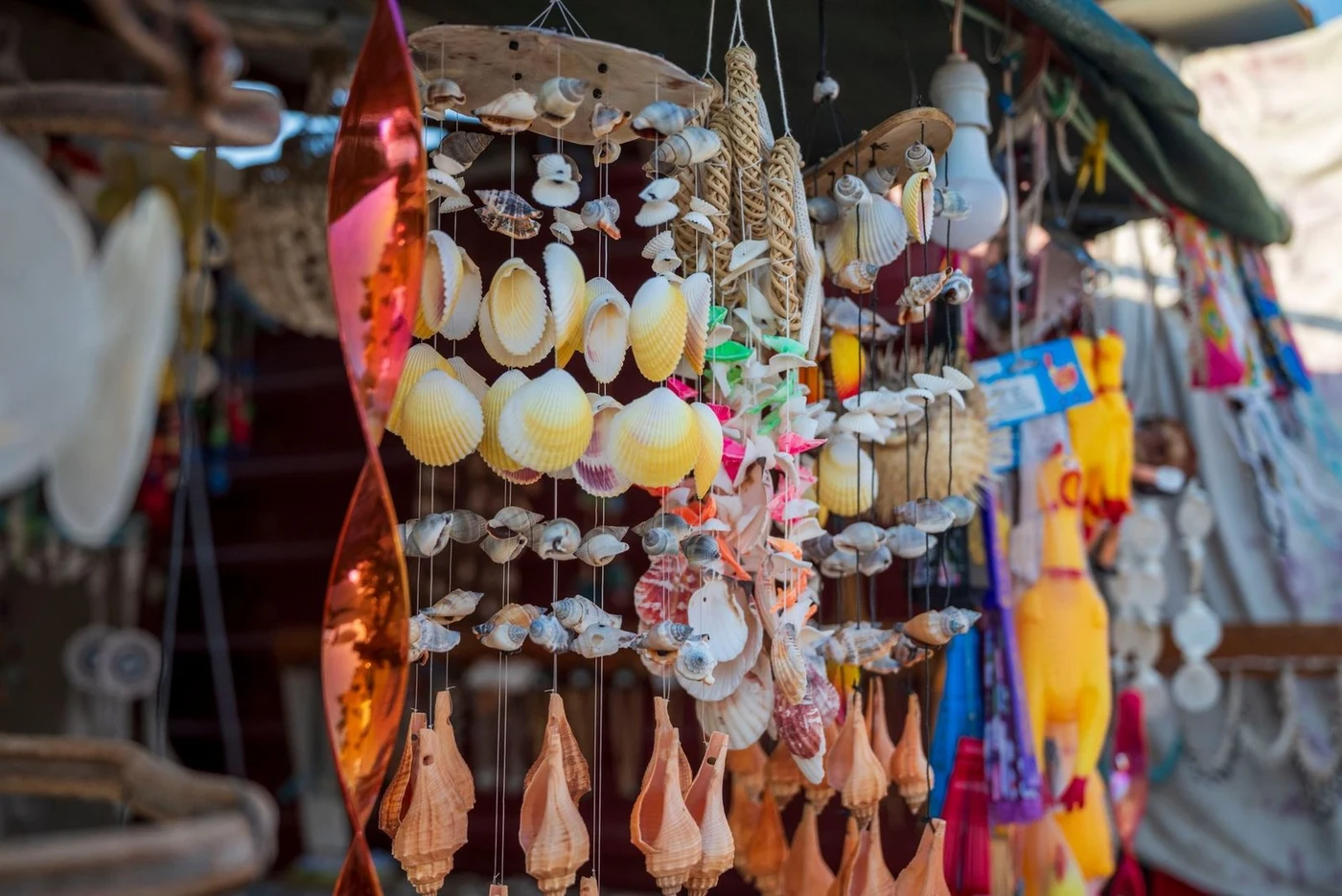
Coastal souvenir stalls sell jewelry and figurines made from real coral and turtle shell, but both are protected under the CITES convention and get confiscated at customs regardless of the price you paid. Telling real coral from a resin imitation is hard by eye, so it’s safer to buy pieces explicitly labeled as synthetic - they’re cheaper and won’t get pulled at the airport.
Quick recap: what’s worth the suitcase space
Buy pepper and fish sauce on Phu Quoc, silk in Hoi An, and coffee in Da Nang or Da Lat — each costs half what the same item runs in an airport shop, and each is easy to check for a fake once you know the price benchmark. Skip anything with a real animal inside the bottle or a coral pendant without a synthetic label; both create real customs risk for no real reward.
If you’re planning a Vietnam trip and want a route built around these stops instead of guessing where to shop, message me on Telegram - I’ll map it to your itinerary.