Vung Tau sits 120 km south of Ho Chi Minh City and takes about 90 minutes by hydrofoil - making it the most accessible day trip from Saigon that actually feels like a real destination, not just a beach with a parking lot. Two giant religious statues on separate hills, a quiet coastal promenade, seafood restaurants that haven’t been taken over by tour groups, and local beaches with a genuinely Vietnamese atmosphere. If pulling together a full Vietnam itinerary that includes the south sounds like a lot of separate bookings, there’s an easier way through it further down this guide.
How to Get from Ho Chi Minh City to Vung Tau
The hydrofoil from Bach Dang Pier is the best option: 80-90 minutes on the water, roughly 200,000-250,000 VND ($8-$10) each way. Morning departures start around 7-8 AM. Book tickets and check current schedules at 12go.asia - it also shows the slower ferry if you want a cheaper ride.
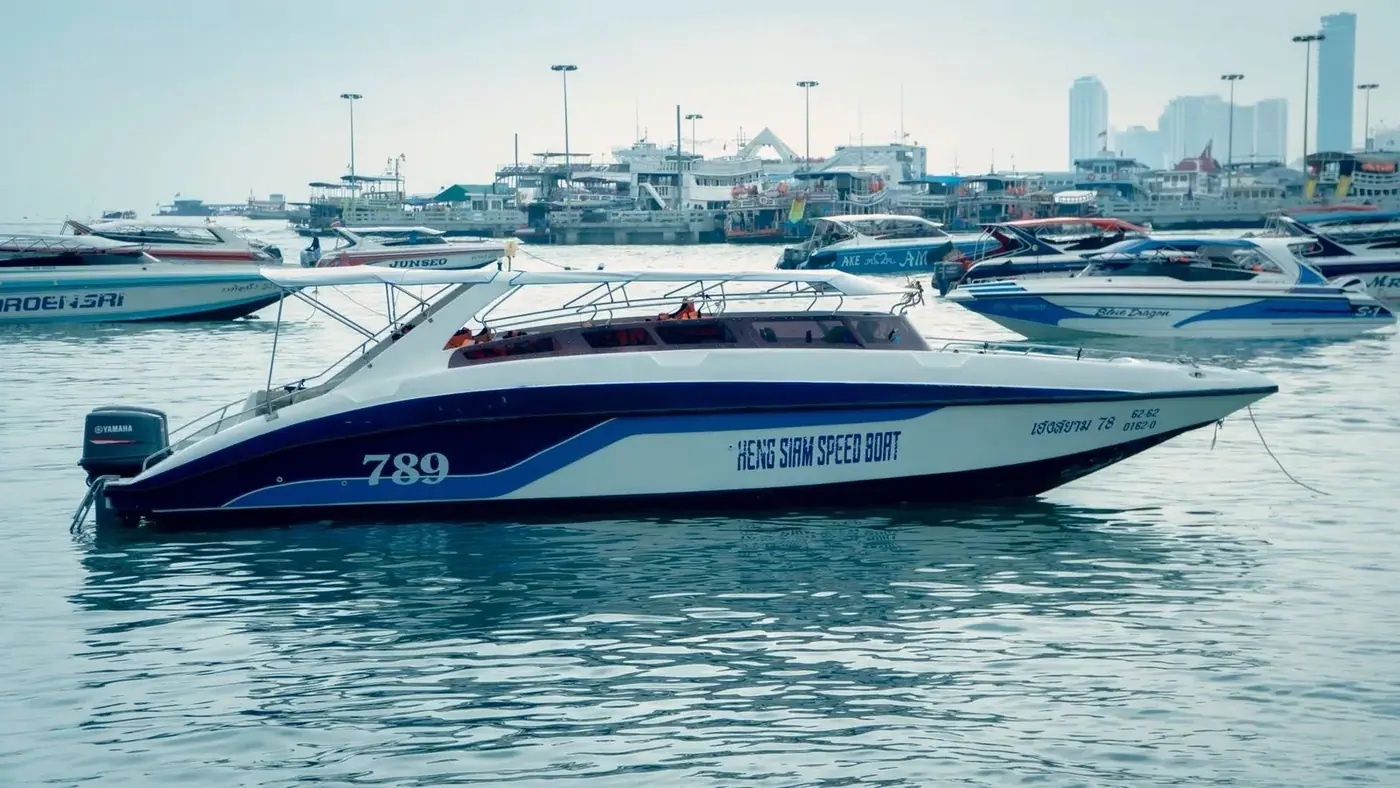
The bus (Phương Trang and similar companies) costs 60,000-100,000 VND but takes 2.5-3 hours each way. For a day trip from Saigon, the extra cost of the hydrofoil buys you 2-3 more usable hours at the destination instead of sitting on Highway 51.
Once in Vung Tau, grab a xe ôm (motorcycle taxi) or rent a motorbike - the two main hills and the beaches are spread several kilometers apart and not walkable between all of them in a single day.
The Christ Statue: What to Know Before Climbing
The 32-meter statue of Jesus Christ on Núi Lớn (Big Hill) is Vung Tau’s defining landmark - and a genuinely impressive piece of religious sculpture. The famous Christ the Redeemer in Rio de Janeiro is only 8 meters taller. Construction started under American administration in the 1970s and wasn’t completed until the 1990s by Vietnamese builders.
Entry is free. Opening hours are strict: 7:30-11:30 AM and 2:30-4:30 PM. Come at opening time in the morning - it gets hot by 10 AM and the crowds build up quickly after that.
The path to the statue takes 30-40 minutes of walking through shaded gardens with biblical relief sculptures along the route. Inside the base there’s a small museum, then 129 steps of narrow spiral staircase. The shoulder-level viewing platform holds about 3-6 people at a time - tight, but the panorama over Vung Tau and the South China Sea is worth every step.
Dress code is enforced: long pants or skirt below the knee, no caps or bags, water bottles stay at the bottom. You climb barefoot with camera only. Take this seriously - the attendants turn people away. A photographer at the base sells instant-print portraits for 20,000 VND ($1).
The bench-lined garden at the base is full of memorial plaques installed by donors - each costs around $100, which explains the hundreds of them. Most are from Vietnamese-Americans based in the US.
This is where day trips often need the most planning help - timing both hills around the opening schedules, fitting the beach in the middle, and not ending up scrambling for the last hydrofoil back. My team at Vietnam Samurai handles this kind of logistics for visitors in the south — hydrofoil times, the two hills around their opening hours, and the beach window slotted between them in one order. Putting that together takes your date and whether you want it as a day trip or an overnight.
Virgin Mary Statue and the Hilltop Cross
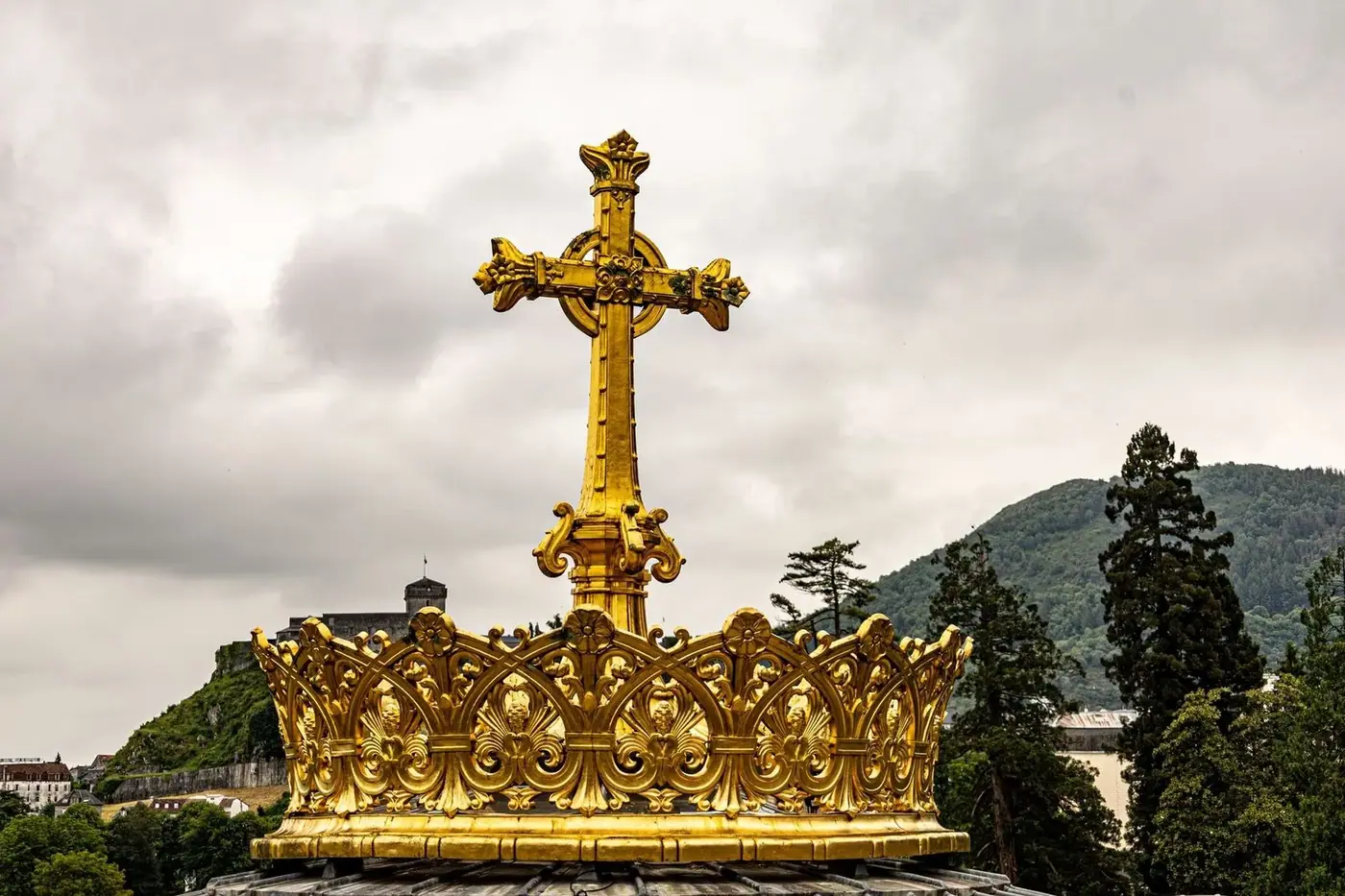
The second hill, Núi Nhỏ (Small Hill), holds a 25-meter white marble statue of the Virgin Mary and a Catholic church with an unusual angular design. The main pilgrimage destination on this hill is the cross at the top of the “Vietnamese Golgotha.”
The two religious sites are about 5 km apart on foot - walkable along the seafront promenade if you have the time and energy. The climb to the cross is steeper than the Christ statue route. Afternoon is the better time for this hill: the light hits the Virgin Mary statue from the front, and the cross platform gives a sunset view over the city.
Both sites mix Catholic pilgrimage culture with a very Vietnamese sensibility - animal sculptures along the stairways, families bringing young children up the steep steps, benches everywhere. It’s charming rather than solemn.
Which Beach to Choose in Vung Tau?
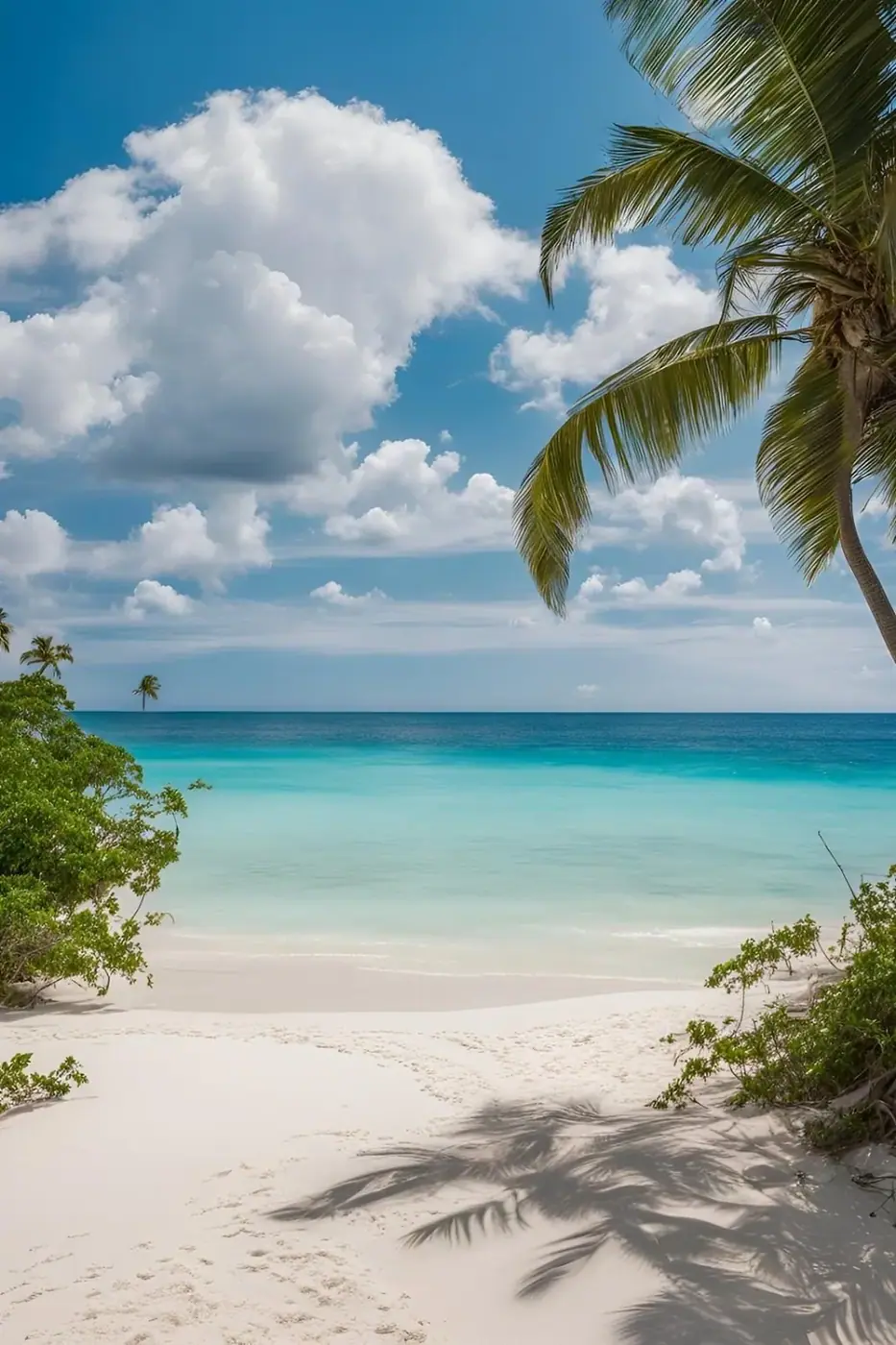
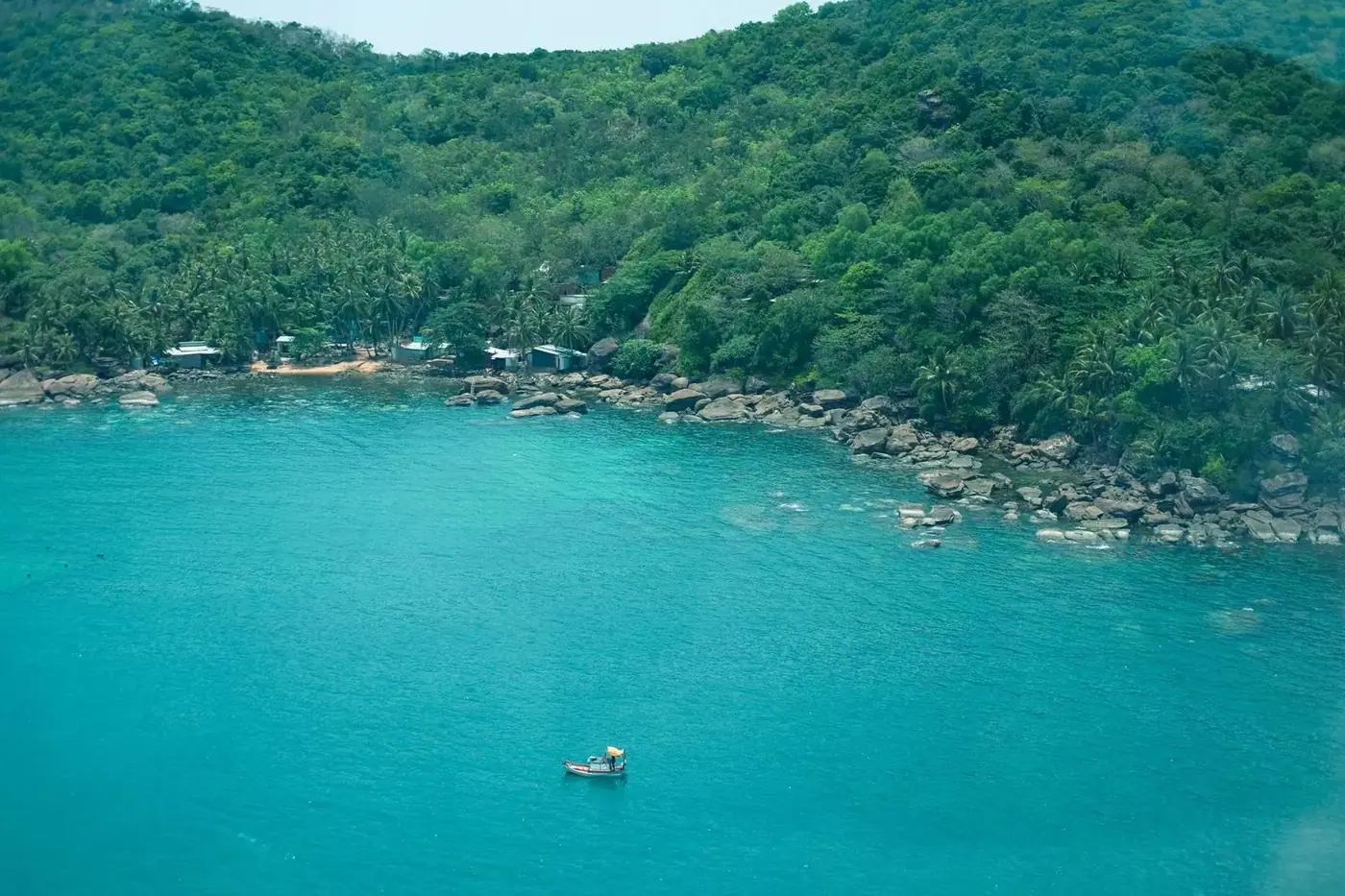
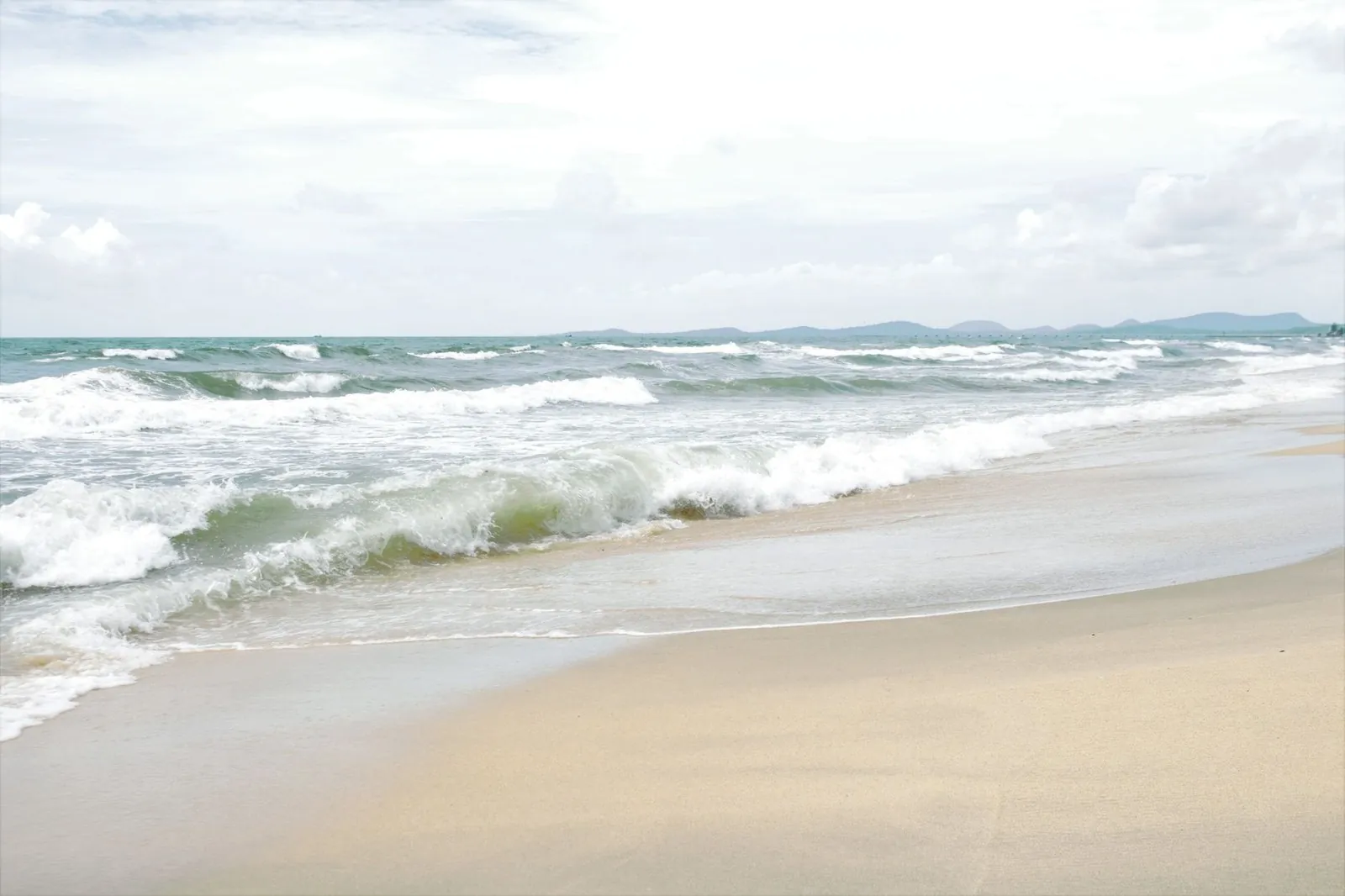
Vung Tau water isn’t crystal-clear like Phu Quoc or Nha Trang , but it’s perfectly fine for an afternoon swim - and the atmosphere is more authentic.
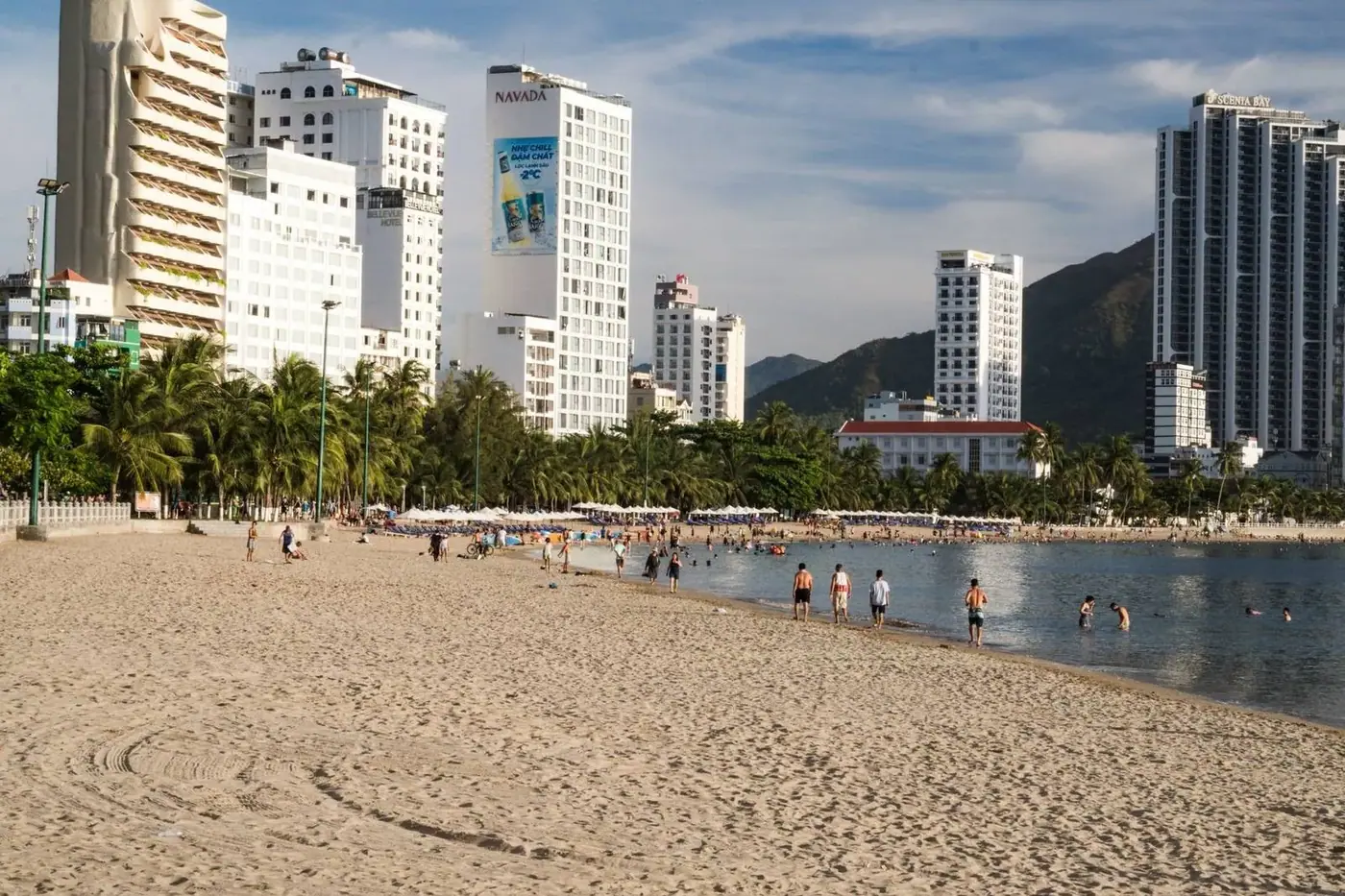
Bai Truoc (Front Beach) - sheltered bay, calmer waves, better for families with young kids. Lined with cafés and sun loungers, easy to access from the city center.
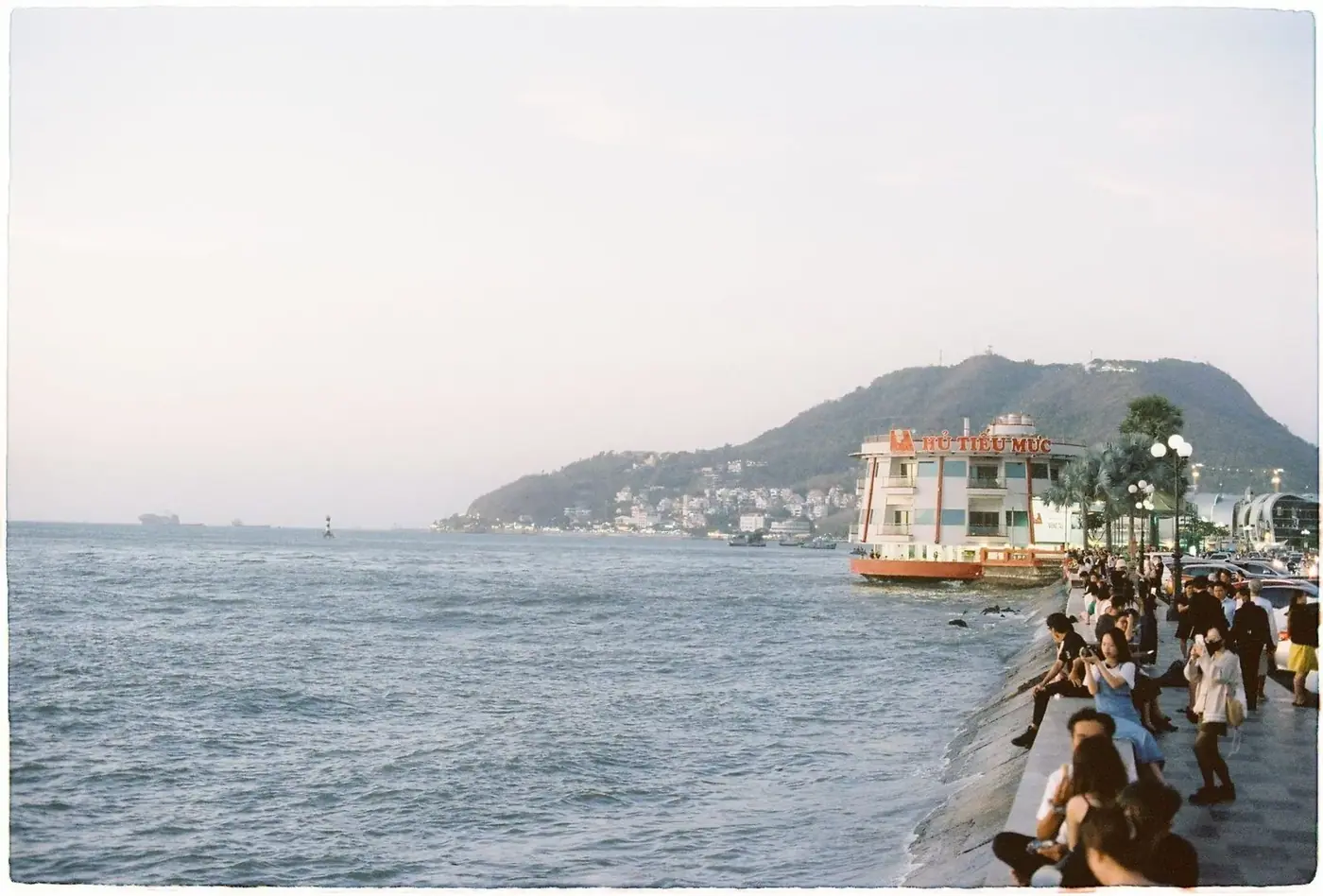
Bai Sau (Back Beach) - longer, livelier, popular with Vietnamese locals on weekends. Bigger waves. The local energy here is good fun - people doing what Vietnamese do at beaches, which is mostly jump in the waves rather than swim laps.
If you have time for only one beach, go to Bai Sau. The energy is better and the beach stretches much further.
One Day or Two Nights: What Makes Sense
One full day covers everything: hydrofoil from Saigon → Christ statue at morning opening → walk or xe ôm to Virgin Mary statue → 2 hours at Bai Sau → fresh seafood lunch → hydrofoil back in the evening.
A night in Vung Tau is worthwhile if you want to catch the sunset from the Golgotha hilltop and walk the promenade after dark. Beyond that, there’s not much reason to stay longer - Vung Tau is an excellent two-day escape from Ho Chi Minh City, not a week-long destination.
If you’re planning a longer Vietnam trip and want to fit in more of the south alongside the best multi-day itineraries , check out what we do at vietnam-tour-guide.com , including our 15-day route across the whole country , or message me directly on Telegram and I’ll help plan it.