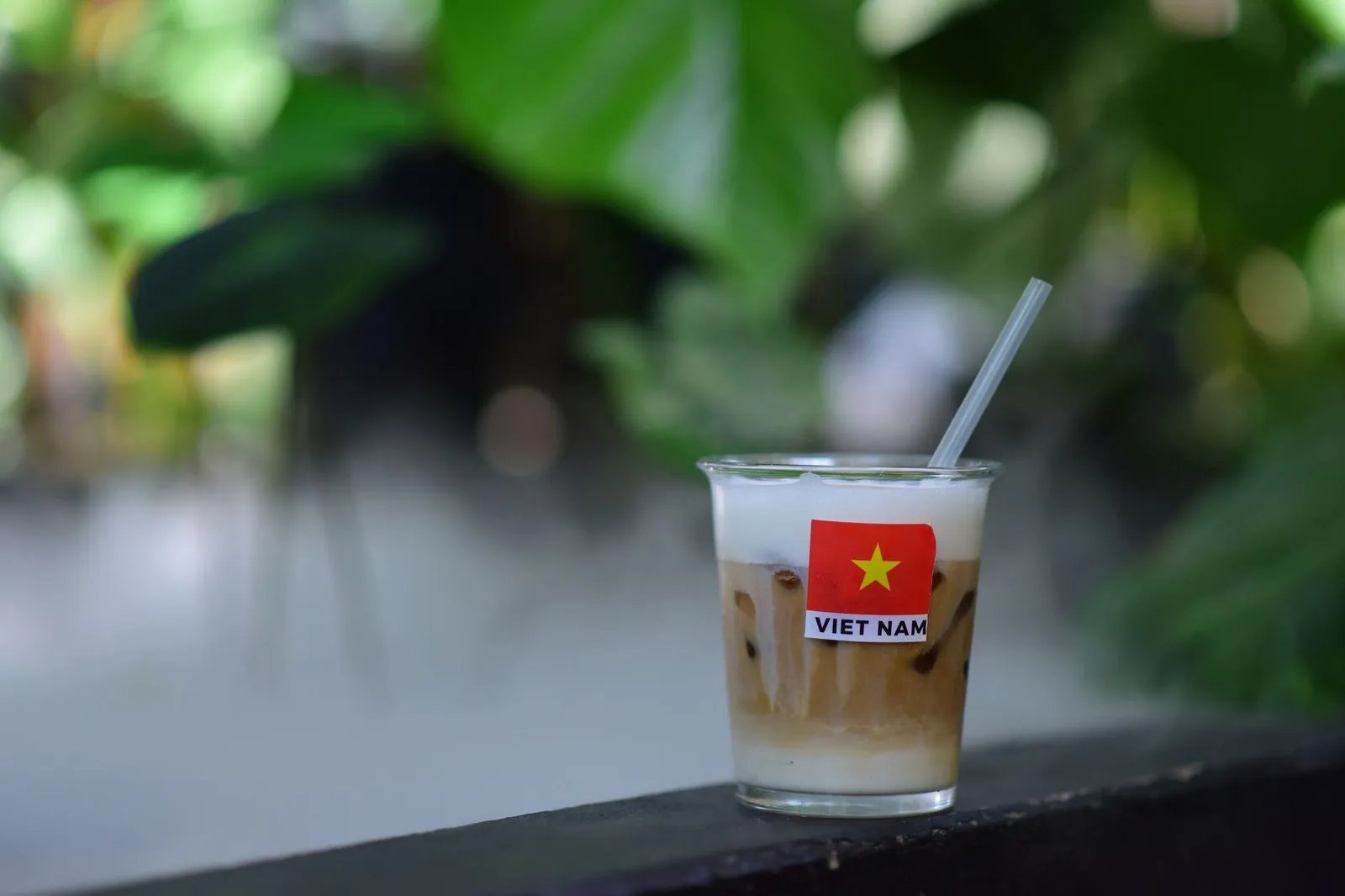
Vietnamese coffee culture centers on three signature drinks: egg coffee (cà phê trứng), invented in Hanoi in 1946; coconut coffee (cà phê dừa), popularized nationwide since 2007; and salt coffee (cà phê muối), created in Huế in 2010 and now sold from Seattle to Saigon. All three sit on top of the same base - thick, dark-roast Robusta coffee dripped slowly through a metal phin filter. If you want the short version before you land in Vietnam, book a table for the salt coffee first - it’s the newest of the three and the one you’re least likely to find back home.
I’ve lived in Da Nang since 2023 and run tours across the country, and coffee stops are where clients ask the most questions - nobody warns you it’s this strong, or that “cà phê sữa” isn’t the same drink as home. See how we build these stops into full routes on vietnam-tour-guide.com . None of the cafés below paid to be listed, including the one I run tours through.
What Makes Vietnamese Coffee Different From Everywhere Else?
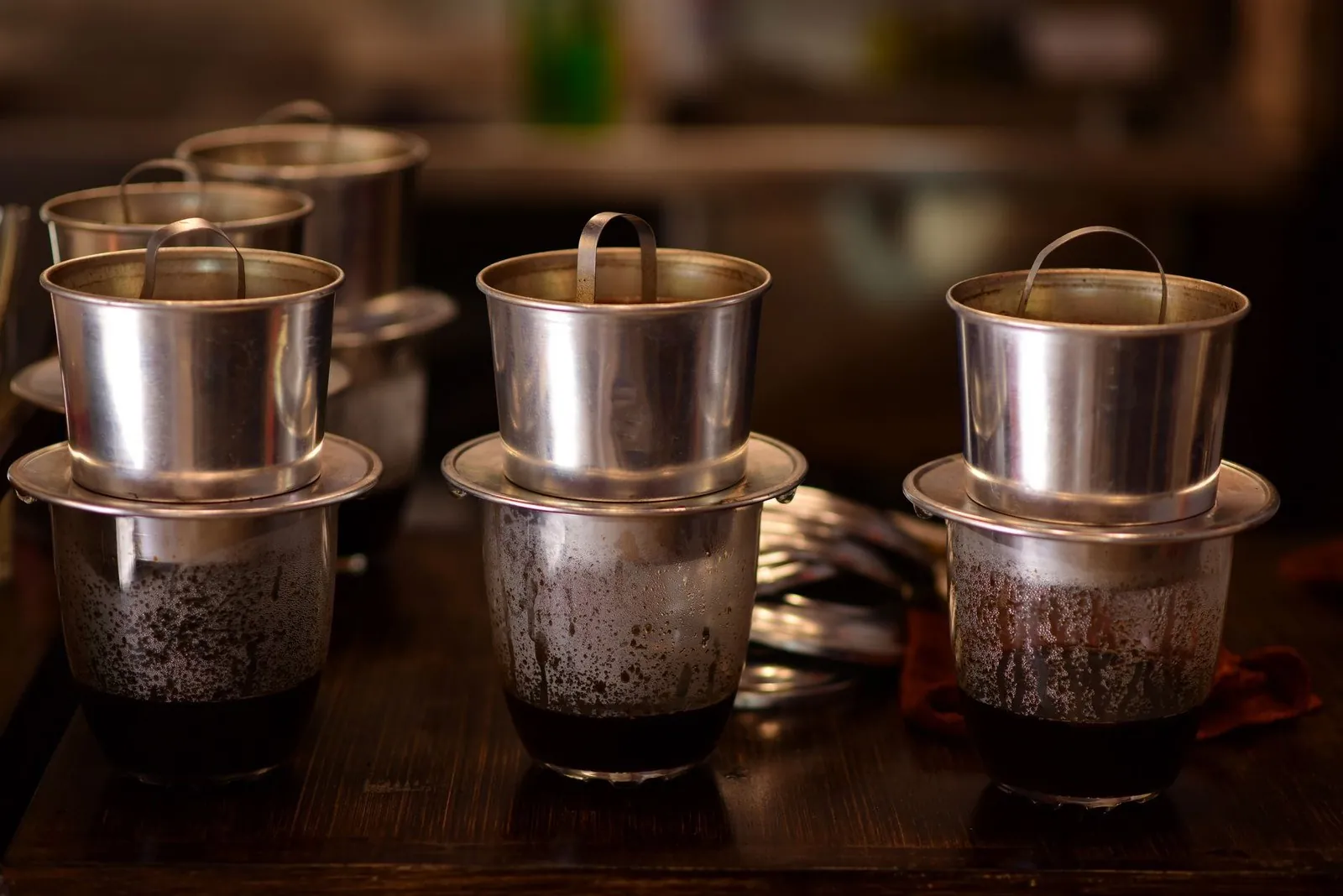
Vietnamese coffee is built on Robusta beans, which carry roughly double the caffeine of the Arabica used in most Western coffee - about 2.2-2.7% versus 1.2-1.5%. Combined with the phin filter’s slow drip, a small glass hits harder than a full mug back home.
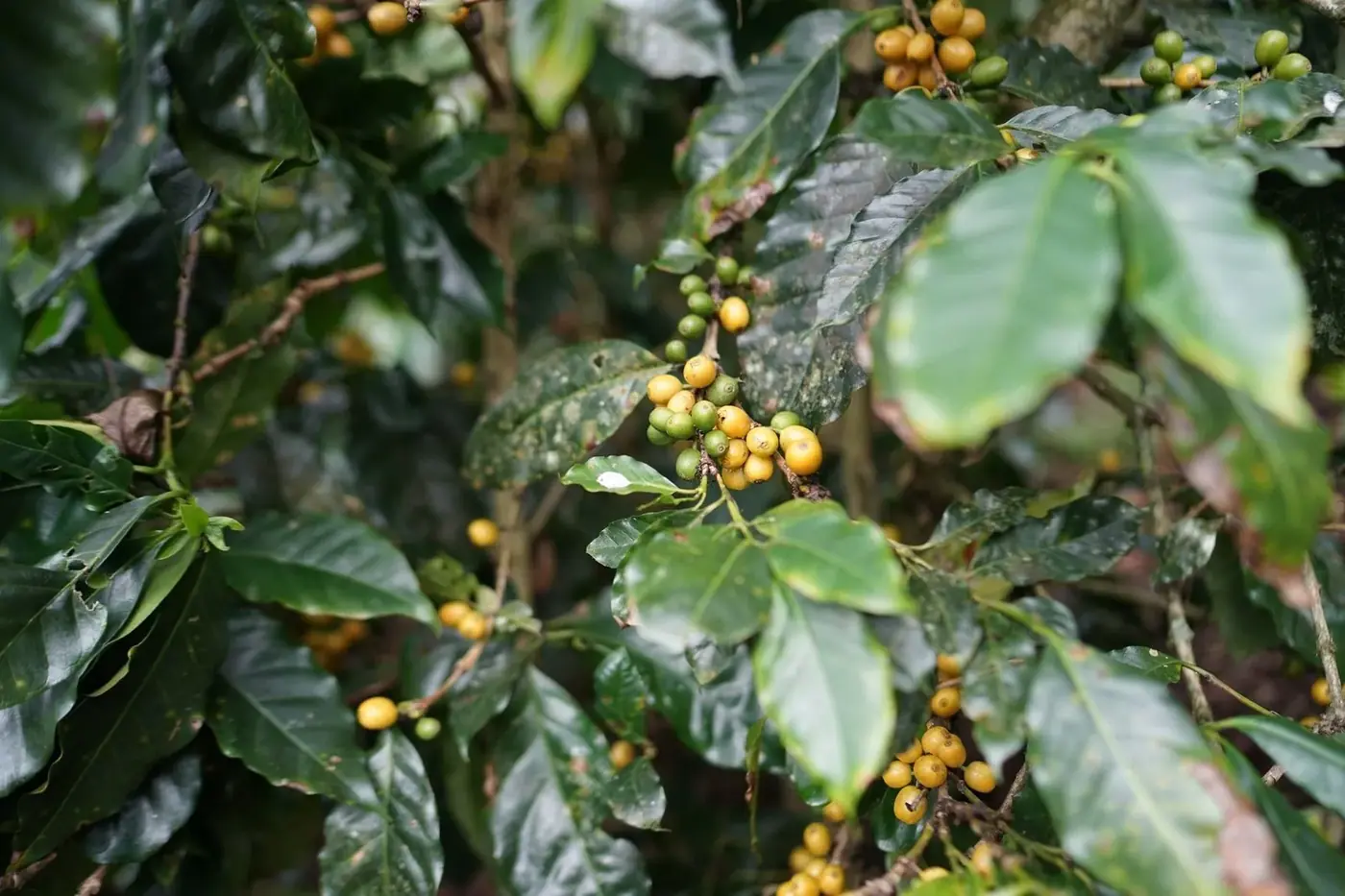
Vietnam is the world’s second-largest coffee exporter after Brazil and the single largest producer of Robusta, supplying over 40% of the world’s supply. About 95% of what’s grown here is Robusta; the rest, mostly Arabica, comes from higher-altitude farms around Đà Lạt. Almost all of that Robusta traces back to Đắk Lắk province around Buôn Ma Thuột, Vietnam’s officially recognized coffee capital. The industry had a record year in 2025 - Robusta export value hit close to $9 billion, and January 2026 exports alone crossed $1 billion, a monthly record. None of that shows up in your glass, but it explains why coffee carts are on every block, not just tourist streets.
Fresh milk barely existed here until recently, which is the other half of the story. Under French colonial rule, dairy spoiled fast in the heat, so imported sweetened condensed milk became the standard substitute - and it’s still what gives cà phê sữa đá (iced coffee with condensed milk) its signature sweetness today.
What Is Egg Coffee (Cà Phê Trứng) and Where Did It Start?
Egg coffee is whipped egg yolk, sugar, and condensed milk beaten into a thick, meringue-like foam and poured over hot black coffee - dessert and drink in the same glass. It was invented in 1946 at Café Giảng in Hanoi’s Old Quarter, by Nguyễn Văn Giảng, a former bartender at the Sofitel Legend Metropole, during a wartime shortage of fresh milk.
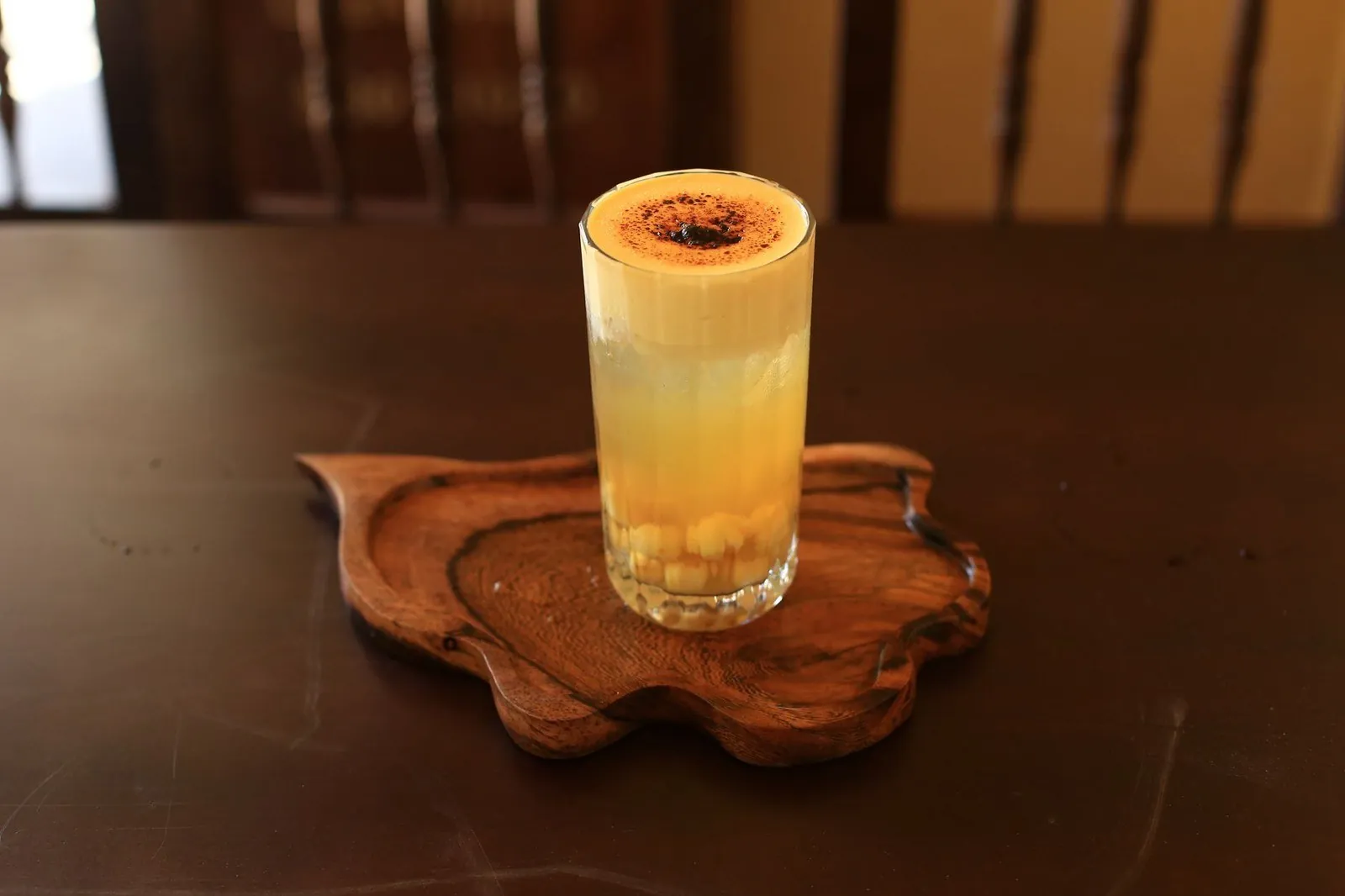
The original shop is still running at 39 Nguyễn Hữu Huân Street, tucked down a narrow alley, alongside newer branches including one inside Lotte Mall Tây Hồ. A cup runs roughly 35,000-60,000 VND (about $1.40-2.40) depending on which location you visit. Order it hot if you want the foam to hold its shape - iced versions exist, but the original is meant to be sipped warm, almost like a coffee custard.
What Is Coconut Coffee (Cà Phê Dừa) and Where Should You Try It?
Coconut coffee blends dark Vietnamese coffee with coconut cream and condensed milk into a thick, iced slushy, usually topped with shredded coconut or coconut foam. It’s most closely tied to Cộng Cà Phê, a Hanoi chain founded in 2007 by former singer Linh Dung, though a few food writers trace the earliest version to Hải Phòng instead - the two claims don’t fully agree.
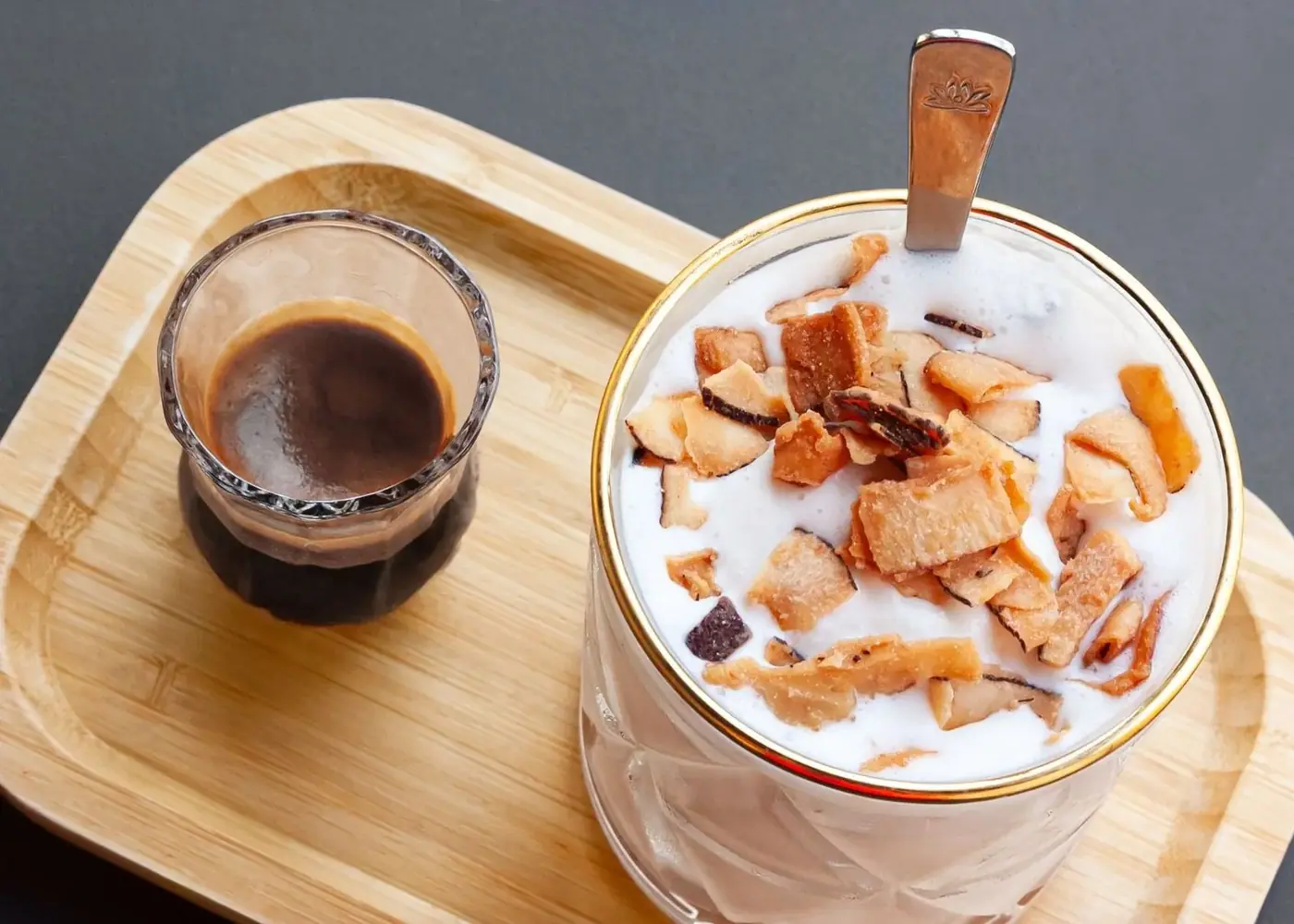
Cộng Cà Phê has grown from one Hanoi shop to roughly 100 locations, with international branches in Seoul (since 2018), Taiwan, Malaysia, Canada, and a 2025 opening in the Philippines. Expect to pay 45,000-70,000 VND (about $1.80-2.80) for a coconut coffee at Cộng or similar cafés - it’s one of the few Vietnamese coffee drinks that reliably shows up on English menus outside the country.
What Is Salt Coffee (Cà Phê Muối) and Is It Actually Good?
Salt coffee layers salted whipped cream over condensed-milk coffee - the salt cuts the sweetness instead of adding a savory taste, closer to salted caramel than to soy sauce. It was created in 2010 at a small shop in Huế, opened by Hồ Thị Thanh Hương and Trần Nguyên Hữu Phong at 10 Nguyễn Lương Bằng Street.
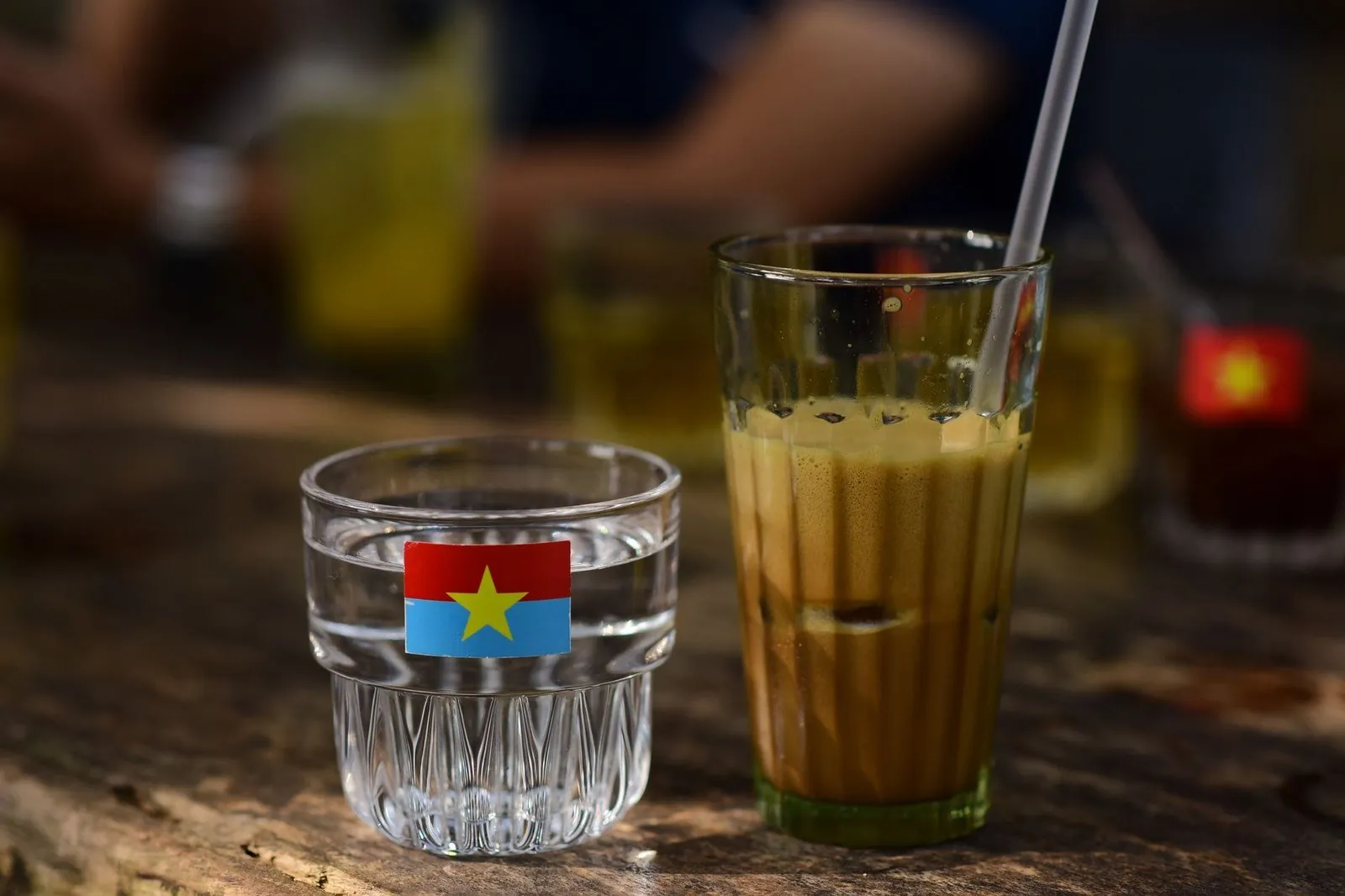
The drink stayed a regional curiosity for over a decade, then went viral nationally and internationally around 2023-2024. Independent shops opened in Seattle and Philadelphia, and Starbucks Vietnam launched its own version in May 2024. If you only try one “new” Vietnamese coffee style on this trip, this is the one - it’s the drink locals are still excited about, not a museum piece.
Other Vietnamese Coffee Styles Worth Trying
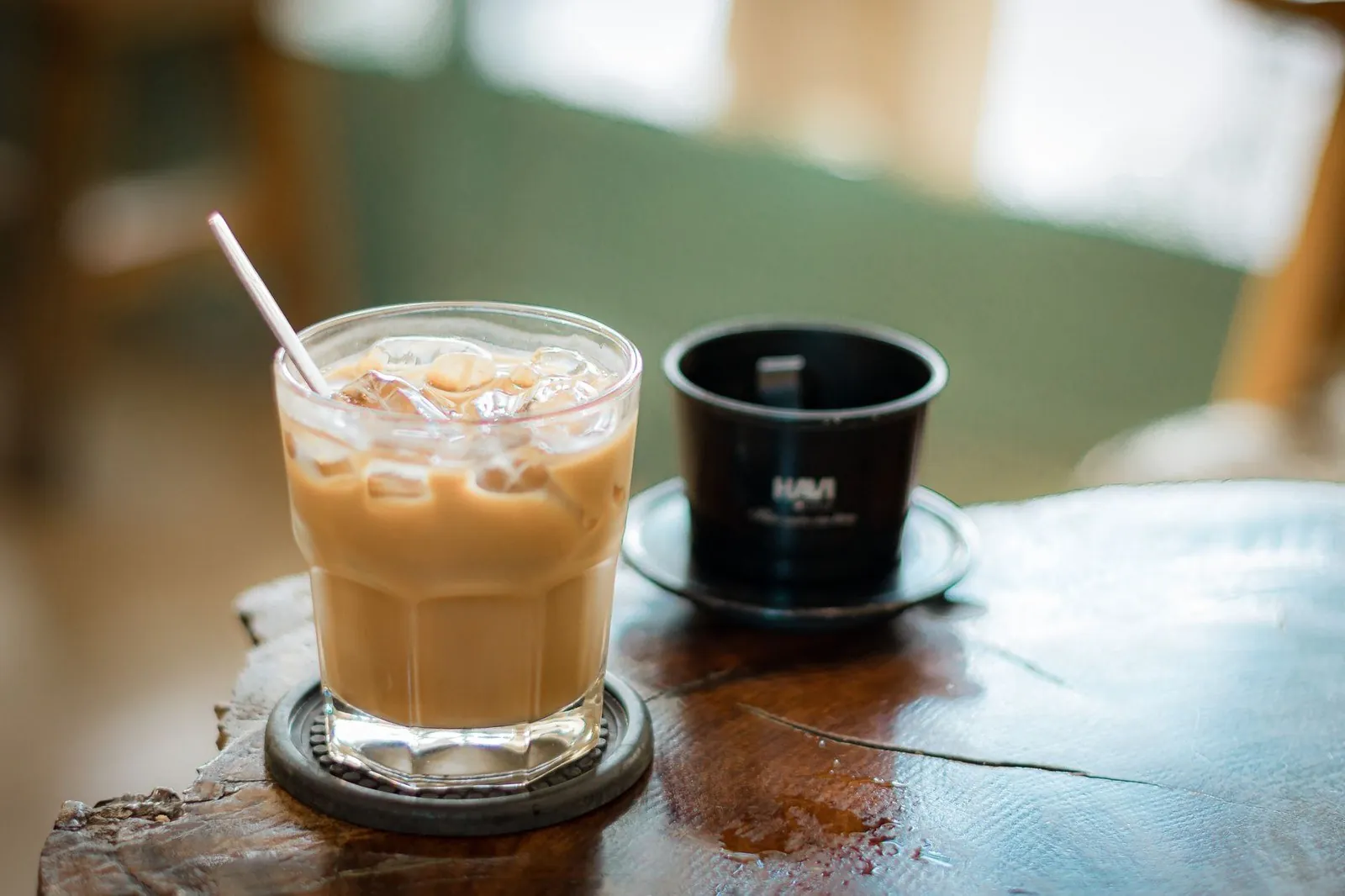
- Cà phê sữa đá (iced coffee with condensed milk) - the everyday default, 20,000-40,000 VND on the street, and the closest thing to a “safe” order if you want to ease into Vietnamese coffee’s strength.
- Cà phê vợt (“sock coffee”) - brewed through a cloth filter over a charcoal stove instead of a metal phin. Cheo Leo Cafe in Ho Chi Minh City, opened in 1938 and now run by a descendant of the founding family, is widely cited as the city’s oldest continuously operating coffee shop and one of the last places doing this by hand.
- Cà phê sữa chua (yogurt coffee) - coffee and condensed milk poured over house-made yogurt, credited to Phạm Duy Trí of Café Duy Trí in Hanoi around 2012. Tangier and lighter than it sounds.
- Cà phê chồn (weasel/civet coffee) - made from beans eaten and excreted by the Asian palm civet (not actually a weasel, despite the English name). Đà Lạt is the center of production; genuine cups run $30-50 USD, and the category has a well-documented ethics problem with caged, force-fed civets - ask where the beans came from before you order.
How Do You Order Vietnamese Coffee Like a Local?
Most street cafés run on a short, handwritten Vietnamese menu with no English, and staff rarely speak more than a few tourist phrases back. Knowing four Vietnamese phrases gets you through almost any counter without a translation app, and it’s usually enough to order exactly the drink you want instead of whatever the vendor guesses you meant.
- Point at “cà phê sữa đá” if you want the safe, familiar option - sweet, iced, condensed milk.
- Say “đen đá” (black, iced, no sugar) if you want it closer to plain coffee.
- Ask “bao nhiêu tiền?” (“how much?”) before you sit - most places don’t list prices for tourists specifically, but it’s rarely more than 30,000-50,000 VND on the street.
- Sit at the small plastic stools if you see locals doing it - that’s usually the cheapest, most authentic version of whatever’s on the menu.
This is where I usually get asked for a shortcut. On our Central Vietnam routes I build in a stop at a real neighborhood café instead of a tourist-strip one, so people taste the drink the way locals actually order it - no menu translation required. If that sounds better than guessing your way through a Vietnamese-only chalkboard, message me on Telegram and I’ll fit it into your route.
Common Mistakes First-Time Visitors Make With Vietnamese Coffee
Ordering a large size expecting a Western-style mug is the most common mistake - a standard serving is a small glass, not a 16oz cup, and it’s strong enough that a large size can genuinely disrupt your sleep.
Assuming “cà phê sữa” means the same thing as a latte is another - condensed milk gives a completely different sweetness and texture than steamed milk. And skipping street-side phin coffee in favor of a Western coffee-chain drink misses the actual reason people come here: the phin filter, brewed table-side in ten minutes, is the culture, not a gimmick.
If you’re building a Vietnam trip around food and drink, my team runs it as part of full routes across Hanoi, Hue, Da Nang, and Saigon , including our 15-day route through the whole country - message me directly on Telegram and I’ll walk you through a version built around your dates.
Frequently asked questions
What is Vietnamese egg coffee (cà phê trứng) made of? Egg yolk whisked with sugar and sweetened condensed milk into a thick foam, poured over hot black coffee. It was invented in 1946 at Café Giảng in Hanoi during a fresh-milk shortage.
Is Vietnamese coffee stronger than regular coffee? Generally yes. It’s brewed from Robusta beans, which carry roughly double the caffeine of the Arabica used in most Western coffee, and the phin filter’s slow drip concentrates it further.
Where did salt coffee (cà phê muối) actually originate? A small café in Huế in 2010, opened by Hồ Thị Thanh Hương and Trần Nguyên Hữu Phong. It stayed local for over a decade before going viral nationally and internationally around 2023-2024.
How much should I expect to pay for coffee as a tourist? Street-side phin coffee runs about 20,000-40,000 VND ($0.80-1.60). Specialty drinks like egg, coconut, or salt coffee at well-known cafés run 35,000-70,000 VND ($1.40-2.80).
Is Vietnamese coffee safe for tourists to drink? Yes - it’s brewed with hot water and reputable cafés use commercially packaged condensed milk, so the food-safety risk is the same as any hot drink. The real caution is the caffeine load, not hygiene.
Which region actually grows Vietnam’s coffee? Mostly the Central Highlands, especially Đắk Lắk province around Buôn Ma Thuột, Vietnam’s officially recognized “coffee capital,” with over 175,000 hectares under cultivation. Arabica is concentrated around higher-altitude Đà Lạt instead.