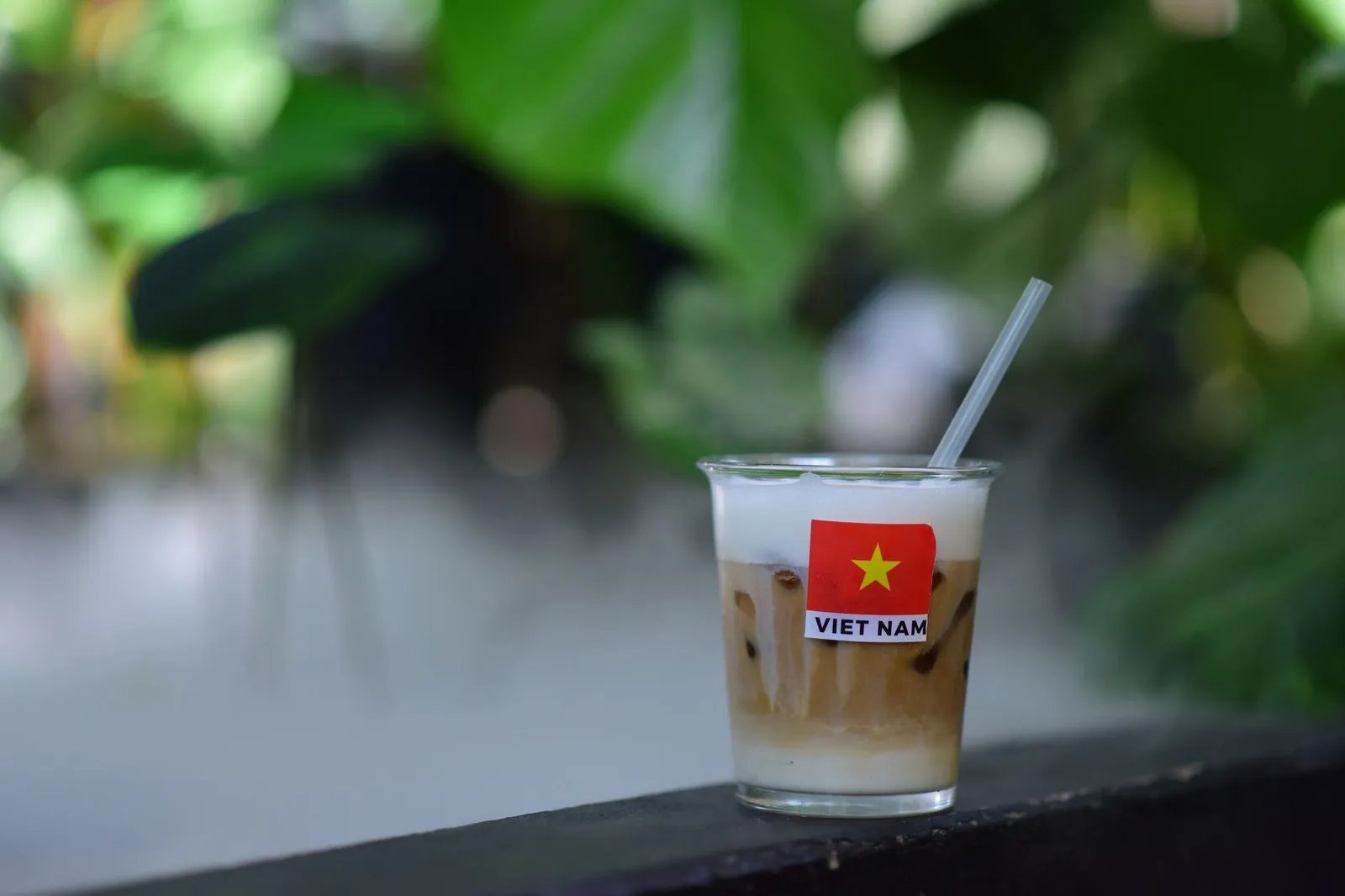
A fair 500g bag of Vietnamese coffee beans runs $2.50-10 depending on grade, and anything below that price at a souvenir stall is almost always fake or padded with corn. I’ve helped clients shop for beans across three coffee regions while running tours out of Da Nang, and the difference between a good buy and a wasted suitcase slot comes down to five minutes of checking before you pay.
What a Fair Price Actually Looks Like
Supermarket ground coffee starts around $2.80 for 500g, and specialty market stalls charge $2.50-10 for the same weight depending on grade and roast. Elite blends run from $50 for a 225g bag, and that price gap is normal - it’s not a scam, it reflects how many times the beans were hand-picked. Airport and hotel gift shops routinely double or triple those numbers for identical beans, so buy before you fly out, not on your way to the gate.
Reading a Coffee Bag Before You Buy
Vietnamese vendors expect you to inspect beans before handing over cash. Here’s the routine I use every time:
- Pick a bag with a clear window panel so you can see the beans, not just the label.
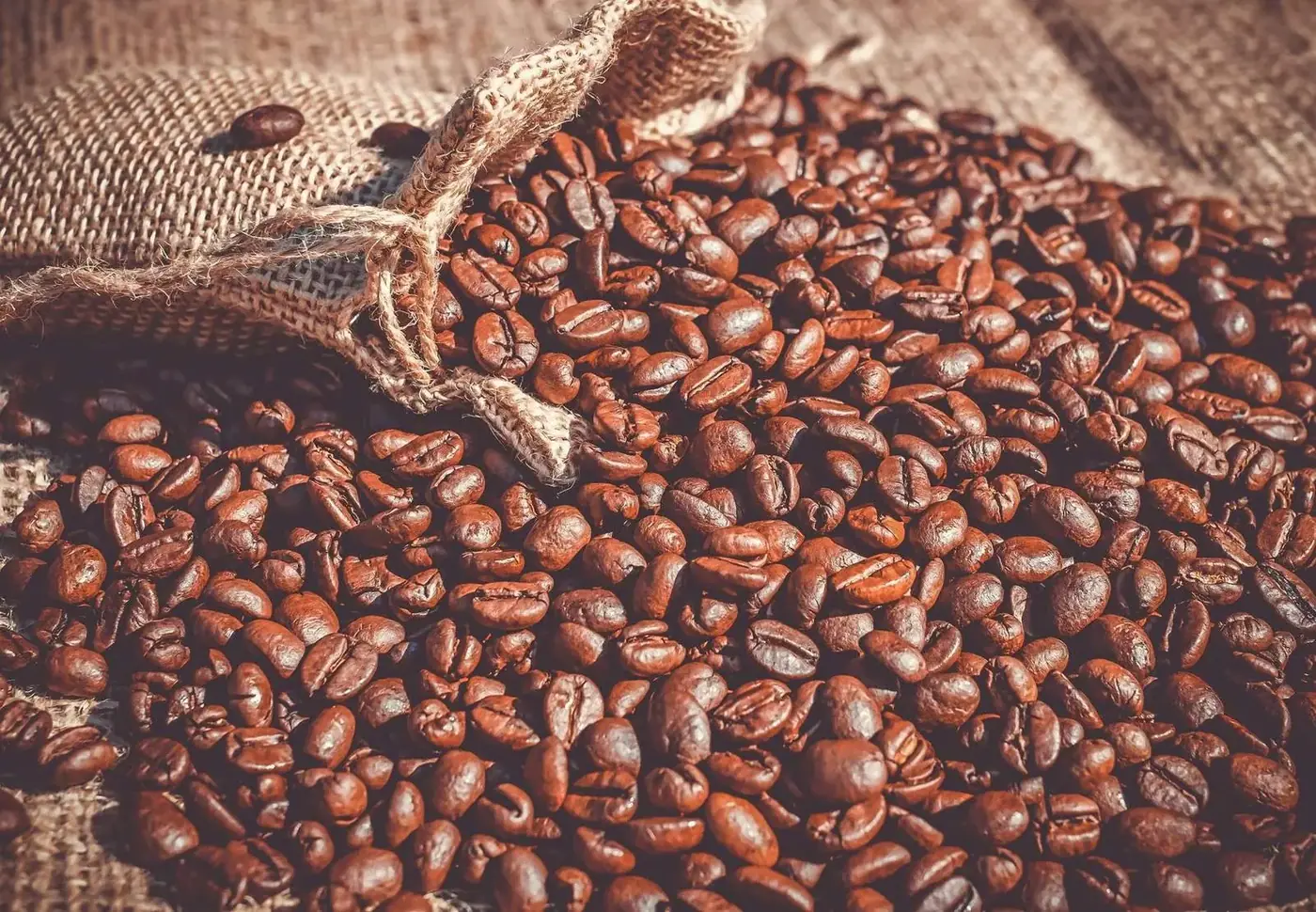
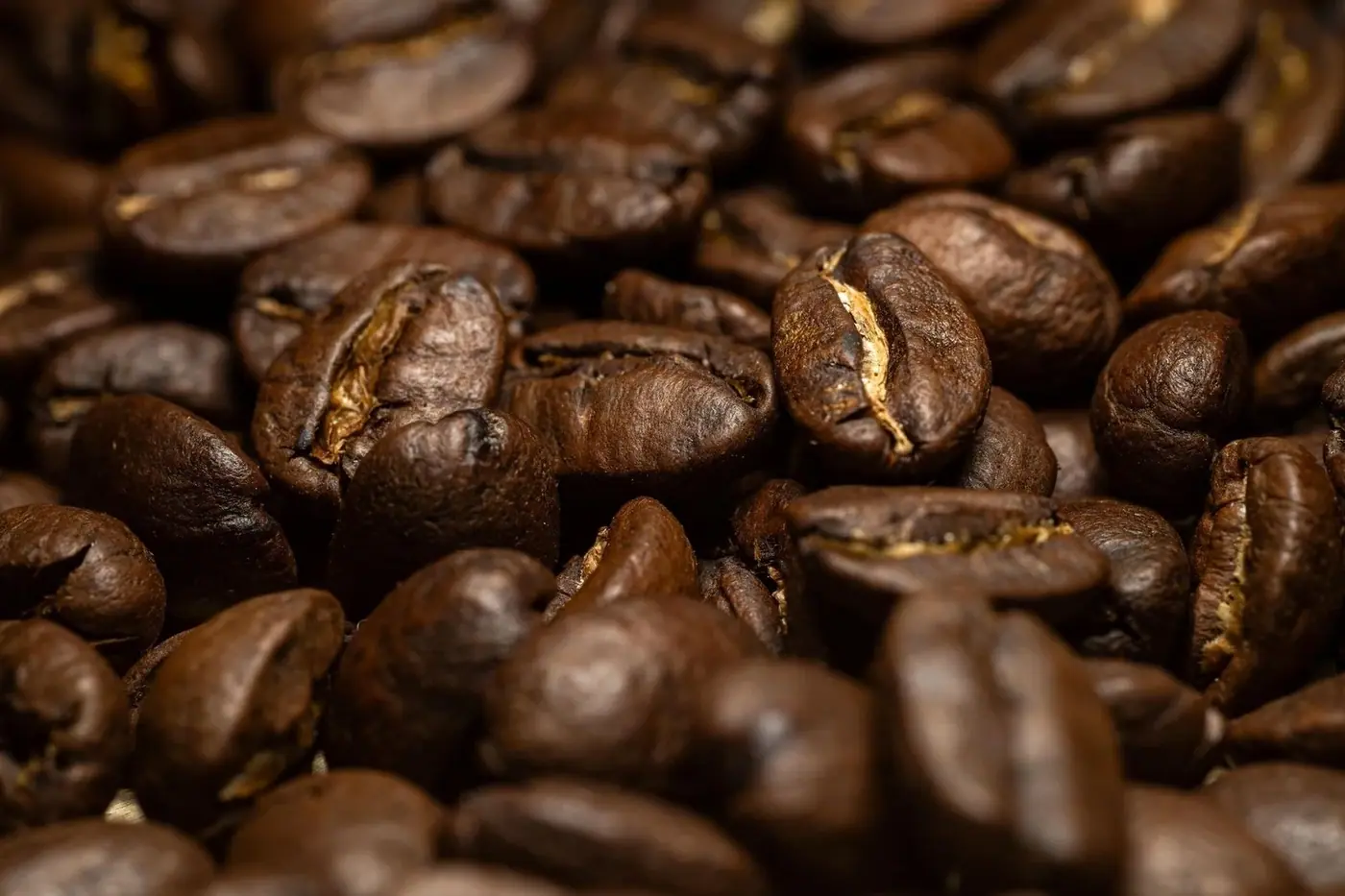
- Check for excess shine - oily, glossy beans were roasted in extra oil to mask a lower grade.
- Ask to bite one bean if the vendor allows it - fresh beans give slightly, old or fake ones (sometimes roasted soybean) don’t.
- Confirm the price matches the grade - anything suspiciously cheap for “premium” beans is a red flag, not a bargain.
- If you’re buying from a café you like, ask them to sell you a bag of what you just drank - many cafés sell retail on the side and you already know it tastes right.
Grades Explained: High, Mid, and What Locals Actually Drink
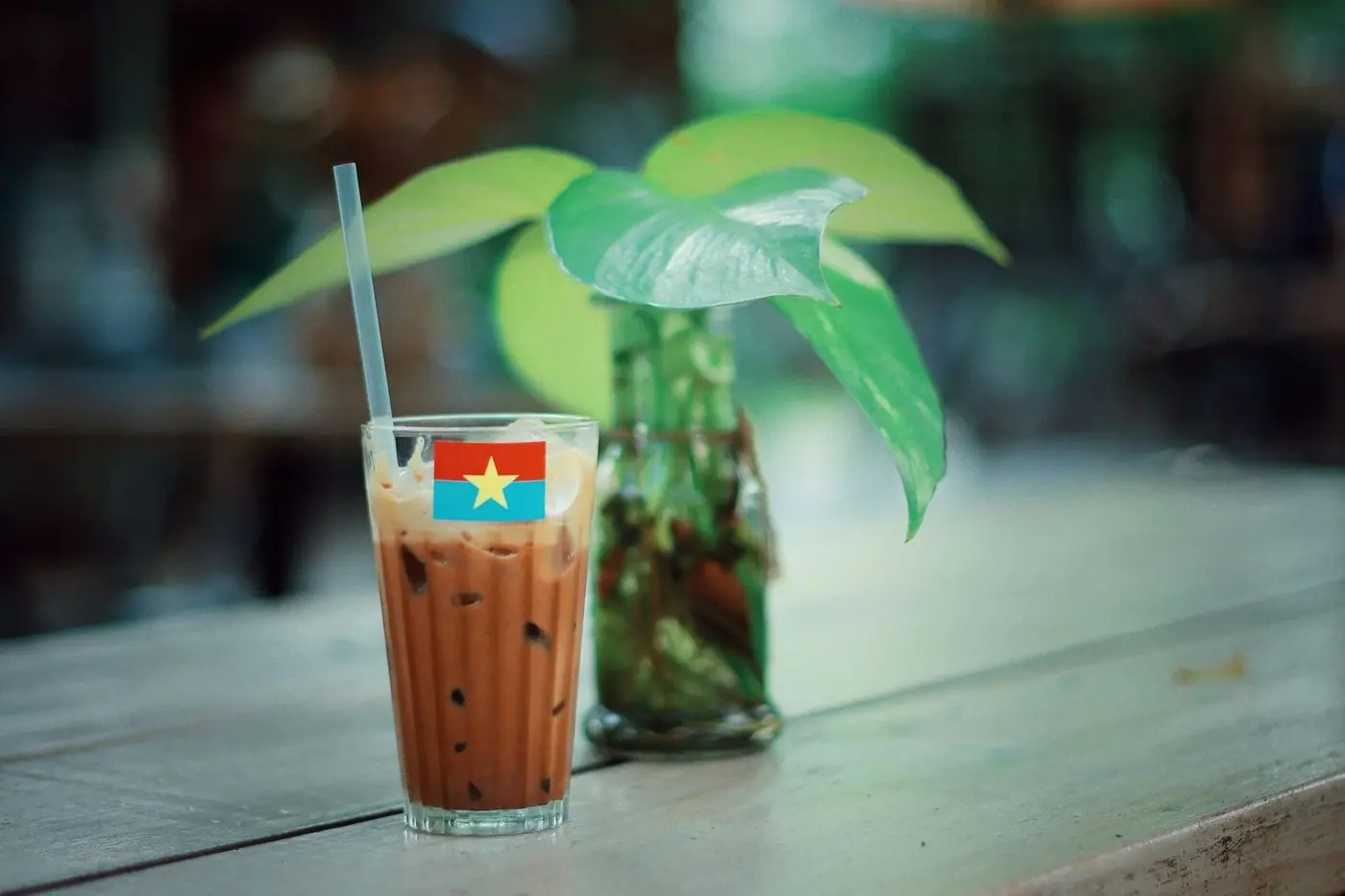
Vietnamese coffee splits into three grades, and the price gap comes from harvest frequency, not marketing. Top-grade beans are picked once a season and sun-ripened naturally, running $12-20 per 250g. Mid-grade beans, picked twice a season, are what most market stalls sell day to day at $8-20 per 500g. Lower-grade beans get picked up to six times a year while still green, come out oily and slightly burnt, and that’s exactly why locals drink them iced with sweetened condensed milk - the ice and sugar mask the bitterness. None of these grades is “bad” on its own; you just want to know which one you’re paying for.
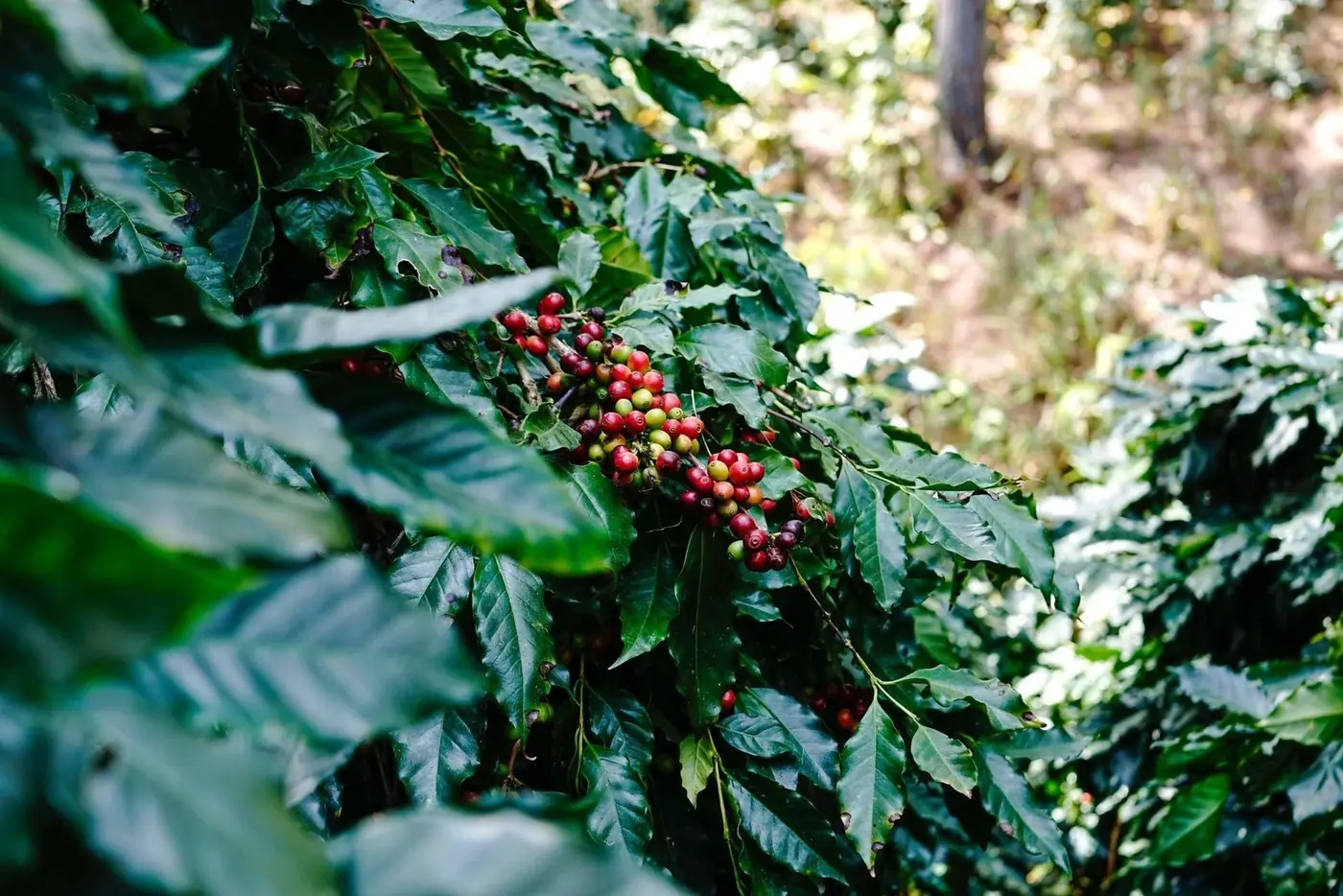
If you’d rather see the plantations than guess from a market stall, the coffee-growing highlands around Đà Lạt are one of the stops we build into longer Vietnam routes - worth asking about if you’re already planning more than a beach week.
Brands Worth Bringing Home
Trung Nguyên is the premium name with cafés across the region and the widest range of blends, while Mê Trang and Con Sóc (nicknamed “the squirrel brand” by tourists, after the animal on the bag) cover the everyday-drinking end at lower prices. Con Sóc’s beans are roasted with a touch of hazelnut oil, which gives a nutty edge some people love and others find too sweet - buy one small bag before committing to a kilo. For a broader look at what else is worth the suitcase space beyond coffee, I compared market and airport prices across Vietnam’s souvenir staples separately.
Kopi Luwak: Skip It or Splurge?
Kopi Luwak, made from beans that passed through a civet’s digestive tract on farms in Vietnam’s highlands, starts at $400 per kilo - and it’s the single most faked coffee on the market because of that price. If a vendor offers you “real” Luwak for $30 a bag, it isn’t real. This one is a genuine splurge item, not a souvenir-run impulse buy, so only pay full price from a shop that can show you the farm it came from.
What to Actually Pack
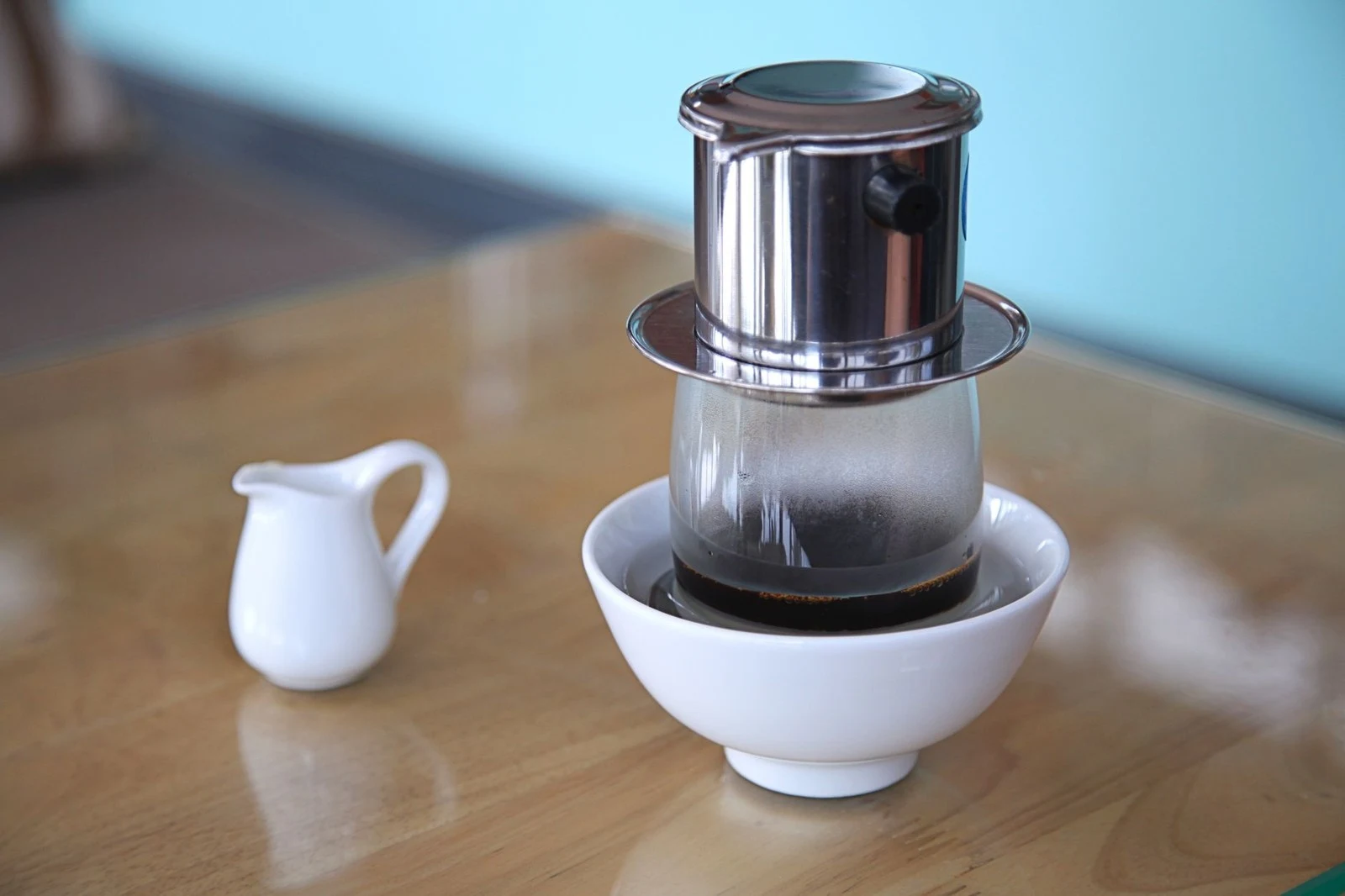
Buy beans, not ground coffee - they last longer and taste noticeably better once you brew them fresh at home. Wrap the bag tightly and keep it away from strong-smelling items like perfume in your suitcase, since coffee absorbs odors fast. Add a small phin filter, sold at markets for about $1.20 - it’s the one piece of gear you can’t easily buy back home, and without it the beans are just beans.
Figuring out where the highlands fit into a longer trip is exactly the kind of planning question I get most from readers, and it’s easier with a route already built around it. Message me on Telegram and I’ll show you where a coffee-region stop fits into your dates.