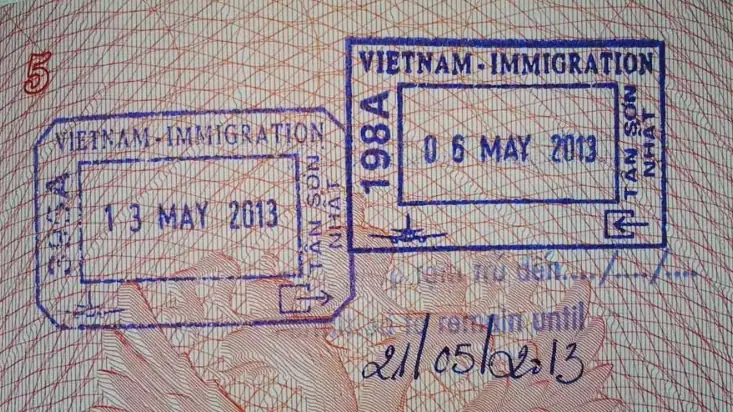
Digital nomad life in Da Nang, Vietnam runs $1,100-1,300 a month versus $1,500-1,800 in Chiang Mai, Thailand for 2026 — about 25-30% cheaper, though Thailand wins on banking, English, and visa stability. I’ve worked from Da Nang for four years and done two 60+ day stints in Chiang Mai, tracking every expense.

Monthly Budget Breakdown for Nomads
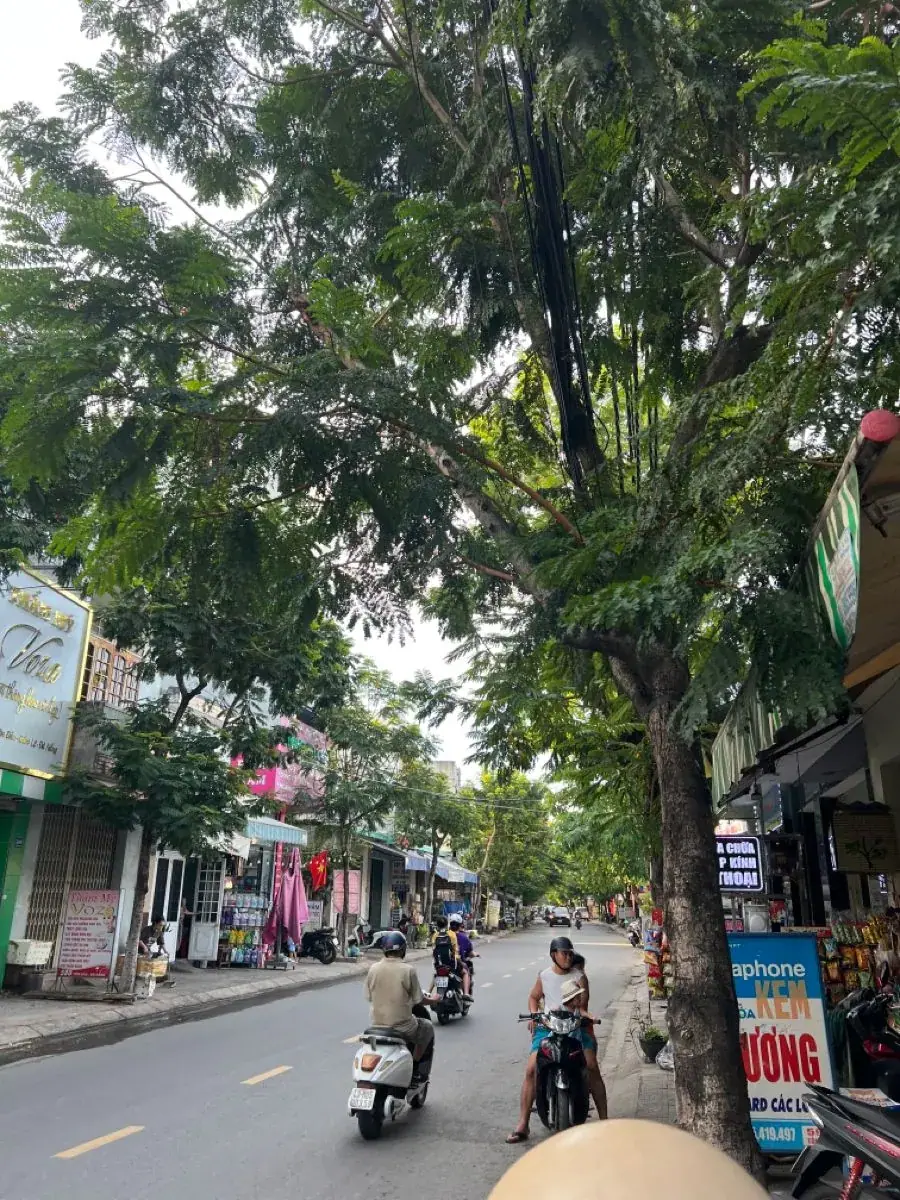
My realistic baseline in Da Nang is $1,100-1,300 a month for a one-bedroom near My Khe beach: $300 rent, $50 utilities, $400 food (mix of local and Western), $80 motorbike, plus the rest in coworking and gym. The same lifestyle in Chiang Mai’s Nimman district lands at $1,500-1,800. Rent is the gap.
Street food: a bowl of pho or com tam runs $1.50-2 in Vietnam; a plate of pad krapow in Thailand is $2-2.50. Stack that across 30 days and you’re at $60-90 difference. Coffee at specialty shops costs about the same — $3 a cup either country, which is the only place where Thai prices win on consistency.

Internet Speeds and Coworking
Both countries deliver. Bangkok metro hit 358 Mbps on mobile this year, Chiang Mai sits around 100 Mbps fixed. Da Nang fiber averages 80-120 Mbps. The difference matters for video calls only when servers are EU/US: Vietnam routes through more hops, so my Slack huddles get slightly worse jitter from Da Nang than from Chiang Mai.
Coworking: Hub Coworking and Punspace in Chiang Mai cost $90-120 a month for 24/7 access. Da Nang’s Enouvo and DNC charge $60-80, cheaper but with shorter hours and less reliable backup power. I now keep two routers and a 4G hotspot regardless of city. One outage will cost more than both.
Banking for Foreigners
This is where Thailand quietly hurts. Opening a Vietnamese bank account took me 50 minutes at Vietcombank with a passport and an Airbnb confirmation. SWIFT in works fine, Wise sends to a personal account by 2026, and ATM withdrawals at BIDV are 2.2% all-in.
Thailand requires a non-tourist visa to open a regular account. Workarounds exist (Krungsri tourist accounts, agent-assisted Bangkok Bank for $150-200), but you’ll bounce between branches for two weeks. If you need a local card to pay rent or get USDT off a P2P, plan for it. Both countries reject MIR but accept UnionPay.
Two-Wheel Lifestyle: Bikes and Roads
A Honda Air Blade 155cc rents for $70-100 a month in Da Nang, $150-200 in Chiang Mai. The price gap reflects supply: Vietnam has 50 million bikes, Thailand maybe 15. New riders should know Vietnam drives on the right with louder horns and looser lane discipline; Thailand drives on the left with more order. Neither will feel safe in the first week.
Insurance: I pay $50 a year for SafetyWing, which covers crashes anywhere. A buddy in Chiang Mai got a $1,200 ER bill for a minor scrape because he bought the cheapest tourist policy. Don’t cheap out here.

My Honest Pick
If your work is remote and you want focus, lower costs, and beach access — Da Nang, though if you’re choosing a spot purely for the beach it’s worth seeing how Vietnam versus Bali for a beach holiday stacks up. If you’re mixing remote work with actually seeing the country between calls, our Vietnam tour routes — including the 10-day Hanoi-to-Hoi An loop — run through Da Nang and slot around a normal work week. If your work involves frequent client travel through Bangkok, in-person meetings, or you want a polished urban setup with international shopping — Chiang Mai (or Bangkok if you can pay). I rotate: rainy season July-September I head to Chiang Mai, the rest of the year Da Nang. Flights between the two run $60-80 one-way.
Bottom line: Vietnam is the cheaper, simpler base. Thailand’s better infrastructure costs you about $400-500 more per month. Pick by where you’re losing time, not where you’re saving baht — and if you want a second opinion, traveler reviews comparing Vietnam and Thailand tend to land on the same split.
If you’re planning the move and have visa or city-pick questions to @vietnam_samurai on Instagram . We’ll send back a route and city breakdown that fits your work pattern. For direct questions, @vietnam_samurai on Telegram is the fastest channel.