
Vietnam runs 20-30% cheaper per person than Bali for a group of 8-12 on a 7-10 day custom trip, and it gives you three distinct climate zones to shoot instead of one island. Bali still wins on brand recognition - everyone already knows the word “Bali” - but that’s the only category where it does.
If you’re an organizer or a creator planning to bring your audience along, the choice usually comes down to two things: what it actually costs to run the group, and whether the footage looks different from what everyone else is already posting. Here’s the honest comparison, numbers included.
What Actually Costs More: A Side-by-Side Group Budget
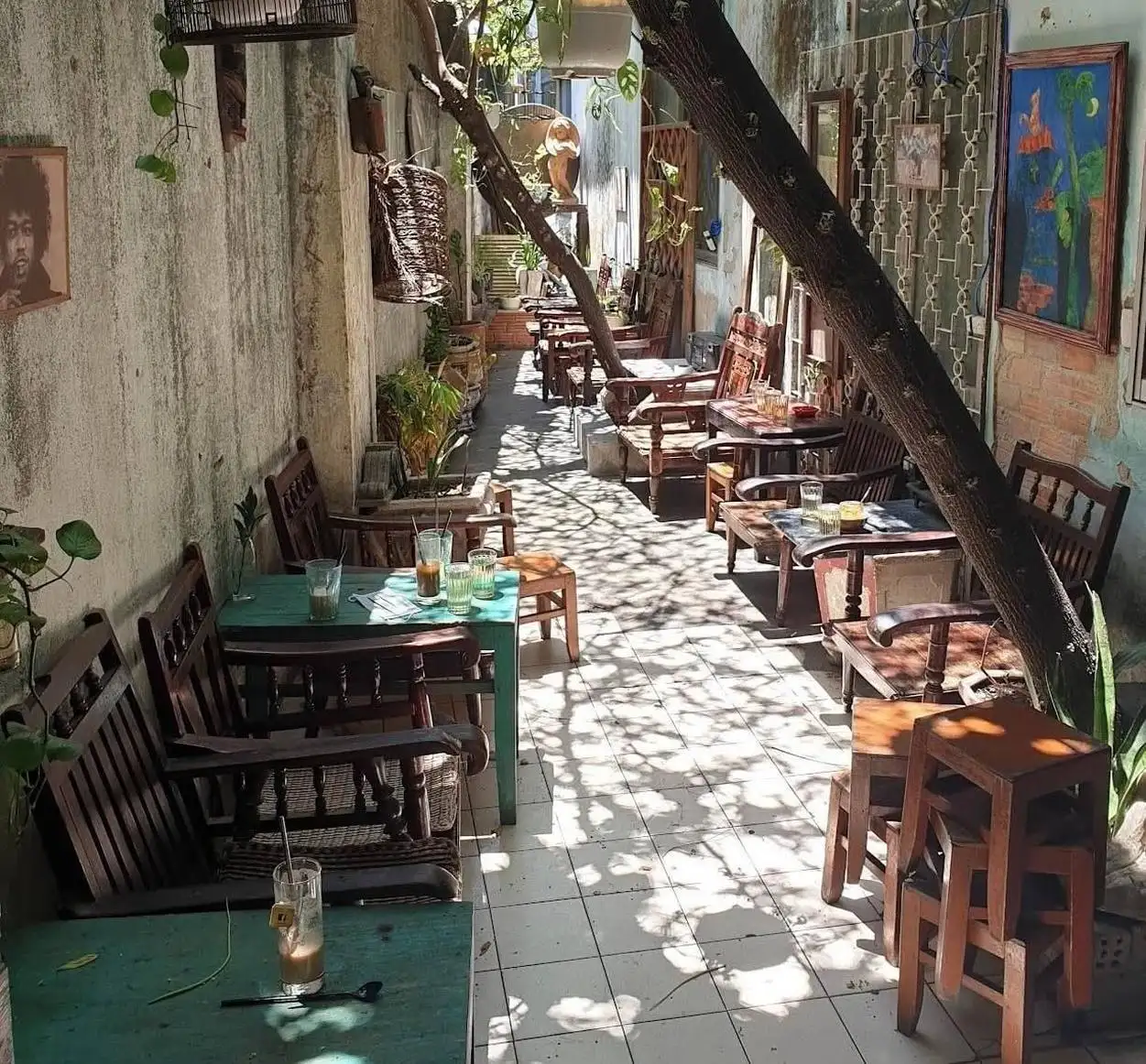
Ubud or Canggu mid-range double rooms run $60-90 a night in peak season (July-August, December), nearly double Da Nang or Hoi An’s $35-50 for a comparable room and group of 10. Bali’s group van with a driver runs $100-150 a day against Vietnam’s $80-120, mostly because fuel and driver rates run higher on the island, and a Ubud restaurant dinner popular with tour groups runs $110-140 for ten people versus $60-80 for the same size group in Hoi An.

Over a 7-day trip, that gap alone can cover an extra excursion day per person. The one place Bali claws some of it back is direct flights: more airlines fly straight into Denpasar from major hubs, so the flight leg itself can come out cheaper for a group flying from certain regions. It’s the only line item where Bali wins outright.
The Picture: Why Vietnam Gives You More Footage
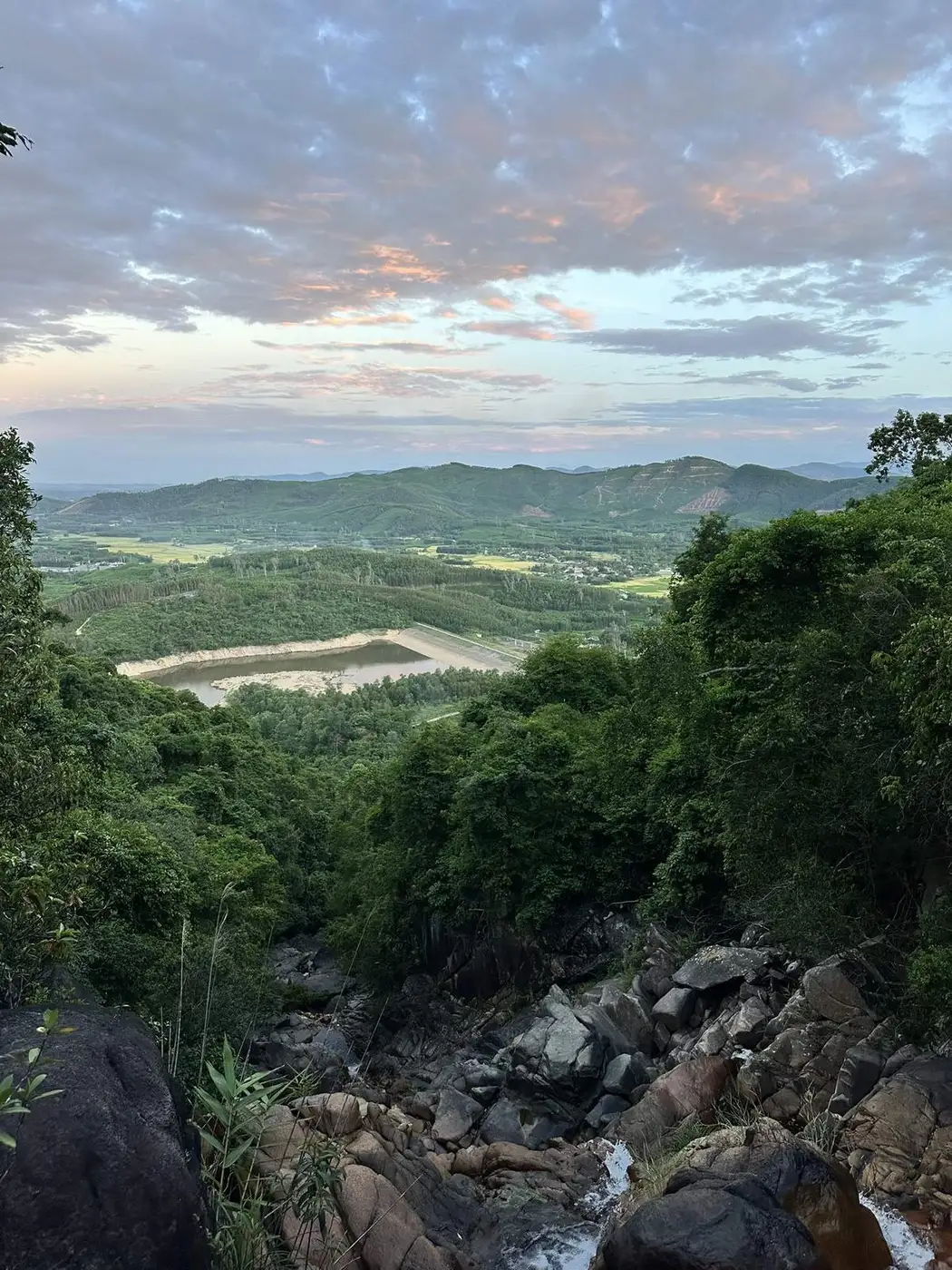
Bali is one island roughly 150 km across: rice terraces in Ubud, beaches in Canggu or Uluwatu, and by day three most of it reads as recognizably “Bali.” Vietnam spans three climate zones instead - misty rice terraces in Sa Pa in the north, lantern-lit old streets in Hoi An in the center, and palm-lined beaches further south - so a single itinerary covers mountains, an old town, and a coastline without repeating a backdrop.

That matters if your audience has already seen a hundred Bali reels this year - variety is what makes people watch the whole trip instead of scrolling past the fifth beach shot. A route through Vietnam’s north and center in one trip is something very few creators are actually posting right now, which is its own kind of advantage.
Visas: Who Needs What, and How Fast
Citizens of a list of countries - including Russia, the UK, France, Germany, Japan, and South Korea - get 45 days visa-free entry into Vietnam under the exemption rules published on xuatnhapcanh.gov.vn , which covers most short group trips without any paperwork at all. Need to stay longer? Vietnam’s e‑visa costs $25 for single entry or $50 for multiple entry, is valid 90 days, and takes about 3 business days to process at evisa.gov.vn .
Indonesia’s visa-on-arrival for Bali costs around $35, covers 30 days, and can be extended once for another 30 days - but the extension means a second in-person trip to an immigration office mid-trip, which most group organizers would rather avoid entirely. For a 7-10 day group trip, Vietnam’s paperwork is simpler for more nationalities on your list.
When Each Country Actually Works Better
Vietnam works better for groups wanting variety across a longer trip, first-time visitors to Southeast Asia, and organizers whose audience hasn’t seen Vietnam content yet. Bali works better for short 5-6 day trips where flight logistics matter more than scenery variety, and for audiences who specifically asked for Bali by name - brand recognition alone still drives sign-ups sometimes.
This is usually where organizers get stuck: coordinating ten hotel bookings, a van driver, and local guides across three cities eats a full week of planning, and a good number of booking platforms in smaller Vietnamese towns don’t take foreign cards at all. I handle that groundwork myself - I book the vans, brief the local guides, and hold the room blocks before your group ever lands. Message me on Telegram with your group size and I’ll rough out a route.
If you’re weighing regions inside Vietnam itself rather than Vietnam versus Bali, I broke that down separately in Hoi An vs Hue vs Da Nang as a home base for a longer stay.
Vietnam or Bali: How to Decide
If your group wants variety and the budget matters across a longer trip, Vietnam wins on both categories that count for organizers - cost and visual range. If you need a short five-day trip and your audience already asked for Bali by name, book Bali and don’t overthink it; brand recognition alone will fill seats.
Either way, the part that actually eats your planning time is logistics - visas, transfers, room blocks - not the destination choice itself. If you’re leaning toward Vietnam, browse our routes or drop me a line on Telegram with your dates and group size, and I’ll put together a route.