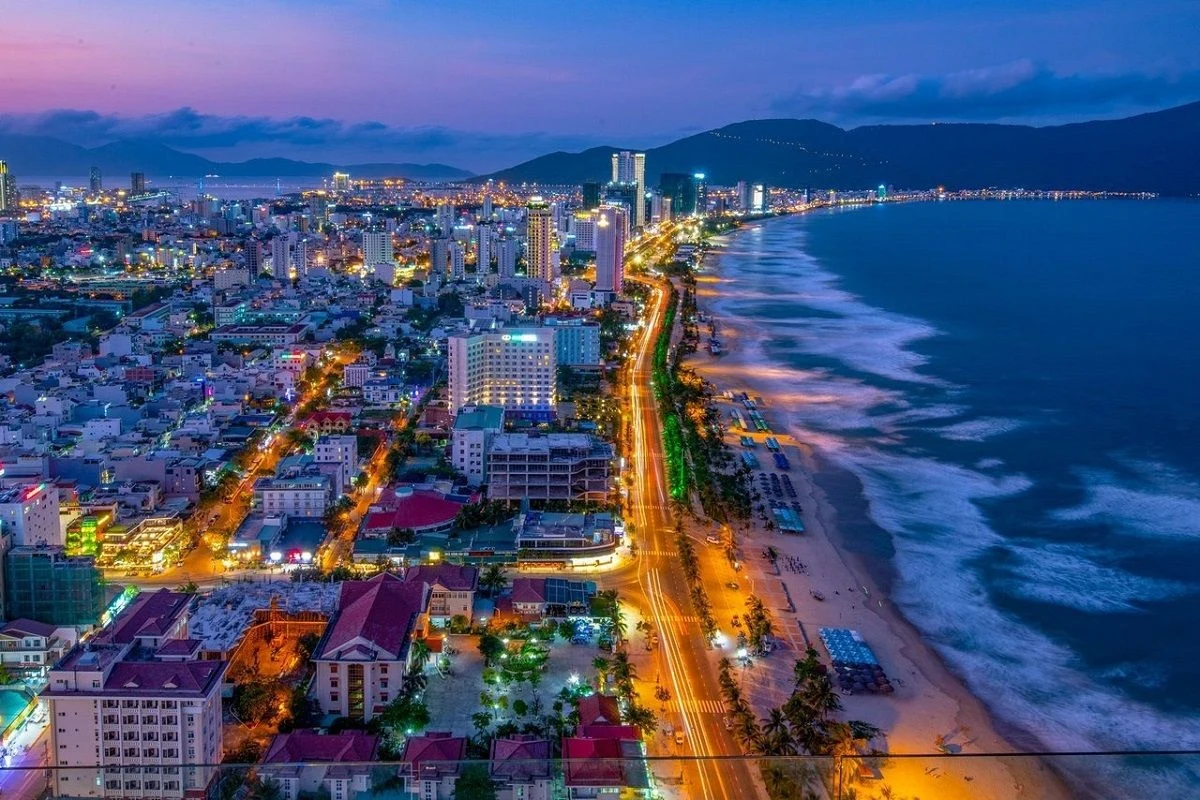
If you’re booking a Vietnam trip for September through December, you’ve probably seen the word “typhoon” in a forum thread and started second-guessing your dates. It’s a fair question - the country runs on three different climate clocks, and a warning for one region can be irrelevant two hours south. Here’s the calendar that actually matters, region by region, plus what to do if a storm lands on your travel week.
The Real Typhoon Calendar
Vietnam doesn’t have one rainy season - it has three climate zones on different clocks. Typhoons form over the Pacific and hit the central and northern coast between September and December, peaking in October-November. Forecasters track these storms days in advance, so warnings never come out of nowhere.

The south - Ho Chi Minh City, Phu Quoc - barely feels this pattern. Those months bring short, heavy downpours there, not typhoon-force wind.
Which Cities Actually Take the Hit
Da Nang and Hoi An sit in the highest-risk zone. Hoi An is especially exposed: the town sits low on the banks of the Thu Bon River, and after heavy rain upstream, the river overflows straight into the Old Town’s narrow streets. In 2009 the flooding rose above head height and boats replaced motorbikes on the main street. Locals don’t evacuate for this - they move furniture upstairs, the same way their families have for generations. The old merchant house Tan Ky still has flood-level marks from past years painted on its wall.
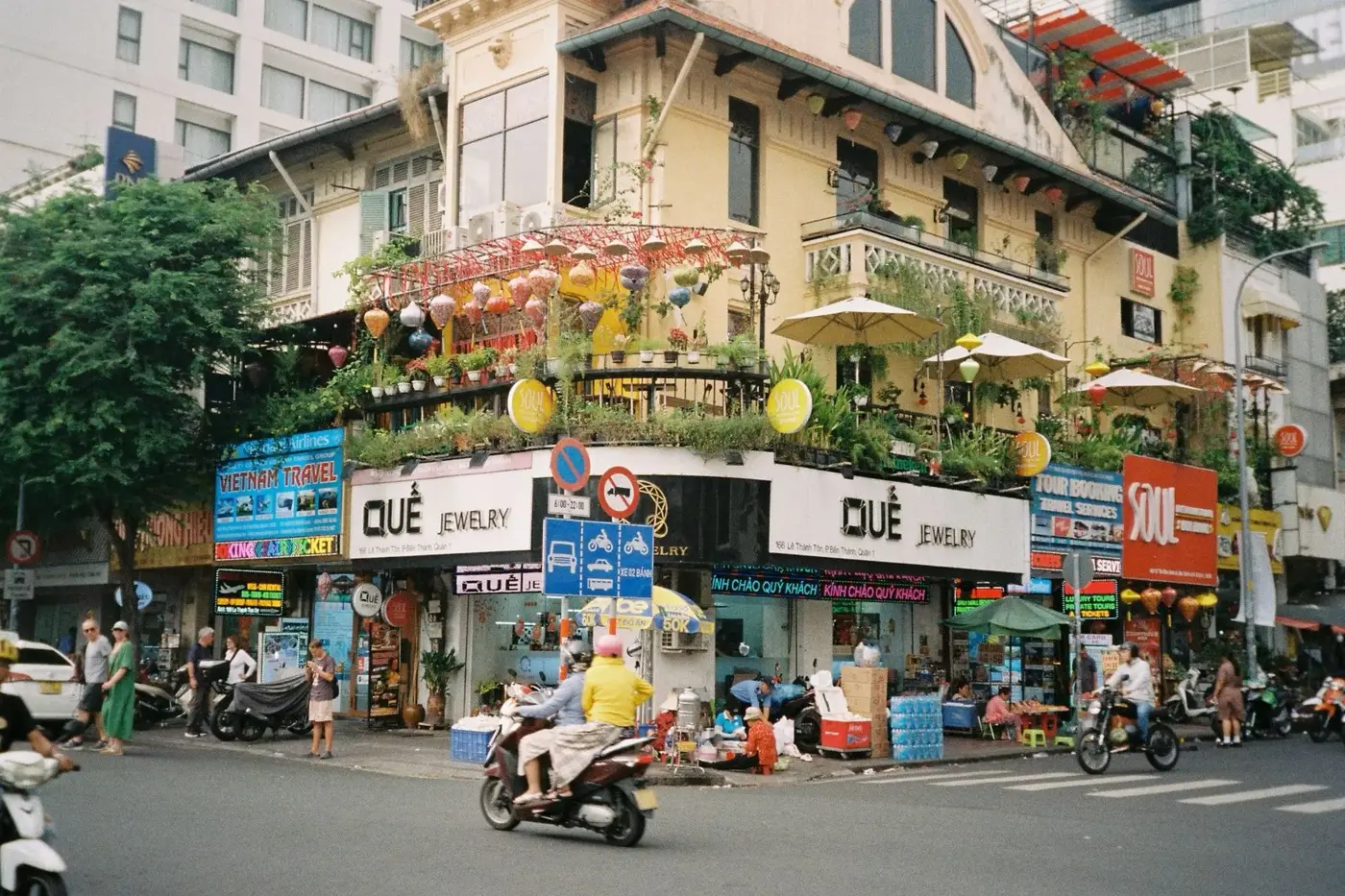
Nha Trang is a middle zone - hit some years, skipped others. Hanoi and the north get a weakened version of the same storm, mostly heavy rain rather than wind damage.
What a Typhoon Day Actually Feels Like
Here’s what nobody tells you until you’ve been through one: a typhoon in Vietnam usually means one or two rough days, not a week of disaster. Hotels stay open. Boat tours, ferries, and some excursions pause for a day or two. Flights into Da Nang or Hue can get delayed or rescheduled. After the storm passes, the sea turns murky for a couple of days - annoying if you planned a beach day, but not dangerous.

Infrastructure recovers fast: power and internet are usually back within hours, roads get cleared within a day or two.
Insurance and Refund Reality
One thing worth checking before you land: most airlines flying into Da Nang or Hue will rebook you free of charge once a typhoon warning is officially declared - you don’t need travel insurance to cover that specific delay. Where insurance actually matters is hotel nights lost to a rescheduled flight and any prepaid tours that don’t offer their own weather refund policy. A guest I helped plan for last October had his Da Nang flight pushed back a full day; the airline moved it at no cost, but it was the hotel’s free-cancellation policy that saved him from paying for a night twice.
Booking Strategy If You’re Traveling in Storm Season
Bottom line: storm season isn’t a reason to skip Vietnam, it’s a reason to choose your region and dates deliberately instead of guessing. If your dates fall in the October-November window and you can’t move them, the smart play is weighting your itinerary toward the south - Phu Quoc, Ho Chi Minh City - and treating Da Nang or Hoi An as short stops rather than the trip’s core. Check the forecast 3-5 days before departure, book refundable flights and hotels where you can, and keep a backup plan for a rescheduled flight.

Here’s the real risk: get this timing wrong and you can lose a non-refundable boat tour, spend a full day stuck in a flooded Old Town street with nowhere dry to walk, or watch a beach day in Da Nang turn into a rainy transfer day you already paid for. That’s exactly the point where a lot of independent travelers end up glued to Windy and local news channels every evening, trying to guess whether a stop needs to move. You can absolutely do that yourself if you enjoy tracking storm systems. I usually take that part off a traveler’s plate - watching the forecast and rearranging the route so rainy days land on transfers and dinners instead of beach time or boat trips. Send me your travel dates on Telegram and I’ll flag which regions are safest that week.
If you’re planning central Vietnam for September through December and don’t want to gamble on forum advice, message me on Telegram with your dates - I’ll tell you which cities are worth the risk that week and which ones to swap out.