
Vietnam has no single travel season, because the country stretches from north to south and the wet and dry months fall at different times in each part. The easiest rule is to start from the month you can travel and pick the region that is dry then: the south from November to May, the centre from February to August, the north in spring and autumn.
Our team lives in Vietnam and has run tours here since 2023. Below we go through the year in the order most travelers plan it, starting in winter. Day-by-day forecasts for any city are published by the national hydrometeorological centre at nchmf.gov.vn .
What does winter look like from December to February?
December is the first month when almost any resort works, especially in its second half: the rains are ending, the south is excellent, the north is dry but cool, and only the centre still has some rain left. In January the south is the safe call, with Mui Ne, Ho Chi Minh City, Phu Quoc, Vung Tau and Con Dao dry and hot, while Nha Trang, Da Nang and Hoi An get better through the month.

February is when the wet season is over at every resort, though the north stays cold and swimming there is out of the question. The capital in particular needs warm layers, and our Hanoi weather guide shows how cold it gets month by month.
Is spring the best time to visit Vietnam?
March and April are the best months for almost any itinerary. Rain is at its minimum across the whole country, the south and centre are not yet too hot, and the north is warm enough to walk around in daytime without a jacket, though nights stay cool. In May the weather is still good everywhere, and the rains only begin in Da Lat, Hanoi and Con Dao, where showers are rare.
If you can pick only one window for a trip that crosses the whole country, take March or April. Our guide to the best time to visit Vietnam adds what that window means for flights and rooms.
Where should we go in June, July and August?
Head for the centre: Nha Trang, Hoi An, Da Nang and Hue are the best beach destinations in summer. Heat and rain arrive in the south and the north, and in July the northern downpours get heavier, with storms in Sapa and Ha Long Bay so strong that excursions are often cancelled.


That is where travelers lose money: a cruise is cancelled while the hotel and transfer are already paid and non-refundable. If your dates fall in this window, we check them against the weather in each region: write which days you have and where you plan to go, and we say which parts fall in a dry window.
In August the centre is still the only sound beach choice, because long downpours reach the southern resorts too, and the sky over the north and south is often covered with heavy clouds. If you tolerate heat badly, skip the big cities, Hanoi and Ho Chi Minh City, in June.
How risky are September, October and November?
September is the wet season at most resorts, though short heavy showers in Nha Trang, Da Nang and Hoi An quickly give way to sun. The north can be dry then, so check the forecast closely before booking a Ha Long cruise.
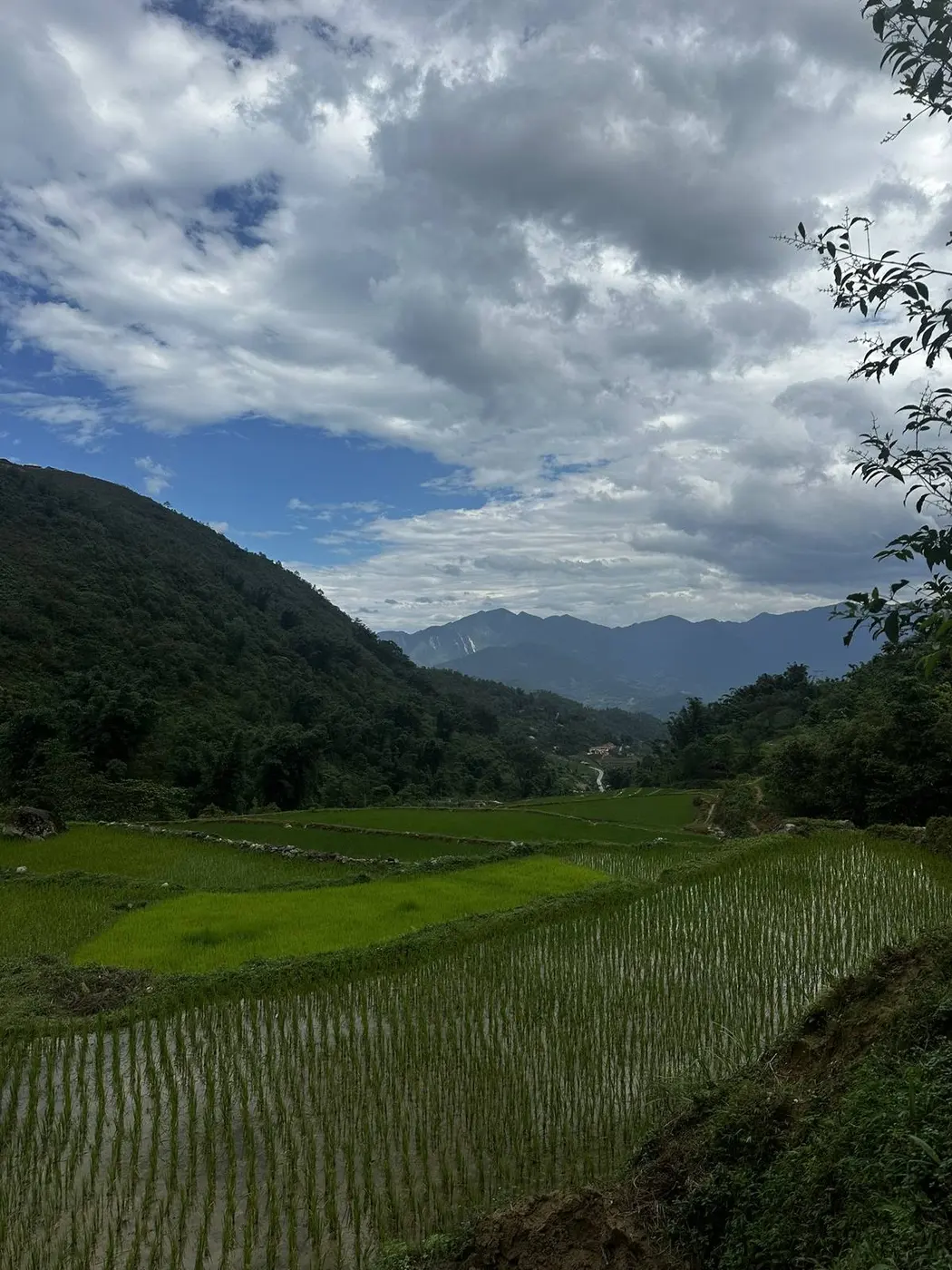
October is one of the worst months for a beach holiday: heavy storms reach the centre, typhoons are possible, and the south is only starting to dry out. The north, though, is at its best for walking in Hanoi, trekking in Sapa and cruising Ha Long Bay, and Cat Ba island is its one popular beach. In November the north and south settle into excellent weather, while the centre carries a high typhoon risk. Our typhoon season guide shows how that risk changes by month. For a route that crosses several regions, see our tour programs and choose the dates before you buy flights.
Which region is best in each month at a glance?
Use this table to match your dates to a region. It shows the general pattern, and a single year can differ.
| Month | North | Centre | South |
|---|---|---|---|
| December | Dry, cool | Leftover rain | Excellent |
| January | Cold, dry | Some rain | Dry, hot |
| February | Cold | Good | Good |
| March | Good | Excellent | Excellent |
| April | Excellent | Excellent | Excellent |
| May | Good | Good | Good |
| June | Hot, rain | Best | Hot, rain starts |
| July | Storms | Best | Heavy rain |
| August | Heavy rain | Best | Long downpours |
| September | Check forecast | Short showers | Rainy |
| October | Excellent | Typhoon risk | Showers |
| November | Excellent | Typhoon risk | Excellent |
What is the simplest way to lock in a date?
Pick the region first, then the date. You can do it yourself: read the forecast, take a free-cancellation rate and leave a spare day in the north. If you would rather hand over the logistics, including storms, rescheduled cruises and non-refundable bookings, tell us your travel dates and we will build the route around the dry windows.
FAQ
How cold does the north get in January?
In Hanoi, Sapa and Ha Long the temperature drops to about 10 degrees in winter and below zero in the Sapa mountains, where it even snows. There is almost no rain, but the cold wind on Ha Long Bay makes boat trips unpleasant, so pack warm clothes.
Can I combine the north and a beach in one October trip?
Yes, with the right choice of beach. The north is excellent in October, and its one popular beach is Cat Ba island, while in the south you can swim between sudden showers. The centre is the part to leave out because of typhoons.
What should I pack for a trip across the whole country in winter?
Layers. The south is dry and hot in January, while the north drops to about 10 degrees, so bring swimwear and a warm jacket. Mid-December onward, the centre may still have some rain, so a light rain jacket helps there.