
The six mistakes that get first-time visitors into real trouble in Vietnam are: losing your temper with locals, eating street food without checking it first, underestimating central Vietnam’s spice level, arguing with police on the spot, ignoring Vietnam’s drug laws, and skipping sun protection. I’ve guided small groups across Vietnam with Samurai Tour since 2023, and every single one of these has cost a traveler on one of my trips a ruined afternoon, a hospital visit, or worse. If you’d rather skip the trial and error entirely, our team can build your whole Vietnam itinerary around avoiding this stuff. More on that below.
Why shouldn’t you argue with locals in Vietnam?
Raising your voice at someone in Vietnam usually backfires. Vietnamese culture places heavy weight on “face” (thể diện): public criticism or visible anger causes both sides to lose face, which shuts down problem-solving instead of opening it. Confront a vendor, driver, or hotel staff aggressively, and you’ll typically get stonewalled or watch a small issue escalate instead of resolve.
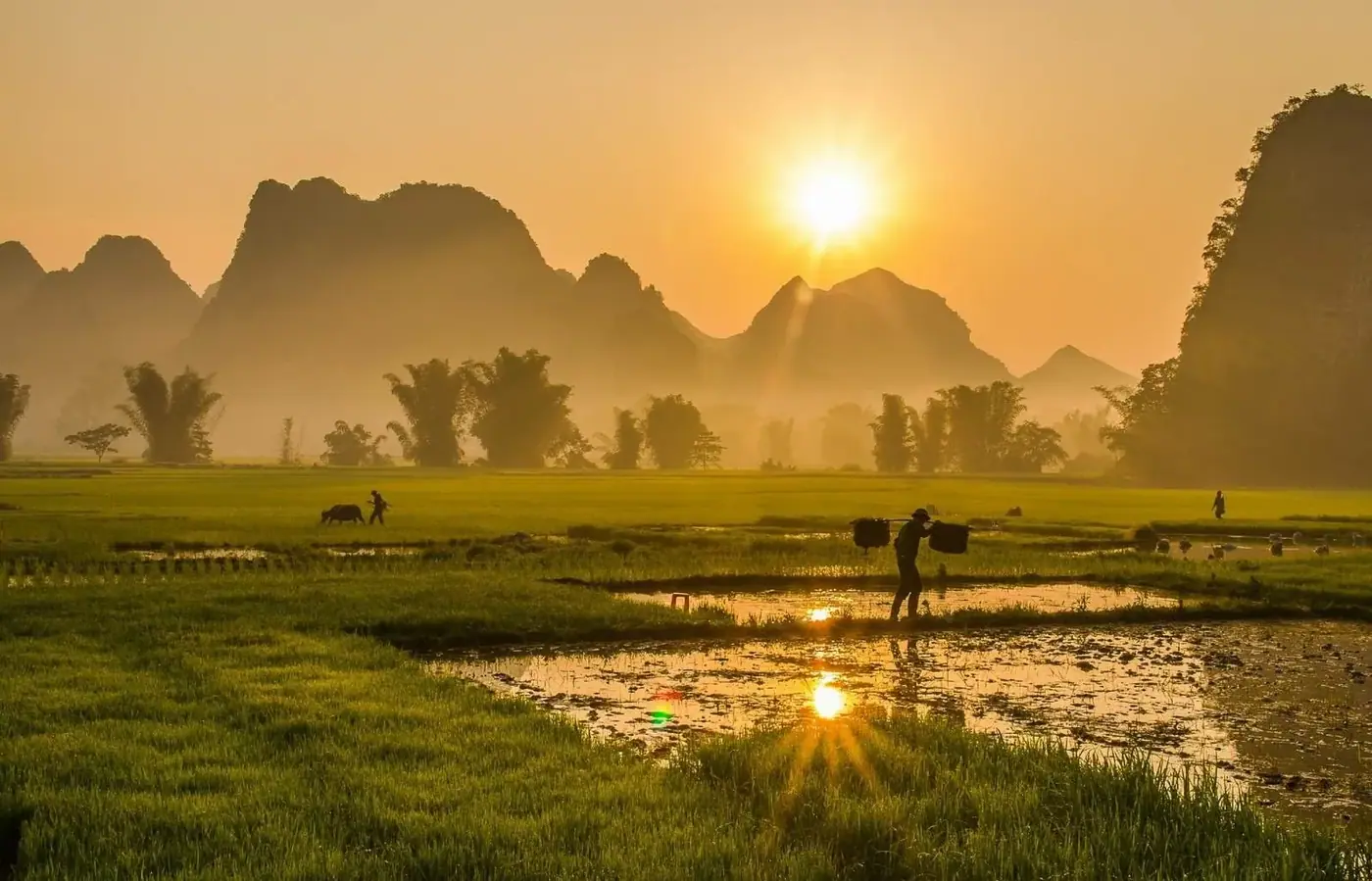
I’ve watched this play out from both sides more times than I can count. Show up annoyed and confrontational over a mixed-up order or a price disagreement, and the person across the counter mirrors it right back. The conversation stalls, and nobody wins. Show up smiling, even mid-disagreement, and the energy flips fast: people go out of their way to fix things. It’s not about being a pushover. It’s about staying calm enough that the other person can actually help you instead of defend against you.
Is street food safe to eat in Vietnam?
Yes, generally, if you follow one heuristic: eat where the locals are eating right now. High-turnover stalls with a constant line of Vietnamese customers cook food fresh and hot, which predicts safety far better than how clean a stall looks. The CDC’s general travel-health guidance still applies here: skip raw or undercooked meat and seafood, and be cautious with unpeeled raw produce from a stall you don’t trust yet.

Knowing which stalls are safe and which routes actually work is the kind of local read that takes months to build, and it’s where I usually get involved. I map the routes we run around the places worth your time — the food included — so you skip the tourist misses. Message me on Telegram with your dates and I’ll lay it out.
How spicy is Vietnamese food really?
Vietnamese food spice varies enormously by region, and first-timers consistently underestimate it. Central Vietnam, especially Hue, is the country’s spiciest region. Dishes like bún bò Huế lean on enough bird’s eye chili (ớt hiểm) to catch people off guard. Northern food around Hanoi runs noticeably milder, and southern food around Ho Chi Minh City leans sweeter than spicy.
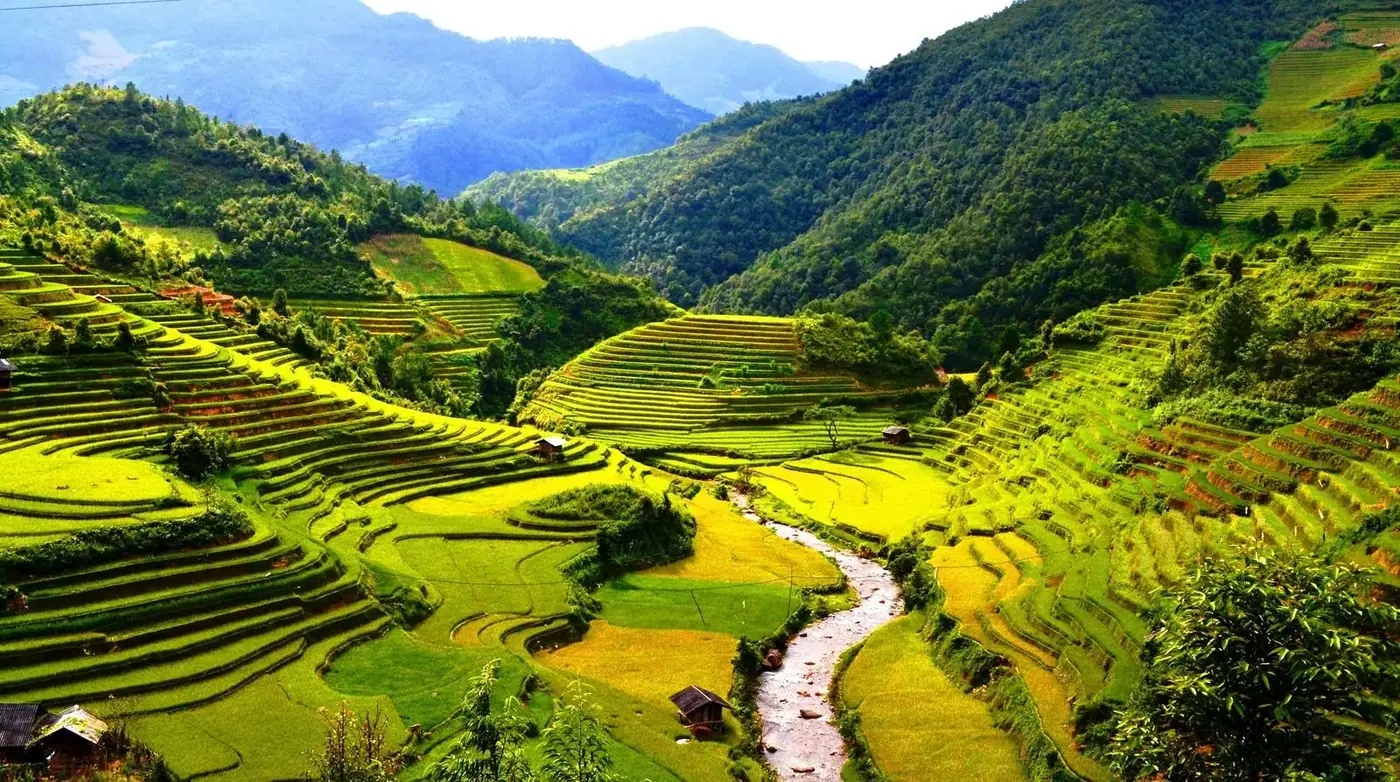
Bird’s eye chili turns up in dipping sauces almost everywhere, and estimates put it anywhere from roughly 50,000 to over 200,000 Scoville units, several times hotter than a jalapeño, which sits around 2,500-8,000. My rule for first-timers: order a dish without added chili and taste the side sauce before you commit to mixing it in. Nobody enjoys the rest of their meal in tears.
What should you do if Vietnamese police stop you?
Stay calm, be polite, and don’t argue on the spot. Foreigners are generally expected to carry a passport or a photo of it at all times in Vietnam, and not having ID on you is the fastest way to turn a routine stop into a long one.
If an officer mentions an on-the-spot cash fine that feels off, the standard advice is to politely ask to handle it at the station instead of paying cash on the street.
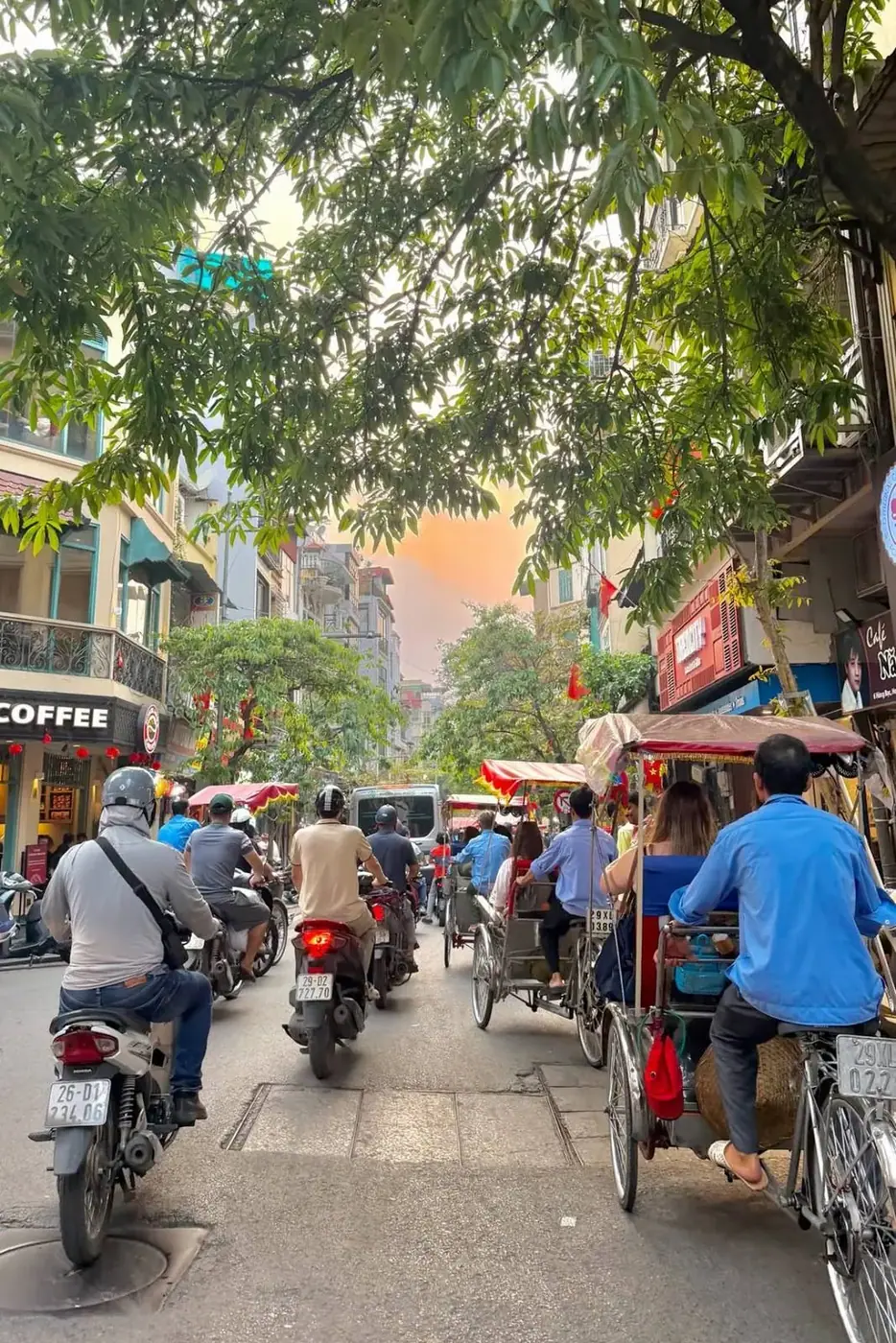
Here’s the sequence that tends to keep a police stop short:
- Stay calm and keep your tone friendly. The same “don’t escalate” logic from dealing with locals applies here, just with higher stakes.
- Show your passport, or a photo or copy of it, as soon as it’s asked for.
- If a fine is mentioned, politely ask for an official receipt or to settle it at the station rather than in cash on the street.
- Call your embassy, or if you’re traveling with a guide or tour operator, call them; a local contact usually resolves this faster than you can alone.
How strict are Vietnam’s drug laws in 2026?
Very strict, though the penalty structure changed in 2025. Vietnam’s National Assembly voted to abolish the death penalty for drug trafficking in July 2025, so the older rule no longer applies: trafficking 100g or more of heroin, cocaine, or methamphetamine under the 2015 Penal Code used to be a capital offense. The maximum penalty for large-scale trafficking is now life imprisonment.
Personal possession and drug use are still treated far more harshly here than in most of Europe or North America. Even small amounts can mean years in prison, and a positive drug test (even from use before you entered the country) can trigger criminal charges. If you’d casually take an edible at a party back home, don’t bring that habit to Vietnam.
Why shouldn’t you skip sun protection in Vietnam?
Central and southern Vietnam regularly hit “very high” to “extreme” on the WHO’s UV index scale between April and August. Recorded midday readings include roughly 9.8 in Da Nang , 8.5 in Ho Chi Minh City, and 8.4 in Nha Trang, with peaks reported above that. At those levels, unprotected skin can burn in as little as 15-25 minutes.

I see this mistake constantly on multi-day tours. Someone skips sunscreen on a boat day or a bike ride because it’s overcast, and by evening they’re in real pain, asking where the nearest pharmacy is. Reef-safe sunscreen, a hat, and a long-sleeve rash guard for water days aren’t optional here. They’re the difference between enjoying day three of your trip and spending it indoors. It’s one more reason I build sun protection into the packing list for every group on our Vietnam tours , instead of leaving it for people to figure out on day one.
Frequently asked questions
Do you have to carry your passport at all times in Vietnam?
You’re generally expected to have your passport or a photo/copy of it on you. Not carrying it is one of the fastest ways to turn a routine police interaction into a long one.
What happens if you get caught with drugs in Vietnam in 2026?
Vietnam abolished the death penalty for drug trafficking in July 2025, so the maximum penalty is now life imprisonment for large-scale trafficking. Personal possession and use are still treated as serious criminal offenses, even for small amounts.
Is tap water safe to drink in Vietnam?
No. Stick to bottled or filtered water. Factory-made “tube ice” (đá cây) used in most restaurants and cafés is generally considered safe, but drinking tap water directly is not recommended.
What’s considered rude in Vietnamese culture?
Public confrontation and visible anger are the biggest ones. Vietnamese culture places real weight on not causing someone to “lose face” in public, so aggressive complaints tend to backfire compared to calm, friendly problem-solving.
Which region of Vietnam has the spiciest food?
Central Vietnam, especially Hue, is widely considered the spiciest region, with dishes like bún bò Huế using generous amounts of bird’s eye chili. Northern food is milder, and southern food is sweeter.
What should I do if a police officer asks for cash on the spot in Vietnam?
Stay calm and polite, and ask to settle it officially at the station rather than paying cash on the street. If you’re on a tour, call your guide or operator, who can usually resolve it faster.
Six mistakes, six easy fixes: stay calm, check things before diving in, and don’t assume Vietnam works the way home does. If you want someone who’s already made these mistakes for you to build your route, message us on Telegram @vietnam_samurai . The chat opens pre-filled with “I came from your website,” and we’ll take it from there.