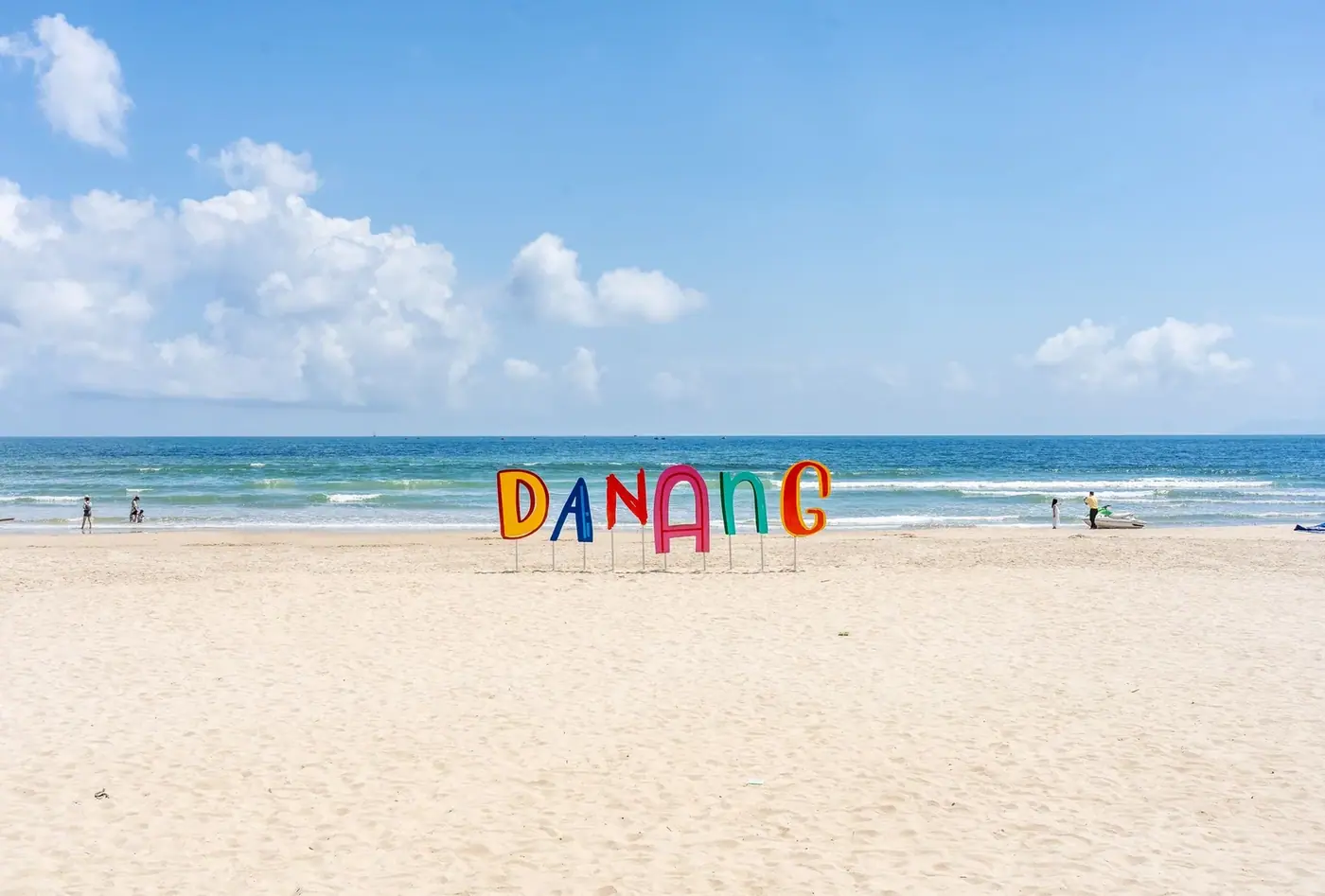
In August, choosing between Vietnam and Thailand isn’t just about preference — it’s about the weather map. One wrong call and you spend half your trip watching it pour. Short answer: Vietnam’s coast (Nha Trang, Da Nang) is in peak season in August. Thailand’s reliable picks are Ko Samui and Pattaya. Everything else is a gamble you need to understand before you book.
August Weather: Where You Won’t Get Rained Out
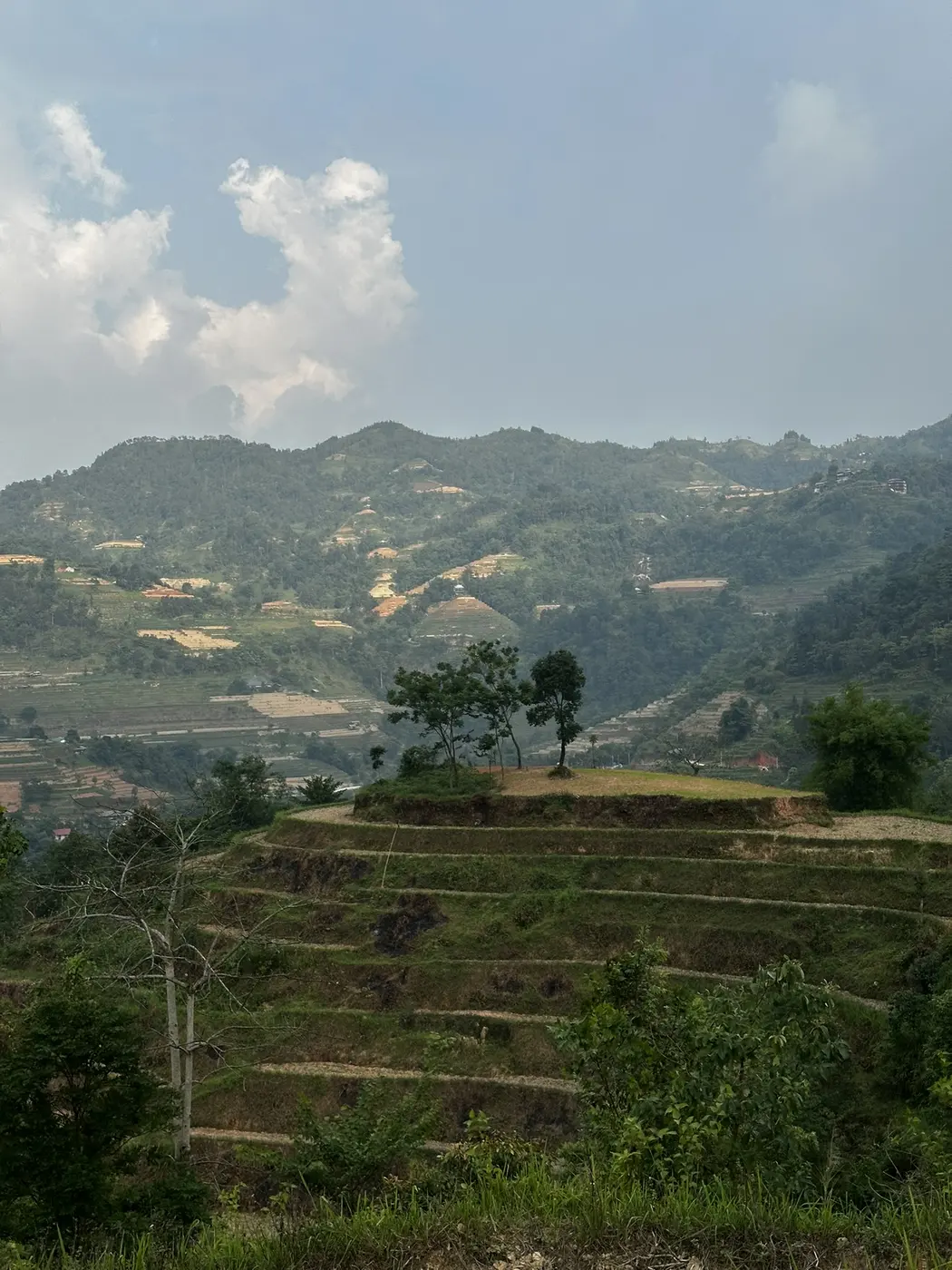
August sits in rainy season for most of Thailand’s famous beaches. Phuket, Krabi, Ko Phi Phi, Koh Lanta — all dealing with the southwest monsoon. Afternoon showers, sometimes big waves, occasional red flags on the beach. That doesn’t make them impossible to visit, but you need to know what you’re walking into.

The exceptions on the Thai side: Ko Samui and the Gulf coast are sheltered from the southwest monsoon by the Thai peninsula itself. August is actually a decent time to visit Samui — calmer seas compared to the Andaman side, fewer crowds than peak winter season.
On the Vietnamese side, Nha Trang and Da Nang are in their prime months from March through August. Clear skies most days, warm water, the beach infrastructure fully running. The flip side: Phu Quoc and Mui Ne in August are in their own rainy period — skip them, and if you’re weighing other months, when the rainy season hits each region breaks down the timing city by city.
The Best August Resorts to Book
Thailand:
Ko Samui is the safest call. Reliable weather, good beach access on the east coast, plenty of restaurants and day trips to nearby islands. If you want classic resort Thailand in August, this is it.
Pattaya is less glamorous but practical — developed infrastructure, calm water, easy access from Bangkok.
Phuket in August is possible if you pick carefully. East-facing beaches (Cape Panwa, Mai Khao area) stay calmer than the west coast during monsoon. One colleague spent two weeks at Cape Panwa last summer for roughly half the usual winter-season price and had no weather complaints. The catch: the famous west-coast beaches (Patong, Karon, Kata) will have waves and warning flags.
Vietnam:
Nha Trang is reliable, affordable, and well-connected. The hotel scene is surprisingly affordable for the quality — beachfront 5-star properties from $30–50/night. Good central location for day trips to nearby islands and Ba Ho waterfalls.
Da Nang is my personal preference for August. Wider beach, fewer tourists than Nha Trang, and it’s a 40-minute drive from Hoi An — one of the best-preserved trading towns in Southeast Asia. The beach itself (My Khe) is clean, long, and has warm water through the entire month.
Avoid in August: Mui Ne and Phu Quoc (Vietnam); Phuket west coast, Krabi, Koh Lanta (Thailand).
Prices in August 2026: What to Budget
Flights from Europe or Russia run roughly comparable costs to both countries with layovers. From Moscow, round trips with a connection run from $500–600 per person to either destination. Direct flights to Vietnam are slightly more expensive.
Where Vietnam wins on price:
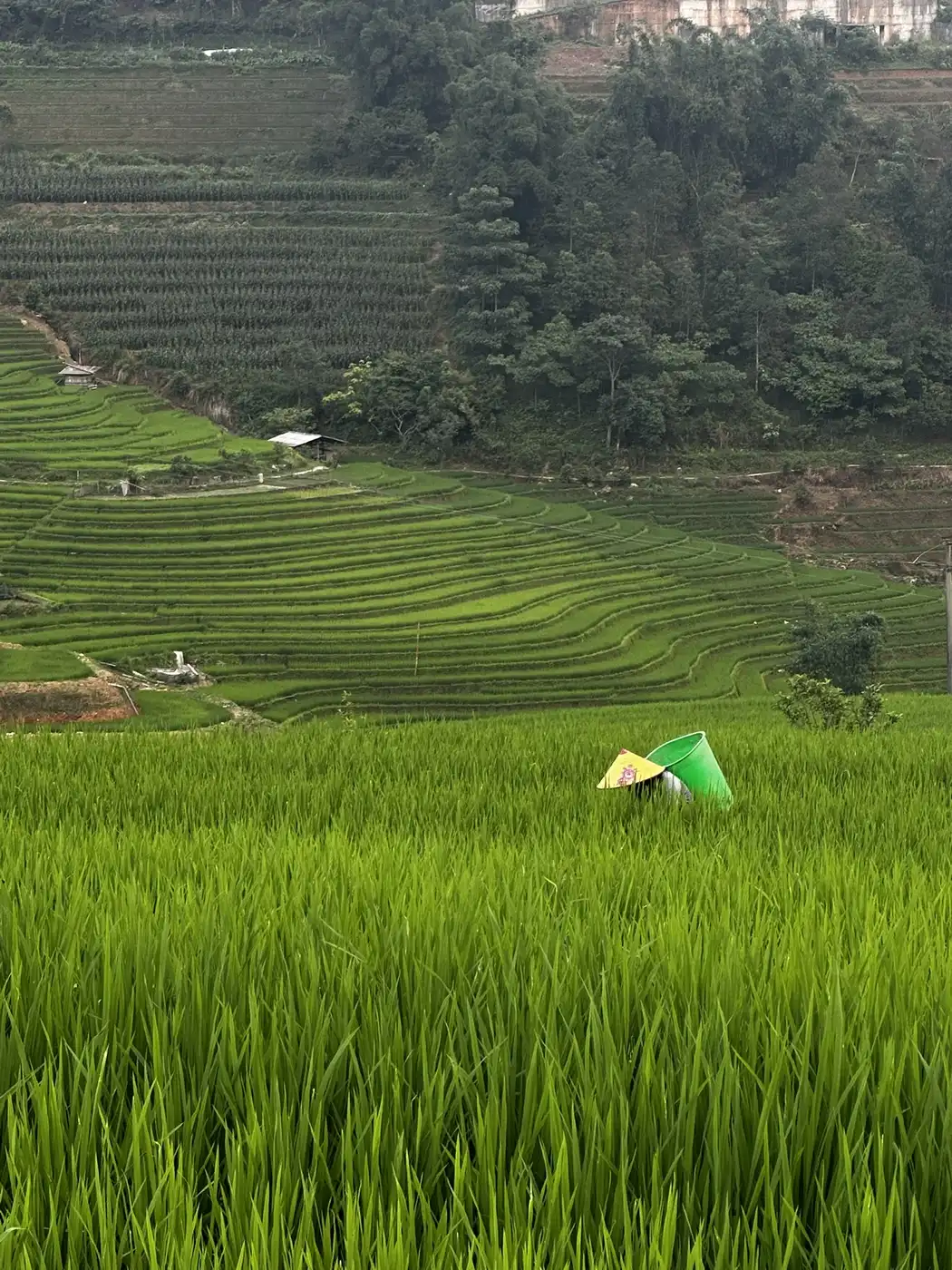
Hotels are consistently cheaper. A solid 5-star in Nha Trang runs $30–50/night. Equivalent quality in Thailand costs $60–90 in low season, $120+ in peak. The math strongly favors Vietnam for accommodation.
Food costs roughly the same — around $10/day per person covers eating well across cafés and local spots. Vietnam edges out slightly cheaper, especially on seafood (oysters: $3 a plate) and beer ($1 vs $3 in Thailand).
Where Thailand has a seasonal edge:
August is low season for Phuket and Krabi, meaning prices drop 40–50% from peak. If you’re willing to take some weather risk and Thai beaches are the priority, this is actually the time to get deals on resorts that would normally cost twice as much.
Beaches: Which Country Wins in Summer
Objectively, Thai beaches win on water clarity and sand quality. The Gulf islands around Samui are clean, well-maintained, and the infrastructure makes beach life easy.
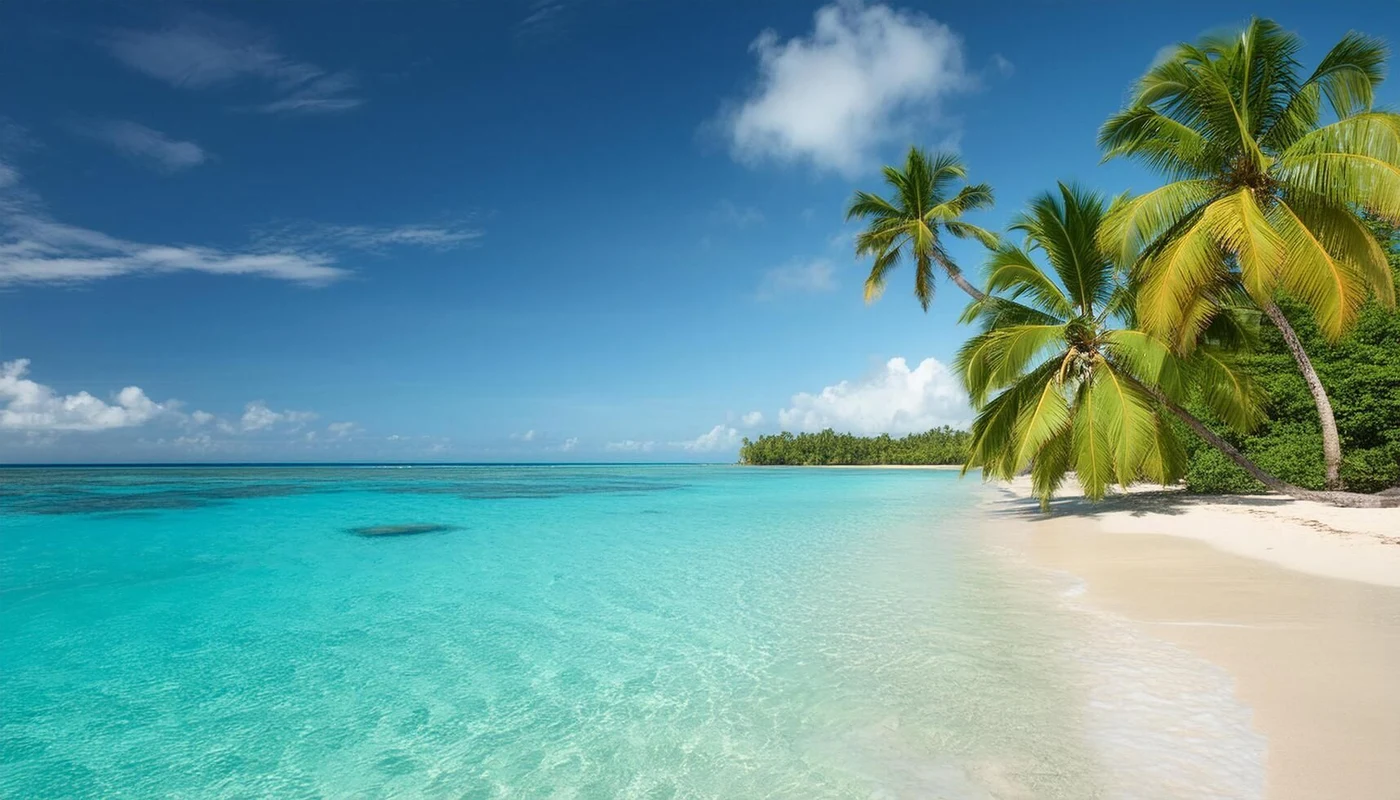
In August specifically, Ko Samui’s east coast beaches are the best you can reliably get without weather gambling — calm water, decent visibility, sheltered from the monsoon.
Vietnam’s Nha Trang delivers a solid beach experience — a long arc of sand, warm water, a busy promenade with restaurants and activity kiosks. Not postcard-perfect, but comfortable and consistent. Da Nang’s My Khe beach is longer and quieter, and the water quality is good throughout August.
If you came for the “paradise island” photo — Samui. If you want a beach that works reliably alongside actual cultural travel — Da Nang or Nha Trang.
My Take: Who Should Go Where
Go to Nha Trang or Da Nang (Vietnam) in August if you want reliable weather, lower prices across the board, real food culture, and you’re fine without pristine white-sand beaches.
Go to Ko Samui (Thailand) in August if beach quality is the priority and you want that classic resort feel without weather risk.
Go to Phuket in August only if you’ve done your research on beach location, you’re staying on the east or north side of the island, and the significantly lower prices justify the trade-off.
Planning a Vietnam trip and want a concrete itinerary? My team at vietnam-tour-guide.com runs custom tours built around what you actually want to do — not a packaged-bus version of Vietnam. Or message me directly on Telegram @vietnam_samurai — I’ll come back within a day with a real plan.