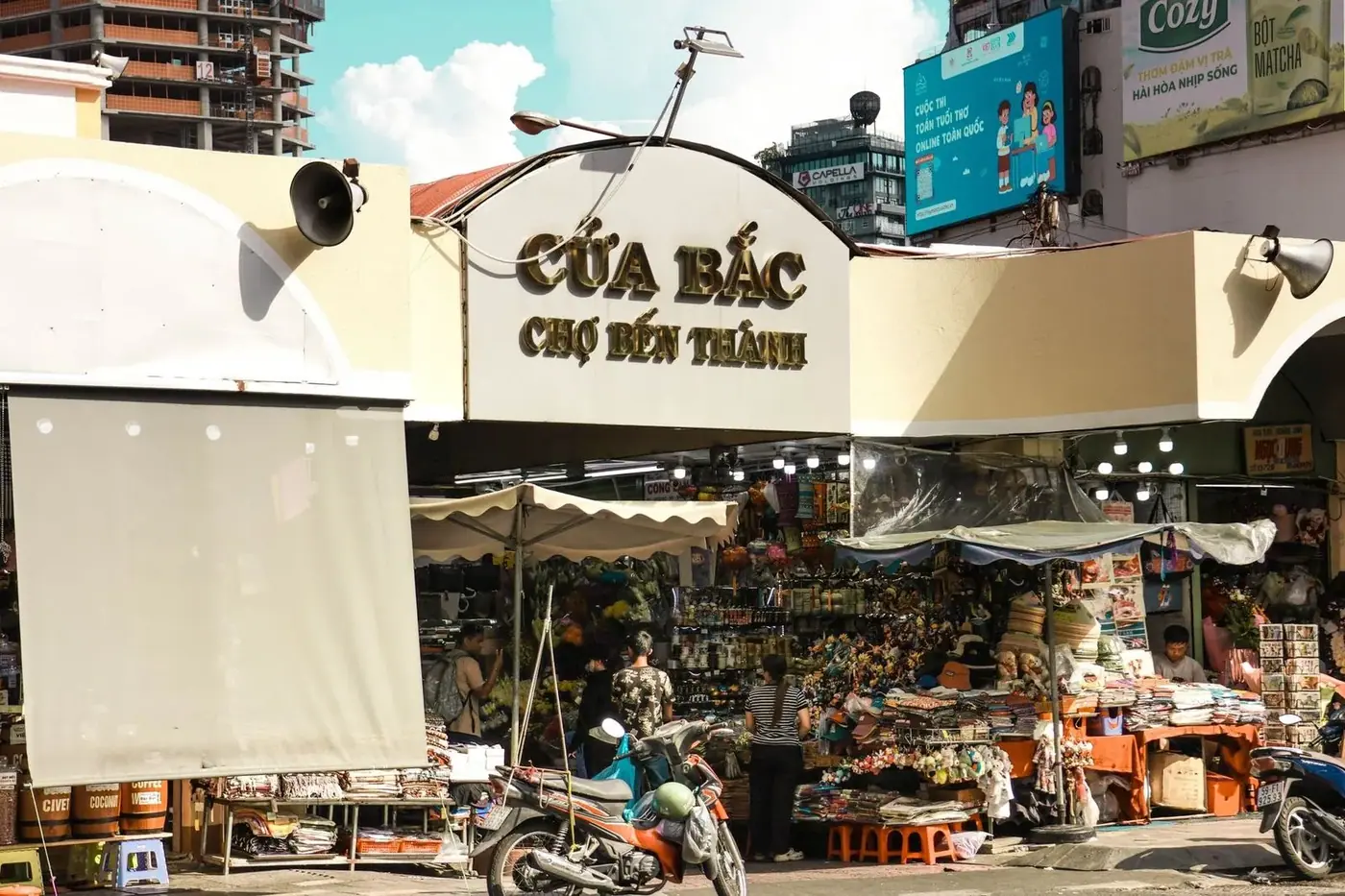
A ceramic mug at a local market in Vietnam costs around $1-2, the same mug in a hotel gift shop runs $6-8, and at the airport it’s usually $10 or more. That gap holds for most souvenirs here - coffee, hats, leather goods - and knowing which category to buy where can save a traveler $30-50 across a single shopping trip.
What should you actually buy in Vietnam?
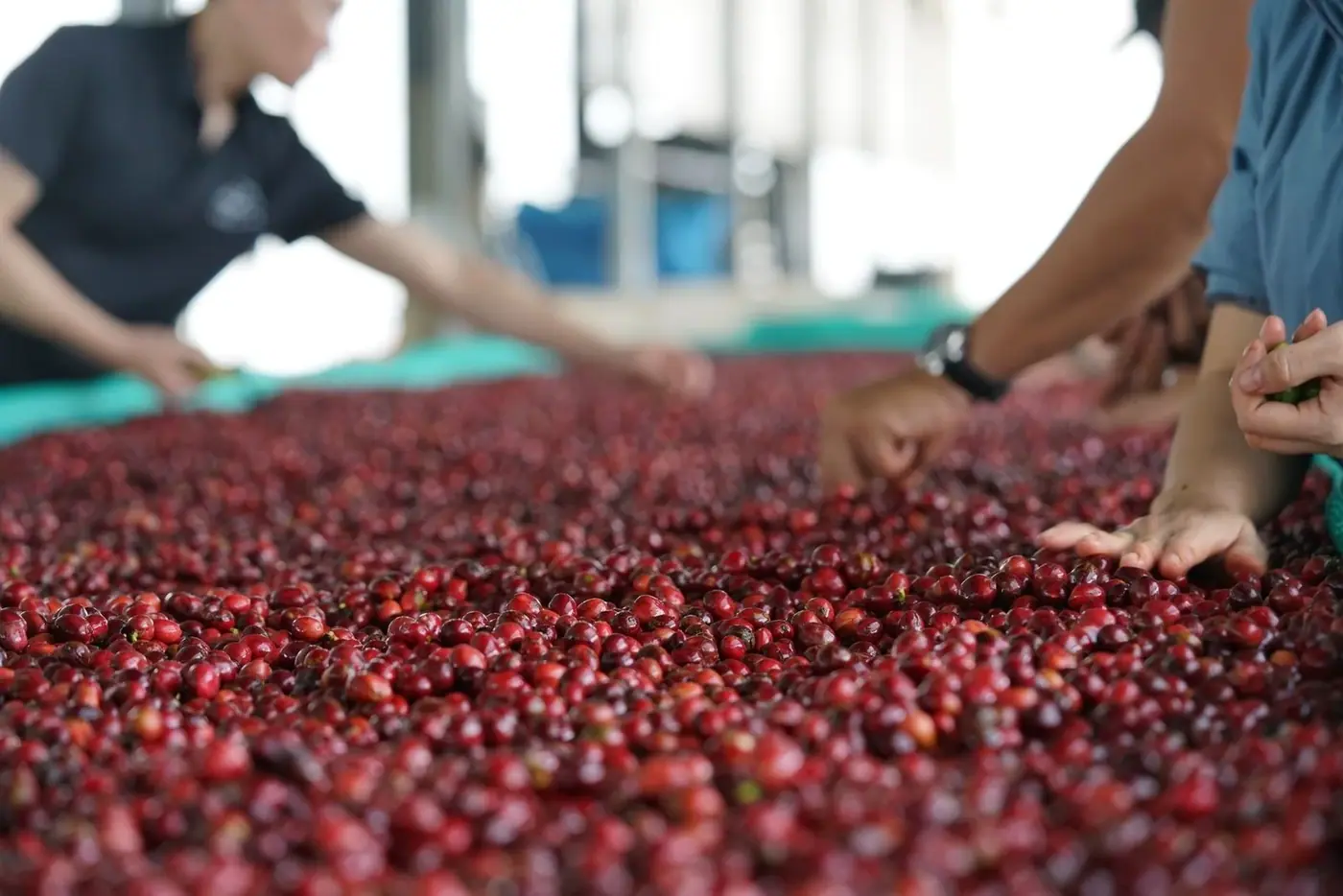
Coffee, a conical non la hat, woven bags, lacquerware, and leather goods top the list for most visitors. Vietnam is one of the world’s top five coffee producers, mostly arabica and robusta, and brands like Con Soc, Me Trang, and Trang Nguyen sell in regular supermarkets at a fixed price - no haggling needed. That’s the category where supermarkets genuinely beat the market: bargaining over a $3 coffee bag rarely saves more than a dollar.
Is market coffee worth the hassle, or should you skip it?
Skip the market for coffee unless you’re after something specific like dried lotus tea or jasmine green tea from the Thai Nguyen region, which markets sell loose and cheap. The one coffee trap worth knowing: real kopi luwak, made from beans that passed through a civet, starts at roughly $25-30 for 100 grams. Vendors selling “luwak” for a few dollars a bag are selling regular coffee under the name - walk away.
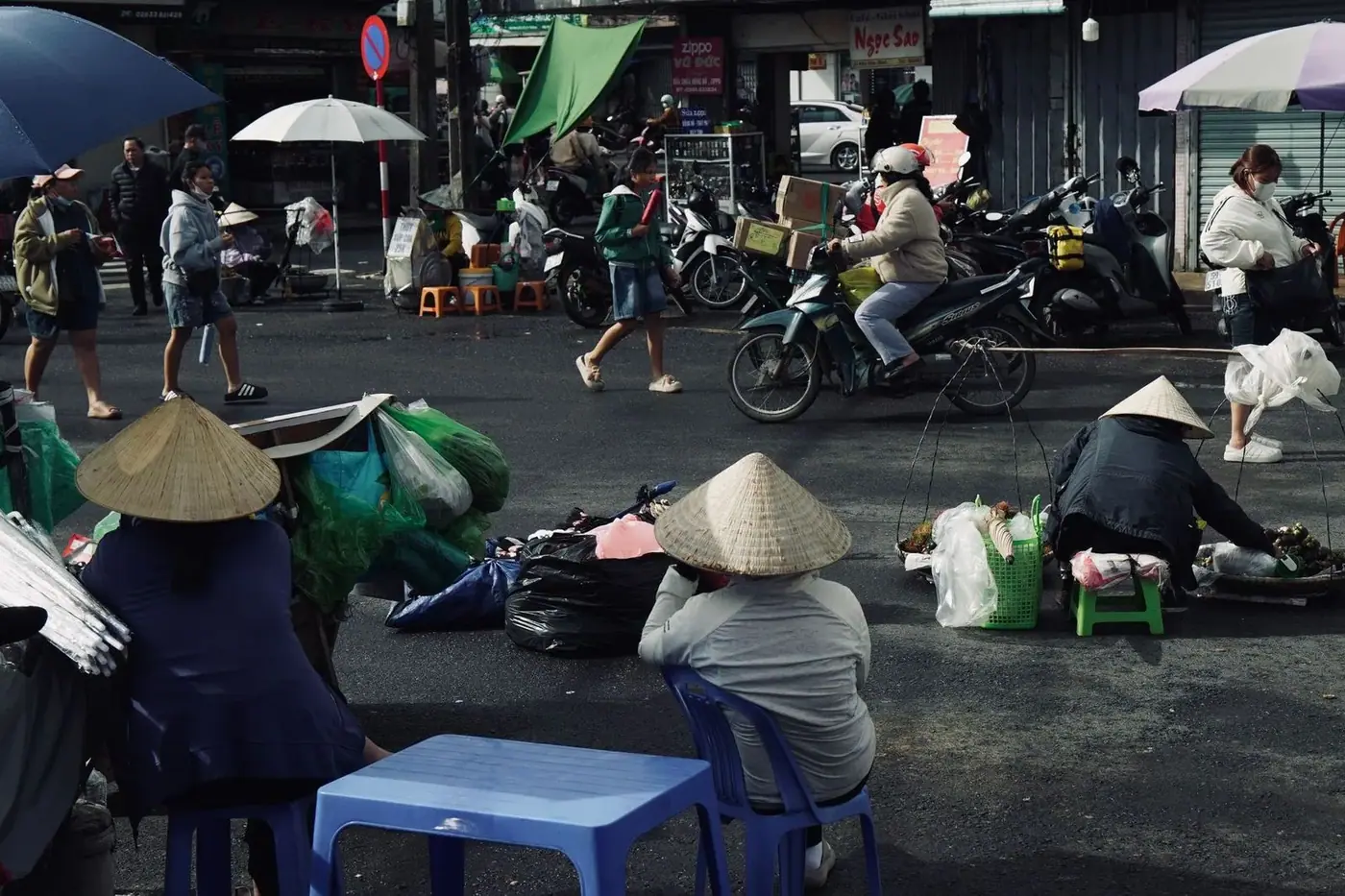
Where do market prices beat everything else?
Woven and leather goods are the clearest case for the market. A handmade non la hat starts around $3, woven bags and bamboo jewelry run a few dollars each, and hand-thrown ceramics from villages like Thanh Ha near Hoi An start at $1.50. Bargaining is expected and usually shaves 10-20% off the first price offered - vendors rarely push back hard, and a friendly tone gets the discount faster than a hard negotiation.
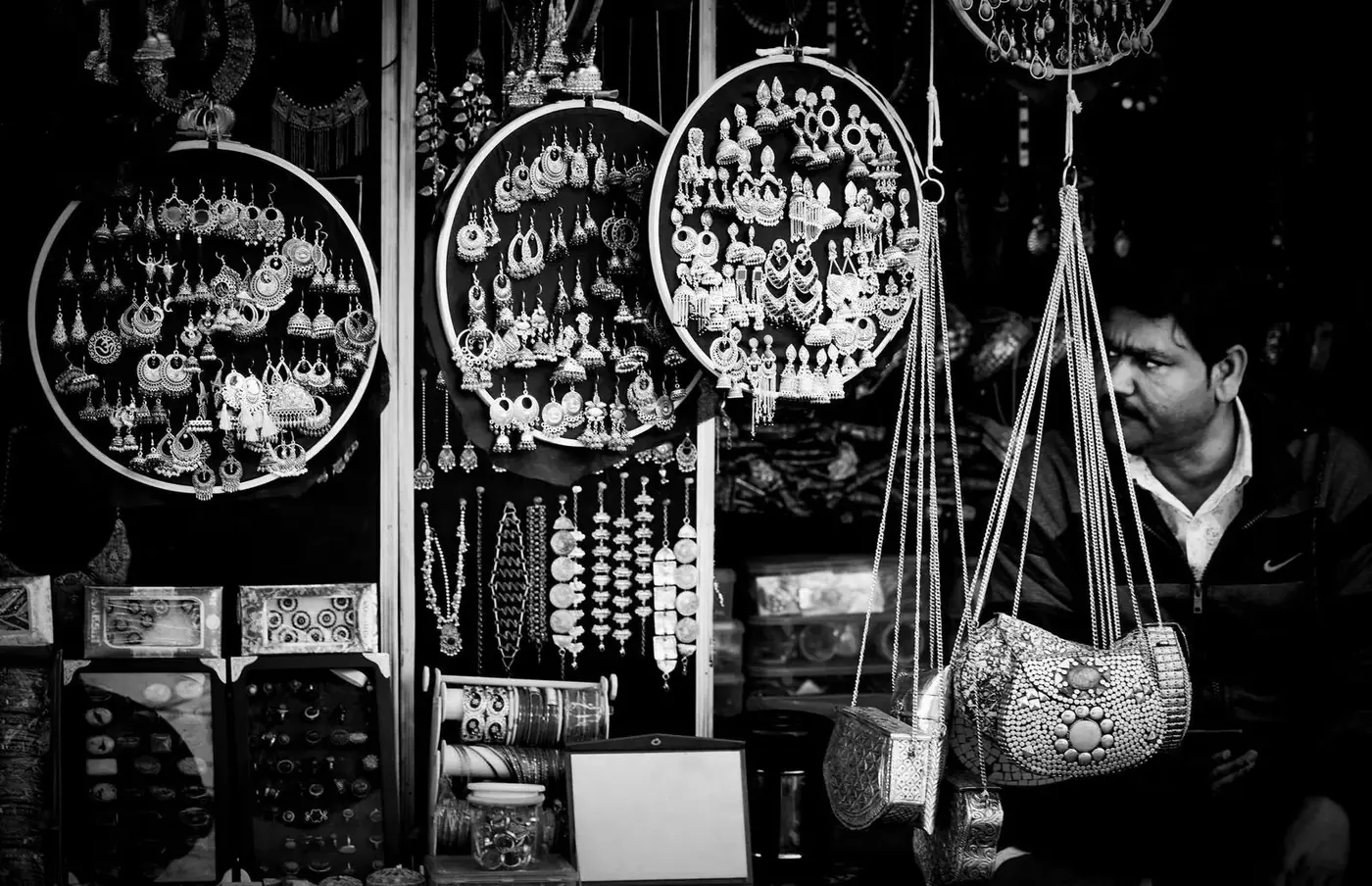
When should you buy from a certified shop instead of a stall?
Leather goods made from python, ostrich, or crocodile skin, silver jewelry, and pearls are the three categories where a certificate matters more than the price tag. Buy leather and silver from a specialty shop that issues a certificate - customs can flag uncertified animal-skin items or unverified silver on the way out. For pearls, the Long Beach Pearl chain keeps consistent quality nationwide, and Nha Trang and Phu Quoc both have working pearl farms you can tour before buying. Market pearls exist too, but there’s no way to verify authenticity on the spot.
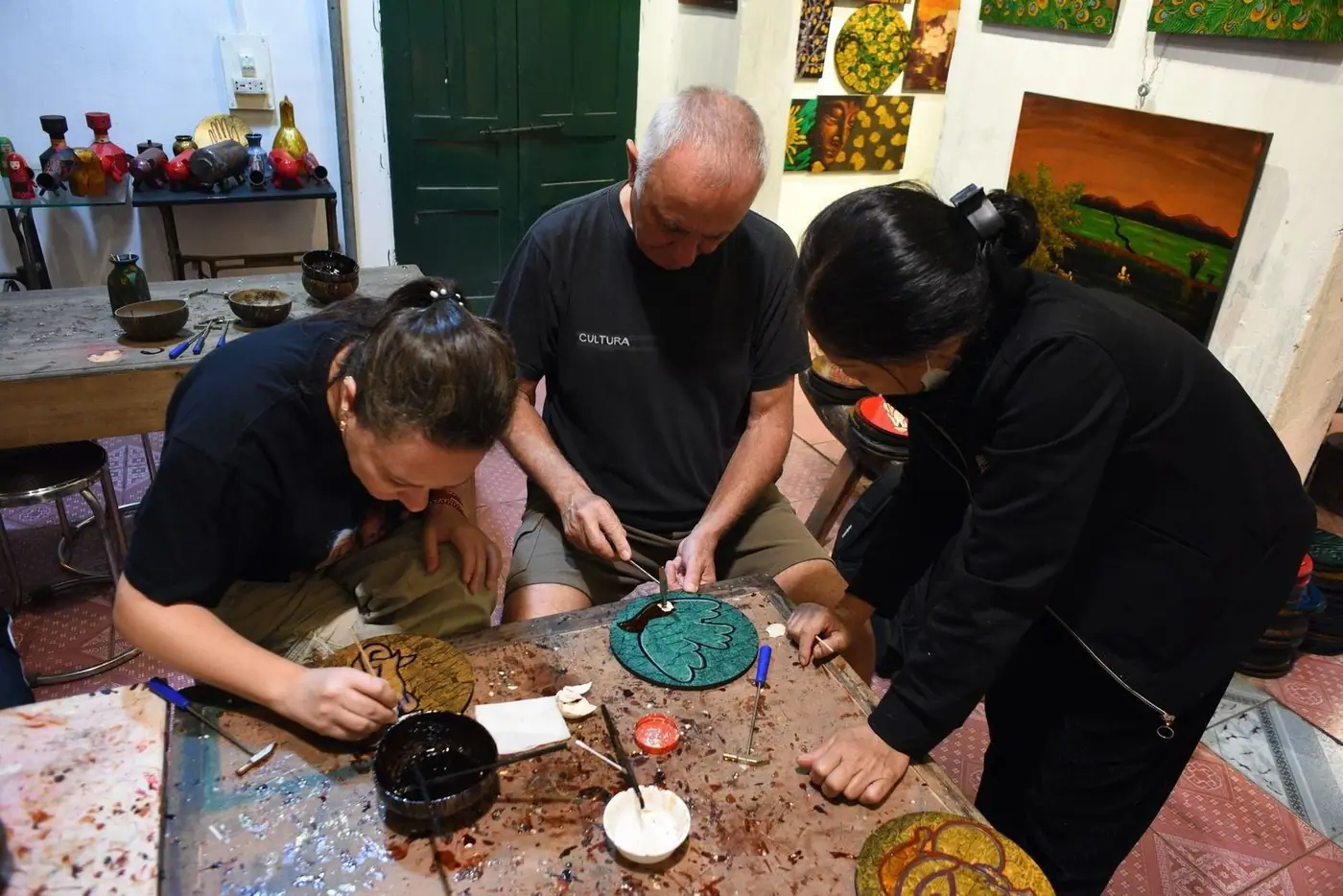
Market, supermarket, or airport: what’s the real price difference?
The same five items cost roughly three to five times more at the airport than at a market stall a short walk from your hotel. Here’s how the three venues actually compare, item by item.
| Item | Market | Supermarket | Airport |
|---|---|---|---|
| Ceramic mug | $1-2 | rarely sold | $8-10 |
| Coffee (250g bag, named brand) | $3-4 (haggle) | $3 (fixed) | $6-8 |
| Non la hat | $3 | not sold | $10+ |
| Silk scarf | $4-6 | not sold | $12-15 |
| Snake-venom balm (Cobratoxan) | $2-3 | $2-3 (pharmacy) | $6+ |
The pattern holds across nearly every category: airport shops add a convenience markup because travelers are buying in the last hour before a flight, with no time to compare. If a souvenir run fits into your schedule, doing it a day or two before departure - not at the gate - is worth $20-40 in savings on a typical gift list.
What should you skip buying at the airport, and what’s worth grabbing there anyway?
Skip coffee, hats, silk, and anything sold cheaper at a market just minutes from your hotel — the airport markup on those items runs $5-10 per piece with nothing extra to show for it. The one thing worth grabbing at the airport is anything you forgot; a last-minute gift at double the price still beats going home empty-handed.
Bottom line: market first, airport as backup only
The real risk on a souvenir run isn’t getting scammed, it’s running out of time and ending up at the airport gate paying triple because there was no other option left. On a recent custom-built trip I put together for a group, we planned the souvenir stop into the first afternoon at a village market instead of the last day at the airport - the same ceramics, a fifth of the price, and everyone actually had time to pick something they liked. If you’re planning your own route through Vietnam, our multi-day tours build in stops like this instead of leaving shopping to the last rushed hour - message me on Telegram and I’ll fit it into your dates: @vietnam_samurai .