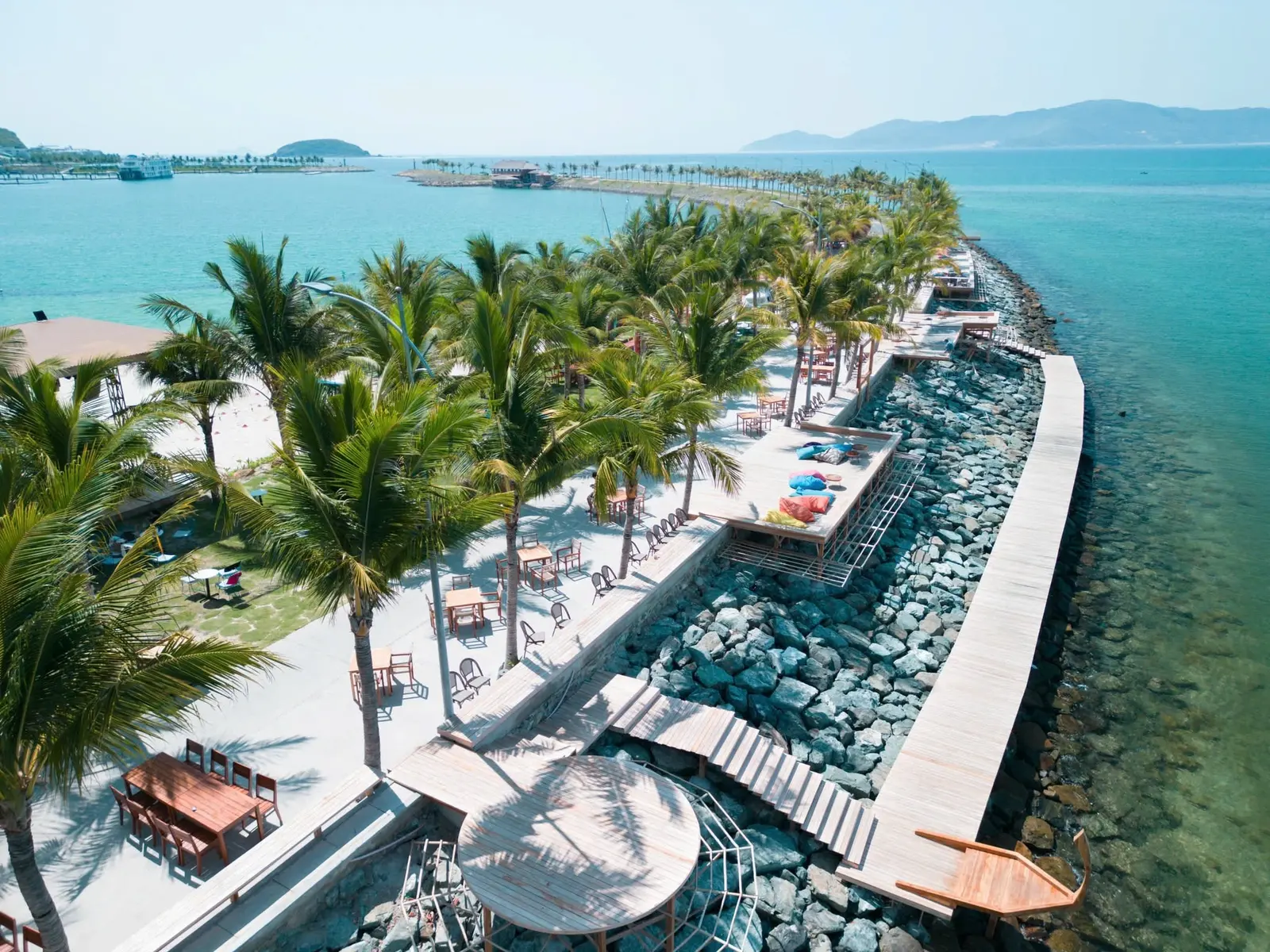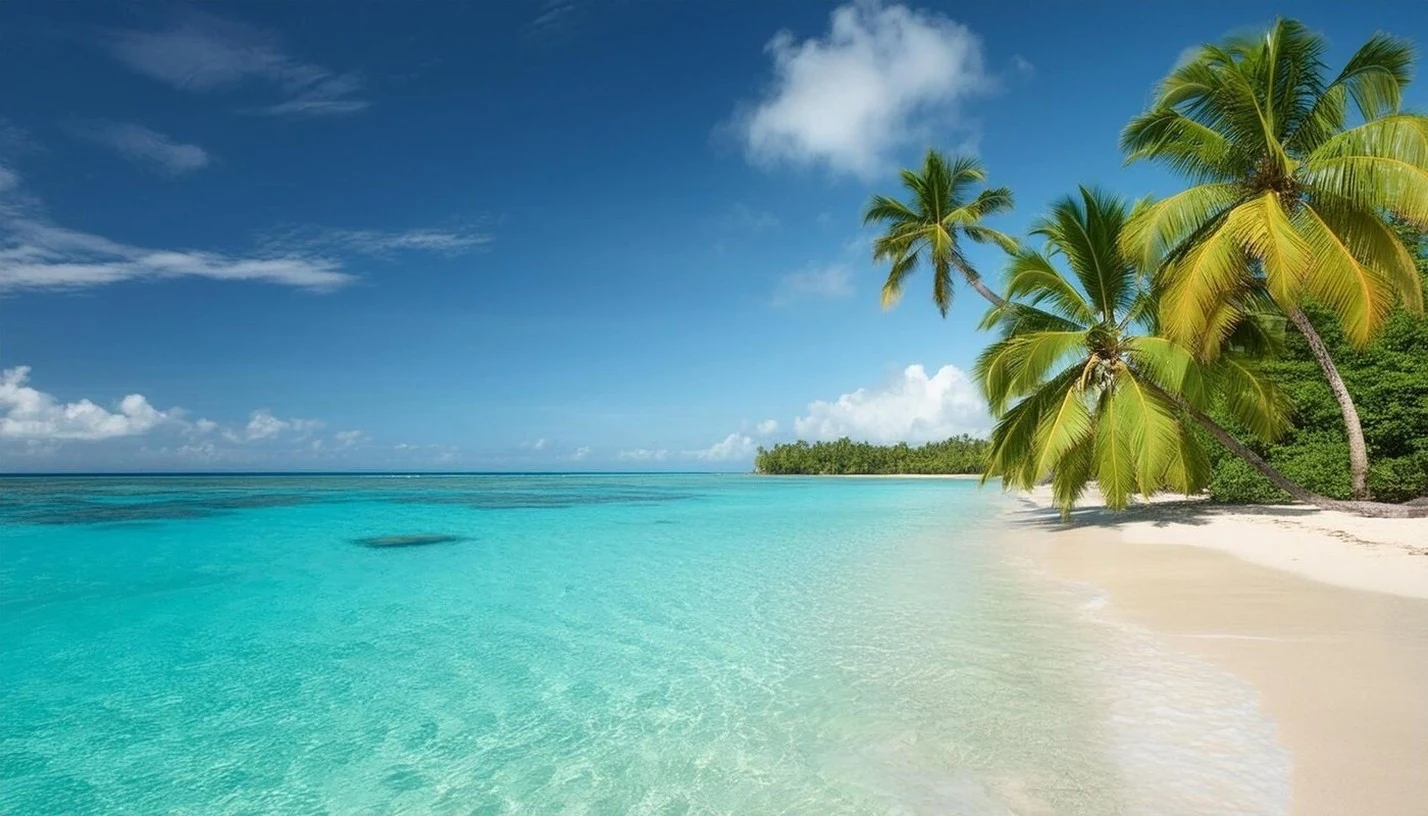
September in Vietnam is a wet shoulder month, and only part of the coast still works for a beach holiday. Nha Trang holds up best with 8 to 12 rainy days, while Da Nang, Hoi An and Phu Quoc take 14 to 22 and rough surf. Hotel and package prices drop to some of the lowest of the year, so the whole game is picking the right place.
I live in Vietnam and have run tours here since 2023. The figures below are climate averages from public weather tables, and any single year can swing either way, so treat them as odds. Nobody can promise you a dry week.
The short answer: which places hold up
Nha Trang is the safest beach choice in September. Mui Ne is one of the cheapest options but sits in its wettest month. Da Nang, Hoi An and Phu Quoc are better skipped, Hanoi works for sightseeing as the summer heat eases, and Sapa has a short window for golden rice terraces in the first half of the month.
| Place | Rainy days | September verdict |
|---|---|---|
| Nha Trang | 8-12 | Beach, with caveats |
| Mui Ne and Phan Thiet | about 17 | Budget stay, wettest month |
| Da Nang and Hoi An | 14-18 | Skip for the beach |
| Phu Quoc | 18-22 | Skip |
| Hanoi | 12-15 | Sightseeing |
| Ha Long Bay | 10-14 | Cruises, if the forecast is clear |
| Sapa | 18-22 | Terraces, early in the month |
Nha Trang: the beach that still works
Nha Trang collects 80 to 150 mm of rain in September, clearly less than the rest of the central coast. Days run 30 to 33°C and the sea sits near 27 to 28°C, so swimming works between showers. Waves and wind pick up as the month goes on.

The start of the month is drier, around 80 to 100 mm, and the end is wetter, around 120 to 150 mm. I would swim in the morning, because the afternoon wind pushes the surf up. Diving is limited because the water gets cloudy. More detail by month is in my Nha Trang weather guide .
Mui Ne and Phan Thiet: cheap, wet and short on wind
Mui Ne gets about 190 mm of rain over roughly 17 days, which makes September its wettest month of the year. Rooms cost little, but the waves are medium to strong, the wind for kitesurfing is among the weakest of the year and there are few excursions to fall back on.
Temperatures stay around 30 to 33°C, so the rain is warm. Between the two budget options I rank Mui Ne below Nha Trang: a cheap room is a poor trade when the kite wind is gone and the days are wet. If you go for the price, plan indoor days. The wind season is covered in the Mui Ne kitesurfing guide .
Da Nang, Hoi An and Hue: where typhoon season starts
The central coast from Da Nang to Hue enters its rainy season in September. Da Nang and Hoi An see 200 to 350 mm, Hue 300 to 450 mm, and storms can close the airport or push hotels to evacuate beachfront rooms. Beaches are rough, so I move beach plans south.

Typhoon season runs from September into November, with the main hit zone on the central coast and the north and the peak in October and November. Check the forecast five to seven days before flying, using the national hydro-meteorological service , and again before each excursion. The Da Nang weather guide shows how the months compare.
A storm can rewrite a plan three to five days out, and that is where September trips fall apart: rebooked flights, a hotel that will not refund, a group stuck in the wrong city. Anyone can dodge most of that with refundable bookings. If you would rather hand over the rebooking when a storm lands on your dates, send me your dates on Telegram and I will say which resort and which days still make sense.
Hanoi and Ha Long: cooler, with storm risk
Hanoi eases to 29 to 33°C against 35 to 37°C in summer, with 12 to 15 rainy days, so walking the Old Quarter is far easier than in August. Ha Long Bay sees 10 to 14 rainy days and warm water, and cruises run unless a storm forces cancellations.
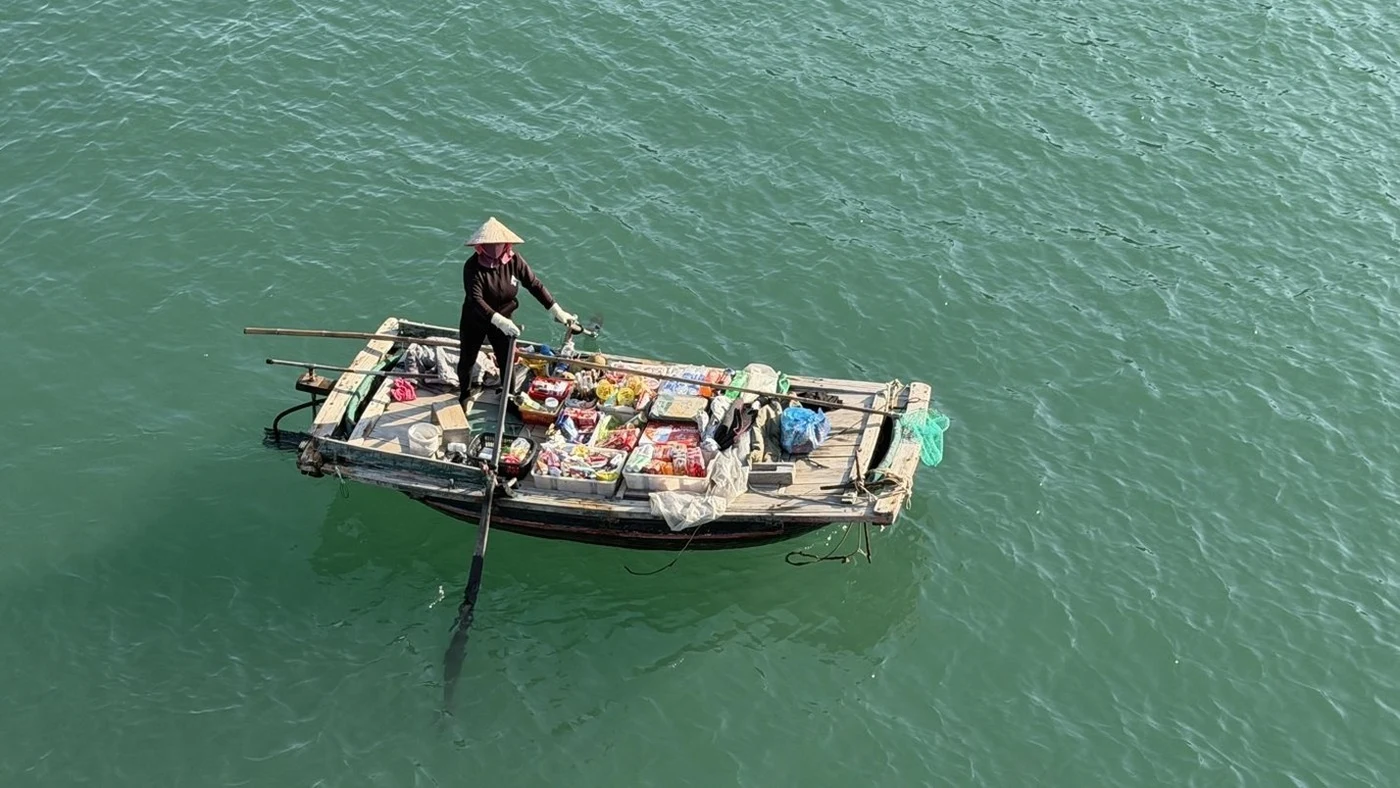
Treat the north as medium to high typhoon risk and keep your cruise booking refundable, since operators can cancel sailings at short notice.
Sapa: the rice-terrace window
Sapa’s rice turns gold in the first half of September, and by the end of the month most fields are already cut. Days run 20 to 25°C, trails are muddy, and rain falls on 18 to 22 days, so this is a trip for photographers who accept wet boots. Fix the dates around the fields first and pick the guesthouse afterwards.
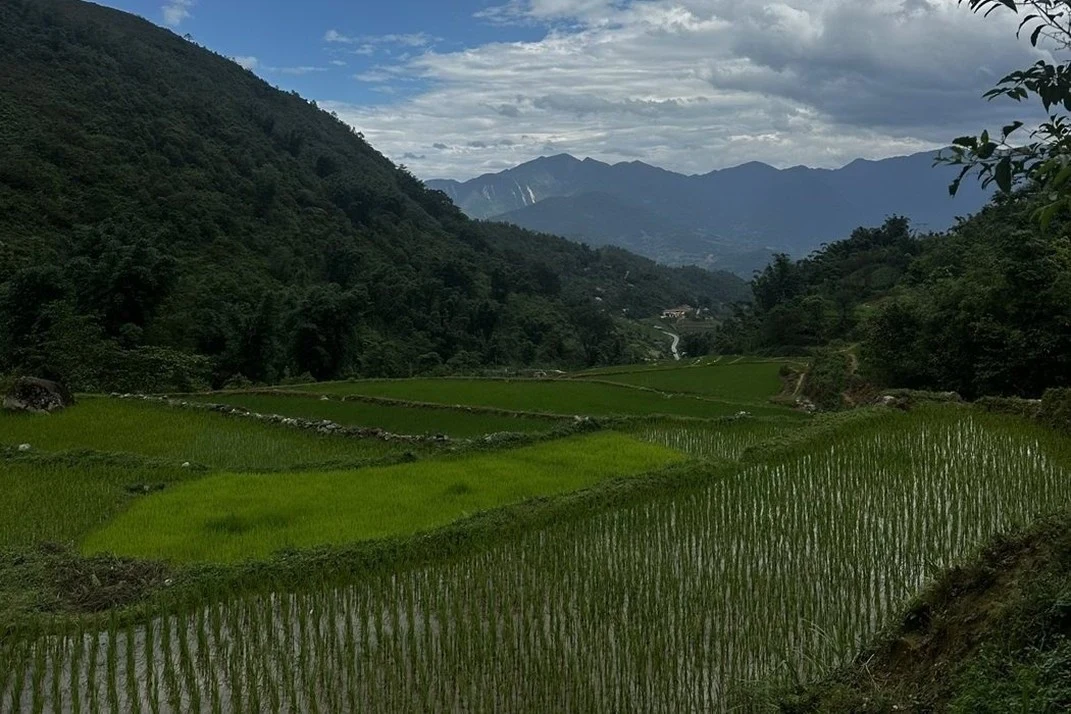
For late-month gold, Mu Cang Chai holds its harvest into early October. I wrote up the timing in the Sapa rice terraces guide .
Phu Quoc: the one to skip
Skip Phu Quoc in September: it is deep in monsoon, with 250 to 350 mm of rain over 18 to 22 days and rough seas. Resort discounts are tempting, but with roughly twenty wet days out of thirty and closed beaches, the savings buy you a lot of time indoors.
If the island is the goal, the Phu Quoc weather guide shows the months that work.
What a September trip costs
Week-long package tours with flights for two to Nha Trang or Phan Thiet were listed in spring 2026 from roughly 85,000 to 110,000 RUB, about 1,000 to 1,400 USD, and 4 and 5-star hotels often cost a third to a half of their winter price. Guesthouses in Nha Trang run about 600 to 1,300 RUB per night, roughly 8 to 16 USD.
Those are asking prices from booking sites, so check them before you plan around them. Around 2 September Vietnamese families take a long National Day weekend, and resort prices rise for those dates. For the wider season picture see the guide to the best time to visit Vietnam .
Booking and packing rules for September
Book hotels with free cancellation, buy refundable fares where you can, and take travel insurance that explicitly covers natural disasters, because a standard policy may not pay for typhoon evacuation or a cancelled flight. Read the policy wording for that clause before you pay.
- A rain poncho and a waterproof phone pouch
- Closed shoes, since sandals slip on wet pavements
- SPF 50 or higher, as the UV index stays at 7 to 9 even under cloud
- A passport valid for six months or more. Russian citizens enter without a visa for up to 45 days, other nationalities can apply on the official e‑visa portal
Choosing your week
Choose Nha Trang if you want to swim, and Mui Ne if you accept the rain for a lower price. Many travellers book this on their own from a forecast tab and a refundable reservation, and it works. If you would rather have the week laid out for you, message me on Telegram with your budget and who is travelling, and I will come back with a route that includes a plan for the wet afternoons.
Frequently asked questions
Which part of Vietnam is safest from typhoons in September?
The south, meaning Ho Chi Minh City, Mui Ne and Phu Quoc, sees typhoons least often, though it gets monsoon rain. Nha Trang has a medium risk, with heavy rain more likely than a direct hit. The central coast from Hue to Da Nang and the north are the most exposed.
What can I do in Vietnam on a rainy September day?
Book a spa session, which starts around 300,000 VND (about 900 RUB), or take a cooking class for pho bo, banh mi and Vietnamese pancakes. In Ho Chi Minh City the War Remnants Museum and the Reunification Palace work well indoors, and a cafe with cà phê sữa đá suits a downpour.
Which fruit is in season in Vietnam in September?
Longan is at its peak, sapodilla runs from August to October and persimmon starts to appear. Dragon fruit, guava and watermelon are sold all year. Local markets such as Cho Dam in Nha Trang and Ben Thanh in Ho Chi Minh City are the cheapest places to buy.
What happens to my bookings if a typhoon hits?
It depends on the hotel, the airline and your insurance policy, which is why I book only free-cancellation rooms and refundable fares in September. A storm can change plans three to five days before it arrives, so get the cancellation terms in writing before paying.