Vietnam just had one of its biggest tourist booms in recent history — and most of the surge came from a single country. In the first six months of 2026, 742,000 Russian travelers visited Vietnam, a nearly 300% increase compared to the same period in 2025. That’s almost three times as many people, concentrated mainly in Nha Trang, Da Nang, and Phu Quoc.
If you’re planning a trip to Vietnam in 2026, here’s what changed, who’s crowding which beach, and which destinations are still genuinely quiet.
Why Did 742,000 Russians Choose Vietnam?
The short answer: price, no visa, and direct flights.
Vietnam waived the visa requirement for Russian citizens — you can stay up to 45 days without any paperwork. For longer stays, an e-visa costs $25 for a single entry or $50 for multiple entries through evisa.gov.vn .
Direct charter flights now run from 18 Russian cities to Cam Ranh Airport (Nha Trang). A package tour — hotel plus flights — starts at around 175,000 RUB (≈$1,950) for 10 nights for two people departing from Moscow. From Siberian cities, prices drop to 120,000 RUB for the same package. That makes Vietnam competitive with Turkey or Egypt for Russian travelers.
Vietnam also hit 4th place in the Russian package tour market, capturing 7.8% of all outbound trips in H1 2026. That’s a structural shift, not a travel trend.
How Has Nha Trang Changed for International Visitors?
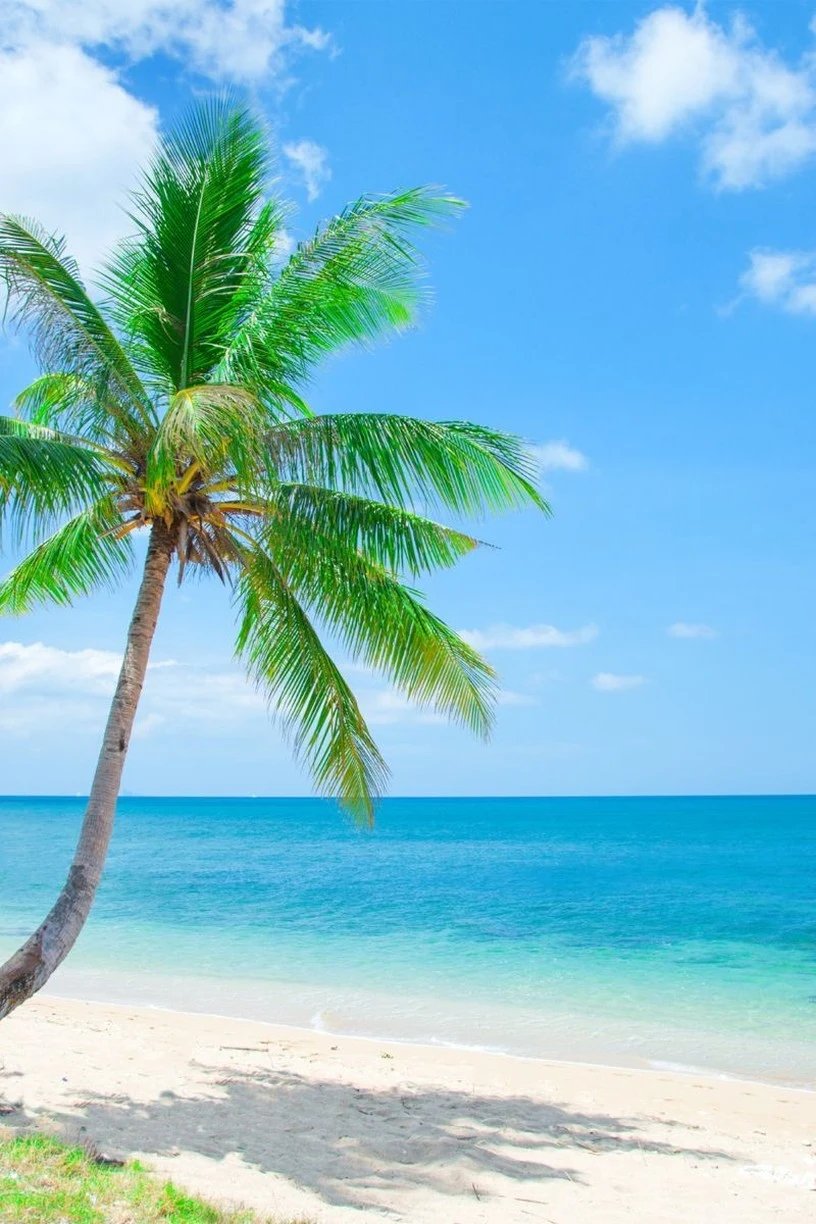
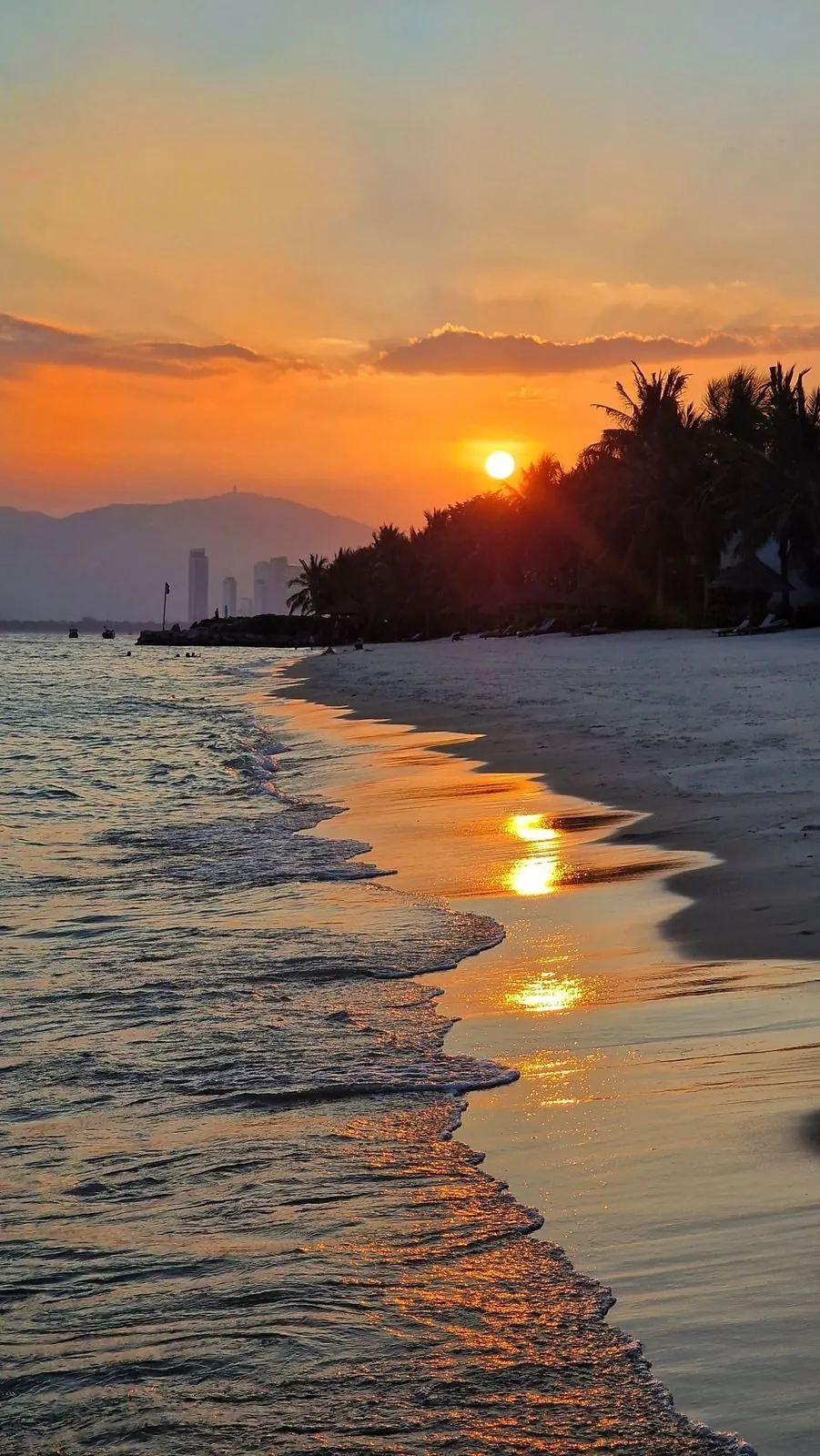
Nha Trang has always been Vietnam’s most popular beach resort — a 7 km white sand stretch, warm water year-round (+24.5°C minimum), and some of the cheapest hotels in Southeast Asia (from around $11/night for a basic sea-view room).

What’s different in 2026 is the atmosphere.
Beach chairs now cost 150,000 VND ($6) per spot on the main beach in high season. The strip formerly known as the European Quarter has transformed into a Korean-leaning restaurant and café zone (look for the “СССР Coffee” sign as a landmark). The Gorky Park beach club that Russians of the 2000s remember is gone — replaced by Z Beach.
Restaurants near the promenade now have menus in Russian as standard. In the peak season (March–August), finding a quiet breakfast spot before 10am takes effort.
None of this makes Nha Trang bad — the sea is still warm, the food is still cheap, and Vinpearl Island (tickets: 950,000 VND/$36 per adult) is still genuinely impressive. But if you came for a quiet Asian beach experience, it’s not quite that anymore.
Da Nang has absorbed pressure differently. It’s always had a large expat community, so Russian tourists blended into an already-international crowd. The beach at My Khe gets packed in July-August but remains manageable at shoulder months. Hotel prices have risen 20-30% compared to 2024 across the central district.
Phu Quoc is seeing construction pressure. Major resort groups have been building since 2021, and with both Chinese and Russian arrivals climbing, the beach clusters around the Grand Monde area no longer have the empty-beach feel they had even three years ago.
Which Vietnam Destinations Are Still Crowd-Free?
For travelers who want a different experience, several regions haven’t caught the charter-flight surge yet.

Quy Nhon sits 350 km south of Da Nang — about a 4-5 hour bus ride on the coastal highway. The Ki Co Beach here has turquoise water, limestone cliffs, and almost no mass tourism infrastructure. Quy Nhon is genuinely one of the best places to visit in Vietnam if you’re avoiding crowds — but it’s changing fast, so 2026-2027 might be the last window.
Ha Giang in the north requires a motorbike and about three days, but the Ma Pi Leng mountain pass at 1,202 meters above sea level is one of Asia’s most dramatic roads. Russian tourists haven’t reached this corner of Vietnam in large numbers — the northern highlands aren’t on any charter route.
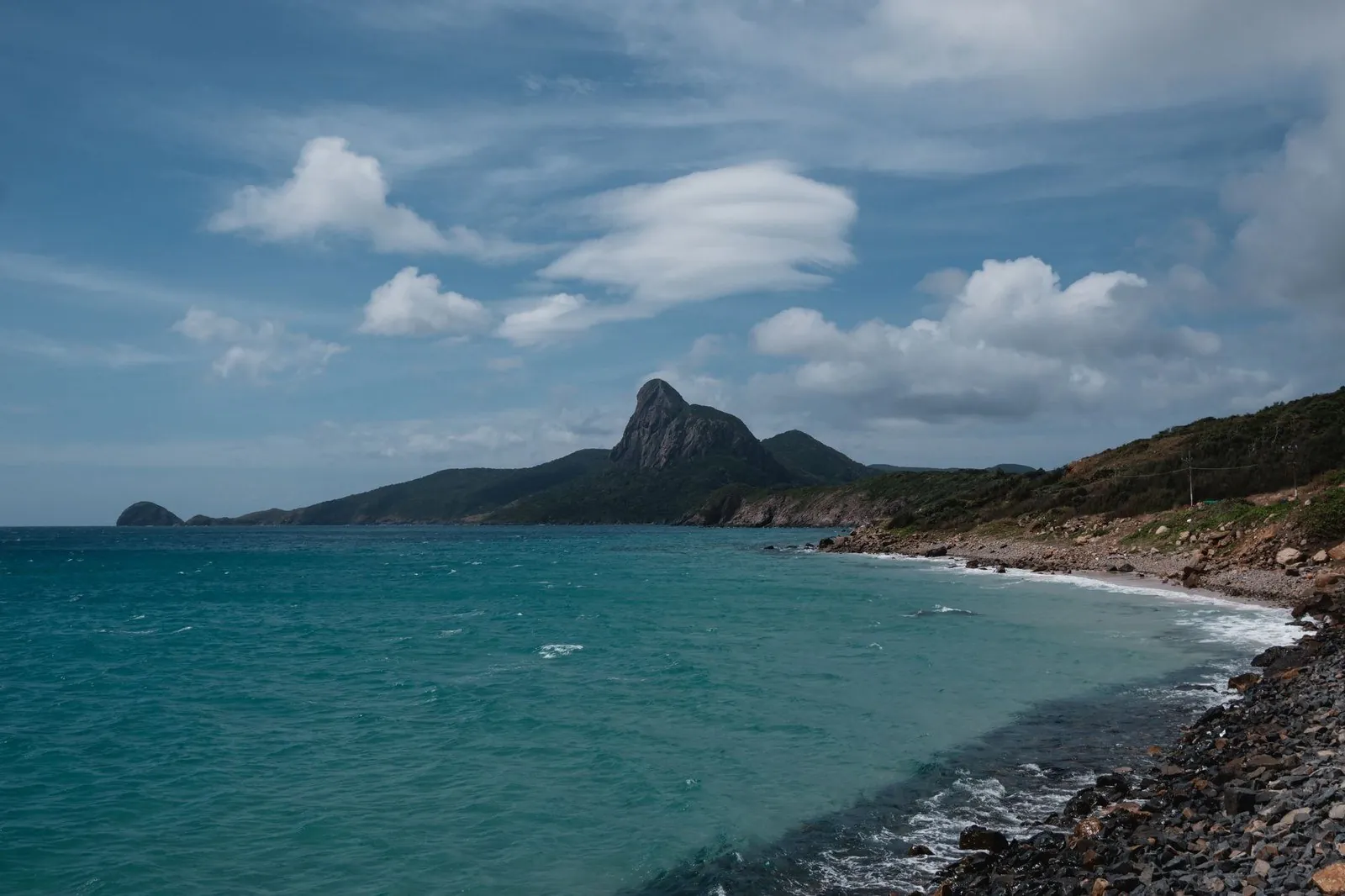
Con Dao Islands, accessible by a 45-minute flight from Ho Chi Minh City, combine national park beaches with sea turtle nesting grounds. It’s pricier (expect $35–55/night minimum for decent accommodation), but genuinely low-volume.
Hoi An in October-November sees fewer visitors because of the rainy season — but the rains here are typically short afternoon showers, not all-day downpours. The lantern displays and Hoi An’s market atmosphere without peak-season crowds makes October a good bet.
Planning a trip to Vietnam in 2026 and not sure where to start? The options above are genuinely great — but stacking the right combination for your specific travel dates and budget takes some local knowledge. If you want a route that actually works, message me on Telegram @vietnam_samurai and tell me when you’re coming and what kind of trip you’re after.
When Is the Best Time to Beat Peak Crowds?
For Nha Trang specifically: the beach season runs March to August. Peak crowds hit in June-July when Russian summer holidays overlap with Vietnamese domestic tourism. March and early April tend to be the best balance — warm, dry, and slightly less crowded.
If your dates are fixed in summer: head north to Da Nang for the first week and plan Nha Trang as a 3-4 day extension rather than the main event. The northern beaches (Lang Co, Ba Na Hills for a day trip) offer a breather from the resort atmosphere.
For the whole country, the rule holds: the further you go from a charter airport, the more your Vietnam experience changes. Cam Ranh serves Nha Trang. Danang has its own terminal. But Quy Nhon, Ha Giang, Ninh Binh, and Con Dao still require local connections.
The 742,000-visitor milestone is real, but Vietnam has 3,200 km of coastline, a highland north, and a dozen provinces that most package tourists never see. The country hasn’t run out of quiet places — they just take slightly more planning to reach.
If you want a 15-day route that mixes beach time with the parts of Vietnam most visitors miss, message me on Telegram — I build these routes for people who’ve already done a resort trip and want something different.