
How many days do you actually need in Vietnam to see it properly? Ten to fourteen days works for most travelers, but only if you cut the itinerary down to two or three regions instead of trying to cover the whole country. I’ve been running tours across Vietnam since 2023, based out of Da Nang, and the itineraries that fall apart always fail for the same five reasons: not bad luck, just planning mistakes that are easy to see coming.
A short version: a well-built Vietnam trip respects three separate climates, accepts that buses and trains run late, skips at least one “must-see” spot for something quieter, and never locks a traveler into one city for two weeks straight. If untangling that logistics puzzle sounds like a headache, a local team that runs this route daily can build the route for you. The mistakes below are itinerary-specific, but they sit alongside a wider set of common tourist mistakes in Vietnam worth understanding either way, so you know what you’re actually avoiding.
Why Do Overpacked Vietnam Itineraries Fail?
Overpacked itineraries fail because Vietnam is longer and more spread out than it looks on a map. The distance from Ho Chi Minh City in the south to Sapa in the far north is roughly 36 hours of straight travel, and cramming five or six cities into 10 days leaves almost no time to actually be anywhere.
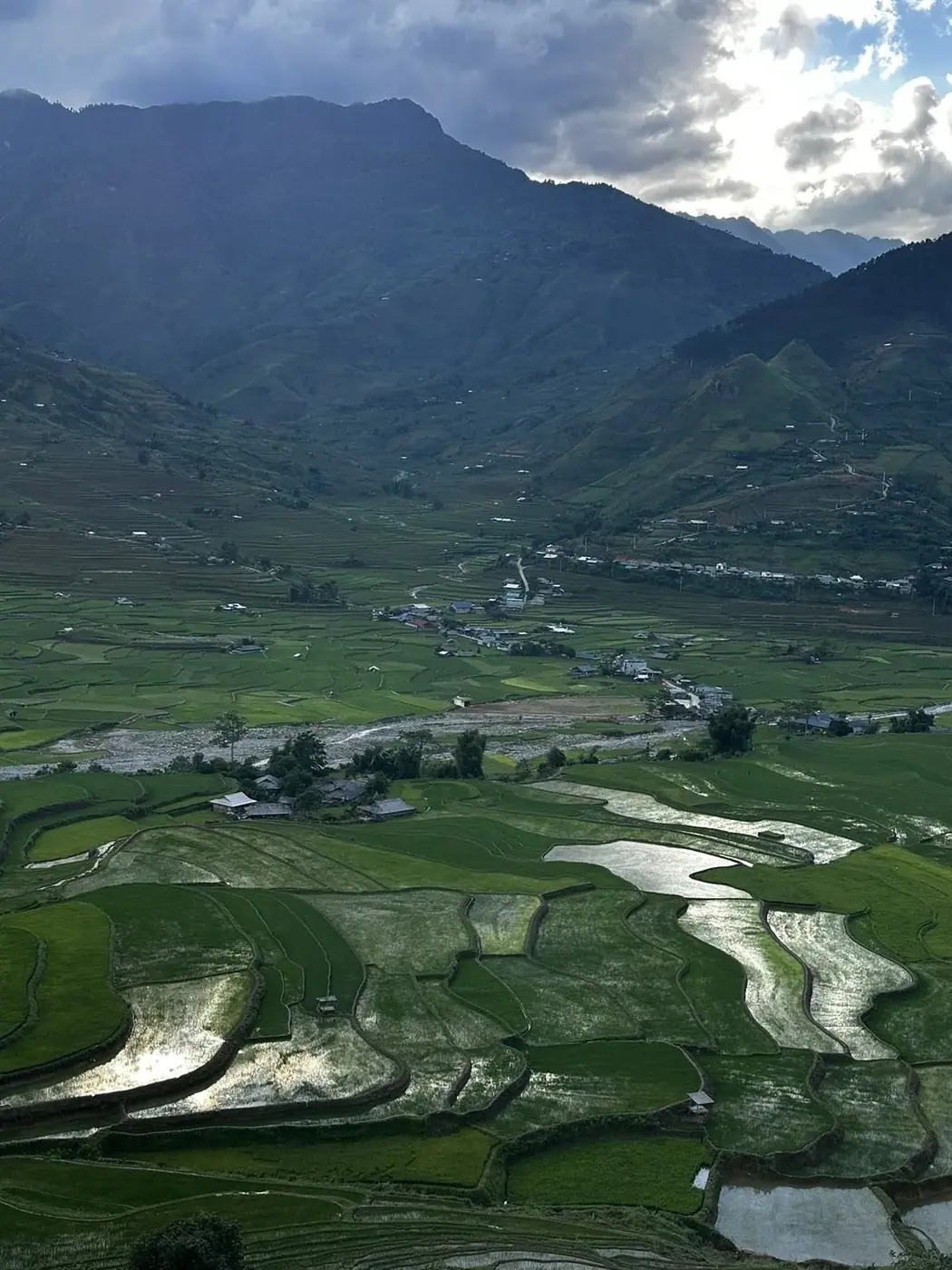
I see this constantly with first-time visitors: they build a list of every city they’ve read about: Hanoi, Ha Long Bay, Sapa, Hue, Hoi An, Da Nang, Ho Chi Minh City, the Mekong Delta. Then they try to fit all of it into 10 or 12 days. On paper it looks doable because each individual leg seems short. In practice, travel days eat entire days, check-in and check-out eat half-days, and by day 6 the trip is a blur of bus stations and hotel lobbies instead of a vacation. A 10-day trip realistically supports 3 to 4 stops if you pick one regional focus: north and central, or central and south. A 14-day trip stretches to about 5 stops if you’re covering the full country north to south. That regional split is exactly how our route lineup is built, so you’re picking a pre-tested combination instead of guessing at one. Also worth remembering: your first and last days are half-days once you factor in flight arrival and departure, so they don’t count as full sightseeing days.
Why Do Vietnam Transport Delays Wreck Tight Schedules?
Vietnam’s buses and trains are reliable in the sense that they run, but they are not reliable on the clock. Travelers who schedule back-to-back connections with no buffer time are setting themselves up to miss the next leg entirely.

Night trains and long-distance buses in Vietnam routinely deviate from posted schedules: unplanned stops to pick up passengers or cargo are normal, not exceptions. A night train delay of 30-plus minutes is common, and I’ve seen a scheduled 20-hour train ride stretch to 24 hours because of freight priority on shared track. Buses face the same issue with traffic and roadside stops. The practical fix is to never book a connecting bus, train, flight, or tour that departs within an hour or two of your previous leg’s scheduled arrival. Build in a real buffer, especially before flights.
This is the leg where a tight itinerary really comes apart — a night train that leaves late, a bus connection that doesn’t hold, and suddenly the whole chain slips. When I plan a trip I build the day-by-day around those exact handoffs, with buffers where Vietnam’s transport actually needs them, so you’re not the one gambling on a delayed night train. All that’s needed from your side is the route you’re picturing, and I’ll sequence the legs so they hold.
Why Do Travelers Ignore Vietnam’s Three Climates?
Travelers ignore Vietnam’s climates because the country feels like one destination, when it’s actually three distinct weather systems running at the same time. That’s why a single “best month to visit” doesn’t exist for a north-to-south trip.

Vietnam splits into three climate zones that don’t move in sync, according to seasonal data from the Vietnam National Administration of Tourism . The north (Hanoi, Sapa, Ha Long Bay) has a dry season from October to April, with cool temperatures (Hanoi sits around 17-22°C/63-72°F in winter) and a wetter, hotter season from May to September, peaking in July and August. Central Vietnam (Da Nang, Hoi An, Hue) runs the opposite pattern: dry and hot from January to August, with temperatures reaching 35°C (95°F), then storms and typhoon risk from September to December, worst in October and November - our typhoon season by region guide breaks down the specific weeks to avoid in Da Nang, Hoi An, and Hue individually. The south (Ho Chi Minh City, the Mekong Delta) stays around 30°C (86°F) year-round, with a dry season from November to April and rain from May to November, heaviest in June through August. That means a trip crossing all three regions in the same week can hit mountain fog in Sapa, dry heat in Da Nang, and tropical humidity in Ho Chi Minh City, all on the same itinerary, sometimes within days of each other. February through May is the closest thing to a compromise window if you’re covering multiple regions.
Why Do Overtouristed Spots Disappoint So Many Visitors?
Overtouristed spots disappoint visitors because the version of Vietnam they imagined (quiet limestone bays, misty rice terraces, sleepy fishing towns) gets replaced by crowds, souvenir stalls, and tour buses the moment a destination hits every top-10 list.

Ha Long Bay is the clearest example: it’s stunning, and it’s also crossed by 300-plus tourist boats on a busy day. The nearby Lan Ha Bay and Bai Tu Long Bay cover the same karst limestone scenery with closer to 64 boats operating, which changes the experience considerably. Sapa has a similar problem: persistent vendors approach visitors throughout the day. Bac Ha or Pu Luong offer comparable terraced landscapes without the constant sales pitch. Da Nang itself risks becoming a generic beach-city stop if it’s the only central Vietnam destination on your list; Quy Nhon, a couple of hours south, is far less touristed and still has working local markets instead of souvenir strips. None of this means skip the famous spots entirely. It means pairing one of them with a quieter alternative instead of stacking three overtouristed stops back to back.
Why Is Staying in One City for Two Weeks a Mistake?
Staying in one city for a full 14-day Vietnam trip wastes the country’s biggest advantage: genuine regional diversity. It turns an international flight into an expensive way to sit in one hotel. If your whole trip is one city, you didn’t need to come to Vietnam specifically, and honestly, that’s close to a crime given what’s available two hours away in any direction.

I get why it happens: booking one hotel and staying put feels simpler, and Da Nang or Hoi An or Ho Chi Minh City each have enough restaurants and beaches to fill two weeks technically. But Vietnam’s north, center, and south genuinely don’t resemble each other: different food, different landscapes, different pace of life. A single-city trip misses that entirely. Even a modest split, like 5 days central Vietnam and 5 days north, delivers a completely different trip than 14 days in one place, without adding meaningful complexity to booking.
If you want a ready-made version of this instead of building your own, our 10-day north-to-south itinerary already applies all five fixes above.
How to Build a Realistic Vietnam Itinerary (Step by Step)
- Pick one regional focus for trips under 12 days: north and central, or central and south. Save the full-country route for 14 days or more.
- List your must-see stops, then cut it to 3-4 for a 10-day trip or 5 for a 14-day trip. Treat every stop beyond that as a reason to remove one.
- Check the seasonal chart for your regions and pick travel dates where at least two of your three zones are in their dry season.
- Book transport with buffer time: never schedule a connecting flight, train, or tour within 2 hours of a previous leg’s expected arrival.
- Swap at least one overtouristed stop for its quieter alternative (Ha Long → Lan Ha Bay, Sapa → Bac Ha, Da Nang → Quy Nhon).
- Block a minimum of 2 nights per destination. One-night stops mean you spend more time packing than exploring.
- Confirm your first and last days as half-days only, and don’t schedule sightseeing that depends on an early arrival or late departure.
Region-to-region distances and travel times worth building your schedule around:
| Route | Distance | Typical travel time |
|---|---|---|
| Hanoi → Sapa | ~320 km | Night train ~8-9h (+30 min transfer) or bus ~5-6h |
| Hanoi → Ha Long Bay | ~155 km | Bus 2-3h |
| Sapa → Ha Long Bay (direct) | ~480 km | Bus 9-10h |
| Da Nang → Hoi An | ~30 km | 70-90 min by road (no direct train) |
| Hue → Da Nang | ~100 km | Train 2h51m (every 4h) or bus ~3h |
| Hue → Hoi An | ~130 km | Via Da Nang combo ~5h, or direct minivan 3.5-4.5h |
| Ho Chi Minh City → Mekong (My Tho/Ben Tre) | ~70-100 km | Bus 2-3h |
| Ho Chi Minh City → Can Tho | ~170 km | Bus 4-5h |
Frequently asked questions
Is a week enough for just Central Vietnam (Da Nang, Hoi An, Hue)? Yes - those three sit close enough together that a single-region week doesn’t feel rushed the way a 7-day attempt at the whole country does. The same regional-focus logic that works for a 10 or 14-day trip applies at the shorter end too.
Is Vietnam’s e-visa long enough to cover a 10-14 day trip with a side trip to Cambodia or Laos? Yes, with plenty of room to spare. Vietnam’s e-visa is valid for up to 90 days and can be issued as either single or multiple entry. A multiple-entry e-visa also lets you leave and re-enter Vietnam inside that same 90-day window, so a 10-14 day loop plus a side trip out of the country still fits comfortably inside one visa.
Is it better to travel Vietnam north to south or south to north? Either direction works logistically since flights and trains run both ways, so the decision usually comes down to your entry point and seasonal timing rather than direction itself. Many travelers fly into Hanoi and end in Ho Chi Minh City (or the reverse) to avoid backtracking. What matters more than direction is not rushing: a one-way route through 3-5 stops beats a loop that revisits cities to save on flights.
Do travelers from Europe need to apply for a visa at all for a 10-14 day trip? Not if their country is on Vietnam’s unilateral exemption list. As of mid-2026, citizens of 25 countries - including Germany, France, the UK, Italy, Spain, Poland, the Netherlands, Switzerland, Japan and South Korea - can enter and stay up to 45 days without applying for anything in advance, well beyond a 10-14 day itinerary.
What is the biggest mistake tourists make in Vietnam? Overpacking the itinerary with too many destinations is the most common mistake, but treating public transport schedules as fixed comes a close second. Vietnamese buses and trains regularly run behind schedule due to unplanned stops, so travelers who book tight connections between cities often end up missing the next leg of their trip entirely.
If you’d rather skip the spreadsheet of bus schedules and seasonal charts, message me on Telegram . I’ll help you build a route that actually fits your dates and budget, including how our 10-day north-and-center route applies these same fixes.