A 10-night family trip to Thailand starts around $1,900 for two adults in high season; the same length trip to Vietnam runs from about $2,100 - but add a kid and a decent-rated hotel and the gap almost disappears: $2,350 for Thailand versus $2,450 for Vietnam. Food is where Vietnam pulls ahead, and that’s where I ended up saving the most on a three-week trip with my own kid last year.
How long can we stay without dealing with a visa?
Thailand currently lets you stay 60 days visa-free under the scheme in force since 15 July 2024, and a quick border run to a neighboring country starts a fresh stay — though land crossings are capped at two visa-free entries per calendar year, so you cannot reset it indefinitely by bus. Worth knowing before you book a long trip: the Thai cabinet has already approved a return to 30 days, effective 15 days after publication in the Royal Gazette, which had not happened as of early August 2026. Vietnam gives 45 days visa-free, or up to 90 days on an e-visa you apply for in advance at evisa.gov.vn. If your trip is under three weeks, this barely matters - but if you’re stretching a family trip past a month, Vietnam’s e-visa needs to be sorted before you land, not after.

Is the flight actually longer to one of them?
Both destinations run 9-10 hours on a direct flight from most departure points. The difference shows up on layovers: getting to Phuket or Bangkok usually means one connection, while flying into Phu Quoc can stretch to 15-16 hours once you add a connecting domestic leg. With a toddler on your lap, that extra transit time is the part that actually breaks the trip, not the destination itself.
Which resorts actually work with young kids?
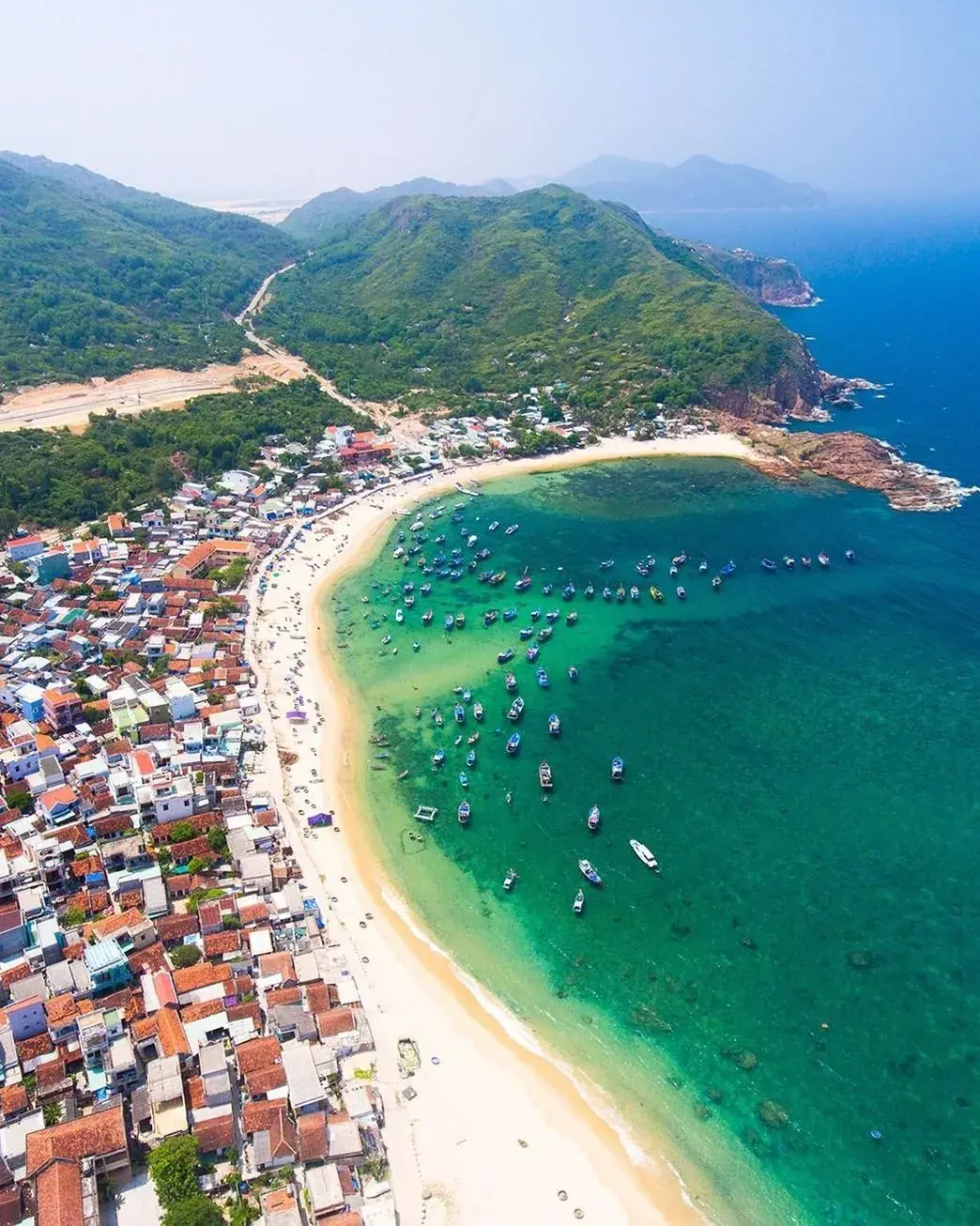
Phu Quoc island is the easy answer in Vietnam: calm water, under an hour from the airport to most hotels, and Vinpearl amusement park right there - nothing quite like it exists on the Thai side. Mui Ne and Phan Thiet are the opposite story: rough waves, a 3-4 hour transfer from the nearest airport (Cam Ranh or Ho Chi Minh City), and almost no kid-specific infrastructure. Nha Trang works too, but only from March through September - the sea gets rough from October to December.

Thailand is more forgiving across the board. Phuket, Pattaya, and Krabi all have kid pools, high chairs, and English-speaking staff as standard, because Thailand built its tourism industry around exactly this kind of visitor decades ago.
Where does the money actually go once you land?
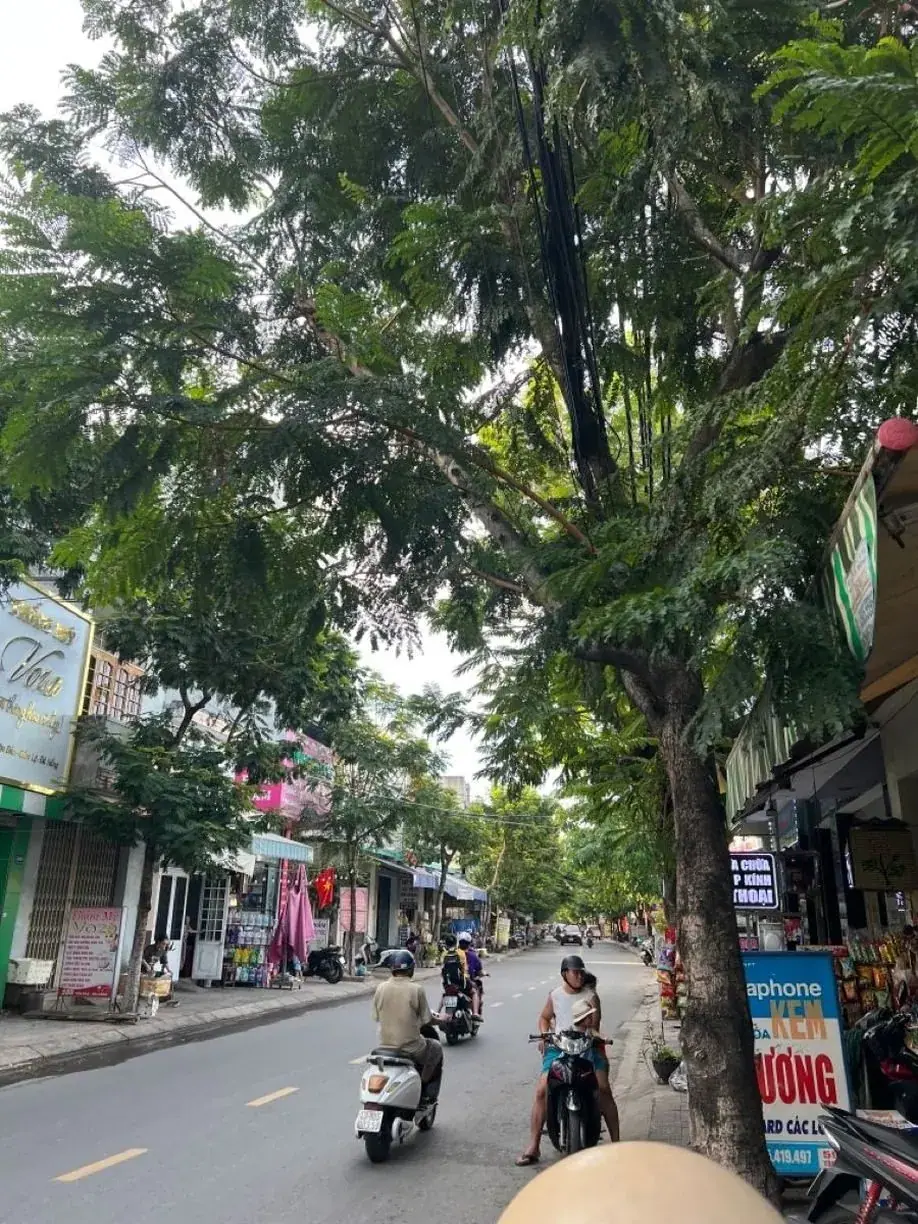
This is the part that surprised me. A two-dish meal with a drink for two runs about $12 in Thailand versus $8 in Vietnam. Basics like eggs, rice, and bottled water run 30-40% cheaper in Vietnam too. Over three weeks feeding a kid who eats constant small meals, that gap adds up to real money - more than the difference in the package price itself. If Vietnam ends up being the pick, our family-friendly route options already build this kind of pacing in for younger kids.
| Thailand | Vietnam | |
|---|---|---|
| 10-night package, 2 adults | from $1,900 | from $2,100 |
| Same trip + 1 kid, good-rated hotel | from $2,350 | from $2,450 |
| Meal for two at a local restaurant | ~$12 | ~$8 |
| Airport transfer to family-friendly resort | 30-90 min | under 60 min (Phu Quoc) |
What actually goes wrong when families skip the planning?
The mistake I see most is booking a resort by photos alone - a place like Mui Ne looks stunning online and turns into a 4-hour transfer with rough surf once you land with a toddler. This is the part I usually end up sorting for people: matching the resort to the kid’s age and the season, then handling the transfers so nobody’s improvising logistics with a jet-lagged 3-year-old. If you’d rather have someone map that out before you book flights, message me on Telegram and I’ll walk through which coast fits your dates, including how our Nha Trang route paces the days for younger kids.
So which one should a family actually pick?
If it’s your first trip to Southeast Asia with a young child and you want zero surprises, Thailand’s built-out infrastructure makes it the lower-risk pick. If you’ve already done a Thailand trip or two and want calmer beaches without the crowds - plus meals that cost a third less - Phu Quoc or Nha Trang (in season) are worth the extra planning. Either way, book the resort by transfer time and season first, not by the prettiest photo.
If Phu Quoc versus Nha Trang is still the open question, our full Nha Trang vs Phu Quoc breakdown covers which one fits which season, and if it’s easier to just ask, Telegram works too.