If you only have one trip to Southeast Asia this year, Thailand is the easier first pick for beaches and infrastructure, while Vietnam is the better call if your budget is tight or you’ve already done a Thailand trip before. I’ve lived in Da Nang for over a year and flown to Thailand five times since - here’s the actual decision, not the brochure version. If Vietnam wins for you and you don’t want to burn a weekend comparing hotel listings, I’ll get to that near the end.
How many days do you actually have?
Under 7 days, pick one country and stay close to your arrival airport - Phuket or Krabi for Thailand, Da Nang or Hoi An for Vietnam. Over 10 days, both countries have enough going on to justify a two-city route, and combining them usually means a budget flight through Bangkok or Ho Chi Minh City rather than a direct connection.

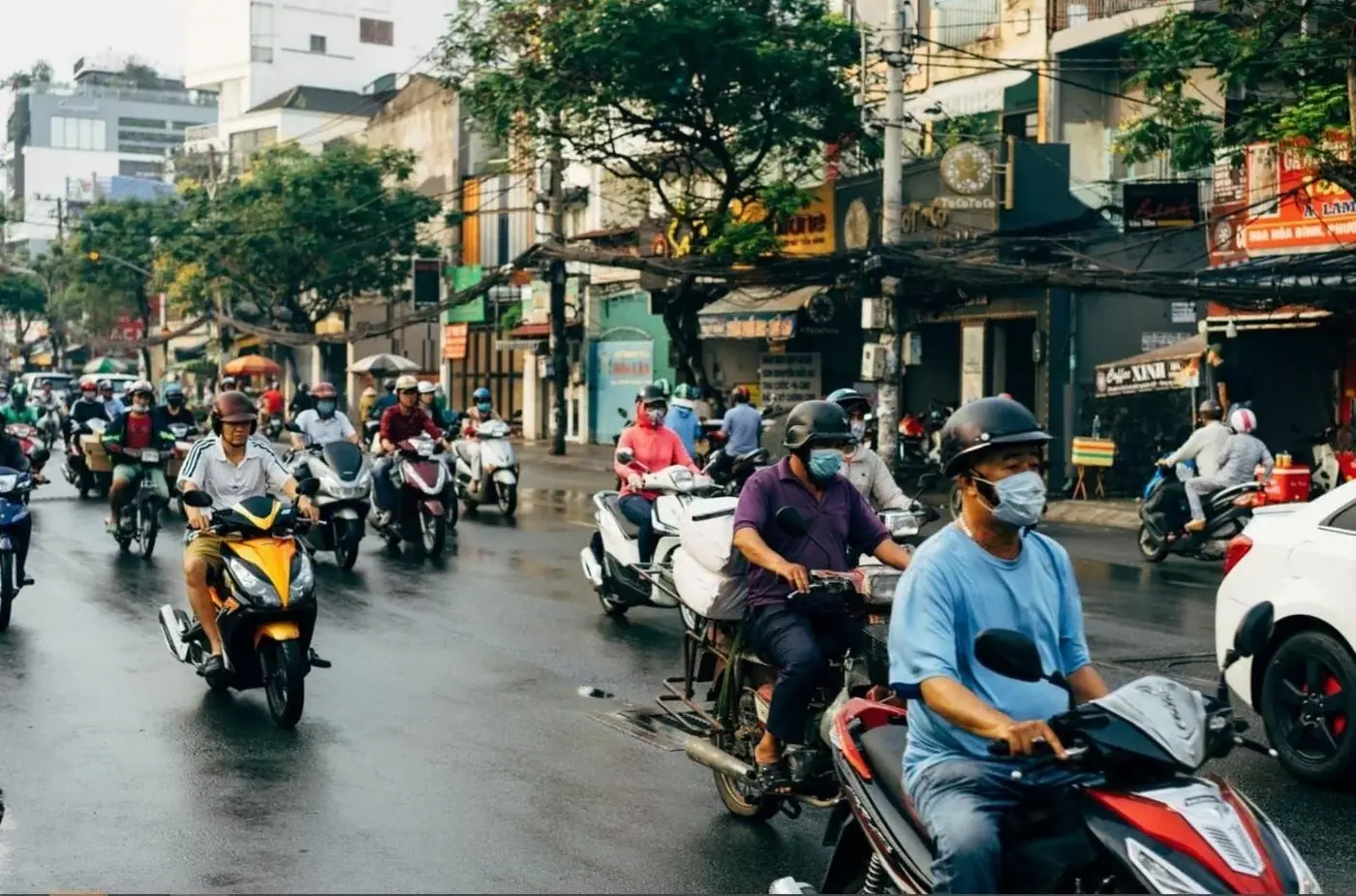
I made the mistake once of trying to fit Hanoi, Ha Long Bay, and Phuket into nine days - two of those days were spent entirely in transit. A shorter list beats a longer one every time. I build routes for a living now, and our lineup of Vietnam trips is basically the fix for that same mistake - fewer stops, better sequenced.
What’s the weather like each month?
Vietnam’s central coast - Da Nang, Hoi An, Nha Trang - is driest from February to August and wettest from September to December. Thailand splits by coast: Phuket and Krabi on the Andaman side are driest November through April, while Koh Samui on the Gulf side gets its rain October to December, the opposite calendar from the Andaman side.
Booking without checking which coast you’re on is the single most common planning mistake I see - Samui in November can still be raining while Phuket is already dry.
Vietnam vs Thailand: flights, visas, and entry rules in 2026
Most Western passport holders can enter Vietnam visa-free for up to 45 days and Thailand for up to 60 days as of August 2026, and Vietnam offers a 90-day e-visa ($25 single entry, $50 multiple entry) through evisa.gov.vn if you need to stay longer. Thailand’s 60 days is the shakier number of the two: the Thai cabinet has approved a rollback to 30 days, which takes effect 15 days after publication in the Royal Gazette — not yet published at the time of writing, so check it before a long booking.
| Factor | Vietnam | Thailand |
|---|---|---|
| Visa-free stay (most passports, 2026) | up to 45 days | up to 60 days |
| E-visa option | 90 days, $25 single / $50 multiple, ~3 business days via evisa.gov.vn | not required for most short stays |
| Flight time from Europe | roughly 11-12 hours, usually one stop | roughly 10-11 hours, usually one stop |
| Easiest first-trip entry point | Da Nang or Ho Chi Minh City | Bangkok or Phuket |
Always double-check your specific passport before booking - the numbers above cover the common case, not every nationality.
Which is better for beaches - Vietnam or Thailand?
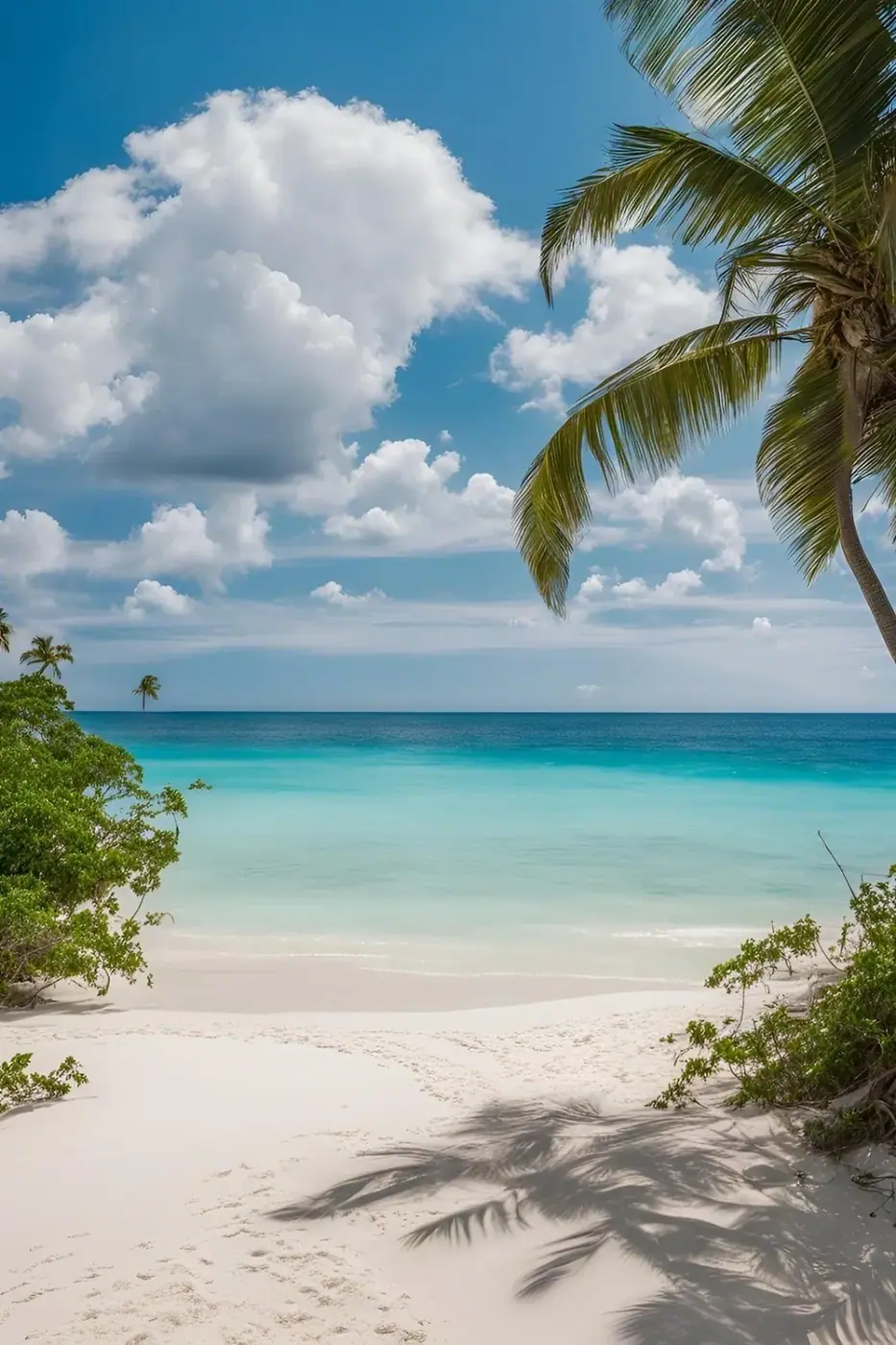
Thailand wins on postcard beaches: the west coast of Phuket and Koh Lipe have clearer water than almost anywhere in Vietnam. Vietnam’s An Bang Beach near Hoi An and Lan Ha Bay near Cat Ba are quieter and cheaper, but the sand and water quality sit a step below Thailand’s best.

If beaches alone decide your trip, Thailand should win. If you also want mountains, rice terraces, or a city with real history baked into it, Vietnam packs more into one loop.

What does a week actually cost?
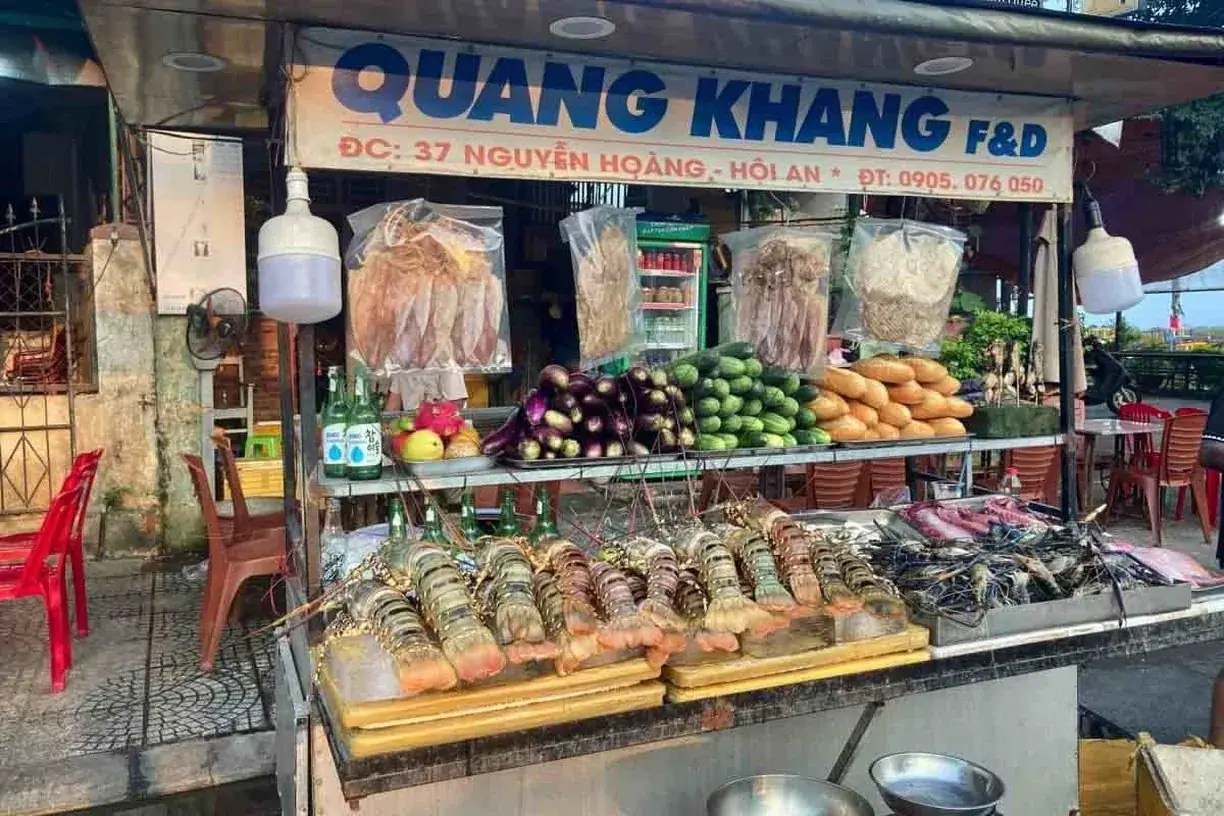
A week in Vietnam without flights runs about $300-380 per person at a 3-star level; the same week in Thailand runs closer to $400-500, mostly because food and local transport cost more outside of the cheapest street-level spots.
This is usually the point where people spend two more days comparing hotel listings instead of just deciding - all it takes to skip that stage is your dates and a rough budget, and the country choice sorts itself out fast.
So which one should you book?
Book Thailand if you want predictable service and the best beaches for the least planning effort. Book Vietnam if budget matters more than polish, or if this isn’t your first Southeast Asia trip and you want something less packaged for tourists. If personal safety is high on your list, it’s worth reading up on which of Vietnam or Thailand is safer before you commit either way.
If Vietnam is the winner for you, message me on Telegram and I’ll help you shape the actual route around your dates, whether that’s a shorter loop or our 15-day full-country route to see what that route looks like day to day before you commit to anything.