Vietnam high season on the beaches runs roughly from November to April, but the real price peaks are three short windows: Christmas and New Year, the Tet week and the 30 April to 1 May holidays. On the coast, summer adds a separate rush from domestic school holidays. Outside those dates the same weather often costs far less. If your dates are flexible, shifting them by two or three weeks is the cheapest upgrade you can make.
If the cheaper low season tempts you, typhoon season by region shows what the weather risk really looks like.
Where the season really starts and stops
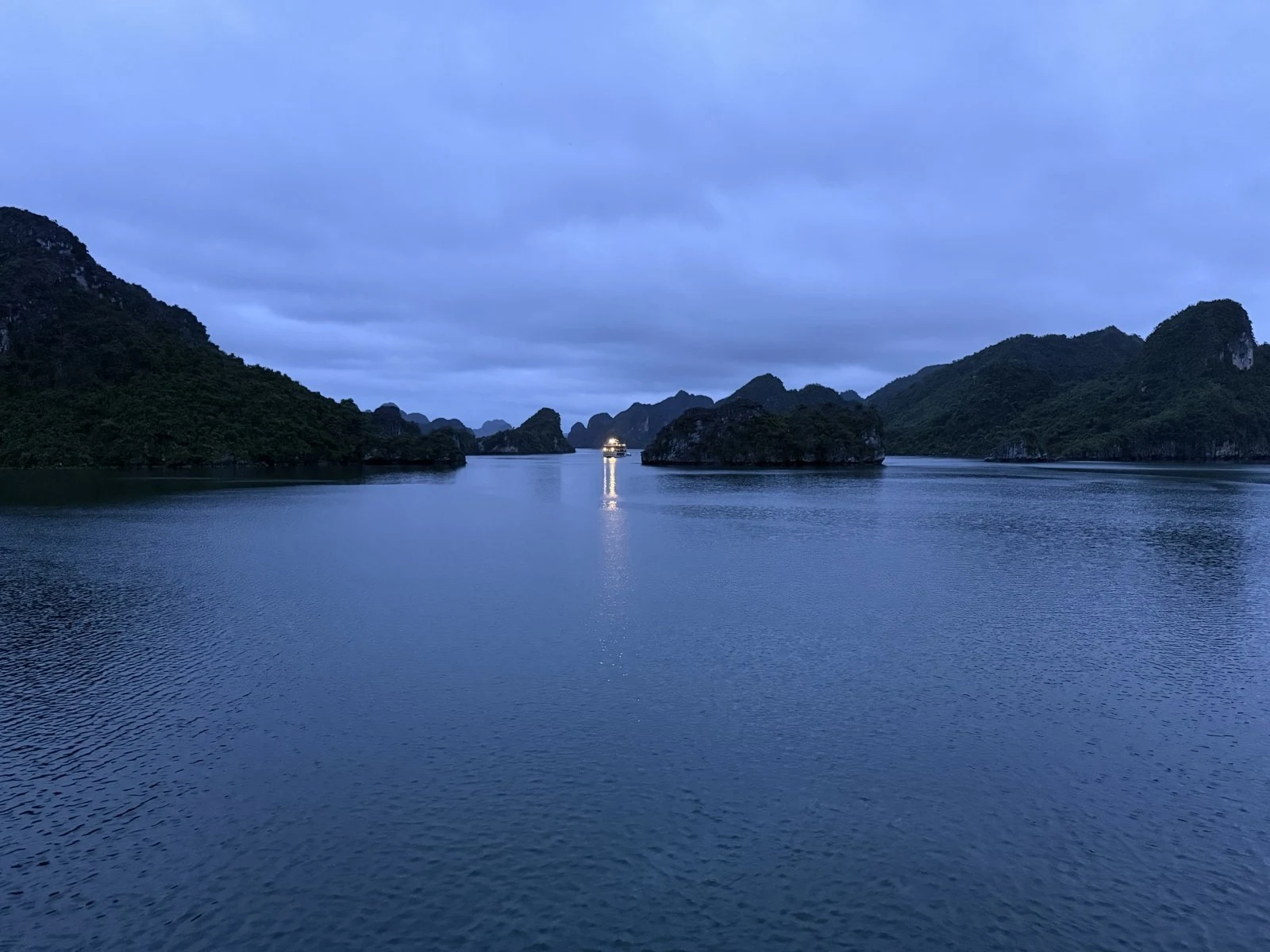
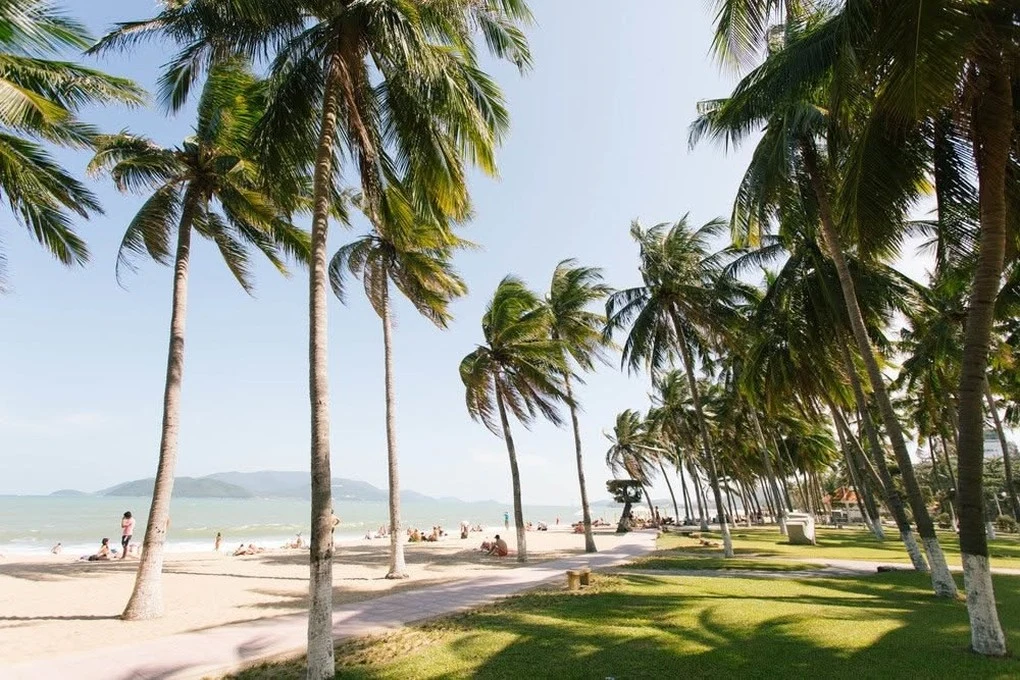
The season depends on the region, because Vietnam is long and stretched along the sea, so one season for the whole country does not exist. The south is dry from November to April, which is why Ho Chi Minh City, Phu Quoc and Mui Ne are busiest then. The central coast around Da Nang and Nha Trang has its best beach window from February to August. The north is most comfortable in autumn and spring, so Hanoi, Ha Long Bay and Sapa fill up in October and November and again in March and April.
That is why a single “peak month” misleads. Check the region first, then the date. Our guide to the best time to visit Vietnam by region maps every month, and the typhoon season guide shows where the weather risk sits.
The three peaks and the summer rush
Prices follow holidays more closely than rain: three short peaks, plus a summer wave on the coast.
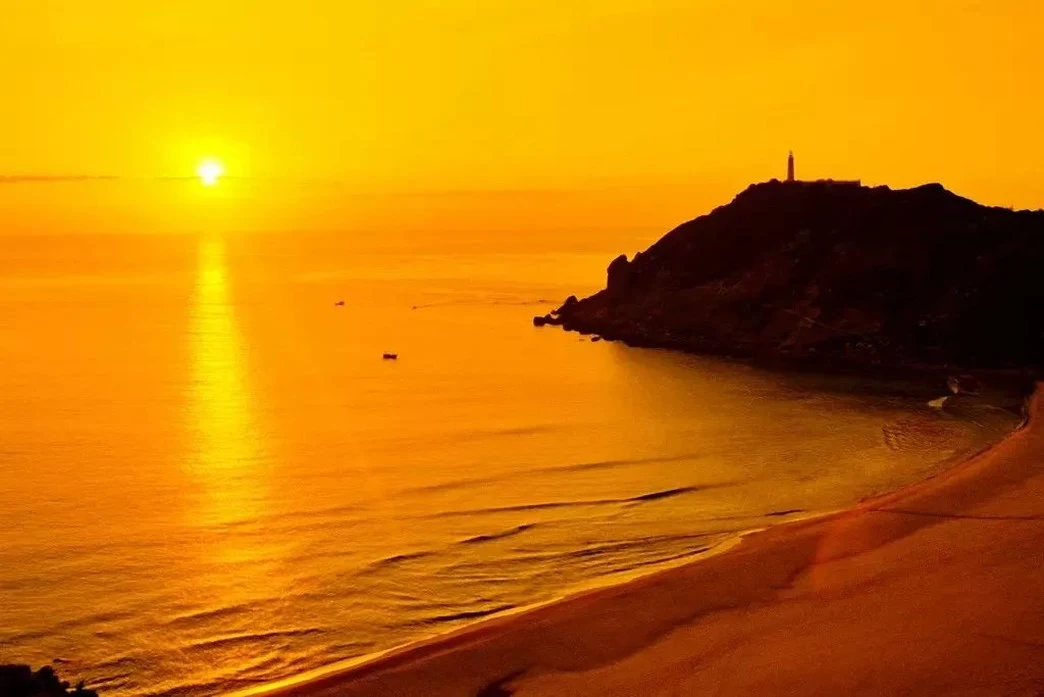
From about 20 December to mid-January, Western Christmas holidays overlap with New Year breaks in Russia and across Asia, and beach hotels and flights are at their most expensive. Tet, the Lunar New Year, starts on 6 February in 2027, and the government has approved the public holiday as 4-10 February 2027. The 30 April and 1 May holidays send Vietnamese families to the coast for a long weekend. And from June to August, school holidays fill Da Nang, Nha Trang and Phu Quoc with domestic travelers, so the coast feels like high season even though the catalogs call it low.
What actually costs more
Almost all the extra money sits in three lines: hotels, flights and organized day trips. By open estimates, beach hotels add roughly 30 to 50 percent over shoulder-season rates in peak weeks, and more at New Year and Tet. The spread is wide, with resorts on the waterfront moving much more than a simple hotel a few streets back. A common slip is setting a waterfront resort’s peak rate against a hotel a few streets back at shoulder rates and blaming the season for the whole gap.
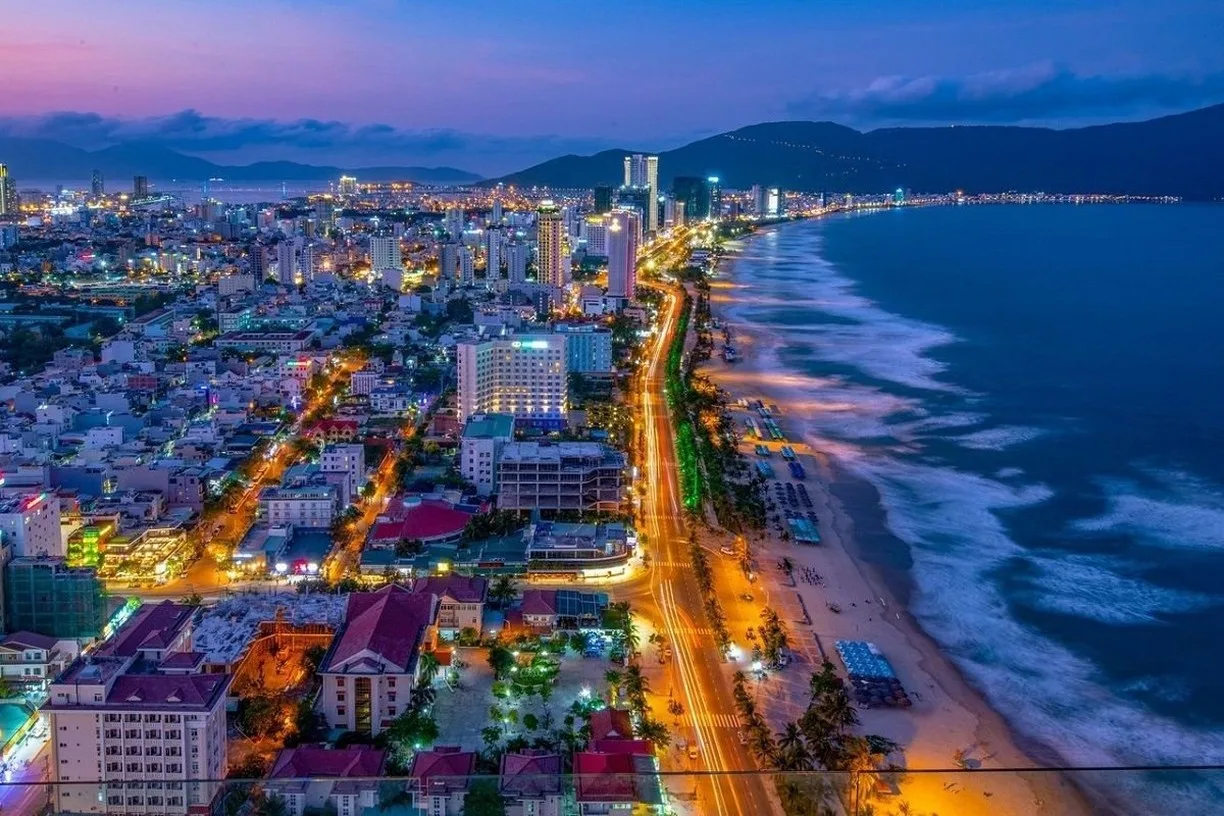
Flights are the second line. Direct flights and charters around New Year cost the most, and domestic flights between cities sell out weeks ahead around Tet. The third line is private cars and boat trips, which get booked first in peak weeks.
Food, coffee and ride-hailing barely change. A bowl of pho and a Grab ride cost about the same in December as in November, so the savings come from those three lines alone.
Tet: plan around it or skip it
Come for Tet only if you want the holiday itself: flower markets, decorated streets, fireworks on New Year’s Eve. For an ordinary beach week with easy logistics, move the trip to two or three weeks after Tet, when the south is still dry and prices are already falling.
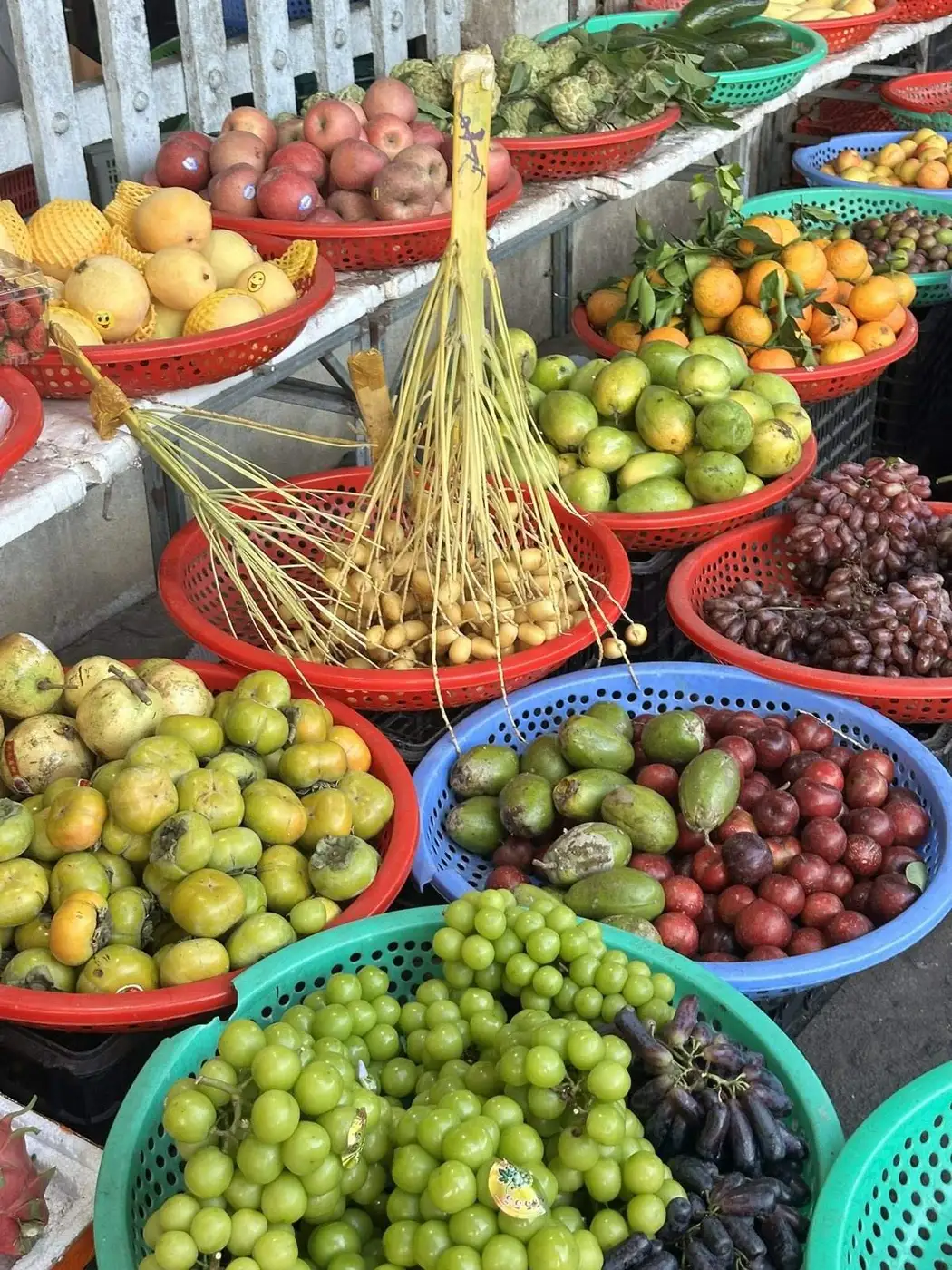
Tet changes the whole trip along with the price. Many Vietnamese travel to their home towns, buses and trains are full, and small shops and cafes close for several days. Big resorts and hotels in tourist areas stay open, though kitchens and service can be reduced.
A booking order that saves money
Lock the flight first, then the hotel, then excursions. For peak dates, check flights two to three months ahead and beach hotels three to four months ahead. At New Year and Tet, do not wait longer. In shoulder season, a couple of weeks is usually enough.
Between a cheaper non-refundable rate and a flexible one with free cancellation, I’d pay the small difference for the flexible one: charter schedules move more often than scheduled flights, and a non-refundable booking turns into a risk. Also compare splitting a stay: two hotels for different nights are sometimes cheaper than one long booking over peak dates.
Payment needs a plan too. Foreign-issued cards, including those issued in Russia, often fail on international booking sites, and not every hotel takes cash at check-in. We take this part off your hands: we pay hotels and excursions for you and send the confirmations, so the card question does not decide your dates.
Smart ways to pay less without leaving the season
The easiest saving is neighboring dates. Late November gives the same dry southern weather as New Year at clearly lower prices, and late February does the same compared with Tet. The second is choosing a region whose peak does not match yours: in December the south and Phu Quoc are at their busiest and the center is cooler, while in September and October the golden rice terraces of the north fall in the quiet months for beaches.

Midweek check-in is the third trick. In holiday weeks, weekend nights cost more than weekdays, and shifting arrival by a day or two can remove a real share of the surcharge. The fourth, which I like best, is a hotel five to ten minutes on foot from the beach: over a longer stay it costs less than a front-line one, the saving repeats every night, and comfort stays the same.
What to do if you travel at the very peak
Book the things you cannot replace: the flight, the first and last nights, and the island or Ha Long Bay trip. Leave the rest flexible. In peak weeks beach loungers and queues for cable cars and parks fill early, so start excursions at opening time, well ahead of the after-breakfast rush.

Carry cash from the start. Resort towns have plenty of exchange points, but outside them cash is harder to get.
Flex your dates or book early
If your dates are flexible, move the trip two or three weeks away from the peak: the southern weather is the same and prices are lower. If they are fixed, book flights and hotel three to four months ahead, take a free-cancellation rate and settle payment before you fly.
Our team lives in Vietnam and has run tours here since 2023. For a longer trip through the whole country, we can build the route around your dates. For everything else, tell us your dates and we will check whether they fall in a peak window and pick hotels and excursions.
FAQ
What is closed during Tet?
Many shops, cafes, small stalls and offices close for several days, and some banks and exchange points do too. ATMs usually work but can run empty near the end of the holiday, so change cash in advance. Restaurants and museums in tourist areas often shorten their hours.
What if a charter is rescheduled and my hotel is non-refundable?
Write to the hotel as soon as you hear about the change and ask to move the dates rather than cancel: many hotels agree when warned early. Keep the operator’s confirmation of the change. This is exactly why peak dates call for a free-cancellation rate.
Do hotels ask for prepayment at New Year and Tet?
More often than in shoulder season, yes, for one or several nights or for the whole stay, and the refund terms are stricter. Read the cancellation conditions before you pay and keep your correspondence with the hotel.
Is summer a good time to go with children?
The coast is hot and crowded because of school holidays, and in the center the typhoon risk grows toward the end of summer. Our typhoon season guide shows how that risk changes by month.