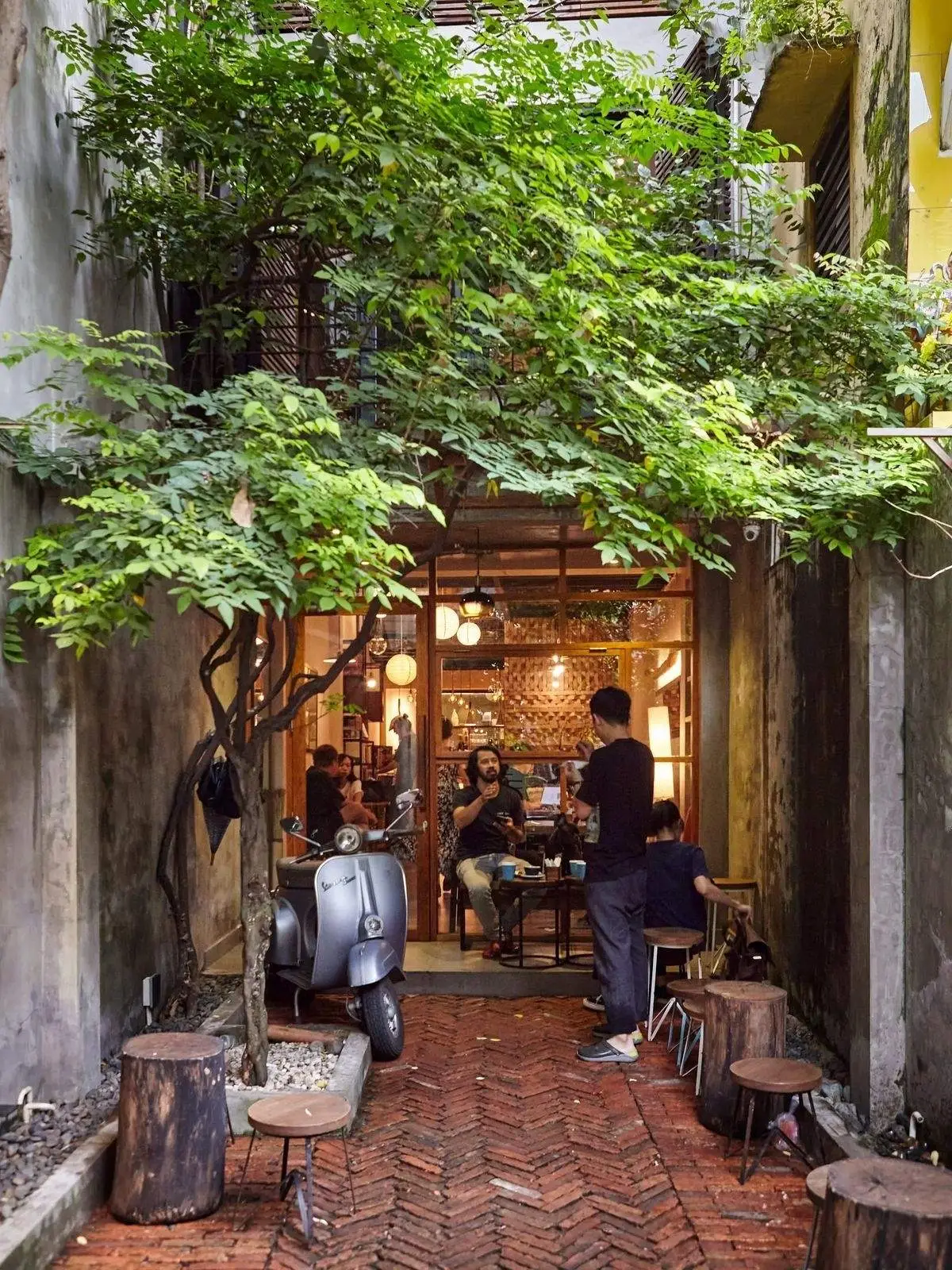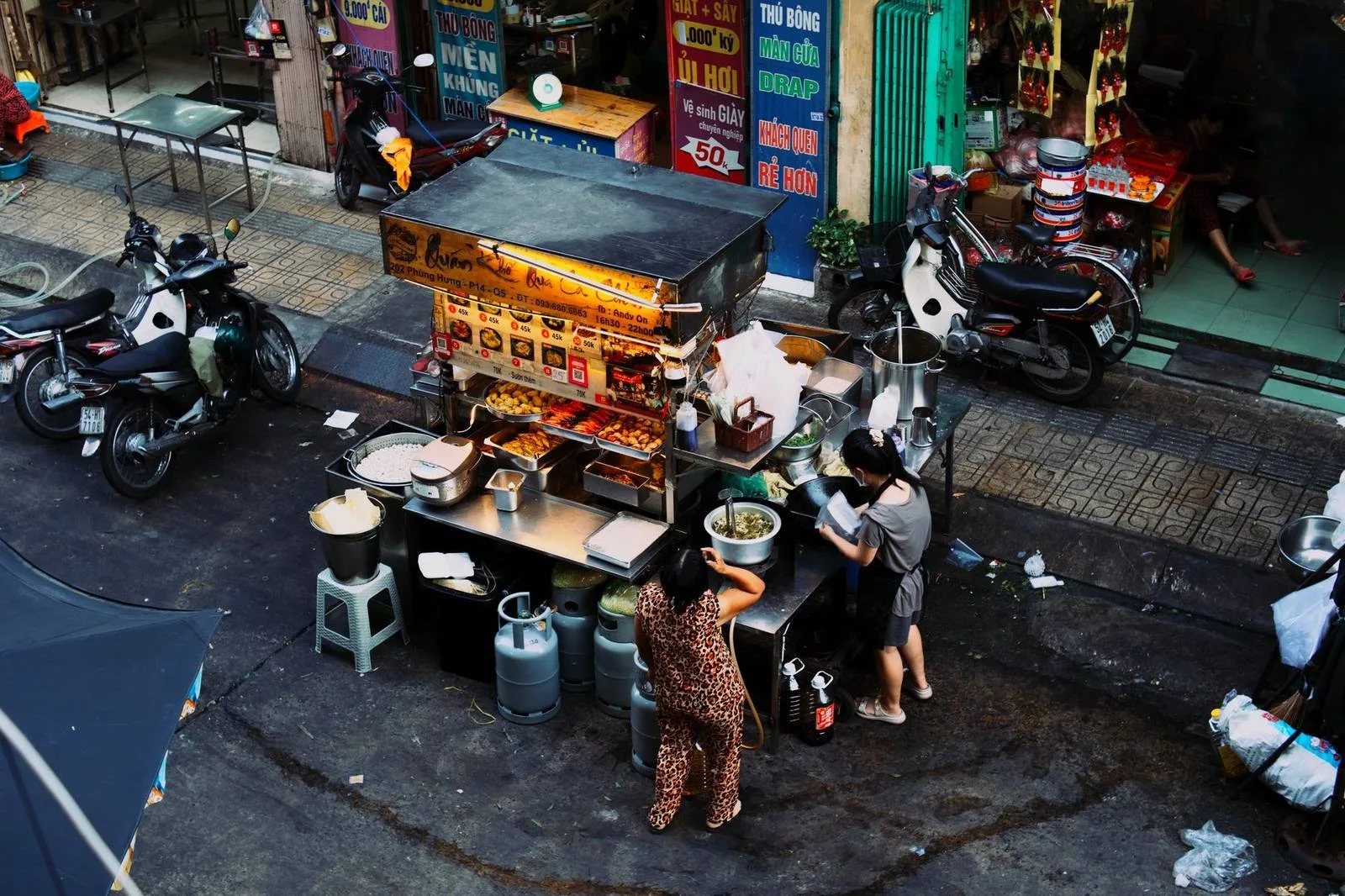
A week of eating in Vietnam on a backpacker budget runs $60-90 per person, and closer to $150-200 if you eat at tourist-facing restaurants most nights. The gap comes down to one choice you make at every meal: local plastic-stool spot or English-menu place with a sea view.
What a day of eating actually costs
A bowl of pho bo at a local spot runs 40,000-70,000 VND, a banh mi from 20,000 VND, and Vietnamese iced coffee around 25,000 VND. Stack those three and a full day of street-food meals - breakfast, lunch, dinner - lands at 150,000-250,000 VND per person, roughly $6-10. That’s the number I use when I quote a first-time traveler what to expect before they land.
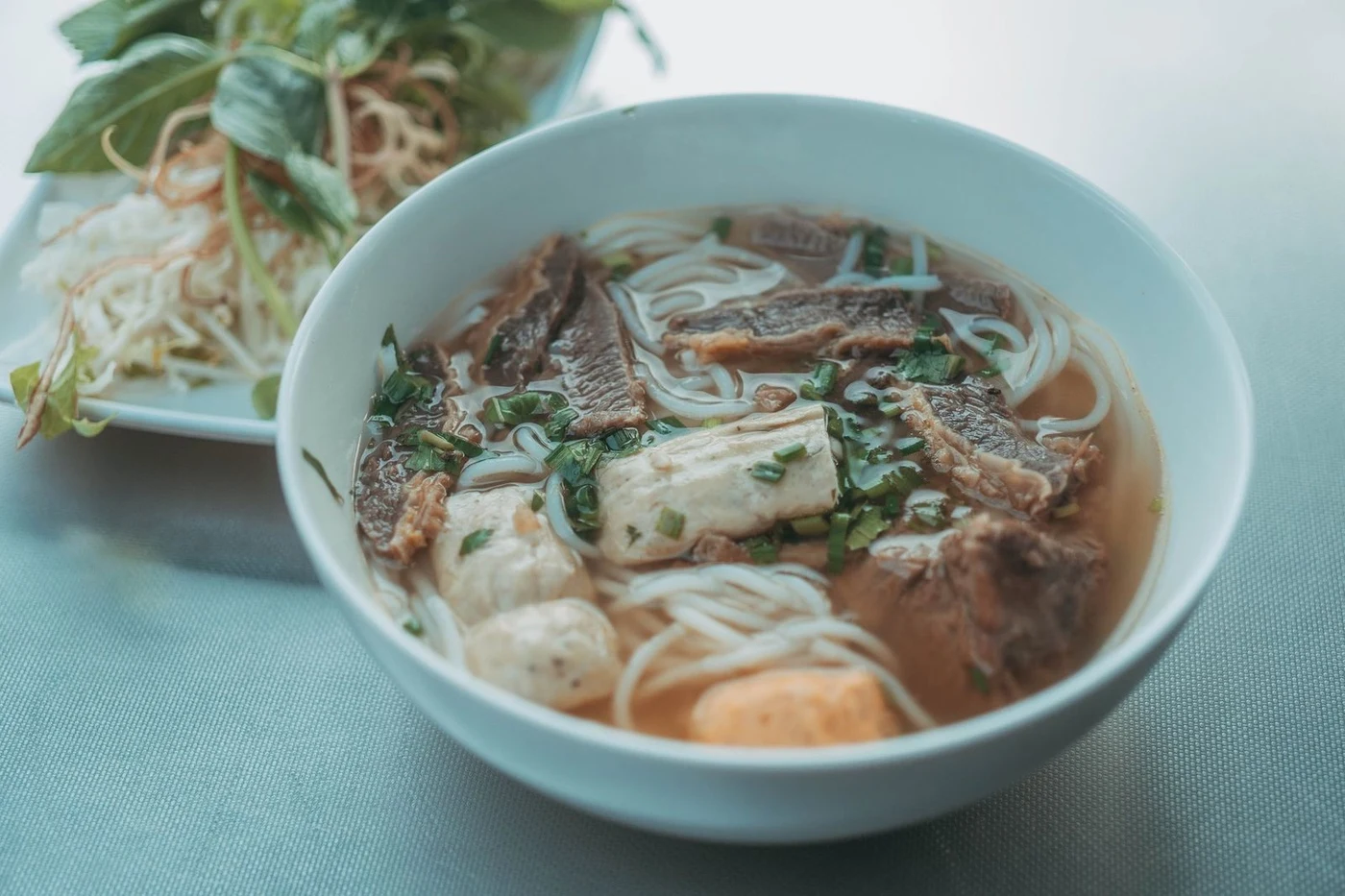
Add two coconuts and a fresh mango from the market and you’re still under $12 for the day. Eating this way isn’t a downgrade - it’s usually the better food, since the busiest street stalls turn over ingredients fast.
Street stalls vs tourist restaurants
Restaurants aimed at foreigners charge 120,000-220,000 VND for a main dish, two to three times the local price for the same rice-and-meat plate. A seafood platter for two on a beachfront strip starts around 700,000 VND, and a dinner with wine at a nicer restaurant runs from 1,500,000 VND for two - imported alcohol carries heavy tax in Vietnam, so the wine costs more than the food.
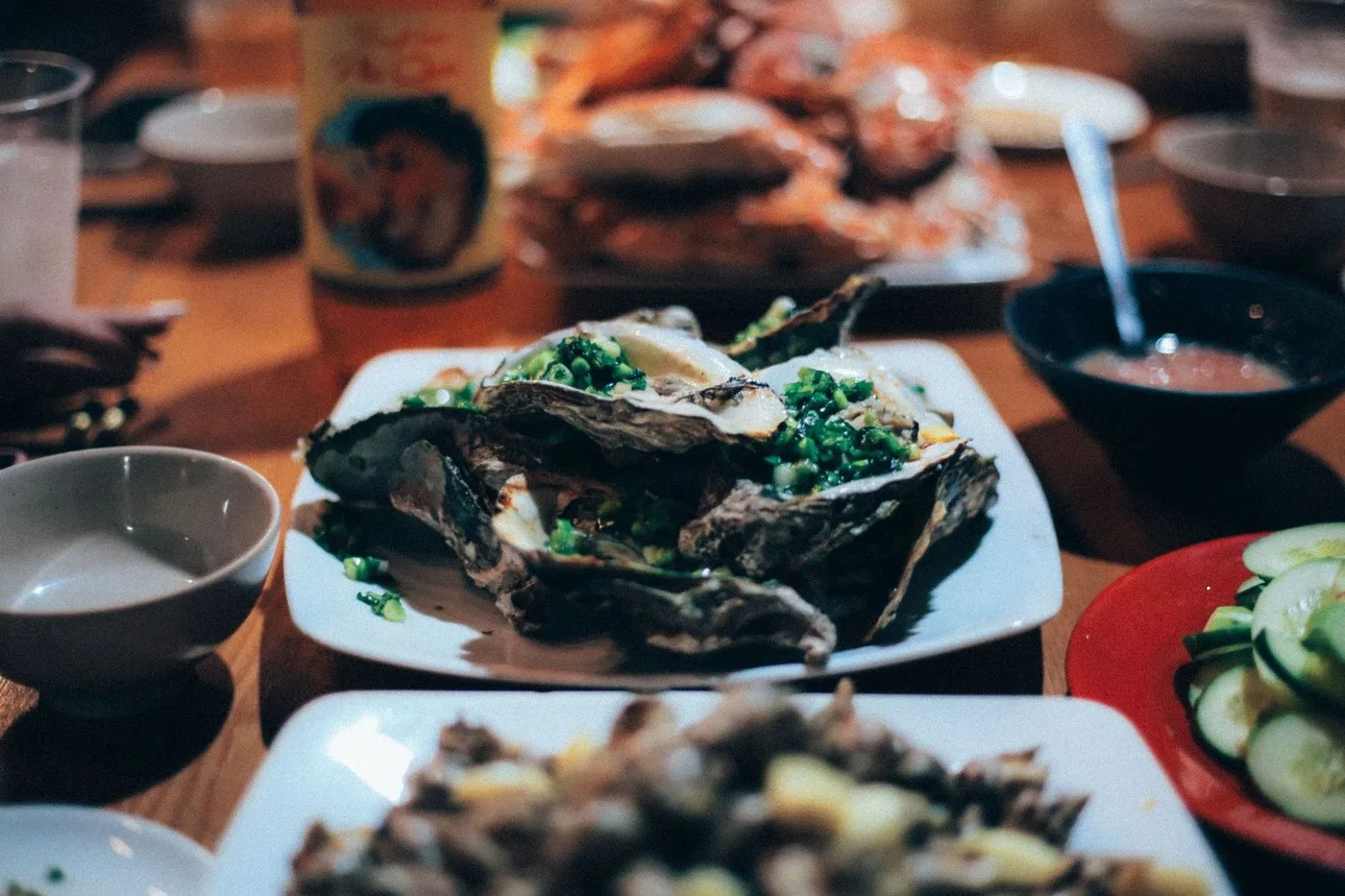
None of this means avoid tourist restaurants entirely. It means budget for them as an occasional splurge, not your default three meals a day, or your week’s total doubles fast.
Self-catering: markets and supermarkets
If you’re staying a week or longer in an apartment with a kitchen, markets beat supermarkets on produce. Rice runs 15,000-30,000 VND per kilogram, a kilo of chicken from 100,000 VND, and eggs 22,000-30,000 VND for ten. Bargaining at the market is normal - a 20-30% discount off the first price is standard, not rude.
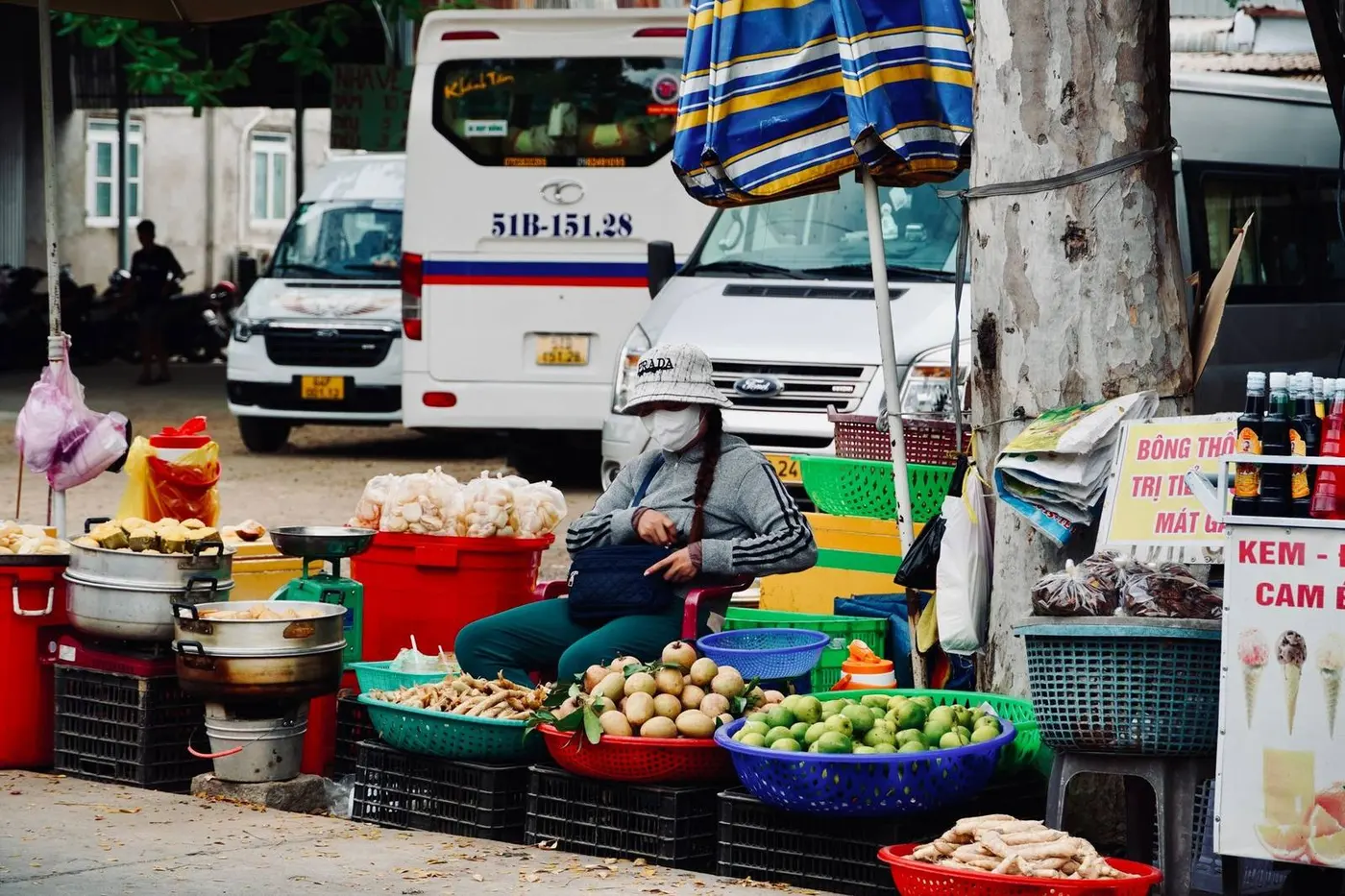
Beer is the other line item worth knowing: local Bia Saigon or 333 costs a third to a quarter of imported Heineken, and in Hanoi, fresh-brewed bia hoi runs 5,000-10,000 VND a glass - cheaper than bottled water. If you want to go deeper on regional dishes before you land, our street food guide by region breaks down what to order in Da Nang, Hoi An, and further north.
Coffee and beer: the extras that add up
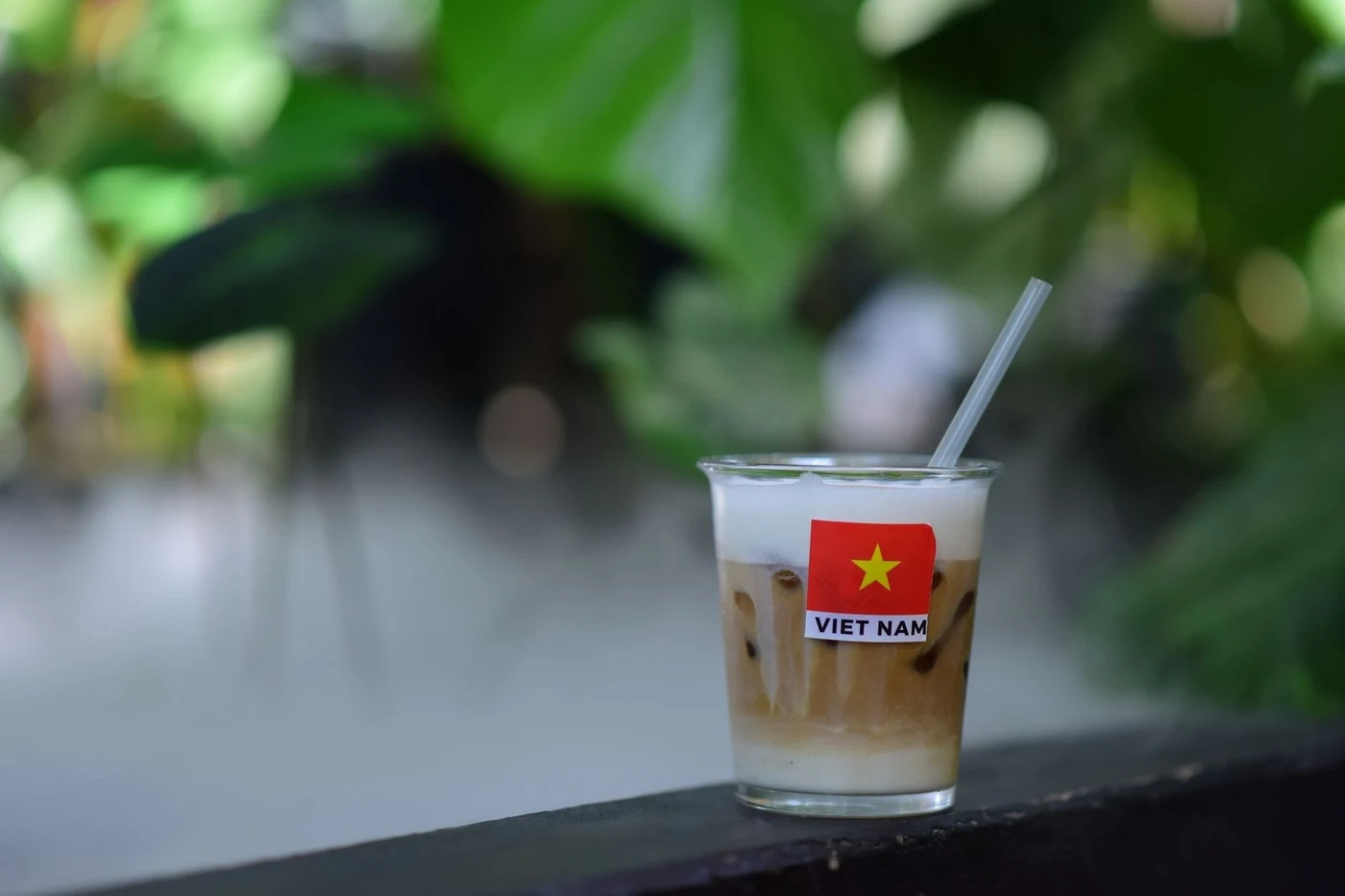
Vietnamese iced coffee (ca phe sua da) runs around 25,000 VND at a local cafe, and a fresh coconut from a street cart is 10,000-15,000 VND. Two coffees and a coconut a day adds roughly $2 to your daily total - small on its own, easy to forget when you’re estimating a week.
Local beer (Bia Saigon, 333) costs a third to a quarter of imported Heineken, and in Hanoi, fresh-brewed bia hoi runs 5,000-10,000 VND a glass. If you’re having a couple of drinks most evenings, budget an extra $3-5 a day on top of your meal total.
Weekly budget by travel style
| Style | Daily food cost | Weekly total (1 person) |
|---|---|---|
| Street food only | $6-10 | $42-70 |
| Mixed local + occasional restaurant | $12-18 | $84-126 |
| Tourist restaurants most nights | $22-30 | $154-210 |
Most travelers land in the middle tier without planning to - a street-food lunch, a nicer dinner, a couple of beers. That’s a realistic number to plan around rather than the bare-minimum street-food figure alone, and it’s the tier we build into the food stops on our Vietnam tour routes .
Planning meals for a whole group changes the math again - coordinating one restaurant booking for eight people costs less per head than everyone eating separately, but it takes local knowledge of which places can actually seat a group on short notice. That’s the kind of detail I sort out before a group ever lands, so nobody spends their first night in Vietnam scrolling maps for a table.
If you’d rather skip the spreadsheet and just tell me your dates, message me on Telegram and I’ll sketch a food-and-route budget for your trip.