
Flying is the fastest way to cover every major domestic route in Vietnam, and often the cheapest too: Hanoi to Da Nang takes about 1 hour 20 minutes and starts around $23-47 one-way, against 15-17 hours by train or 16-18 hours by sleeper bus for the same trip. The math only flips on longer hauls like Hanoi to Ho Chi Minh City, where a soft sleeper train ($65-85) or sleeper bus ($25-40) can undercut a last-minute flight ($100-120+) - if you have a spare day or two to burn on the way.
Vietnam Transport at a Glance: Flights vs Train vs Sleeper Bus by Route
Three domestic routes cover most trip planning in Vietnam: Hanoi-Da Nang, Hanoi-Ho Chi Minh City, and Da Nang-Ho Chi Minh City. I’ve lived in Da Nang since 2023 and book all three legs for clients regularly, so these numbers reflect real bookings, not press releases.
| Route | Flight (time / price) | Train (time / price) | Sleeper bus (time / price) |
|---|---|---|---|
| Hanoi ↔ Da Nang | ~1h20m / $23-100 | ~15-17h / $35-85 | ~16-18h / $18-30 |
| Hanoi ↔ Ho Chi Minh City | ~2h10-20m / $35-120+ | ~32-37h / $40-85 | ~25-40h / $25-40 (not recommended direct) |
| Da Nang ↔ Ho Chi Minh City | ~1h20-25m / $19-26+ | ~17-18.5h / $28-63 | ~14-15h / $20-40 |
Prices swing with booking window and season - Tet (Lunar New Year) and July-August push every mode up. Treat the ranges above as what you’ll actually see on a normal week, not a floor or ceiling.
How Much Does It Cost to Fly from Hanoi to Da Nang in 2026?
A one-way Hanoi-Da Nang flight runs $23-47 booked a few weeks ahead, climbing to $70-100+ for last-minute or peak-season seats. Vietnam Airlines and VietJet Air both fly the route directly in about 1 hour 20 minutes.
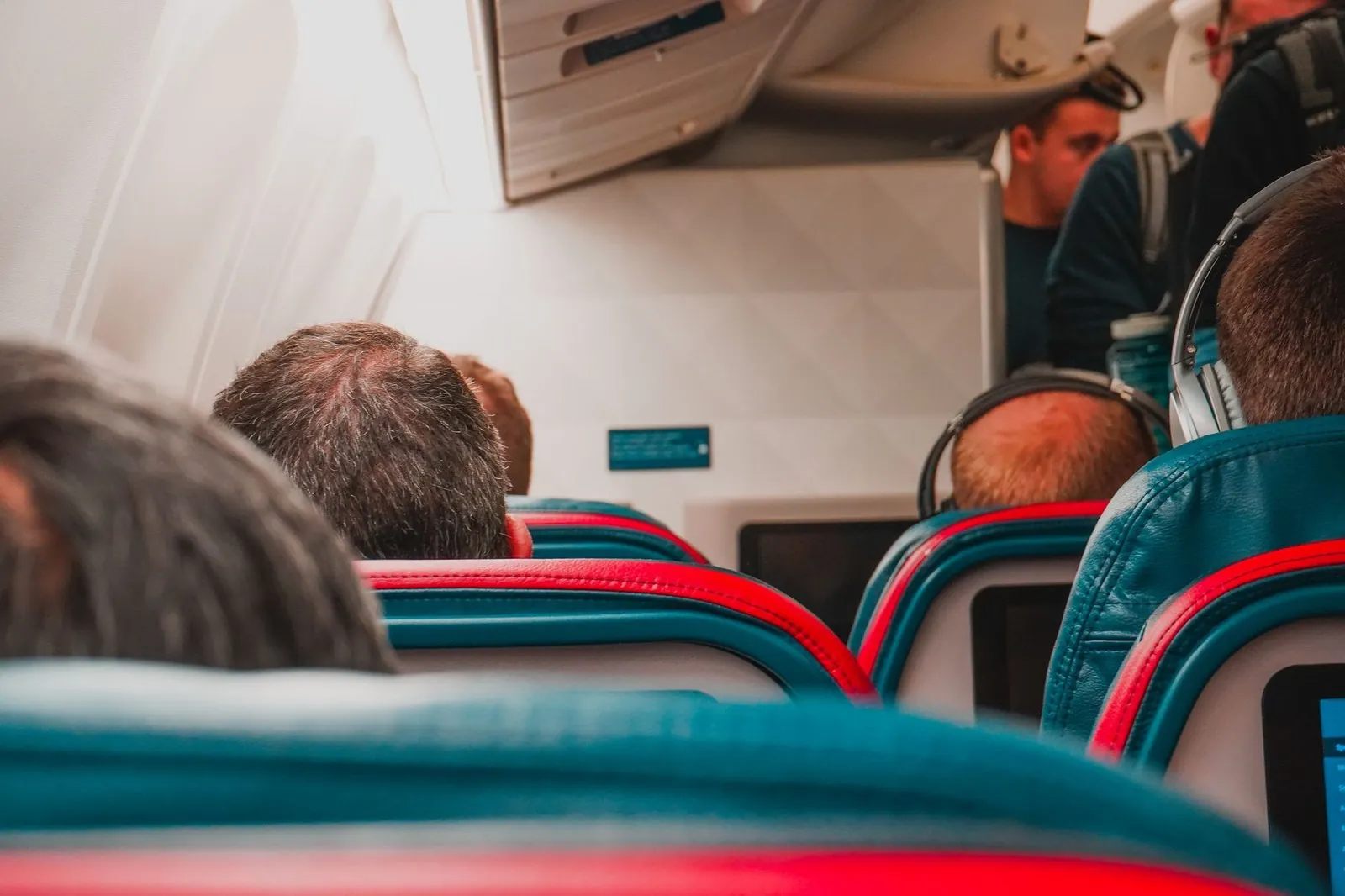
Vietnam Airlines runs roughly 20 flights a day on this corridor, so seats are rarely the problem - price is. VietJet undercuts Vietnam Airlines by $30-70 but charges separately for bags and seat selection, which narrows the gap once you add a suitcase. Book 3-4 weeks out; last-minute Hanoi-Da Nang fares are a reliable way to overpay.
How Long Is the Train from Hanoi to Da Nang, and What Does It Cost?
The Hanoi-Da Nang rail segment covers 791 km in about 15-17 hours, with the fastest listed departure (train SE3) leaving Hanoi at 19:20 and rolling into Da Nang roughly 15 hours later. Fares run $35-38 for a soft seat up to $85+ for a premium 2-berth VIP cabin, with a standard soft sleeper around $55.

This is the Reunification Express, run by state operator Vietnam Railways (trains SE1 through SE8+). The appeal isn’t speed - it’s the daylight stretch through the Hai Van Pass at dawn, genuinely one of the best train views in Southeast Asia. If that view isn’t the point, fly instead.

What Does the Sleeper Bus Cost on the Hanoi-Da Nang Route?
A Hanoi-Da Nang sleeper bus takes roughly 16-18 hours and costs about $18-30 one-way, making it the cheapest of the three options on this leg. Operators like Hoang Long depart from Hanoi’s Nuoc Ngam bus station with flat sleeper-berth seating.
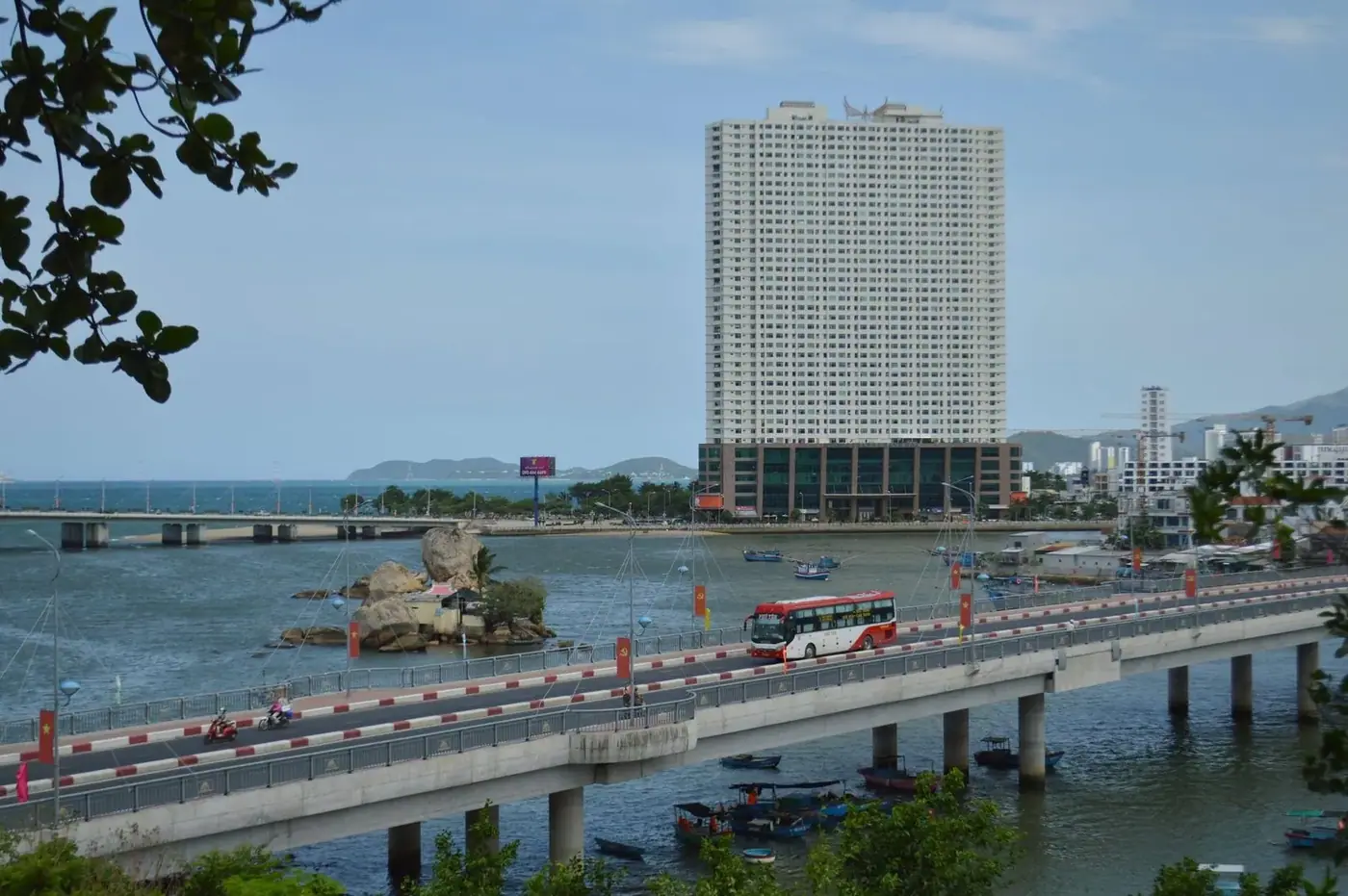
Budget operators are noticeably less consistent than bigger names - WiFi, air-con and toilets vary, and berths get oversold occasionally. Futa Bus (Phuong Trang) runs tighter, but focuses mainly on routes south of Da Nang, so it’s not always the pick here.
How Much Does It Cost to Fly from Hanoi to Ho Chi Minh City?
Flying Hanoi to Ho Chi Minh City takes about 2 hours 10-20 minutes, with VietJet fares starting around $35-43 in low season and Vietnam Airlines typically running $100-120+ for the same route. This is the country’s busiest domestic corridor by a wide margin.
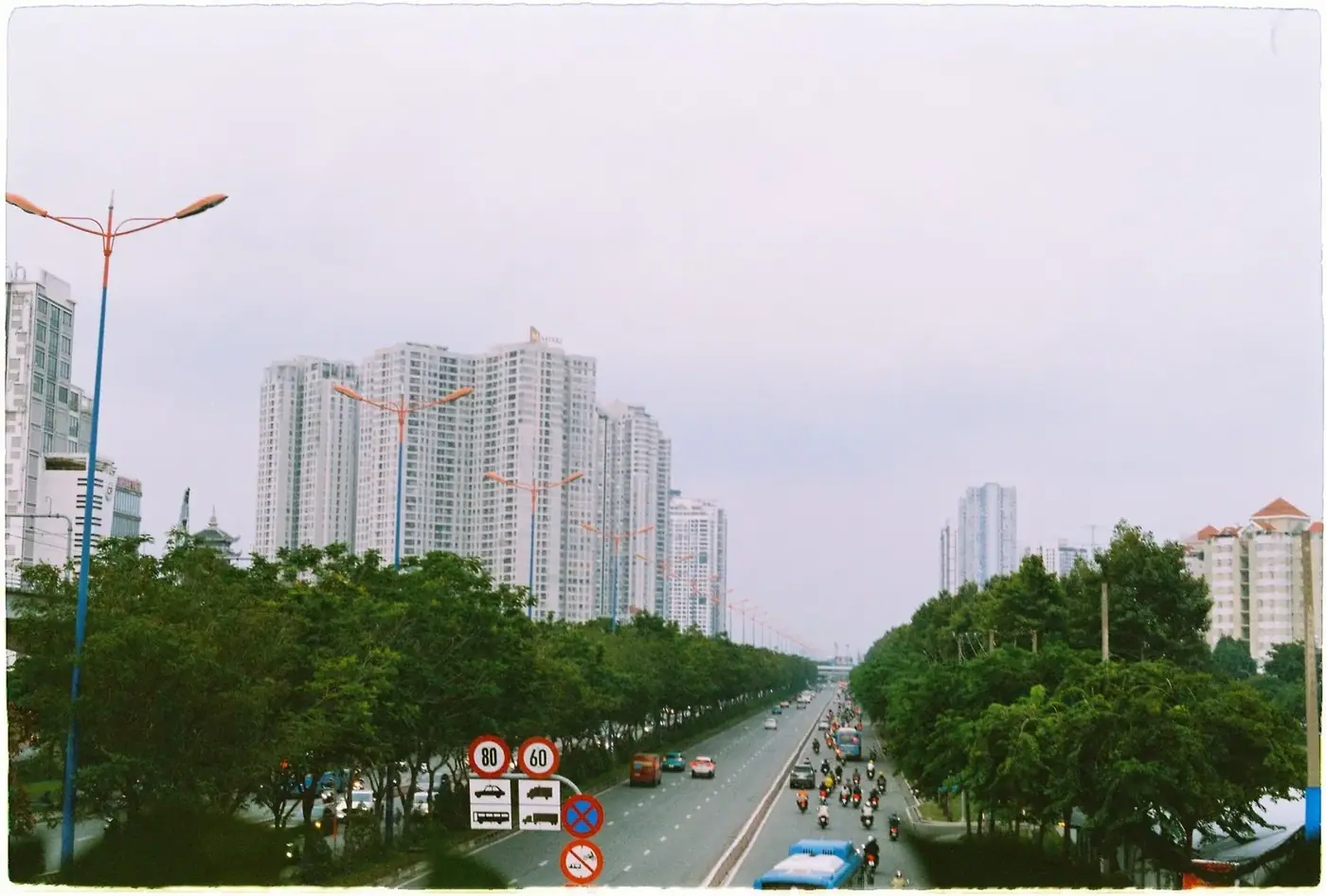
That $65-85 gap is the widest of the three legs in this guide, mostly because Vietnam Airlines leans on business travelers who book close to departure. If you’re flexible, VietJet plus a bag fee still usually beats Vietnam Airlines outright.
How Long Is the Reunification Express from Hanoi to Ho Chi Minh City?
The full Hanoi-Ho Chi Minh City rail journey covers 1,726 km and takes roughly 32-37 hours depending on the train, with a 4-berth soft sleeper costing $65-85 one-way and a hard seat for the same distance starting around $40. Booking through dsvn.vn directly is hit-or-miss for foreign cards - most travelers without a Vietnamese bank account book through Vexere instead, which sells the same official tickets and takes international Visa, Mastercard, JCB and Amex.
Nobody rides this full leg purely for transport efficiency - it’s a day and a half. It makes sense only if the train itself is the point, or you’re breaking the journey with stops in Hue or Nha Trang rather than riding it end to end.
Is a Direct Sleeper Bus from Hanoi to Ho Chi Minh City Worth It?
A direct Hanoi-Ho Chi Minh City sleeper bus costs roughly $25-40 (600,000-1,000,000 VND) from operators like Hoang Long and Mai Linh Express, but the ride runs well over 30 hours - longer than the train, for a similar or higher price. I don’t book this leg for clients; it’s a rough day and a half against a $35-43, two-hour VietJet flight.
Sleeper buses earn their keep on the shorter legs - Hanoi-Da Nang or Da Nang-Ho Chi Minh City - where the price gap against flying is bigger and the ride is under a day.
How Do Da Nang to Ho Chi Minh City Flights, Trains and Buses Compare?
Flying Da Nang to Ho Chi Minh City takes about 1 hour 20-25 minutes with VietJet fares from $19-26, the cheapest headline flight price of the three routes in this guide. The train segment runs 17-18.5 hours for $28-63, and sleeper buses take 14-15 hours for $20-40.
This is the one route where the sleeper bus genuinely competes - overnight buses leave in the evening and land you in the city around breakfast, saving a hotel night a same-day flight doesn’t. It’s also worth timing this leg around your Da Nang day trips so you’re not doubling back. Trains run only about twice daily here, so book sleeper cabins 3-7 days ahead, more around weekends and holidays. If you’re stringing this leg into a longer loop rather than a single hop, our full lineup of Vietnam routes shows how we usually sequence the legs end to end.
Is Bamboo Airways Still Reliable in 2026?
Bamboo Airways is still flying domestic routes in 2026, but with real financial strain: it was handed back to founder FLC Group in September 2025 with only about 7 aircraft and 12 domestic routes left, after a mid-2025 audit found it owed more than 9 trillion VND (roughly $370 million) to airports, fuel suppliers and banks. FLC added aircraft in December 2025 specifically to cover the 2026 Tet surge, but the airline’s schedule reliability isn’t yet on par with Vietnam Airlines or VietJet.
I’d still book Bamboo if it’s genuinely the cheapest or only direct option on a date - cancellations happen across every Vietnamese carrier - but I wouldn’t build a tight multi-city itinerary around a Bamboo connection right now.
When Should You Book Vietnam Train Tickets?
Vietnam Railways opens ticket sales about 60 days before departure for normal travel, extending to roughly 90 days ahead specifically for the Tet holiday period, when seats sell out months in advance. For a normal Hanoi-Da Nang or Da Nang-Ho Chi Minh City trip, booking 1-2 weeks out is usually enough to get your preferred berth class.
If you’re traveling anywhere near Tet (mid-February 2026), book the moment tickets open. Sleeper berths on the Reunification Express are the hardest transport product to get last-minute in the country during that window - harder than flights, which have more daily departures to fall back on.
Flight, Train or Bus: Which One Actually Fits Your Trip?
Pick a flight when time matters more than the ride itself, pick the train when the Hai Van Pass daylight stretch or the journey is part of the point, and pick a sleeper bus only on the shorter legs where it’s genuinely cheaper than flying by more than a token amount. For most first-time visitors doing Hanoi-Da Nang-Ho Chi Minh City on a 10-14 day itinerary , that usually means flying the long Hanoi-HCMC hop and taking the train or a short flight for Hanoi-Da Nang - roughly the same north-to-south stretch we run on our 15-day full-country route .
This is exactly the kind of routing headache my team at Vietnam Samurai untangles for every client itinerary - we already know which train has availability three weeks out and which flight legs are worth the extra $20 to avoid a 6am departure. If you’d rather hand off the routing than build it yourself, message me directly on Telegram and tell me your rough dates; I’ll map out the fastest, cheapest combination for your specific stops.
Will Vietnam’s New High-Speed Rail Line Change Any of This in 2026?
Not yet. Vietnam’s proposed North-South high-speed rail line - 1,541 km, roughly $67 billion, targeting 350 km/h - has a government commitment to start construction by the end of 2026, with completion targeted for 2035. No segment is operational, so flights, the Reunification Express and sleeper buses remain the only real options for this corridor through at least the next several years.
Contractor selection was targeted for early 2026 and groundbreaking before year-end, but announced construction-start dates in Vietnamese infrastructure have slipped before. I wouldn’t hold off on trip planning waiting for it.
If you’d rather someone else handle the actual booking and stitch the legs together, Vietnam Samurai plans multi-city routes across Vietnam for a living - message me on Telegram with your dates and cities and I’ll lay out the combination that makes sense for your trip.
Methodology: Where These Numbers Come From
Prices and durations come from airline booking pages (Vietnam Airlines, VietJet Air), Vietnam Railways’ schedule data as resold through Vexere, and public fares from sleeper-bus operators including Hoang Long and Futa Bus/Phuong Trang, cross-checked against independent route trackers (Seat61, vietnamesetrain.com) current as of early 2026. Ranges reflect normal-week pricing; Tet and July-August run higher. Bamboo Airways’ status is sourced from Vietnamese financial press (VietnamNet, The Investor) covering its September 2025 ownership change.
Frequently asked questions
Is it cheaper to fly or take the train in Vietnam? On short legs like Hanoi-Da Nang, flying is usually cheaper once you book 2-3 weeks ahead - train soft sleepers run $35-85 versus $23-47 flights. On the long Hanoi-HCMC haul, a soft sleeper train ($65-85) can beat a last-minute flight, but rarely beats an advance-booked one.
How long is the train from Hanoi to Ho Chi Minh City? The full Reunification Express journey covers 1,726 km in roughly 32-37 hours depending on the specific train (SE1 through SE8 and higher-numbered services), making it one of the longest single train rides in Southeast Asia.
Can foreigners buy Vietnam train tickets online? Yes - besides Vexere, Baolau and 12Go.asia resell the same official Vietnam Railways inventory and both take foreign cards, so it’s worth trying a second reseller if one checkout fails. Your hotel front desk can also book it locally for a small fee.
Is Bamboo Airways still flying in 2026? Yes, on a reduced network of about 12 domestic routes with roughly 7 aircraft after founder FLC Group regained control in September 2025 following years of financial trouble. Book it for price or schedule fit, not as your only option on a tight itinerary.
Is Vietnam’s high-speed rail line open yet? No. The 1,541 km Hanoi-Ho Chi Minh City high-speed line has a government construction-start commitment for end-2026 and a 2035 completion target, but as of 2026 it exists only as a construction timeline, not a travel option.
Do sleeper trains or sleeper buses have working toilets and air-con? On the Reunification Express, yes, consistently. On sleeper buses, it depends heavily on the operator: Futa Bus/Phuong Trang and The Sinh Tourist run tighter, more consistent fleets, while budget operators like Hoang Long see more complaints about overselling berths and inconsistent AC.