Hoi An gives you the most atmospheric cooking class in Vietnam — a river boat to the school, a herb garden walk, and Cao Lau noodles made with water from a well that dates back to the Cham civilisation. Hanoi delivers Northern Vietnamese cuisine depth at $35–$67, with pho and bun cha taught in Old Quarter townhouses. Saigon (Ho Chi Minh City) offers the widest choice and the lowest entry point: a 1.5-hour express class at Hoa Tuc starts at just $14. I’ve compared all three cities by price, what you actually cook, which cuisine style you’d be learning, and when to go.
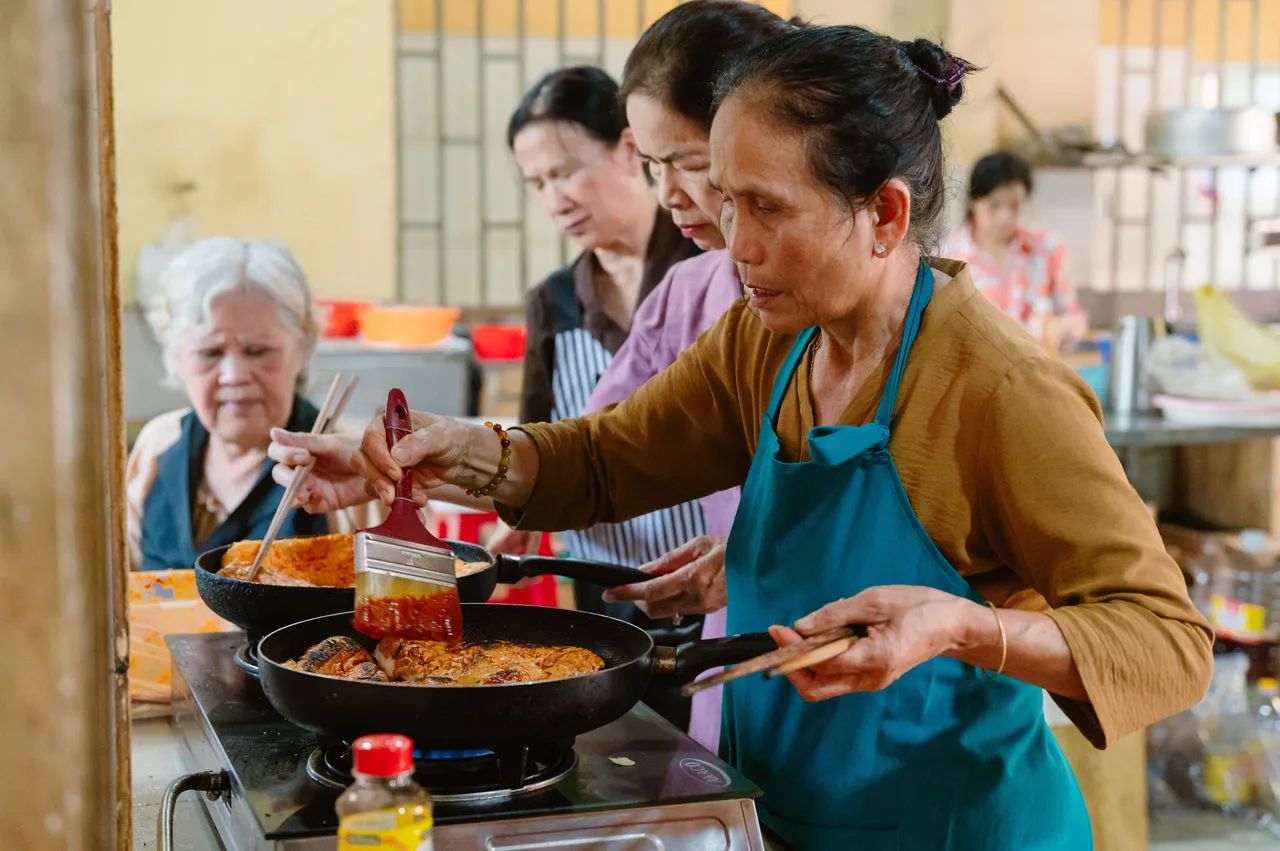
Hoi An vs Hanoi vs Saigon: quick comparison
| Hoi An | Hanoi | Ho Chi Minh City | |
|---|---|---|---|
| Price range | $23–$59 | $35–$67 | $14–$72 |
| Best value pick | Thuan Tinh Island, $41 (4.9★ / 3,240+ reviews) | Rose Kitchen, $35 (4.5h with market) | Hoa Tuc half-day, $39 (Tan Dinh market) |
| Premium option | Red Bridge Deluxe, $59 (max 8 people) | Chef Duyen’s Home Classes, $67 | Organic Farm to Table, $55 (7h) |
| Cuisine style | Central — boldest, spiciest, royal heritage | Northern — subtle, clear broths, minimal sugar | Southern — sweetest, herb-heavy, Mekong influence |
| Typical duration | 3–5 hours | 3–4.5 hours | 1.5–7 hours |
| Best months | Feb–May | Oct–Nov, Feb–Apr | Dec–Apr |
Which city wins on price?
Ho Chi Minh City has the widest price spread — from a $14 express 1.5-hour class at Hoa Tuc all the way to a $55 farm-to-table full day. That range means you can fit a Saigon cooking class into almost any schedule and budget.
Hoi An is deceptive: the cheapest option is genuinely budget — Red Bridge Evening runs $23 for a 2-hour session with maximum 10 people, covering fried spring rolls, grilled fish in banana leaves, and beef salad. But the signature experience — Red Bridge Deluxe with a river boat, herb garden, 3 hours of cooking with a maximum of 8 people — costs $59. Mid-range Hoi An sits at $35–$44, with Thuan Tinh Island at $41 being the standout (4.9/5 on Tripadvisor from over 3,240 reviews, 5 hours including a boat ride to an island kitchen).
Hanoi is the most predictable city in the comparison. Budget starts at $35 (Rose Kitchen, 4.5 hours, market tour included). Mid-range runs $39–$54. The premium end stops at $67 for Chef Duyen’s Home Classes. You won’t find a quick express option, but you also won’t pay $59 for a 3-hour class.
Quick verdict: Saigon wins on flexibility. Hoi An gives the best immersive experience per dollar at $41 (Thuan Tinh Island). Hanoi is most predictable — $35–$67, no surprises.
What do you actually cook in each city?
The three regions of Vietnam produce genuinely different cuisines. This is what you’d be learning, city by city.
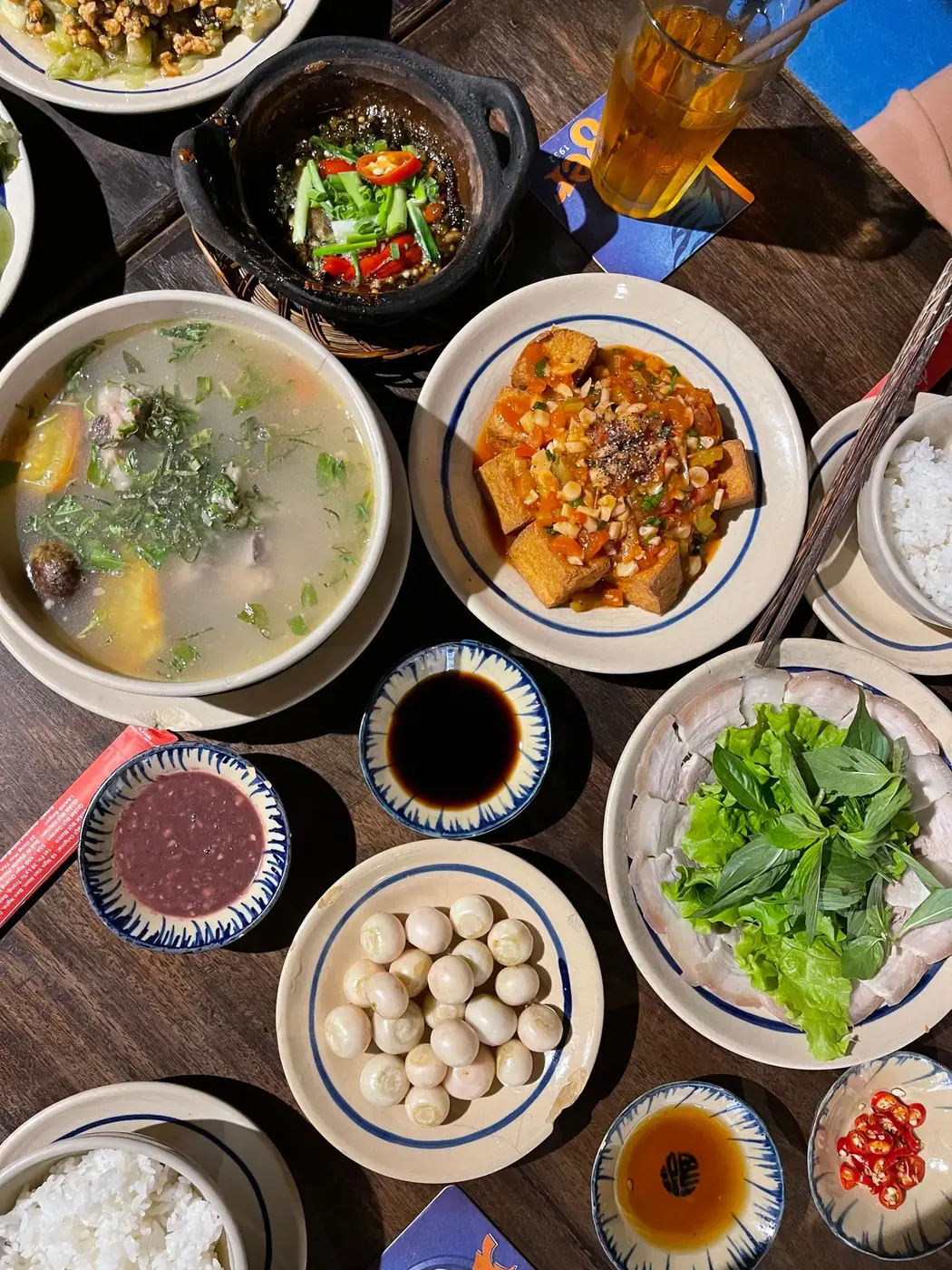
Hoi An (Central Vietnam): The region carries the royal Nguyen Dynasty culinary heritage from Hue — it’s the boldest, most complex cuisine of the three. Classes teach Cao Lau, a dish that cannot be authentically made outside Hoi An: the noodles require water from the Ba Le Well and ash lye from wood of Cham Island, both unique to the area. You also cook White Rose dumplings (Banh Bao Vac), fried wonton, and Banh Mi Hoi An — the city’s “holy trinity.” If you want to make something genuinely tied to one place on Earth, Hoi An delivers.
Hanoi (Northern Vietnam): Northern cuisine runs subtle and clean — minimal sugar, fewer chilies, clear broths, and a strong Chinese influence from historical proximity to the border. The Hanoian pho you make won’t have bean sprouts or hoisin sauce at the table (that’s the Southern version). Classes at schools like Blue Butterfly in the Old Quarter ($54, 4 hours) cover Pho Bo, Bun Cha (grilled pork with rice noodles — Obama’s famous lunch), Cha Ca La Vong (turmeric fish with dill), and Banh Cuon (steamed rice rolls). Apron Up ($39, 3 hours, small group of 6–10) packs in 5 traditional Hanoian dishes.
Ho Chi Minh City (Southern Vietnam): Southern cuisine is the sweetest of the three, shaped by the Mekong Delta’s coconut and sugar cane abundance, plus Cambodian and French colonial influence. You’ll make the full Southern pho with a garnish tray (bean sprouts, Thai basil, lime, hoisin — the proper Southern way), Banh Xeo (sizzling coconut-milk crepes), and Canh Chua sour soup. Hoa Tuc’s half-day class (990,000 VND / ~$39 including Tan Dinh Market tour) uses a restaurant-grade kitchen and runs three sessions daily.
Which city is best for first-time Vietnam visitors?
If this is your first Vietnam trip and you only have time for one cooking class, Hoi An is the right call. The experience packs in more than just cooking: a morning at the market, a 25-minute river boat ride on the Thu Bon (Red Bridge half-day, $35), a herb garden walk, and hands-on cooking of dishes you simply can’t make at home. Thuan Tinh Island’s $41 class adds an open-air island kitchen on the water.
For a deeper look at how to fit Hoi An into your overall route — including cooking class scheduling — see our Vietnam itinerary guide for 7, 10 and 14 days .
Hanoi suits travellers who are spending several days in the North and want to understand Northern cuisine specifically, or who’ve already done Hoi An. The city’s cooking school scene is clustered in and around the Old Quarter, which makes combining a class with a city walk easy.
Saigon is the pick when you’re short on time. Hoa Tuc runs express 1.5-hour sessions (450,000 VND / ~$18 daytime) at 9am, 2:30pm, and 6pm daily — you can slot one in between arrival and dinner.
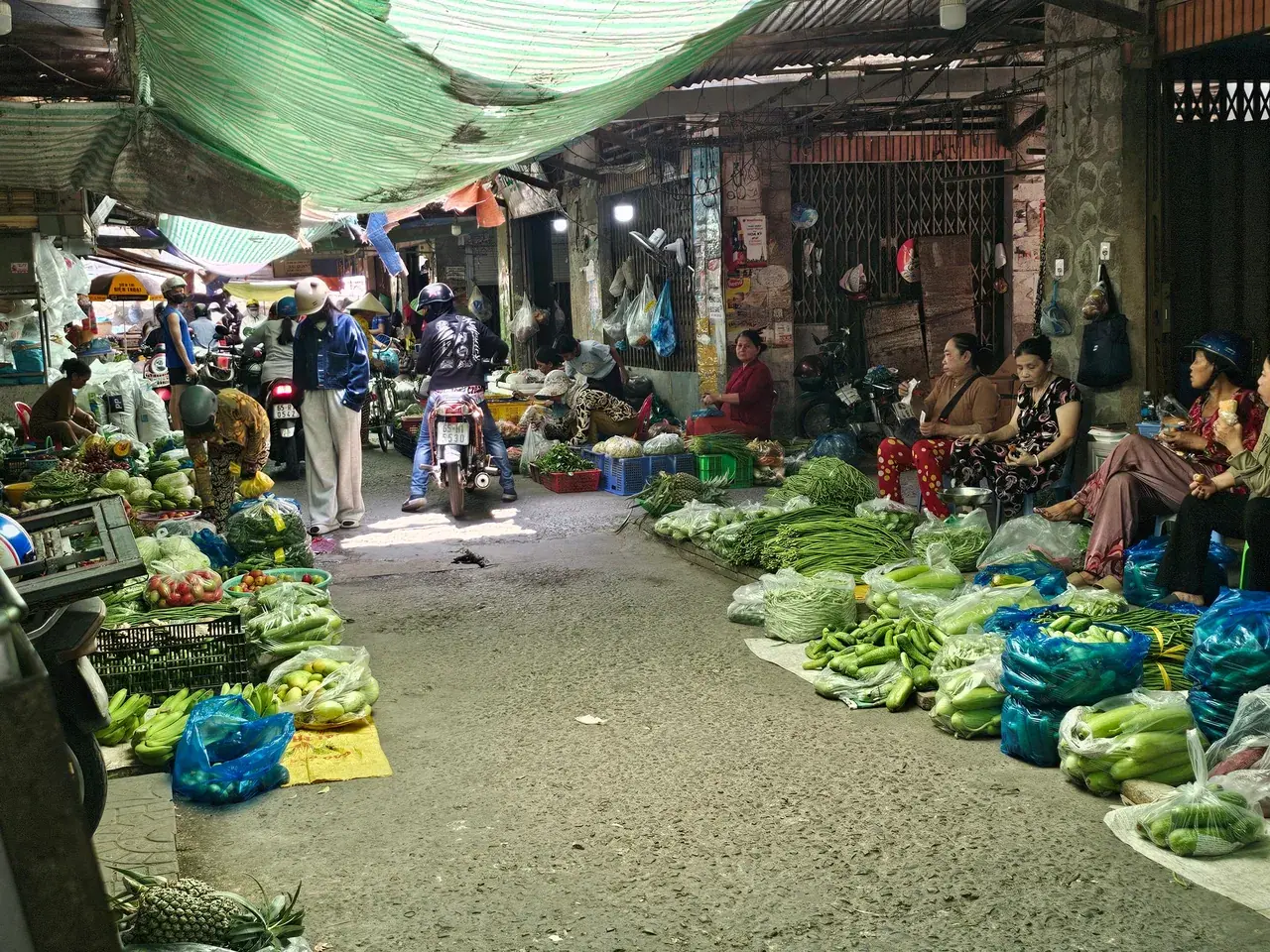
Top schools by city
Hoi An
- Red Bridge Cooking School — $23 (Evening, 2h, max 10 people) / $35 (Half Day, market + 25-min boat ride + herb garden + 2h cooking) / $59 (Deluxe, max 8 people, 3h, 4 dishes: Pho, Clay Pot Fish, spring rolls, grilled fish). Most popular: the Half Day at $35.
- Thuan Tinh Island Cooking Tour — $40–$41, 5 hours, 30-minute boat to island kitchen, market tour, 4–5 dishes. Rated 4.9/5 on Tripadvisor with over 3,240 reviews. Best overall value in Hoi An.
- Morning Glory Cooking School — run by Ms Vy (Trinh Diem Vy), 18+ years operating, four programs by skill level. Current 2026 price unconfirmed (official site returned 404); expect the $30–$40 range.
- Leina Cookery — $26, 4 hours, no market tour, small group, 5.0 on Cookly (20 reviews).
For more options in the area, see our day trips from Hoi An guide .
Hanoi
- Rose Kitchen — $35, 4.5 hours, market tour, small group. Best value for duration in Hanoi.
- Apron Up — $39, 3 hours, small group (6–10), 5 traditional Hanoian dishes.
- MAI Kitchen — $40, 3.5 hours, Pho + Bun Cha + Banh Xeo, no market tour.
- Blue Butterfly (Old Quarter) — $54, 4 hours, Pho Bo, Vietnamese classics, long-running school.
- Chef Duyen’s Home Classes — $67, 4 hours, home cooking setting, premium end of Hanoi.
- Hoa Sua School — $35–$50, half day, social enterprise training disabled youth; 6km from central Hanoi in Linh Nam suburb.
Ho Chi Minh City
- Hoa Tuc Cooking Class — $14–$39 depending on format: Express 1.5h (350,000–450,000 VND), Hands-On 3h (750,000–840,000 VND), Half-Day with Tan Dinh Market (990,000 VND / ~$39). Vegetarian options available.
- Saigon Cooking & Market Tour — $42, 4 hours, group of 8–12.
- Vietnamese Cooking with Chef Vu — $40, 4 hours, market + class.
- Organic Farm to Table — $55, 7 hours, farm visit + cooking, rated 5.0 on Cookly.
When to go for each city
Hoi An: February–May is the sweet spot — dry season, 22–28°C, crowds thin out after the Tet rush. Avoid October: the Old Town floods and outdoor kitchens at riverside schools close. If you’re visiting in summer (June–September), look for schools with air-conditioned kitchens.
Hanoi: Hanoi has four distinct seasons, unusual in Vietnam. The best cooking class windows are October–November (autumn, 19–25°C, clear skies, low humidity) and February–April (spring, mild temperatures). Avoid June–August: at 35°C+ with high humidity, cooking over a wok becomes a serious endurance test.
Ho Chi Minh City: December–April (dry season, up to 35°C but consistently sunny) is most pleasant. Classes run year-round though — monsoon-season rains (May–November) are brief afternoon bursts, not all-day downpours, so a morning or evening class is unaffected. The 6pm Hoa Tuc session runs 365 days a year.
Booking lead time: 1–3 days ahead in low season; 3–5 days in peak months (March–May for Hoi An, December–February for Saigon). Small-group classes capped at 4–8 people fill first.
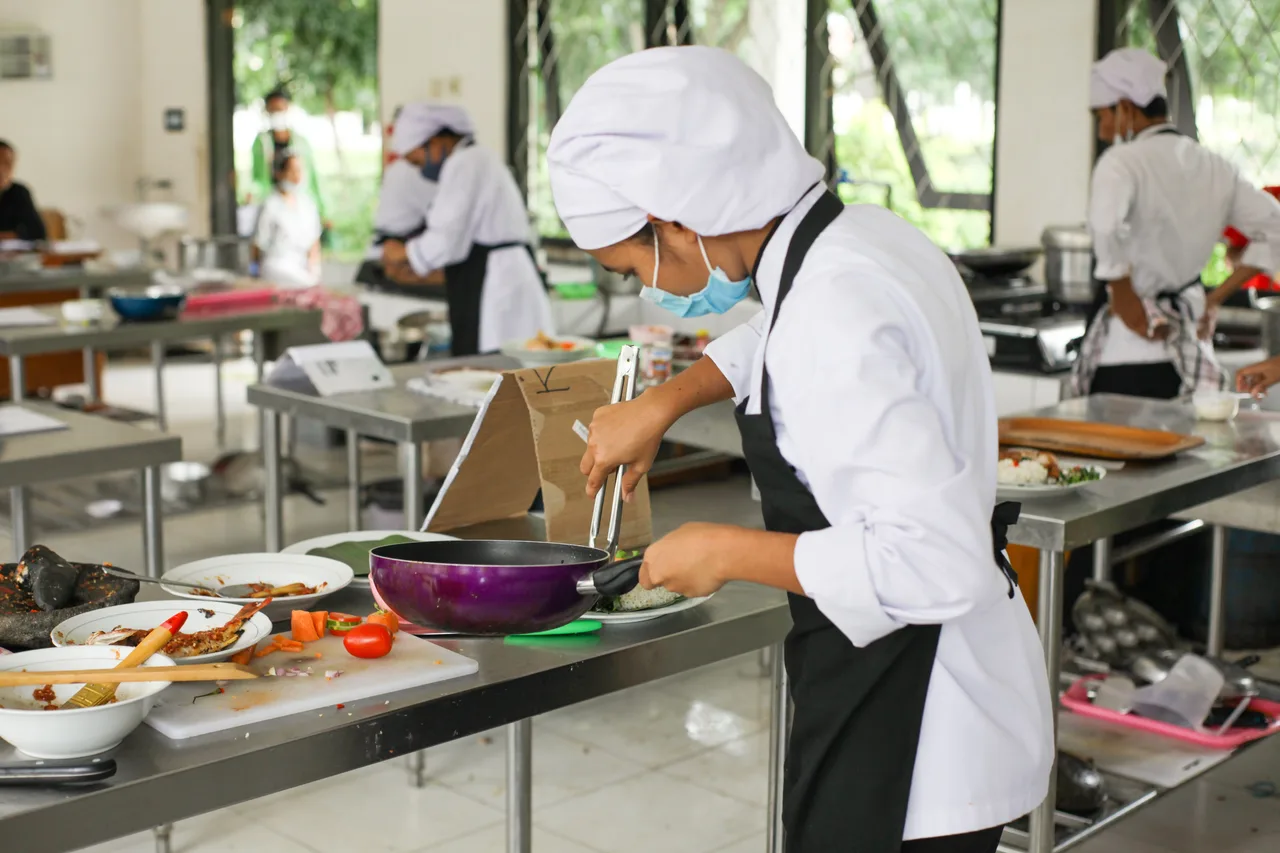
Group vs private: what the format changes
Standard group classes across Vietnam run 6–12 people. Private options cap at 2–8 and typically cost 30–50% more for the same duration.
The practical difference: in a small group you get more hands-on time at each station and can ask the chef to slow down on specific techniques. In a 20+ group class (Red Bridge standard format), you mainly watch demonstrations and attempt one dish yourself at the end.
Red Bridge Deluxe (max 8, $59) sits in the sweet spot — private-class attention at a group price. Thuan Tinh Island’s open-air island kitchen also delivers a less packaged feel than the big riverside schools.
81% of international tourists say exploring local cuisine is important to them, and travellers on average spend 25–35% of their travel budget on food (World Food Travel Association). A cooking class turns that food spend into a skill you take home.
If you want help building a Vietnam itinerary with a cooking class at its centre — or want a guide who can take you beyond the tourist circuit to eat and cook like a local — write to us on Telegram @vietnam_samurai . I run custom Vietnam tours and can put together a food-forward itinerary around the cuisine styles and cities that interest you most.
Frequently asked questions
Which city in Vietnam has the best cooking classes?
Hoi An wins for atmosphere and ingredient uniqueness: Cao Lau noodles are made with water from the Ba Le Well and ash lye from Cham Island wood — the dish cannot be authentically replicated anywhere else. Hanoi is best for Northern Vietnamese cuisine at $35–$67. Saigon offers the most range ($14–$72) and the most flexible scheduling, including evening and express classes.
How much does a cooking class cost in Vietnam?
Budget: $23 (Red Bridge Evening, Hoi An) or $35 (Rose Kitchen, Hanoi). Mid-range across all three cities: $39–$55. Premium: $59 (Red Bridge Deluxe, Hoi An) to $67 (Chef Duyen, Hanoi). Most popular 3–5 hour classes with a market tour cost $35–$45.
Is Hoi An or Hanoi better for a cooking class?
Hoi An offers dishes that don’t exist anywhere else (Cao Lau, White Rose dumplings) and a river boat ride to the cooking school. Hanoi is for travellers specifically interested in Northern Vietnamese cuisine — pho without bean sprouts, bun cha, cha ca turmeric fish. Hoi An suits first-timers; Hanoi suits food-focused or repeat visitors.
What do you learn in a Vietnamese cooking class?
Hoi An: Cao Lau, White Rose dumplings (Banh Bao Vac), fried wonton, spring rolls, grilled fish. Hanoi: pho (Northern style, no garnish tray), bun cha, banh xeo, cha ca, banh cuon. Saigon: Southern-style pho (full garnish tray), spring rolls, banh xeo, canh chua sour soup. All classes start with a market tour where you pick your own ingredients.
When is the best time to book a Vietnam cooking class?
Hoi An: February–May (avoid October floods). Hanoi: October–November or February–April. Ho Chi Minh City: December–April, though classes run year-round. Book 1–3 days ahead in low season, 3–5 days in high season — small-group classes fill fastest.