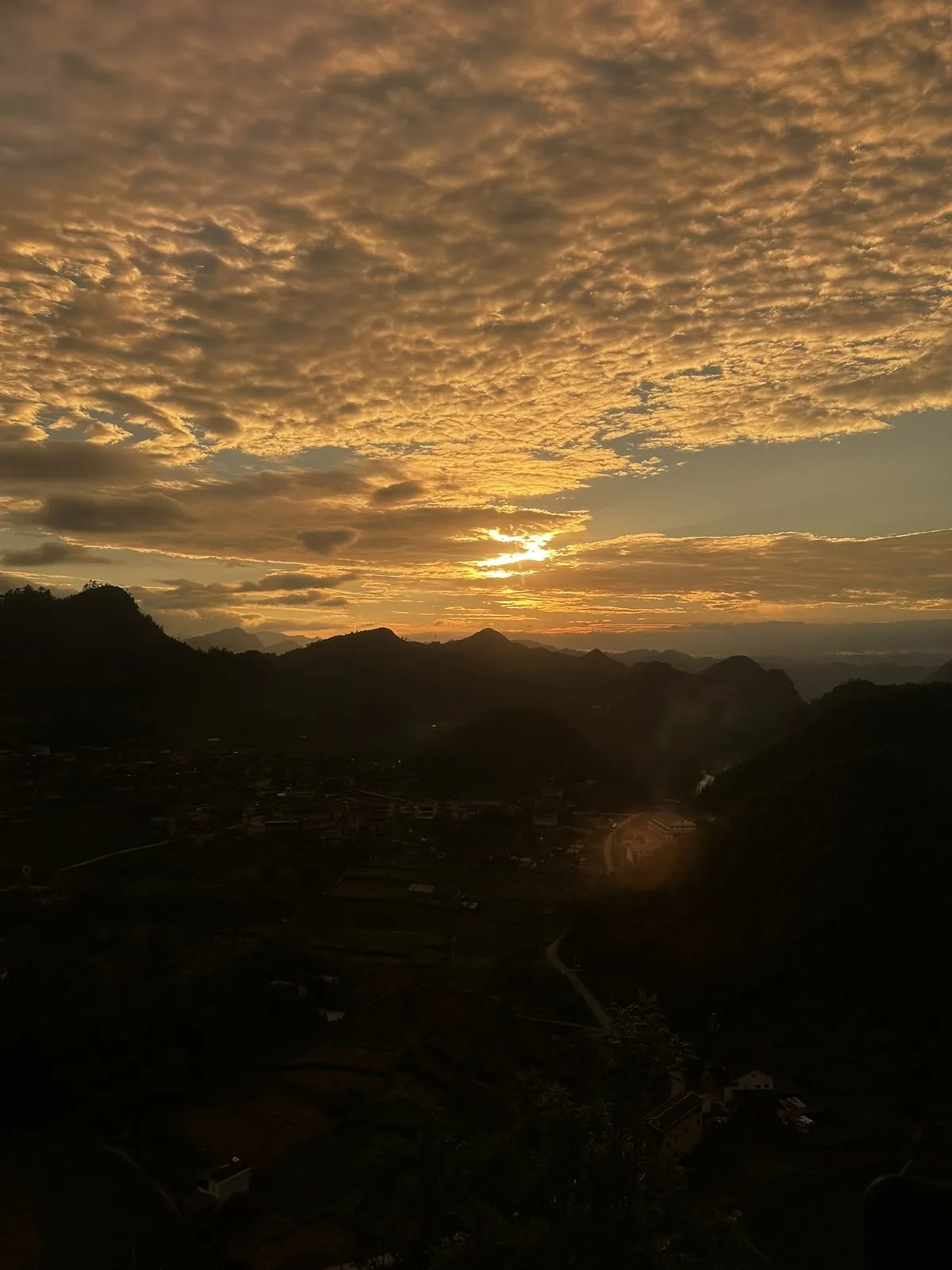
Sa Pa sits 320 km from Hanoi and drops the temperature by roughly 6-6.5°C for every 1,000 meters you climb, which is why the town can feel 10 degrees colder than the rice terraces below it in the same afternoon. It’s one of seven places in Vietnam that get skipped by first-time itineraries built around Ha Long Bay, Hoi An, and Phu Quoc, even though several of them sit on the same UNESCO-protected ground as those famous stops.
I’ve been running motorbike-based tours out of Da Nang since 2023, and most of these seven spots are ones I ride to myself between trips, not places I read about. If you’d rather skip the planning and just show up, my team at Vietnam Samurai Tour builds routes around several of them, including our 7-day north loop - more on that at the end.
Quick comparison: 7 underrated places in Vietnam
| Place | Region | Best months | Why it’s underrated | Best for |
|---|---|---|---|---|
| Sa Pa (valley, not just the summit) | North (Lào Cai) | Oct-Nov, Mar-May | Cable car pulled crowds to Fansipan’s summit, valley villages stayed quiet | Mountain views, cool climate |
| Ninh Bình (Trang An) | North | Oct-Apr | Sold as a rushed Hanoi day trip | Karst rivers, caves, slower pace |
| Cát Bà / Lan Hạ Bay | North | Oct-Apr | Same limestone bay as Ha Long, a fraction of the boats | Kayaking, quieter cruises |
| Hà Giang Loop | North | Oct-Nov, Mar | Needs a motorbike and 3-4 days, which filters out casual tourists | Serious riders, dramatic scenery |
| Phong Nha-Kẻ Bàng | Central | Feb-Aug (dry) | Inland, off the coastal highway most tourists follow | Caves, including the world’s largest |
| Côn Đảo | South | Nov-Apr | One airline on the route keeps seat capacity limited | History, empty beaches, diving |
| Quy Nhơn | Central | Feb-Aug | Sits between Da Nang and Nha Trang; road-trippers drive past it | Beach town without the density |
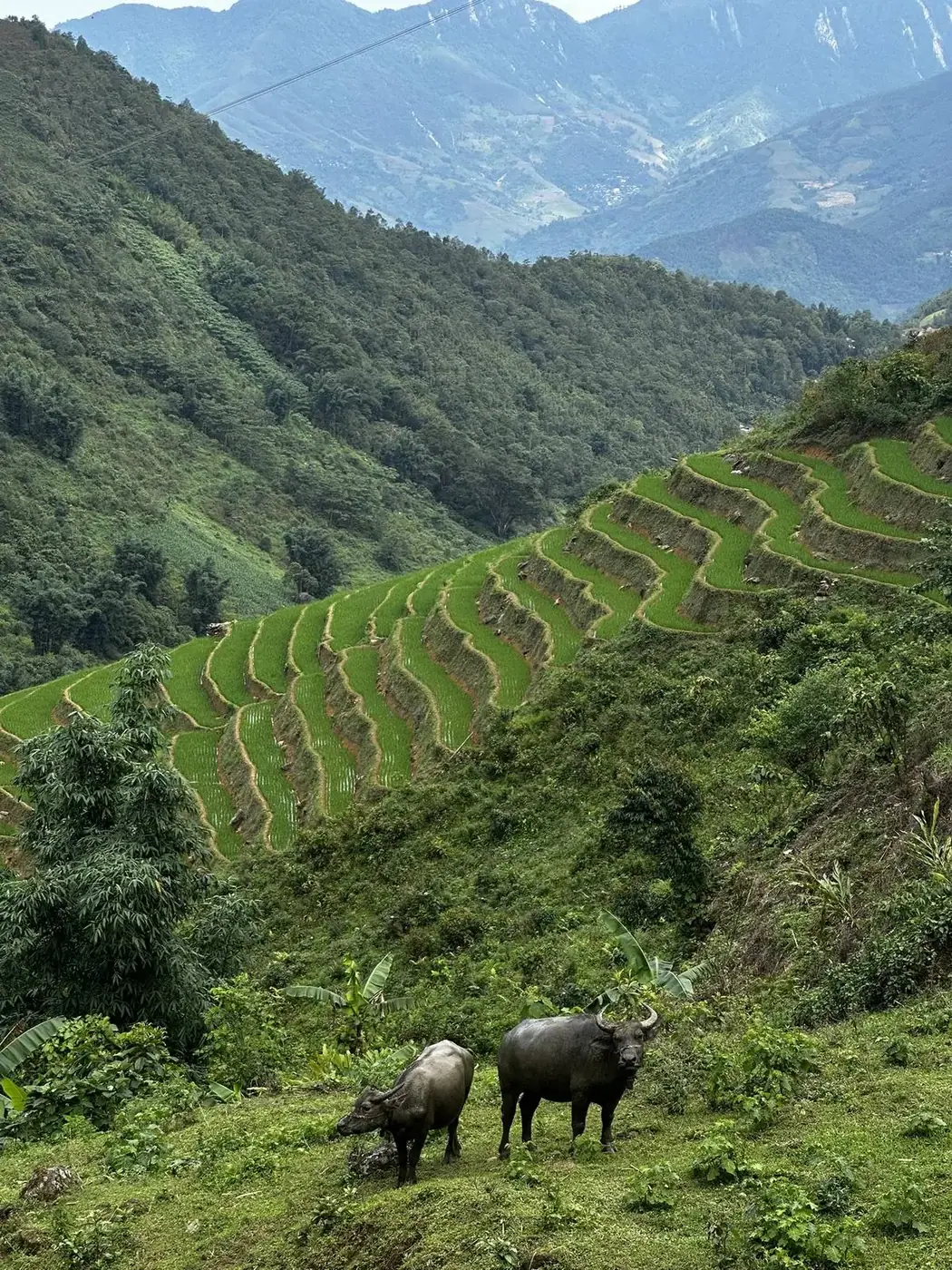
1. Sa Pa: cooler air and a bigger elevation swing than the itinerary suggests
Sa Pa is about 320 km from Hanoi - a 5.5-6 hour bus ride, or a scenic overnight train to Lào Cai plus a short transfer. The cable car up Fansipan, Vietnam’s tallest peak at 3,147 meters, covers 1,410 meters of elevation in about 15 minutes, a record for the ropeway when it opened.
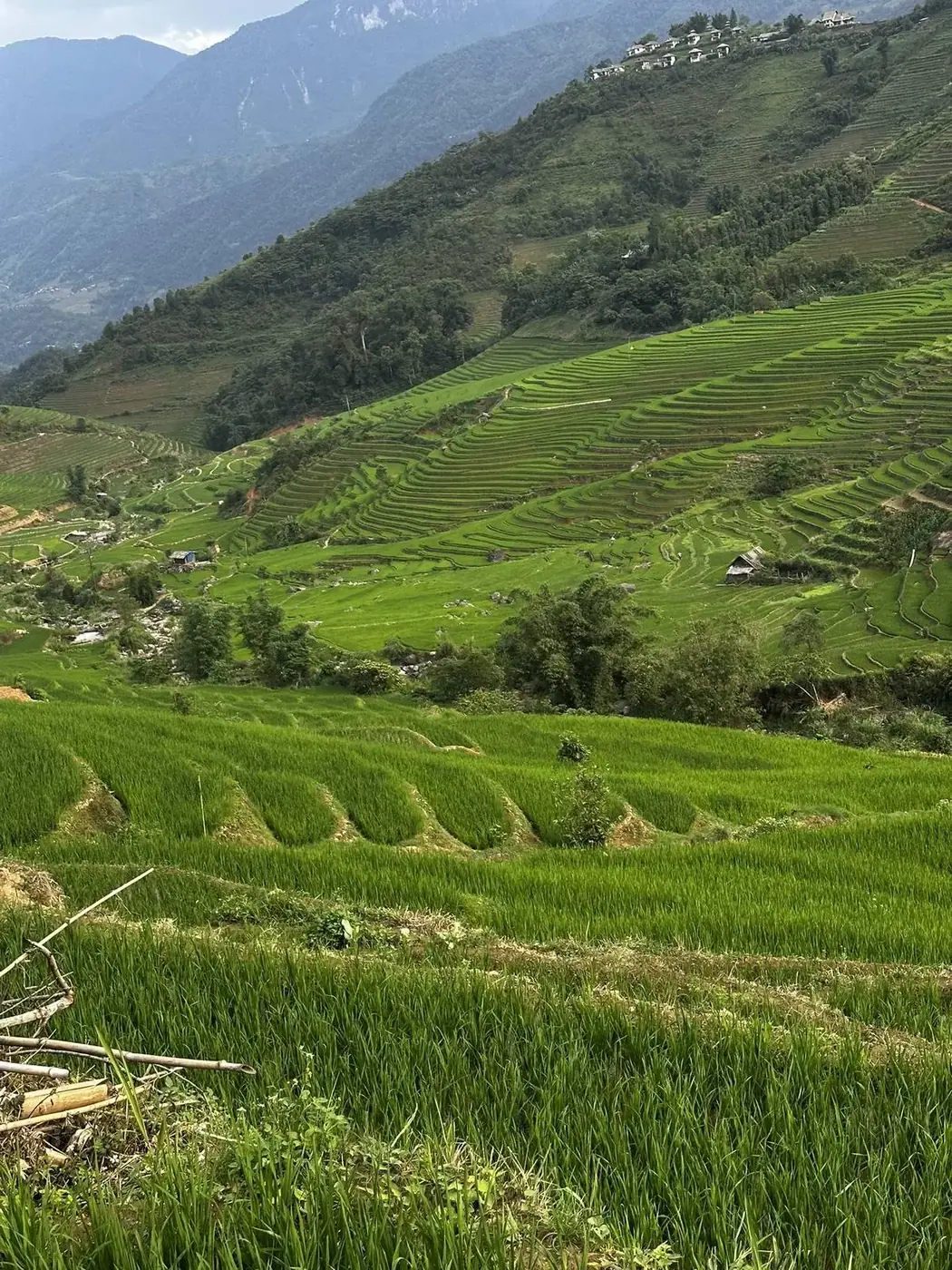
That’s also why the surrounding valley stayed quiet: most day-trippers ride straight to the summit and back instead of taking a motorbike into the Muong Hoa valley, where it can run 8-12°C colder near the top than in town. Go in October-November for clear terraced views, or March-May for trekking; July-August brings fog that makes the trails genuinely risky. If you want to see what the motorbike routes around Sa Pa actually look like , I’ve written up one specific ride through the valley separately.
Pros: dramatic elevation change in a single afternoon, strong Hmong and Dao village culture along the valley roads. Cons: Sa Pa town itself is increasingly built up; December-February gets cold and wet.
2. Ninh Bình: the UNESCO site most people give two hours instead of two days
Ninh Bình is roughly 95 km south of Hanoi, about 1 hour 45 minutes by car, and its Trang An Landscape Complex has held UNESCO World Heritage status since 2014 for both its karst scenery and its cultural sites.
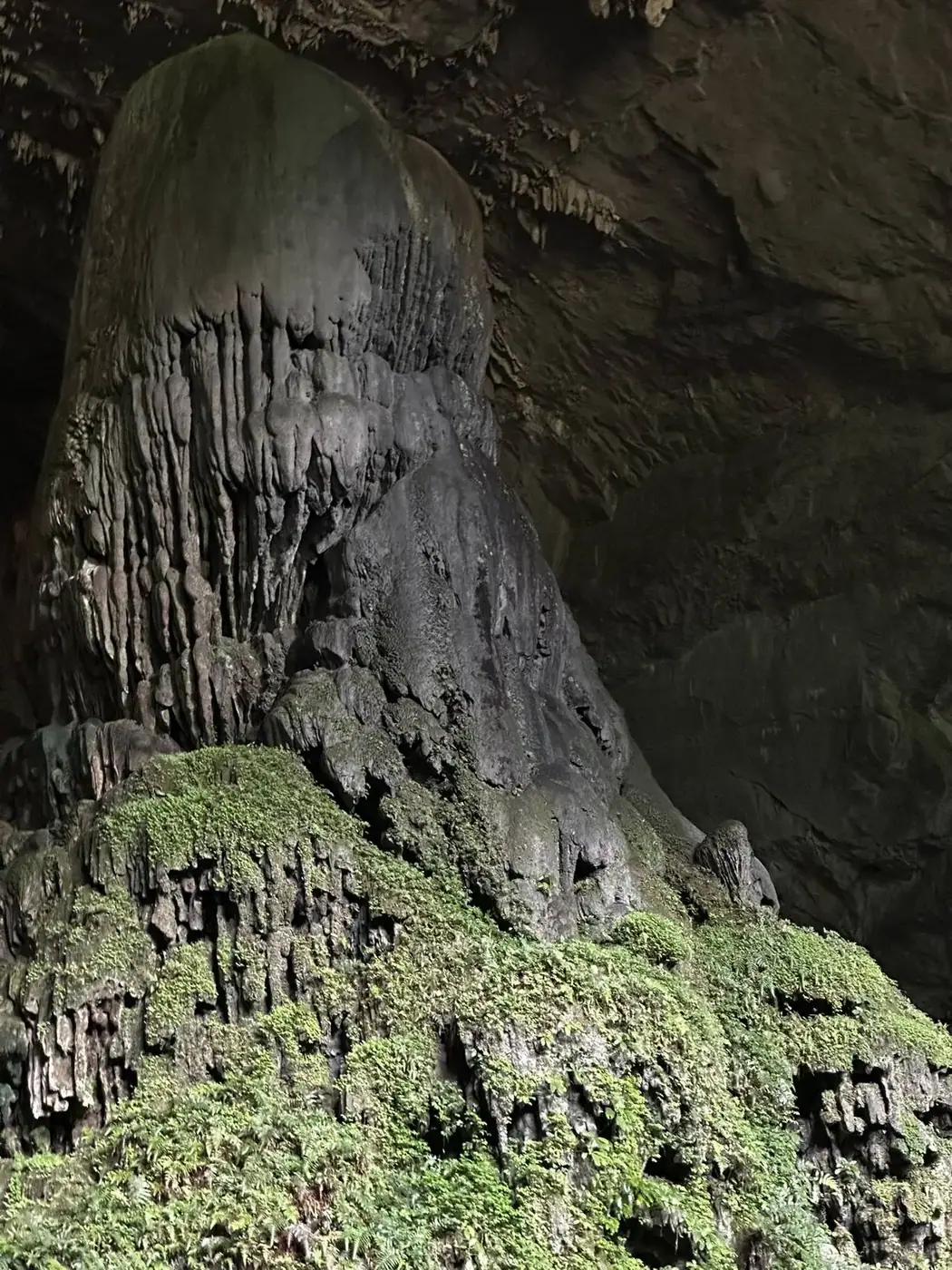
A Trang An boat ticket runs 250,000-300,000 VND per adult, Tam Coc is around 150,000 VND, the Mua Cave viewpoint about 100,000 VND, and the Hoa Lư ancient capital just 20,000 VND. Because it’s sold as a Hanoi day trip, most visitors rush all four in one afternoon; staying two to four nights lets you paddle the rivers at sunrise before the tour buses arrive.
Pros: UNESCO-grade karst and river scenery for the price of a Hanoi day trip, easy independent travel. Cons: boat queues build fast during Vietnamese holidays, and most ticket booths are cash-only.
3. Cát Bà Island and Lan Hạ Bay: Ha Long’s limestone without Ha Long’s boat traffic
Cát Bà is about 130 km by road from Hanoi plus a short ferry or speedboat crossing, roughly 3 to 3.5 hours door to door. Since 2023, Lan Hạ Bay, Ha Long Bay, and Cát Bà have been recognized as one continuous UNESCO World Heritage Site, meaning the karst you see from a Lan Hạ Bay boat is geologically the same formation as Ha Long’s.

Tour operators put Ha Long at several hundred boats a day in peak season against roughly 80-100 on Lan Hạ (an industry estimate, not an official count, but the direction is consistent across sources).
Pros: same seascape as Ha Long Bay, plus hiking inside Cát Bà National Park. Cons: less cruise infrastructure than Ha Long, and the ferry crossing adds a fixed chunk of travel time you can’t shortcut.
4. The Hà Giang Loop: dramatic scenery, self-filtered by difficulty
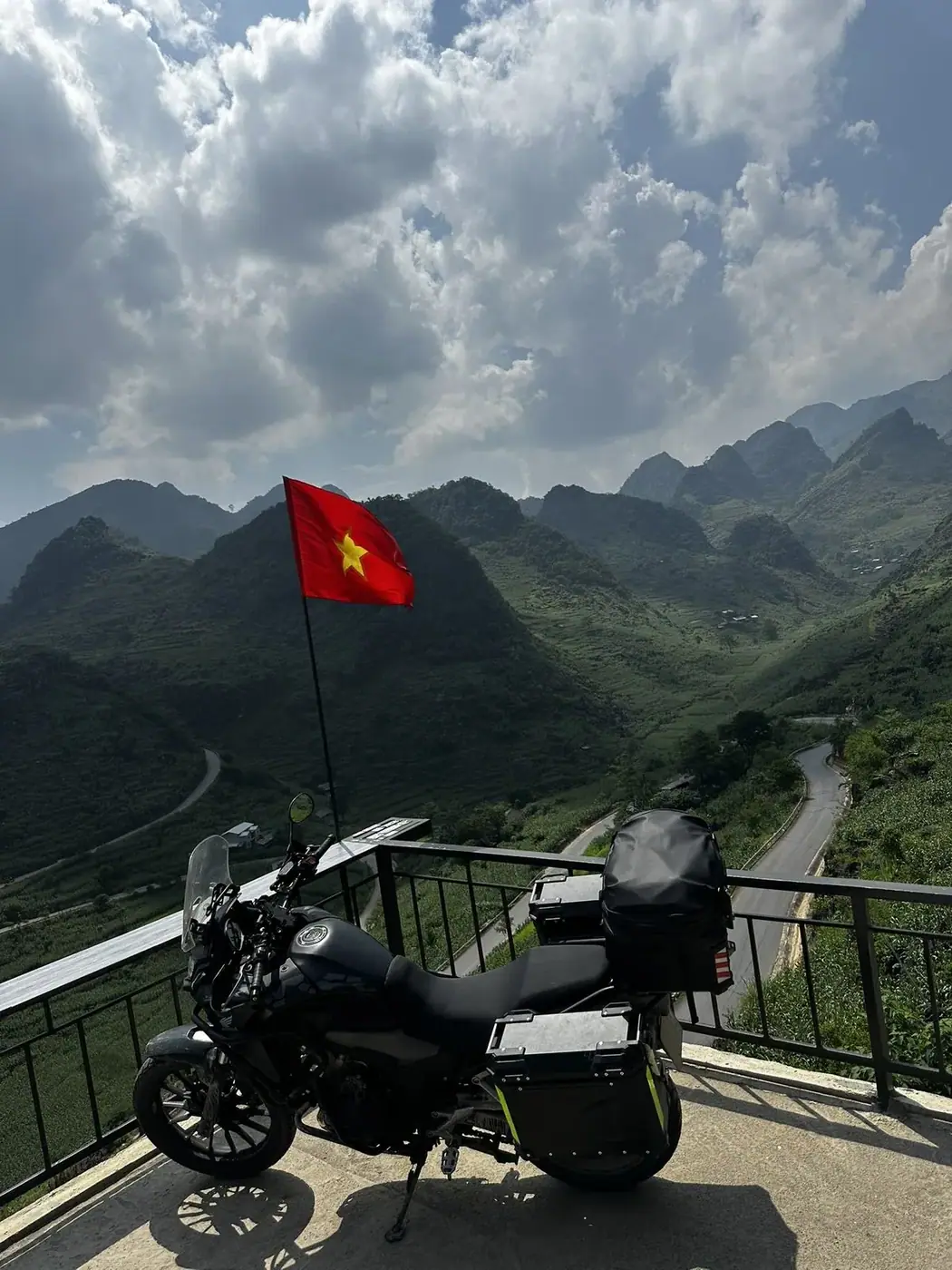
The Hà Giang Loop is a roughly 350-400 km circuit through the far north, usually ridden over 3-4 days through the Đồng Văn Karst Plateau Geopark at 1,000-1,600 meters, including the Mã Pí Lèng Pass at around 1,500 meters. October-November brings golden harvest terraces and low rainfall; March adds blossom season with some of the year’s clearest visibility.
Riding all seven of these yourself means juggling motorbike rentals, ferry times and permit rules across three regions — which is exactly the logistics knot that keeps most people from ever doing it. That untangling is my job: I already build routes that string 3-4 of them together in one trip without the dead ends. All that’s needed from your side is which of these you want to see and how many days you can give it.
What keeps the loop quiet isn’t remoteness, it’s that you need a motorbike (your own skill or a hired “easy rider” driver) and several free days, which rules out anyone doing Vietnam on a rushed 7-day plan.
Pros: scenery that most riders rank above Sa Pa, genuinely remote minority villages. Cons: real accident and landslide risk in the June-August wet season; not a route to attempt without motorbike experience or a driver.
5. Phong Nha-Kẻ Bàng: home to the world’s largest cave, and still uncrowded
Phong Nha-Kẻ Bàng National Park in central Vietnam earned UNESCO recognition in 2003 for its geology and again in 2015 for biodiversity. Phong Nha Cave costs about 150,000 VND entry plus a 550,000 VND boat fee for up to 12 people; Paradise Cave is 250,000 VND for adults.
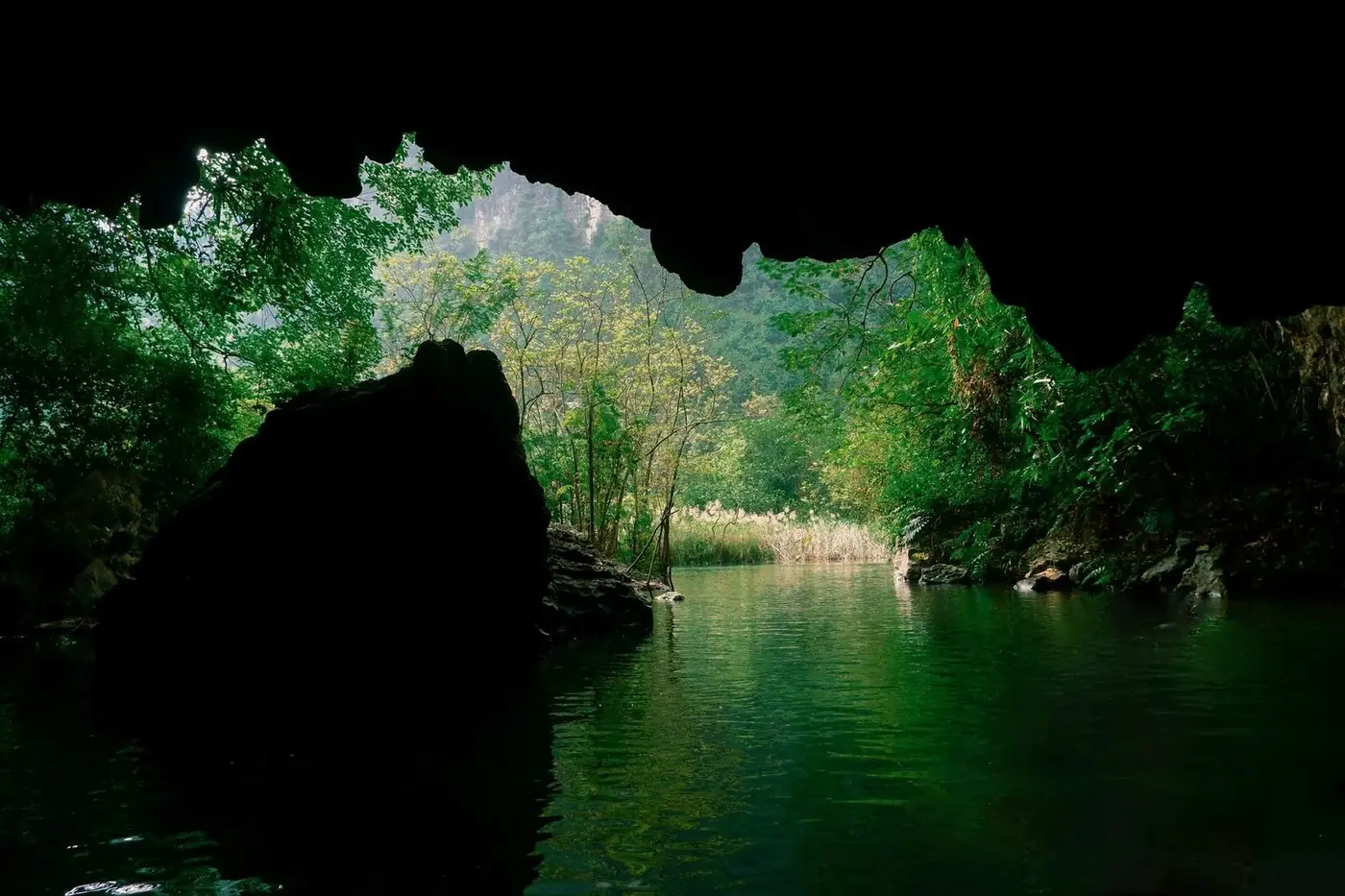
The park’s real headline is Sơn Đoòng, the world’s largest cave passage - expeditions run about $3,000 per person, are capped at 1,000 visitors a year, and are run by a single licensed operator, Oxalis Adventure . That cap, plus an inland location off the coastal highway most tourists drive, is why the park doesn’t see Da Nang or Hoi An-level crowds.
Pros: globally unique geology, several accessible caves well under the Sơn Đoòng price point. Cons: it’s a dedicated stop, not a drive-by - you need to route your trip through Đồng Hới specifically.
6. Côn Đảo: island history and empty beaches, one flight away
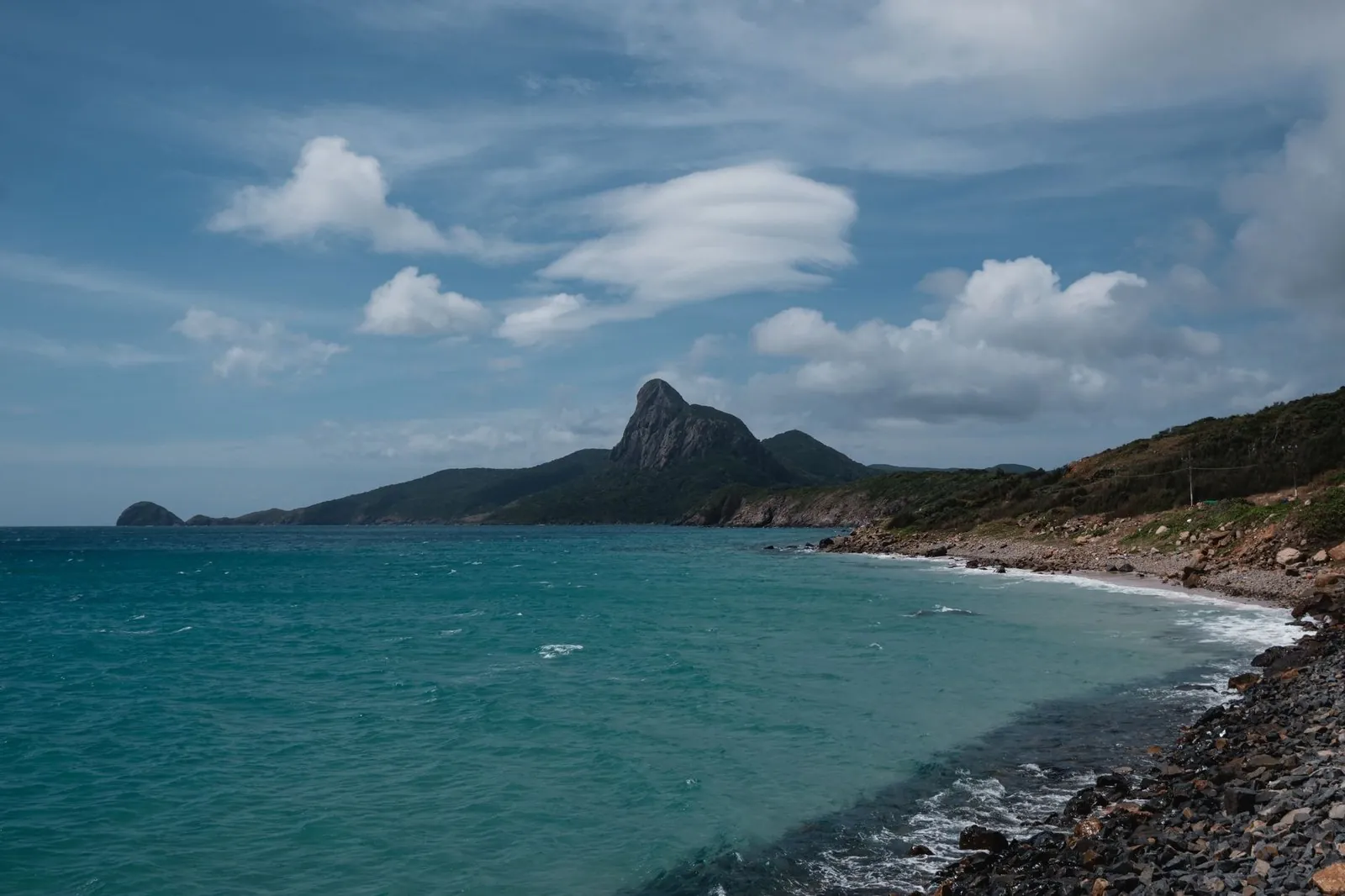
Côn Đảo is about a one-hour flight from Ho Chi Minh City , currently flown solely by Vietnam Airlines, with fares starting around 1,792,000 VND (roughly $68.55). Visitor numbers are climbing fast - Vietnamese travel media reported more than 410,000 arrivals in the first half of 2026, up 3.5% year-on-year - but the single-airline route caps how quickly that growth can outpace the islands’ beaches and dive sites.
Pros: a former prison complex with real historical weight, uncrowded beaches, solid diving and snorkeling. Cons: limited flight seats mean higher fares and fewer options than mainland beach towns.
7. Quy Nhơn: the beach town between Da Nang and Nha Trang that road-trippers skip
Quy Nhơn sits about 320 km, a 6-7 hour drive, south of Da Nang, with its own airport, Phù Cát, roughly 31 km out of town and daily flights from Hanoi and Ho Chi Minh City. Because it’s squarely between two more famous coastal stops, most travelers driving the coast pass straight through.
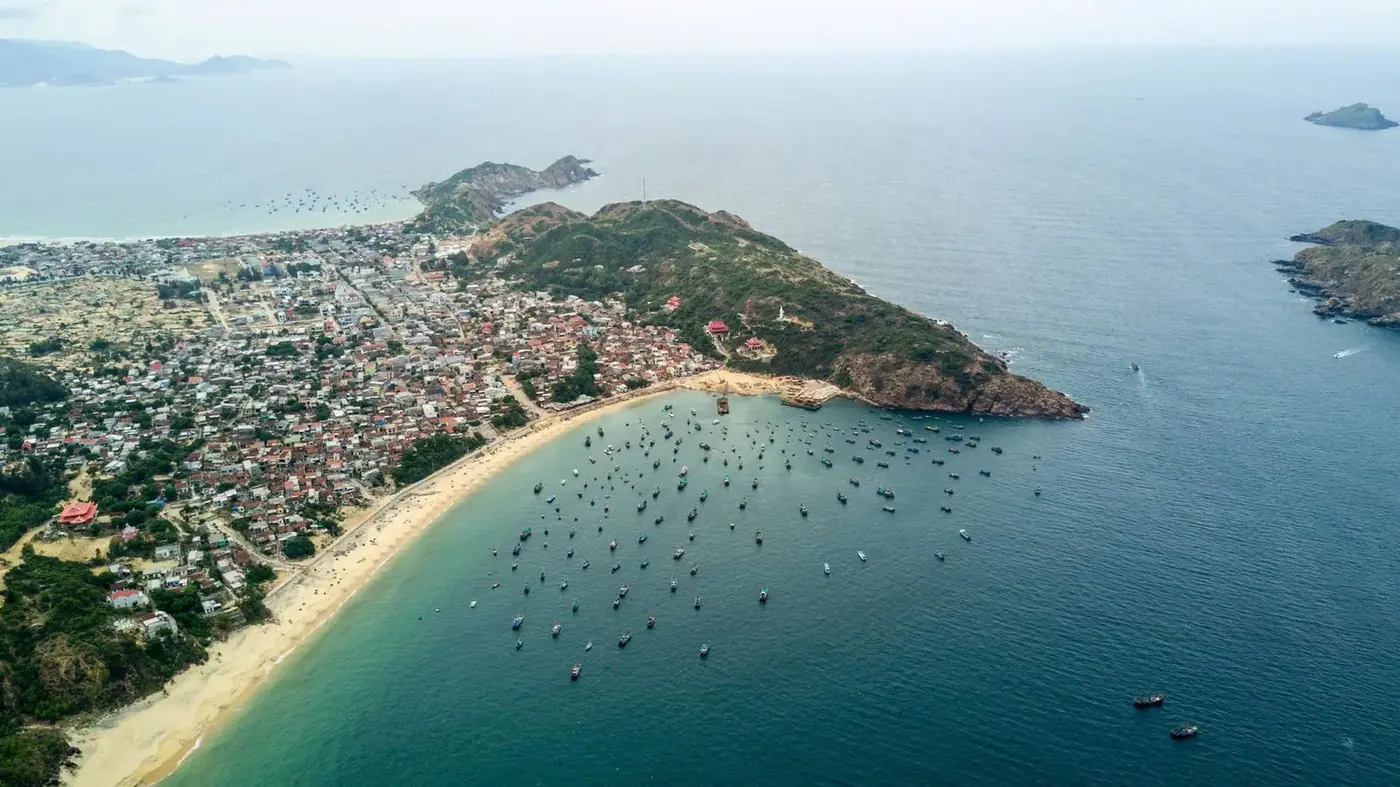
Those who fly in instead get long sandy beaches and a genuine local seafood scene without Da Nang’s density - exactly the setting where a guide to Vietnamese street food earns its keep over any curated restaurant list.
Pros: full city amenities and beaches without the crowds of Da Nang or Nha Trang. Cons: a 6-7 hour overland drive from Da Nang makes flying the more practical option, and tourism infrastructure is developing fast - the quiet window may not last.
How to choose which underrated spot fits your trip
- 2-4 days near Hanoi: Ninh Bình first, Cát Bà / Lan Hạ Bay second.
- Mountains, and you don’t mind riding: Sa Pa for an easier 2-day trip, the Hà Giang Loop for a serious 3-4 day one.
- Near Da Nang or Hoi An, want caves: Phong Nha-Kẻ Bàng.
- Islands with fewer crowds than Phú Quốc : Côn Đảo, flying from Ho Chi Minh City.
- Road-tripping the central coast anyway: build in a stop at Quy Nhơn instead of driving straight through.
Most of what’s above pairs naturally with a bigger loop rather than standing alone — see how we usually string them together in our full route catalog .
Frequently asked questions
What is the most underrated place in Vietnam? It depends on what you want, but the Hà Giang Loop and Côn Đảo come up most often among local guides - the loop for scenery reserved for riders willing to spend 3-4 days on a motorbike, Côn Đảo for beaches kept quiet by limited flight capacity.
Is Ninh Bình doable for young kids or older travelers who can’t hike? Yes. Most of Trang An’s scenery is seen from a flat-bottomed boat with someone else doing the rowing, so the main stop demands almost no fitness. The Mua Cave viewpoint is the one part of the day with a real staircase, and it’s easy to skip without losing the boat ride or the cave passages underneath Trang An.
How many days do you need in Sa Pa? Two to three days covers the cable car up Fansipan and a motorbike ride through the Muong Hoa valley; four or more lets you add multi-day trekking between Hmong and Dao villages.
Can you bring real luggage on the Hà Giang Loop if you’re self-riding? Not much. A daypack strapped to the bike is about the limit between mountain passes, so most riders leave a bigger bag at their starting hotel or with the tour vehicle if they’re riding as part of a group, rather than trying to carry it themselves.
Do foreign travelers need a permit to ride the Hà Giang Loop? Much of the loop runs through Vietnam’s regulated land border zone near the Chinese frontier, and Vietnamese law requires foreigners to get permission from the local immigration or border-guard authority before entering those districts, under the decree governing the land border area regime. Licensed tour operators normally handle this paperwork as part of the booking, and independent riders can apply directly at the Hà Giang immigration office before setting off.
How do you get to Côn Đảo from Ho Chi Minh City? The fastest option is a roughly one-hour direct flight, currently operated solely by Vietnam Airlines, with fares starting around 1,792,000 VND (about $68.55).
Plan your route through Vietnam’s quieter side
None of these seven places paid to be on this list, including my own tours. If you’d rather have someone else handle the motorbike logistics, ferry timing, and permits:
- Message me on Telegram - I answer personally, usually the same day.