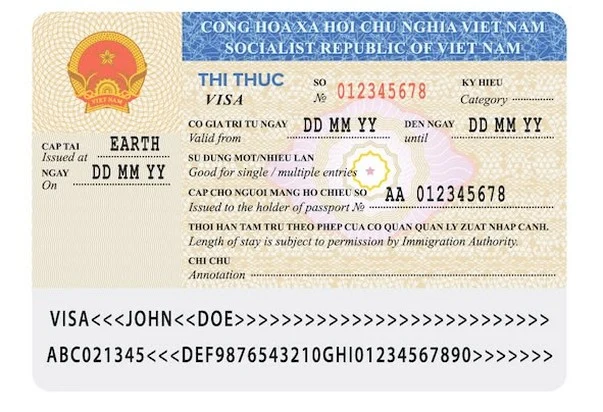
A standard travel insurance policy protects your group members, not you. If you’re organizing a group trip to Vietnam, running a retreat, or leading a course with paying travelers, your own liability as the organizer sits in a separate insurance category most people only discover after something goes wrong. Vietnam’s tourism law places an insurance duty on licensed tour operators, and that duty stops at the operator’s door. What it does and doesn’t cover, and what you need to arrange yourself, is what actually protects you.
I’ve helped run small groups through Da Nang and central Vietnam for years, and this exact gap is what first-time organizers ask me about most, usually right before departure.
What Does Vietnam’s Tourism Law Actually Require From a Tour Operator?
Vietnam’s Law on Tourism (Law No. 09/2017/QH14, in force since January 1, 2018) requires a licensed travel service enterprise to buy insurance for tourists for the period of the tour program, unless the tourists already hold a policy that covers the whole trip. That obligation belongs to the licensed operator running the program, not to whoever assembled the group.
Decree 168/2017/NĐ-CP, later amended by Decree 94/2021/NĐ-CP, adds that the operator must insure tourists according to the type of transport used on the tour. Neither decree sets a single minimum coverage amount per tourist in the versions I could confirm, so treat any specific dollar figure you see quoted for “the legal minimum” as unverified until the operator shows you the actual policy.
Who Is Actually Obligated to Buy This Insurance?
The obligation in the law is tied to the status of “licensed travel service enterprise,” not to any person who books flights and hotels for a group. If you’re a blogger, coach, or instructor bringing your own audience to Vietnam without holding that license yourself, the statute doesn’t reach you directly.
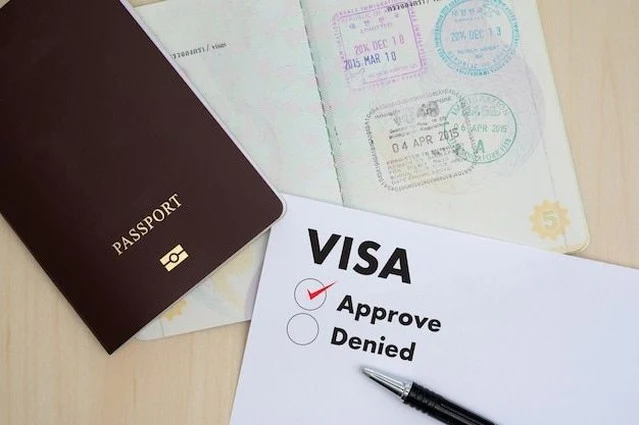
The licensed ground operator handling your program on the Vietnam side is the one who carries this legal duty. That’s exactly why the boundary between who arranged the trip and who is licensed to run it matters before you sign anything with a partner on the ground.
What Does a Standard Traveler’s Insurance Policy Actually Cover?
A typical travel insurance policy bought by each participant covers medical treatment, emergency evacuation, trip cancellation, and lost baggage for that one traveler. It’s built around protecting the policyholder from things that happen to them, not around protecting the person who organized the trip from claims made against the group.
Vietnam’s own tourism law reinforces the operator’s side of this: a licensed enterprise must employ licensed tour guides, is responsible for those guides’ performance during the tour, and must take measures to protect the life, health, and property of tourists on its programs. That’s the ground operator’s legal exposure — a separate question from what a traveler’s personal policy pays out.
What Does Traveler Insurance NOT Cover for an Organizer?
Personal liability, meaning injury or damage you cause to someone else, is typically excluded or sharply limited in standard travel insurance. If a participant in your group is hurt during an activity you scheduled and organized, that’s a claim against you as the organizer, and your participants’ personal travel policies were never built to answer it.
Professional liability, sometimes called errors and omissions coverage, is the separate policy category that actually protects the person running the program. Tour guides and tour operators carry this on top of general liability specifically because standard personal insurance treats “professional guiding services” as outside its scope. Common exclusions across this type of coverage include alcohol-related incidents, negligence by the participant themselves, war or terrorism, and specific high-risk activities that weren’t added to the policy in advance.
What Is Organizer Liability Insurance and Who Buys It?
Public liability insurance for event and trip organizers is bought separately from any traveler’s personal policy. It funds legal defense and compensation payouts if a participant or a third party claims injury or property damage connected to the event you organized.

Pricing benchmarks from the broader events insurance market, not travel-specific and not Vietnam-specific, average around $282 for policies covering events longer than ten days, against a wider $75-350 band for single-day events. That’s a general sense of scale, not a quote for a 10-20 person international group trip, and I haven’t found a reliable specific figure for that exact format.
In practice, this is a conversation to have directly with whoever is licensed to run your program on the ground: ask them what their operator insurance already covers for the group, and where that coverage stops being theirs and starts being yours.
How Do You Actually Close This Gap Before You Fly?
Closing this gap takes five concrete steps before departure, not a single policy purchase. Do them in this order, starting with the operator conversation, since everything else depends on what you learn there.

- Ask your ground operator in writing what their tour operator insurance covers for your group and for what period it applies.
- Confirm whether that coverage includes liability for injury caused by activities in your own program, not just standard tourist accidents.
- If you’re running your own sessions (a class, a workshop, a guided activity) inside the trip, price a separate professional liability or event organizer policy for that portion.
- Get the operator’s insurance confirmation in writing before the trip, not a verbal assurance at check-in.
- Brief your participants honestly on what their personal travel insurance covers and what it doesn’t, so nobody assumes a gap is filled that isn’t.
What Mistakes Do First-Time Group Organizers Make Here?
The most common mistake is assuming that because every participant bought travel insurance, the organizer is covered too. Those are two different products protecting two different people. The second common mistake is treating the ground operator’s license as a blanket guarantee: a licensed operator’s insurance duty covers the tour program it runs, but if you’re layering your own activities on top (a workshop, a photo shoot, an off-program excursion), that layer is yours to insure, not automatically theirs.

This is the same boundary I laid out in what to do first during a group emergency in Vietnam : the ground operator’s license covers its own program, and anything you add on top is yours to plan for separately.
Not hitting this yourself is one reason experienced organizers run their trips through a partner who already routes tourists through a licensed program on the ground, rather than assembling every piece separately. Message me on Telegram and I’ll tell you plainly what our program’s insurance already covers for your group and what you’d still need to add.
What Should You Decide Before You Fly?
Your licensed ground operator’s insurance duty covers the tour program it runs and the guides it employs, under Vietnam’s tourism law. Your participants’ personal travel insurance covers medical, evacuation, cancellation, and baggage for each of them individually. Neither one automatically covers your own liability as the person who assembled the group and designed the program, and that gap is yours to close with a separate professional or event liability policy, or by confirming in writing exactly where the operator’s coverage ends.
If you’re building your first group trip and want a partner who already runs licensed programs across Vietnam, our routes and programs are a starting point worth comparing against whatever you’re assembling piece by piece. Send me your dates on Telegram and I’ll tell you what’s already covered on our side before you buy anything extra.
Frequently asked questions
Do I still need my own insurance if every participant already has travel insurance?
Yes. Personal travel insurance protects each traveler individually for medical costs, evacuation, and cancellation. It doesn’t cover a claim made against you as the organizer if someone is injured during an activity you scheduled.
Does a rented van or bus accident get covered by the driver's insurance automatically?
That depends on the transport insurance the licensed operator carries under Decree 168/2017/NĐ-CP, which ties coverage to the type of vehicle used. Ask the operator directly which policy applies to your specific vehicle and route before departure.
Who is responsible if a participant is injured during a yoga or fitness session I'm leading?
That’s professional liability, not standard travel insurance. If you’re personally leading the activity, this exposure is yours to cover with a separate professional or event liability policy, regardless of what your ground operator’s tour insurance includes.
Does travel insurance cover high-risk activities like diving, trekking, or scooters during a group trip?
Most standard policies exclude specific high-risk activities unless they were added to the policy in advance. Check the activity list on each participant’s actual policy rather than assuming a general travel policy covers everything on your itinerary.
What happens if a participant sues an organizer who has no tour operator license?
Vietnam’s tourism law ties the insurance obligation to licensed operators, so an unlicensed organizer isn’t automatically protected by that statute. A civil claim would fall on the organizer directly unless they’ve arranged their own liability coverage or a licensed partner’s insurance clearly extends to that part of the program.
How is a ground operator's liability different from mine as the person who invited the group?
The ground operator’s legal duty under Vietnamese law covers the licensed tour program, the guides it employs, and transport insured under the applicable decree. Anything you add on top, including your own sessions or off-program activities, sits outside that duty and is your responsibility to insure separately.