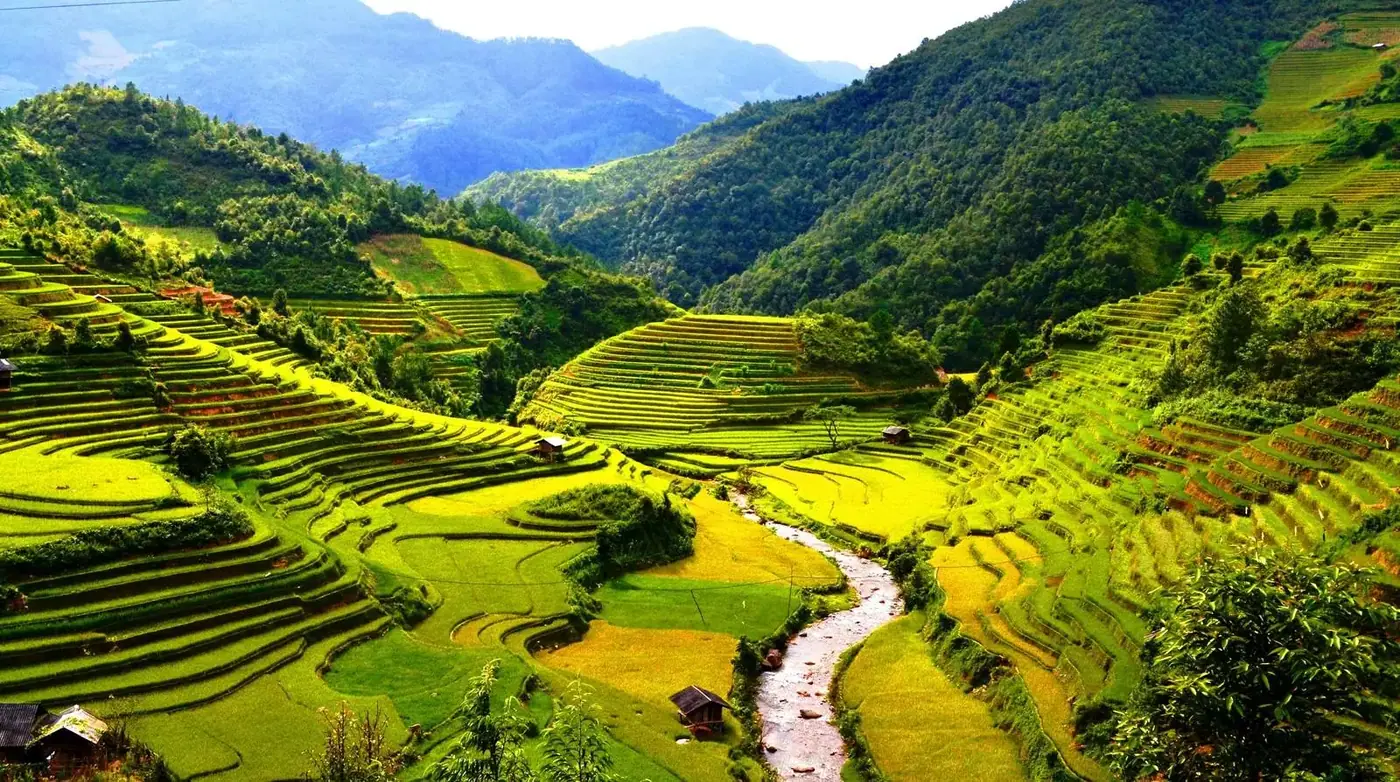
Vietnam has 8 UNESCO World Heritage Sites, over 3,260 km of coastline, and landscapes that shift from tropical jungle to alpine rice terraces — all within a country the size of California. In 2026, the top 15 places below cover that full range: UNESCO cities, island beaches, river deltas, cave systems, and mountain loops. I’ve been organizing tours here since 2023, and every destination on this list has earned its place through real traveler feedback, not a tourism board brief.
The single best first stop? Central Vietnam — the Da Nang–Hoi An–Hue triangle. Three iconic destinations inside a 90-minute radius, easy connections to any major airport, and a density of things to do that’s hard to beat anywhere in Southeast Asia.
| # | Destination | Region | Type | Best For |
|---|---|---|---|---|
| 1 | Hoi An Ancient Town | Central | Cultural | Couples, photographers |
| 2 | Ha Long Bay | North | Nature/Cruise | Everyone |
| 3 | Ho Chi Minh City | South | City | History, food lovers |
| 4 | Hanoi Old Quarter | North | City/Cultural | History, foodies |
| 5 | Da Nang | Central | Beach+City | Families, beach fans |
| 6 | Hue Imperial City | Central | Cultural/History | History buffs |
| 7 | Sa Pa | North | Mountain/Trek | Hikers, nature lovers |
| 8 | Ninh Binh | North | Nature/Boat | Day-trippers, photographers |
| 9 | Phu Quoc Island | South | Beach/Island | Beach lovers, families |
| 10 | Nha Trang | Central-S | Beach/Diving | Divers, backpackers |
| 11 | Mui Ne | South | Desert/Beach | Kitesurfers, adventurers |
| 12 | Mekong Delta (Can Tho) | South | River/Culture | Food lovers, off-beat |
| 13 | Phong Nha Caves | Central | Cave/Nature | Adventure seekers |
| 14 | Ha Giang Loop | North | Mountain/Road | Motorbike enthusiasts |
| 15 | Con Dao Islands | South | Remote Beach | Honeymooners, divers |
1. Hoi An Ancient Town — Vietnam’s Most Photogenic Town
Hoi An is Vietnam’s best-preserved ancient trading port and its most photogenic destination in 2026. The UNESCO-listed Old Town covers just 30 blocks of 15th–19th century merchant houses, assembly halls, and the iconic Japanese Covered Bridge (built c.1593). Entry to the old town itself is free; a combined heritage ticket covering 5 sites costs ₫120,000 (~$5). Lantern festival nights — the 14th of every lunar month — are the single best evening in Vietnam: streets go car-free and fill with lit paper lanterns floated on the Thu Bon River.
The beach town of An Bang is 4 km from the Old Quarter — clean, uncrowded, and a fraction of the price of Danang’s My Khe. Hoi An also has the highest concentration of skilled tailors in Southeast Asia; a custom ao dai or suit takes 24–48 hours and starts at ~$30.
Best for: Couples, photographers, fashion shoppers, anyone wanting cultural depth plus a beach. Best time: February–April (dry, not too hot). Avoid September–October (flooding risk in the Old Town). Pros: Walkable, traffic-free zones, excellent food scene, tailoring. Cons: Crowds peak December–February. Lantern nights can feel overrun with selfie sticks.
2. Ha Long Bay — Vietnam’s Most Famous Seascape
Ha Long Bay covers 1,553 km² and contains 1,969 named limestone islands, 989 of which are classified as nature reserves — making it one of Southeast Asia’s largest protected marine landscapes. UNESCO added it to the World Heritage List in 1994, extended the boundary in 2000. The best way to experience it is a 2-night cruise: budget options start around $80 per person per night including meals; mid-range (en-suite cabins, kayaking included) runs $120–$180 per night.
The bay split into two sectors in 2023 to manage tourist pressure: Ha Long proper for larger cruise ships and the less-visited Lan Ha Bay (accessible from Cat Ba Island) for kayaking and smaller boats. If you want a quieter experience, book a Lan Ha Bay route — the scenery is equally dramatic with 30% fewer boats.
Best for: Everyone — genuinely one of the world’s great natural landscapes. Best time: October–December (low humidity, visibility excellent, crowds moderate). Pros: Stunning scenery, full range of cruise quality and price, swimming in summer. Cons: Crowded in peak Jan–Feb. Weather foggy November–March can reduce visibility.
3. Ho Chi Minh City (Saigon) — Vietnam’s Engine Room
Ho Chi Minh City has 9 million residents, 7.5 million registered motorbikes, and the best street food in Vietnam. For visitors, the key sites cluster in Districts 1 and 3: the War Remnants Museum (admission ₫40,000, ~$1.60, open daily), the Reunification Palace, Notre-Dame Cathedral, and the French-colonial Central Post Office. The Ben Thanh Market area covers the surrounding blocks for food and shopping; for a quieter version of the same, the Binh Tay Market in Cholon (Chinatown) is better.
The Cu Chi Tunnels — 75 km northwest — are a 250 km network of wartime underground passages, now open to visitors ($15 entry). Most day tours from HCMC include them. Evenings are best spent eating pho, banh mi, and broken rice (com tam) at street stalls in District 1 or 4.
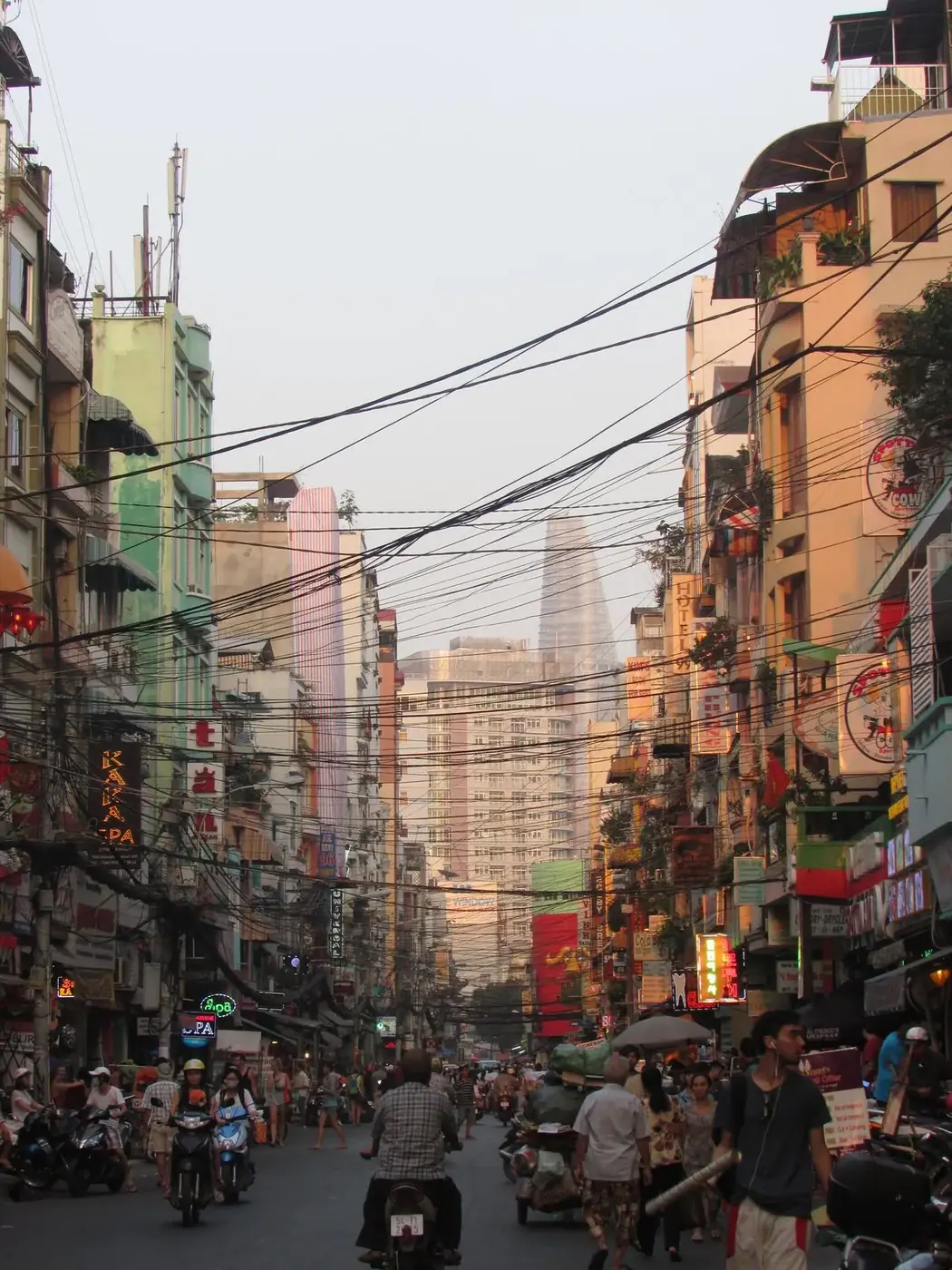
Best for: History lovers, food obsessives, anyone who wants urban Vietnam. Best time: November–April (dry season). Pros: World-class food, strong café culture, efficient airport connections. Cons: Traffic is relentless. Heat and humidity peak March–May.
4. Hanoi Old Quarter — Vietnam’s Ancient Capital
Hanoi’s 36-street Old Quarter dates to the 11th century, when craft guilds each occupied their own lane — Silk Street, Tin Street, Paper Street. It’s still structured around trades: Hang Gai (silk and souvenirs), Hang Dao (textiles), Hang Ma (paper goods). Hoan Kiem Lake, a 5-minute walk, is the city’s living room — locals do tai chi at dawn, teenagers hang out evenings, and the restored Ngoc Son Temple sits on a small island in the middle (₫30,000 entry, ~$1.20).
Hanoi’s food scene is arguably Vietnam’s best: bun cha (grilled pork with rice noodles) at Bun Cha Huong Lien, where Obama ate in 2016, still draws lines. Banh mi 25 on Hang Ca has consistent queues. Egg coffee (ca phe trung) at Café Dinh is a Hanoi invention that’s migrated across Southeast Asia.
Best for: History, food, cultural depth, base for Ha Long Bay and Ninh Binh. Best time: September–November and March–April (mild, less rain). Pros: Extraordinary food culture, walkable Old Quarter, proximity to north Vietnam. Cons: Cold and misty in January–February. Summer is very hot and humid.
5. Da Nang — The Most Livable Beach City in Vietnam
Da Nang is the most balanced destination in Vietnam in 2026: 10 km of My Khe Beach, an international airport with direct flights from 20+ cities, two World Heritage Sites within 30 minutes (Hoi An and Hue), and infrastructure better than anywhere else outside Hanoi and HCMC. The Dragon Bridge over the Han River breathes fire and water on weekend evenings at 9 pm — free to watch from the riverbank.
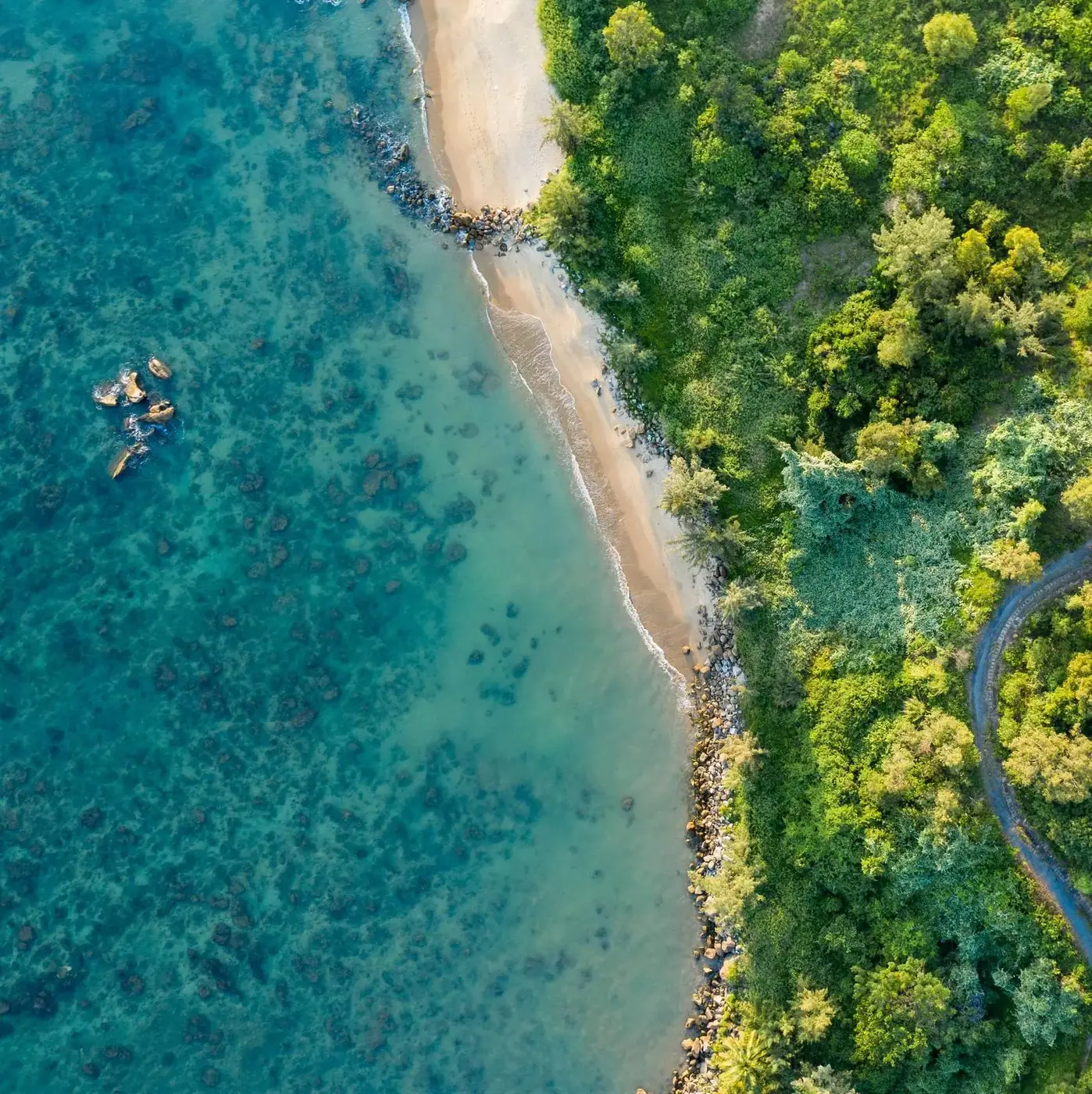
The Marble Mountains (Ngu Hanh Son) — five limestone hills 9 km south of the city — hold Buddhist shrines and cave pagodas inside. Entry: ₫40,000 ($1.60); cable car up: ₫20,000 extra. Ba Na Hills resort, 30 km west, is Vietnam’s most-Instagrammed attraction: a French colonial village above the clouds with the Golden Bridge (two giant stone hands holding a golden walkway). Tickets: ~$35–40 for cable car and park entry.
Best for: Families, beach fans, people wanting a base for Central Vietnam day trips. Best time: February–August (dry season for Central Vietnam). Pros: Direct international flights, excellent restaurants, family-friendly beaches. Cons: Ba Na Hills is tourist-heavy and feels artificial. July–August brings jellyfish to the beaches.
Stringing destinations like these into one trip — flights between them, hotels, the day-trip timing — is the part that eats a weekend of planning, and it’s where I usually get involved. I build the multi-day route around the places you actually want, handling transport and local guides so you’re not booking it piece by piece. Message me on Telegram with your dates and I’ll draft a route.
6. Hue Imperial Citadel — Vietnam’s Royal City
Hue was Vietnam’s imperial capital from 1802 to 1945. The Citadel (Kinh Thanh) is a 10 km² walled complex modeled on Beijing’s Forbidden City: moat, outer walls, inner Forbidden Purple City where emperors lived. UNESCO listed it in 1993. Entry to the main citadel complex: ₫200,000 ($8). Royal tombs — there are 7 major emperors’ tombs spread across 20 km of countryside — cost ₫150,000–₫200,000 each; the Minh Mang and Tu Duc tombs are the most architecturally impressive.
Hue cuisine is considered Vietnam’s most refined: bun bo Hue (spicy beef noodle soup), banh khoai (crispy Hue-style pancake), and com hen (clam rice) all originate here. Cooking classes are widely available from $15–25.
Best for: History buffs, UNESCO collectors, food adventurers. Best time: January–August (dry season for Hue). September–November = rain season here. Pros: Deep imperial history, excellent local cuisine, fewer crowds than Hoi An. Cons: Spread-out — royal tombs require motorbike or car. Hot and humid in summer.
7. Sa Pa — Vietnam’s Mountain Heartland
Sa Pa sits at 1,600 m above sea level in the Hoang Lien Son range, 340 km northwest of Hanoi. The surrounding Muong Hoa Valley holds Vietnam’s most photographed rice terraces — best seen September–October (golden harvest) or May–June (bright green planting season).
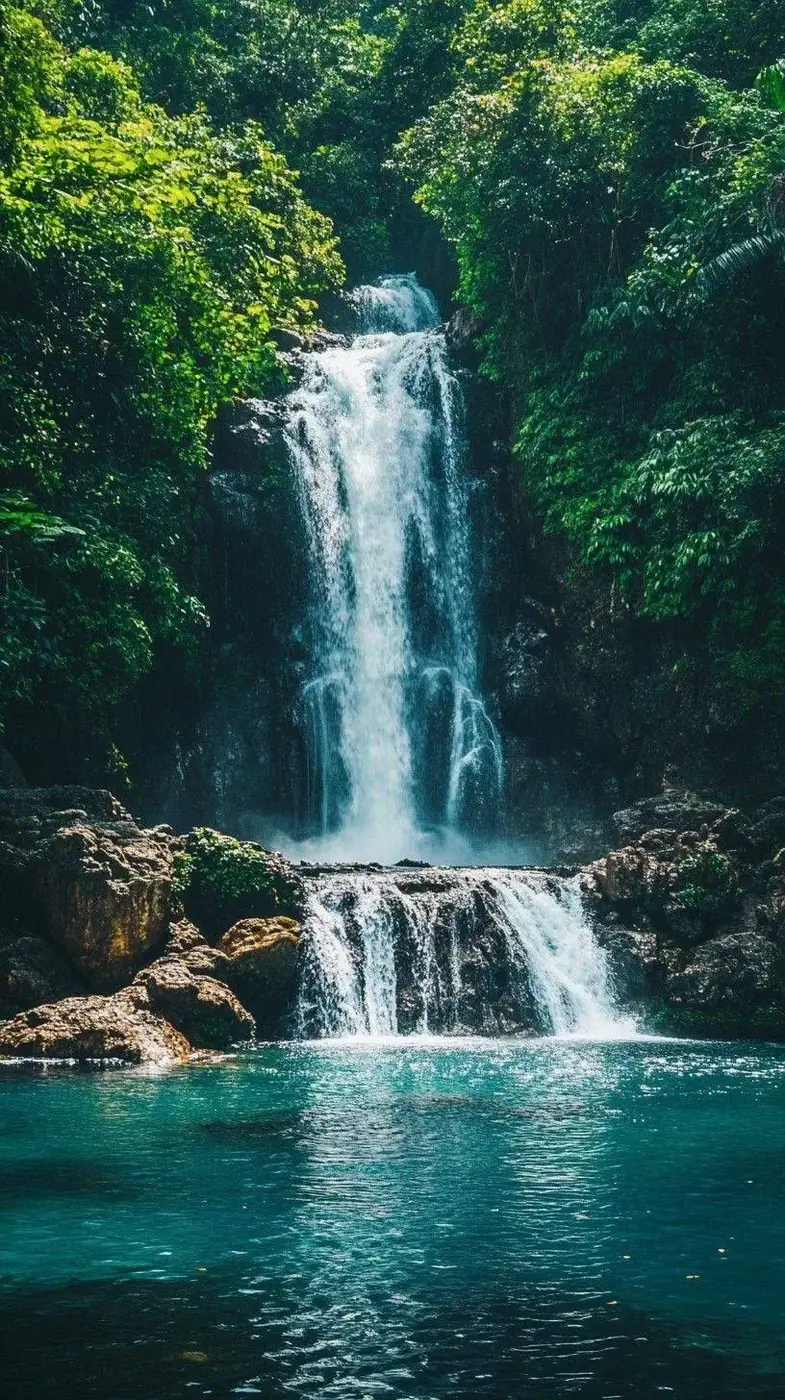
The town itself was a French hill station; the Sa Pa market draws H’mong and Dao hill tribe vendors every weekend. Homestays in the villages of Cat Cat and Ta Van are the best way to experience the landscape — from $15 per person per night including dinner and breakfast.
Best for: Hikers, nature photographers, culture seekers. Best time: September–October (harvest, clear skies) or March–May (no clouds, mild). Pros: Stunning rice terrace scenery, cultural encounters with ethnic minorities, cool mountain air. Cons: Touristy town center. Cloud cover January–March can completely obscure the views.
8. Ninh Binh (Tam Coc / Trang An) — Ha Long Bay on Land
Ninh Binh’s Trang An Landscape Complex was added to the UNESCO World Heritage list in 2014 — the first mixed natural and cultural site in Vietnam. The landscape is essentially Ha Long Bay transported to the mainland: limestone karst towers rising from rice paddies, navigated by flat-bottomed rowboats through cave-tunnels. Boat tours at Tam Coc or Trang An take 2–3 hours; entry includes boat: ~₫200,000 ($8) at Trang An, slightly less at Tam Coc.
Ninh Binh is 90 km south of Hanoi — an easy day trip or a comfortable overnight stay. The Bich Dong Pagoda (built 1428) is set inside a limestone cave and free to enter. The ancient capital of Hoa Lu, 3 km from Trang An, was Vietnam’s 10th–11th century seat of power.
Best for: Day-trippers from Hanoi, photographers, boat tour fans. Best time: October–December and March–May (dry, rice fields green or golden). Pros: Easy from Hanoi, dramatic scenery, genuinely uncrowded compared to Ha Long. Cons: Rowboats at Tam Coc are pushed very hard for tips. Trang An is more regulated and recommended.
9. Phu Quoc Island — Vietnam’s Tropical Island
Phu Quoc is Vietnam’s largest island at 574 km², lying off the south coast near Cambodia.
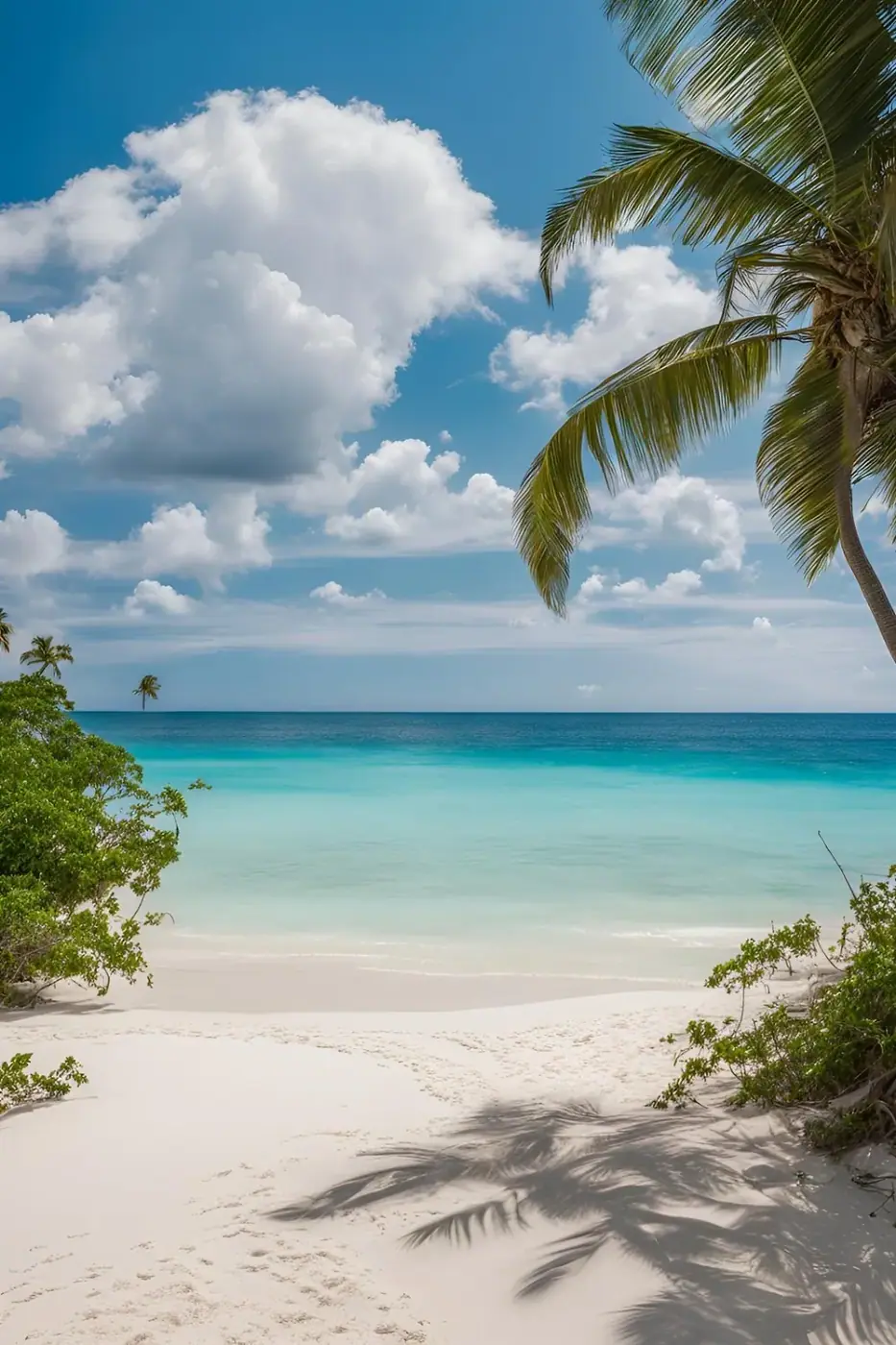
Ong Lang Beach (north-west coast) and Bai Sao (south-east) are the two best beaches — Bai Sao in particular has powdery white sand and clear turquoise water, comparable to the best beaches in Thailand at a lower price. The island has a visa-free zone for stays under 30 days regardless of nationality — one of the few places in Vietnam where you can arrive without pre-arranging a visa.
Long Beach (Duong Dong) hosts the resort strip, night market, and fishing village. Phu Quoc National Park covers 31,422 hectares of old-growth jungle; diving is excellent at the An Thoi Archipelago (20+ dive sites, visibility often 15–20 m). Snorkel trips: $20–30 per person day trip. There’s far more in the way of things to do on Phu Quoc island , from national-park trails to island-hopping boat trips.
Best for: Beach lovers, families with resort budgets, divers. Best time: November–April (dry season, calm seas for diving). Pros: Visa-free, good resort infrastructure, excellent beaches and diving. Cons: North and central beach areas overdeveloped. Crowded December–March.
10. Nha Trang — Vietnam’s Diving Capital
Nha Trang has 6 km of broad sandy beach and 9 offshore islands within 15 km, making it Vietnam’s premier diving destination. Visibility at the Hon Mun Marine Reserve reaches 20+ metres June–September; a 2-tank dive costs $40–60. The 8th-century Po Nagar Cham Towers on the north side of the city are the best-preserved Cham religious complex in Central Vietnam (entry: ₫30,000).
The city is also a major backpacker and Russian tourist hub — which means accommodation is plentiful and cheap, but the main beach strip is noisier than Phu Quoc or An Bang. Monkey Island, 15 km north, and Yang Bay Waterfall, 45 km west, are the best day trips.
Best for: Divers, budget travelers, backpackers. Best time: June–September (best diving visibility). January–March = rough seas, avoid for diving. Pros: Excellent diving at good prices, long beach, easy bus connections north and south. Cons: Heavily commercialized. Beach can feel crowded and hawker-heavy in peak season.
11. Mui Ne — Sand Dunes and Kitesurfing
Mui Ne is the only place in Vietnam where you can sandboard down 30-metre red dunes at dawn, then kiteboard on the ocean in the afternoon. The Red Sand Dunes are 2 km north of the main strip; the White Dunes (Bau Trang) are 56 km further and less crowded. The Fairy Stream — a shallow pink-and-white sandstone creek walkable for 1.5 km — is one of Vietnam’s more surprising natural features, and free to enter.
Wind consistency from November to April makes Mui Ne one of Southeast Asia’s best kitesurfing spots; schools charge $50–80 for a 3-hour beginner lesson. The town is quiet compared to Nha Trang — a fishing village atmosphere with a 15 km coastal road of resorts.
Best for: Kitesurfers, adventure travelers, anyone wanting a quieter beach. Best time: November–April (wind season for kitesurfing, dry weather). Pros: Unique dune landscape, Southeast Asia’s best accessible kitesurfing, relaxed pace. Cons: Road connecting the main strip is long and spread out. Not ideal for swimming (windy, choppy).
12. Mekong Delta (Can Tho) — Vietnam’s Rice Bowl
The Mekong Delta covers 40,000 km² in south Vietnam, producing over half the country’s rice and most of its fruit. Can Tho, the delta’s largest city (1.3 million people), is the logistics base. The Cai Rang floating market — boats loaded with fruit and vegetables, trading wholesale from dawn to 9 am — is one of Southeast Asia’s most photogenic markets, and one of the few still operating commercially rather than purely for tourism. Boat hire: ~₫100,000–150,000 per hour ($4–6), best arranged through your hotel.
Day trips from Ho Chi Minh City to Cai Be (closer, ~70 km) or Can Tho (3 hours) run $15–40 per person organized tour. The delta road along Highway 60 is best done by private car or on a guided cycling tour through the fruit orchards of Ben Tre.
Best for: Food travelers, off-the-beaten-track seekers, anyone with 1–2 extra days in HCMC. Best time: November–April (dry season; rivers calmer, orchards in fruit). Pros: Authentic working waterway culture, exceptional tropical fruit, warm welcome from locals. Cons: Cai Rang market at tourist peak hours (8–9 am) can feel staged. Infrastructure basic outside Can Tho.
13. Phong Nha-Ke Bang — World’s Largest Cave System
Phong Nha-Ke Bang National Park in central Vietnam (UNESCO 2003) holds the world’s largest natural cave, Son Doong — discovered by locals in 1991, first fully explored in 2009. Son Doong tours run only with Oxalis Adventure, limited to 1,000 visitors per year at $3,000 per person; slots for 2026 are already sold out (book 2027 from mid-year). The far more accessible Paradise Cave (Thien Duong) is 31.4 km long, with 1 km open to visitors; entry: ₫250,000 ($10). Phong Nha Cave with its underground river: ₫180,000 ($7.20) by boat.
The base town of Son Trach (Phong Nha village) is a 200 km drive from Da Nang on the Ho Chi Minh Highway — 4–5 hours by car, or a 45-minute flight to Dong Hoi followed by a 40 km transfer.
Best for: Cave enthusiasts, adventure travelers, nature lovers. Best time: February–August (dry season; July–August peak). September–November = flood risk. Pros: World-class cave formations, well-organized park infrastructure, good homestay scene. Cons: Son Doong fully booked years ahead. Journey from major cities requires commitment.
14. Ha Giang Loop — Vietnam’s Last Great Frontier
The Ha Giang Loop is a 350 km motorbike circuit through Vietnam’s most dramatic mountain scenery — the Dong Van Karst Plateau Geopark, UNESCO-listed in 2010. Key points: Quan Ba (Twin Mountains), Dong Van Old Quarter, Lung Cu (Vietnam’s northernmost flagpole), Ma Pi Leng Pass (one of Asia’s most spectacular road passes, 2,000 m above the Nho Que River gorge). Most riders complete the loop in 3–4 days; a semi-automatic 110cc Honda Win costs $5–8 per day to rent in Ha Giang town.
Ha Giang Province borders China and has a substantial H’mong and Tay minority population; Sunday markets in Dong Van and Meo Vac are major cultural draws. October–November — when fields bloom with buckwheat flowers and the terraces run gold — is the most spectacular time to ride.
Best for: Motorbike enthusiasts, independent travelers, adventure seekers. Best time: October–November (buckwheat blooms) or March–April (clear skies, warmth). Pros: Genuinely dramatic scenery with minimal tourist crowds. Cultural immersion. Cons: Physically demanding riding (mountain roads require experience). Limited English support.
15. Con Dao Islands — Vietnam’s Best-Kept Secret
Con Dao is an archipelago of 16 islands, 230 km southeast of HCMC, that served as Vietnam’s most feared colonial prison (1862–1975). Today the former prison compound (entry: ₫30,000) and a remarkable national park coexist on the main island. Con Dao National Park protects the largest sea turtle nesting ground in mainland Southeast Asia: green turtles nest May–November, and nightly ranger-guided turtle watching tours run $10–15 per person.
Diving and snorkeling visibility regularly exceeds 25 metres at sites like Hon Bay Canh; coral coverage is among Vietnam’s best, well above sites closer to the mainland. Getting here: Vietnam Airlines and Bamboo Airways fly direct from HCMC (45 min, $40–80 one-way). There are no large hotels — resort-level accommodation maxes out at boutique scale, which keeps the island unspoiled.
Best for: Honeymooners, serious divers, travelers wanting pristine nature and no crowds. Best time: November–April (calm seas, best diving). Turtle watching: July–September. Pros: Pristine beaches and coral, sea turtle experiences, genuinely quiet. Cons: Limited accommodation (book months ahead in peak season). No budget options.
How to Choose Where to Go in Vietnam
Five questions that determine the right destinations:
- How long is your trip? Under 7 days → pick one region (Central is most efficient). 10–14 days → north + central or central + south. 3 weeks → full country.
- What type of traveler? Beach → Phu Quoc, Nha Trang, Mui Ne, Con Dao. Culture → Hoi An, Hue, Hanoi. Adventure → Sa Pa, Ha Giang, Phong Nha. City → HCMC, Hanoi.
- What season? Vietnam’s regions have opposite rain seasons, so the best time of year to visit Vietnam depends on where you’re headed. Central and North are dry November–April; the South November–April also. Central and North get heavy rain September–October (avoid then for Hoi An flooding).
- Budget? Backpacker budget ($30–50/day) stretches farthest in Hanoi, Hue, and Nha Trang. Mid-range ($80–150) is comfortable everywhere. Phu Quoc and Con Dao have resort-tier options from $200+.
- Who are you traveling with? Families → Da Nang, Phu Quoc, Hoi An. Couples → Con Dao, Hoi An, Sa Pa. Solo adventurers → Ha Giang Loop, Phong Nha.
That’s roughly the shape of our own 15-day north-to-south route , if you’d rather not chain the flights and transfers yourself.
Frequently Asked Questions
What is the best time to visit Vietnam in 2026? Vietnam’s best travel window runs from November through April. Central Vietnam is driest October–March; the North is best September–November and March–April; the South is pleasant November–April. Typhoon season peaks July–October, especially for the Central coast - see typhoon season by region for the specific weeks to avoid in each city.
Which part of Vietnam is best for first-time visitors? Central Vietnam — the Da Nang–Hoi An–Hue triangle — is the ideal starting point. Compact, well-connected, and offering UNESCO heritage, beaches, and good infrastructure within a 90-minute radius.
How many days do you need to see Vietnam properly? Ten days covers the classic north-to-south route. Fourteen days adds Sa Pa or Ninh Binh. Three weeks allows off-the-beaten-track destinations like Ha Giang Loop or Con Dao.
What are the most photogenic places in Vietnam? Sa Pa’s rice terraces in September–October, Hoi An at lantern festival nights, Ha Long Bay at sunrise from a cruise boat, and Ninh Binh’s karst scenery from a rowboat are Vietnam’s five most-photographed scenes.
Is Vietnam safe for solo travelers in 2026? Yes — Vietnam is among Southeast Asia’s safest solo destinations. Violent crime against tourists is rare. Standard precautions (money belt, Grab ride-app at night, established guesthouses) are sufficient.
What places in Vietnam are good for families with children? Da Nang for beach plus Ba Na Hills, Hoi An for its walkable old town, and Phu Quoc for resort infrastructure are Vietnam’s best family destinations.
Ready to plan your 2026 Vietnam trip? My team at Vietnam Samurai Tour has been running custom multi-day itineraries since 2023 — we handle the logistics so you experience the places, not the planning stress.
- Telegram @vietnam_samurai — message me directly — the chat opens pre-filled ‘I came from your website’