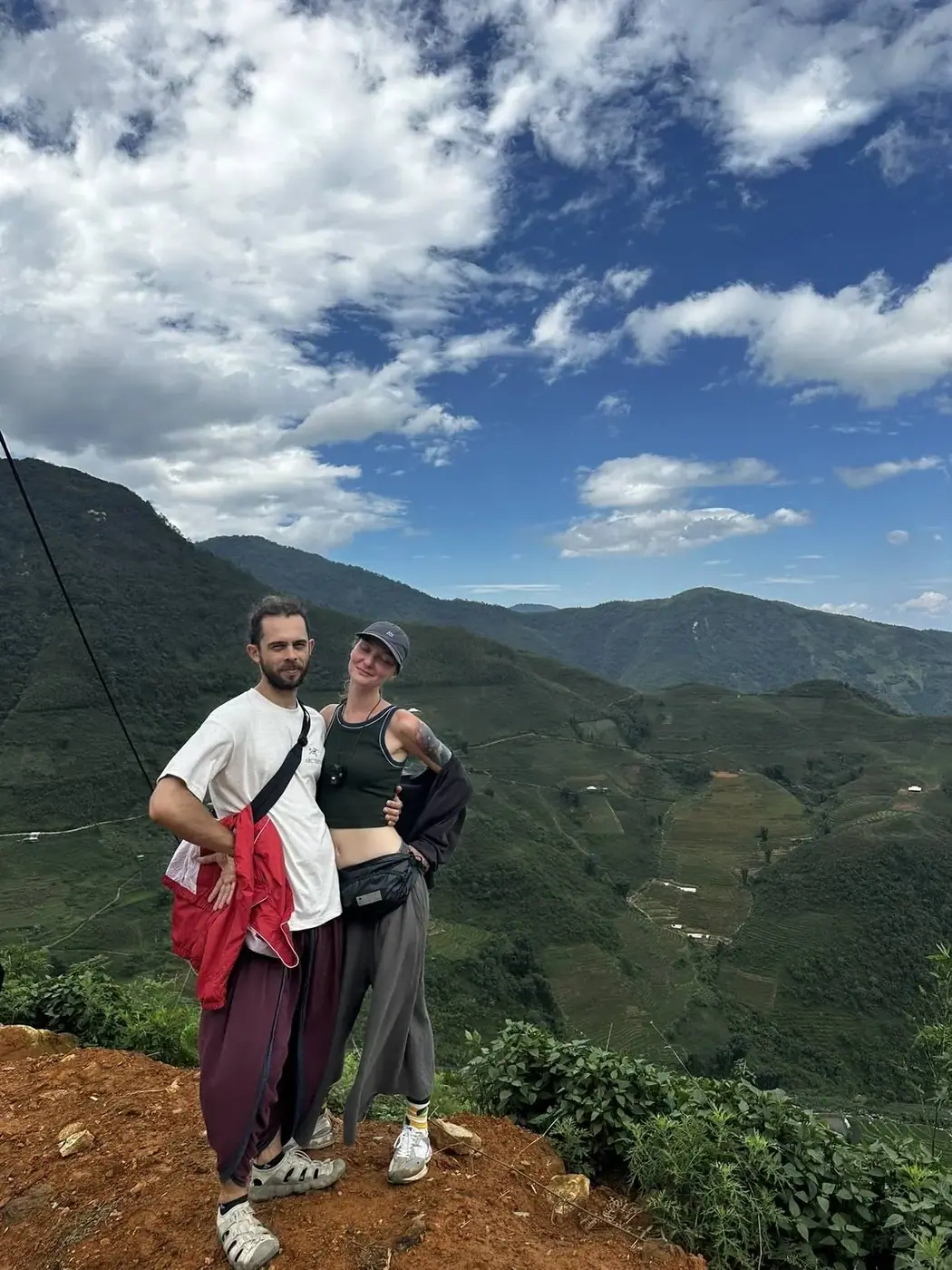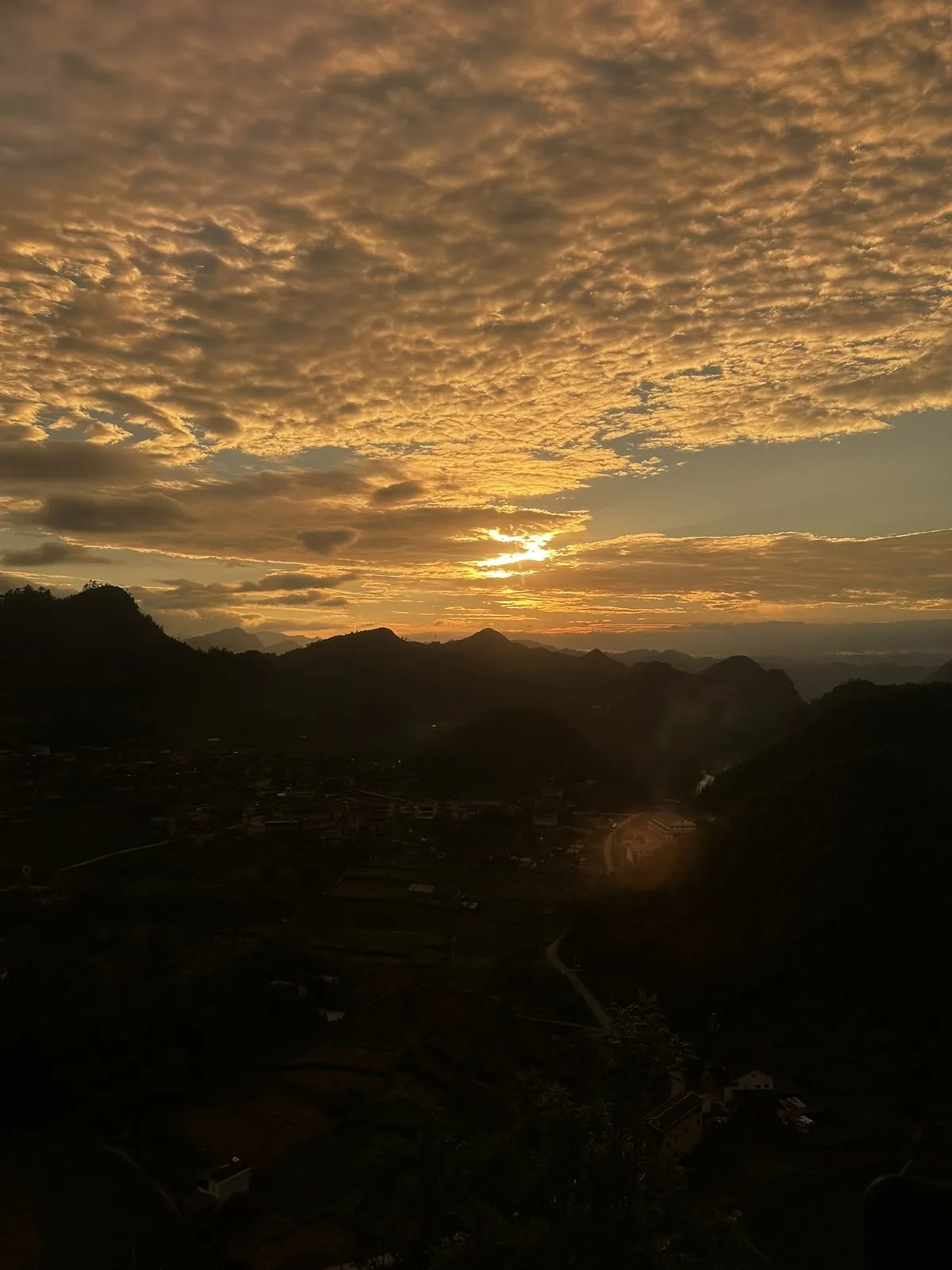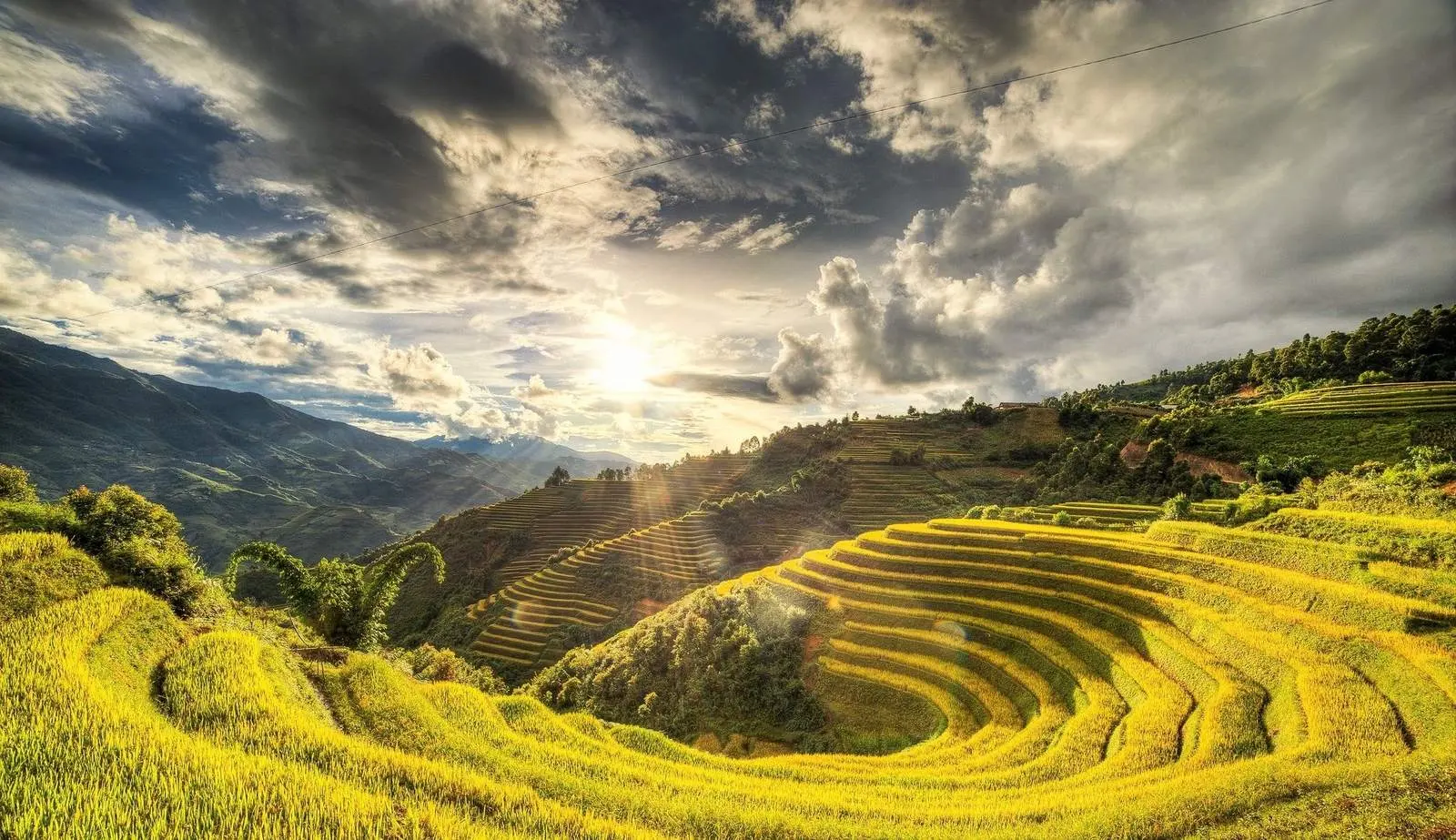
Most first-time Vietnam itineraries are built around the coast - Da Nang, Nha Trang, Phu Quoc - and Sapa gets mentioned as an afterthought, if at all. It’s a mountain town at 1,700 meters near the Chinese border, roughly a full day’s travel from anywhere on the coast. So is the detour actually worth it, or is it just a pretty photo everyone posts?
What you’re actually trading the beach for
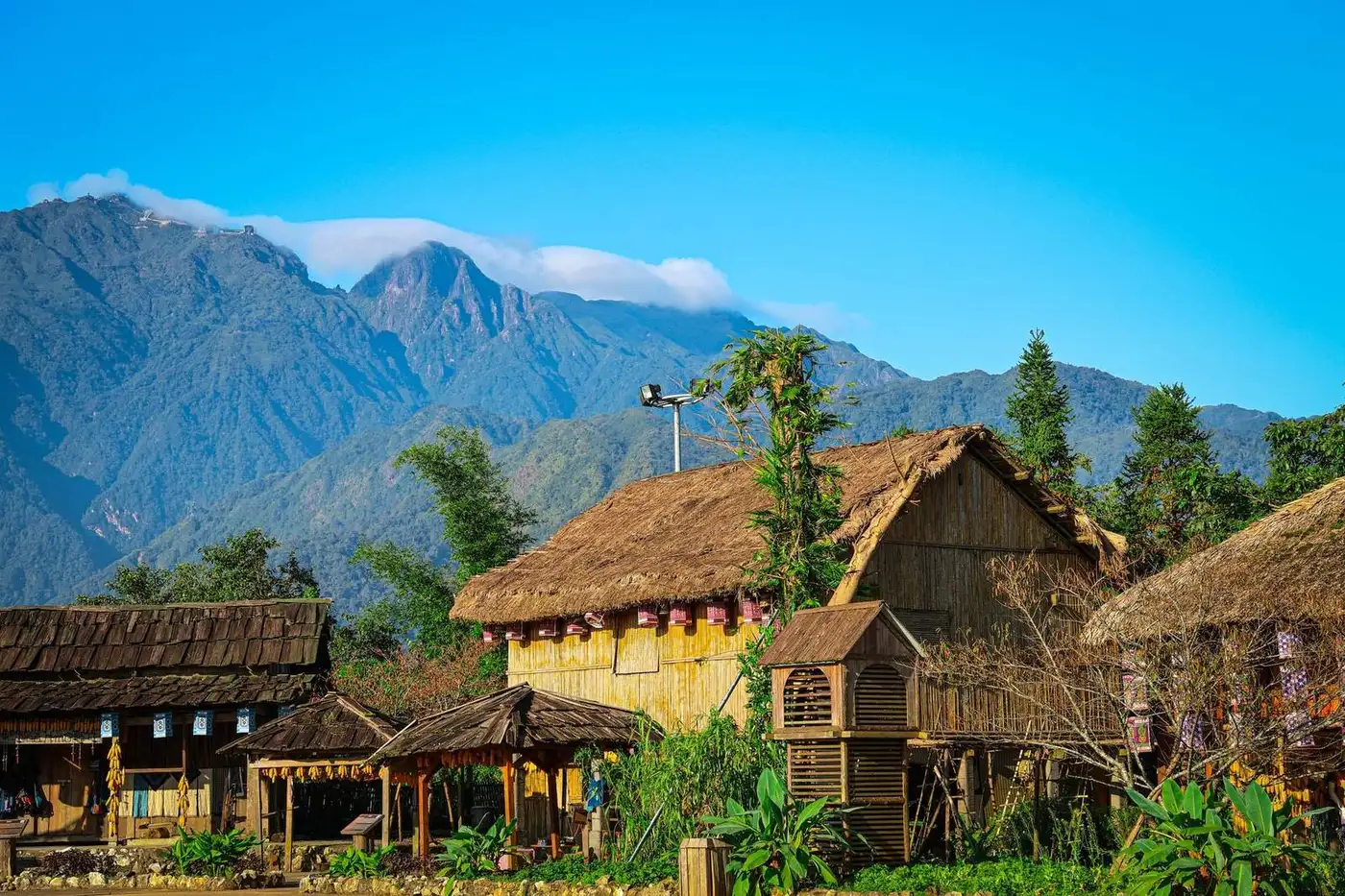
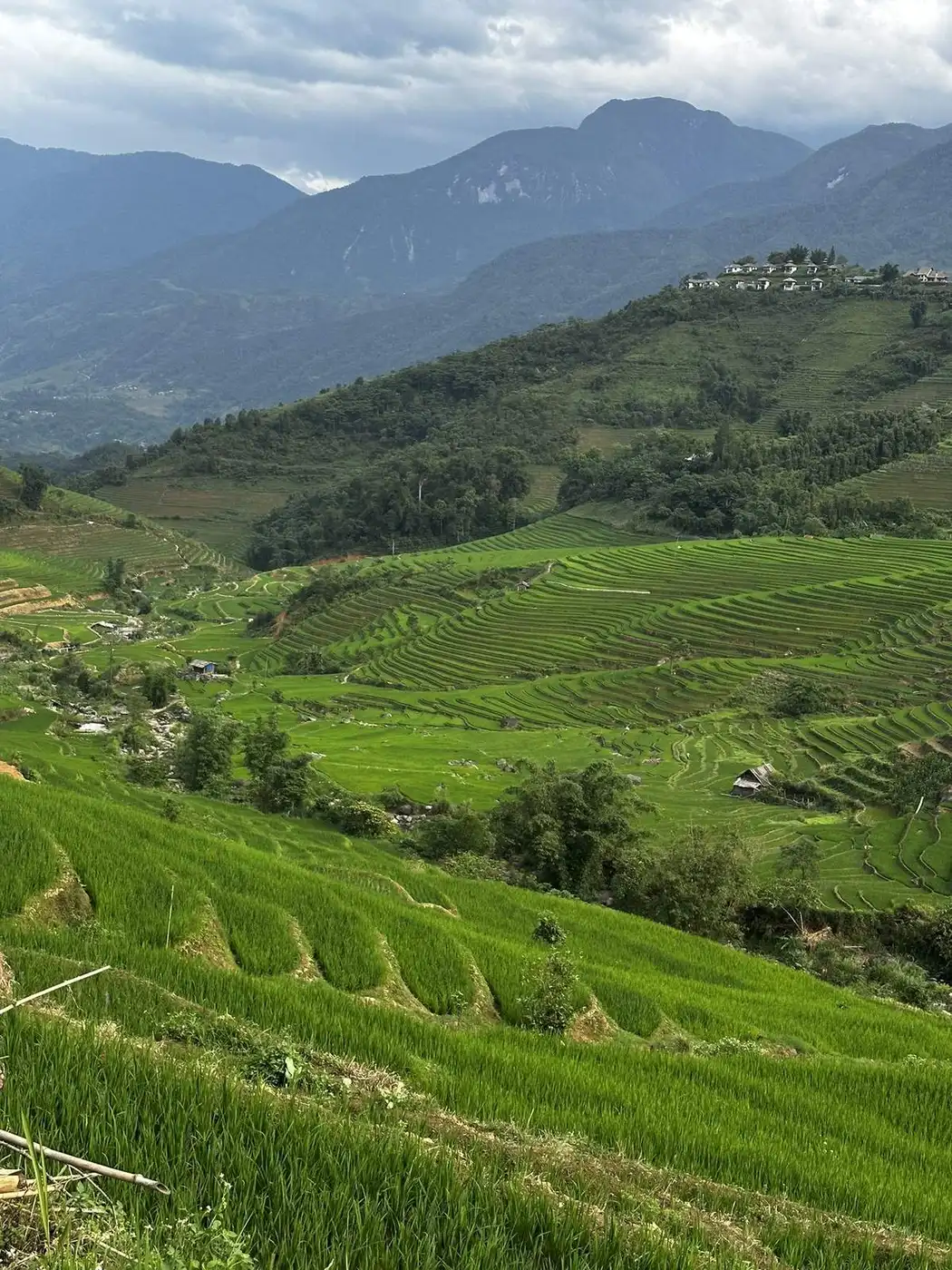
Sapa was founded by French colonists in 1910, and the town still carries that layer underneath the mountains - small bakeries with baguettes, colonial-style guesthouses, restaurants that look nothing like coastal Vietnam. Mornings sit around 12°C with thick fog that burns off by midday to reveal rice terraces stretching for kilometers. If you’ve spent a week sweating on the coast, the temperature drop alone resets how the rest of the trip feels. What you give up is a full extra travel day each way, since everything routes through Hanoi rather than the coastal cities.
The two communities that make it more than scenery
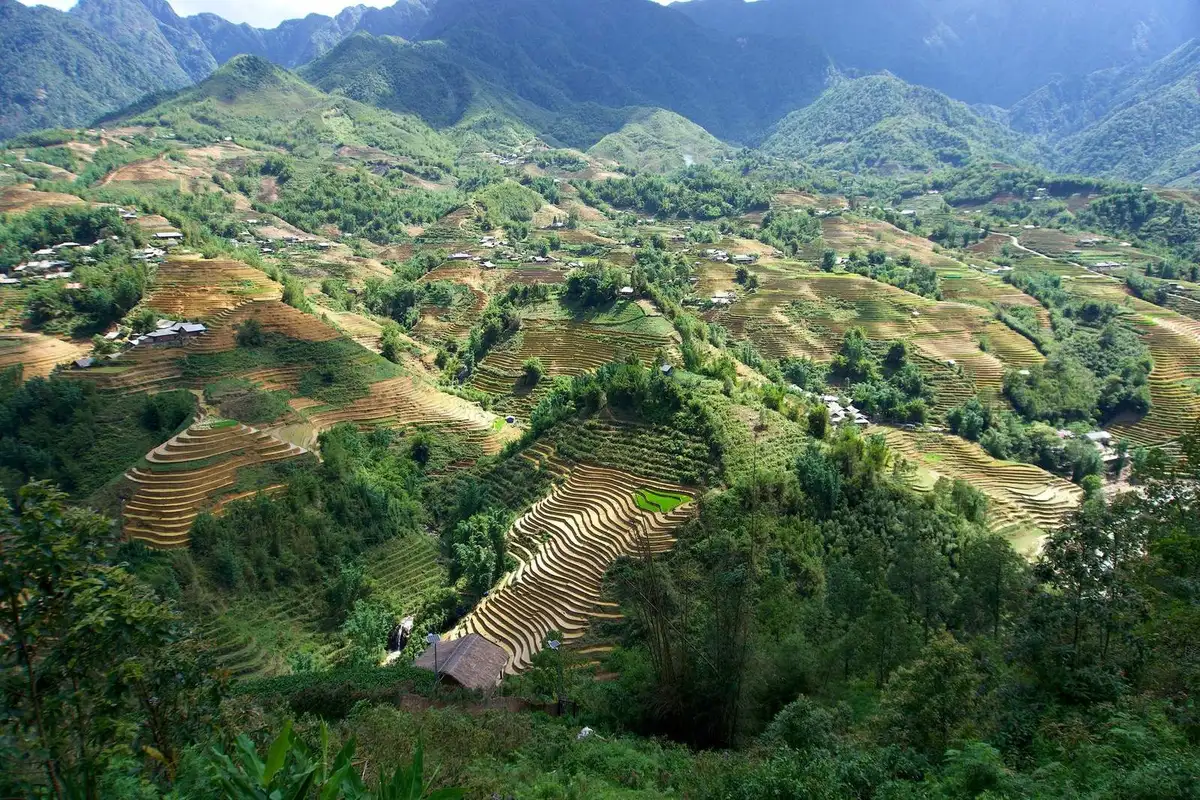
The rice terraces are the postcard, but the reason people come back talking about Sapa is the ethnic minorities living in the surrounding valleys - Black Hmong and Red Dao, two of Vietnam’s 54 recognized ethnic groups. They’re easy to tell apart: Hmong wear black outfits with bright embroidery, Dao women wrap a red headscarf and pluck their eyebrows fully once married. Local women work as trekking guides through routes that outsiders wouldn’t find on their own, and conversations with them - however brief - tend to be the part of a Sapa trip people remember longest, more than any single viewpoint.
Where the terraces actually matter, not just the photo
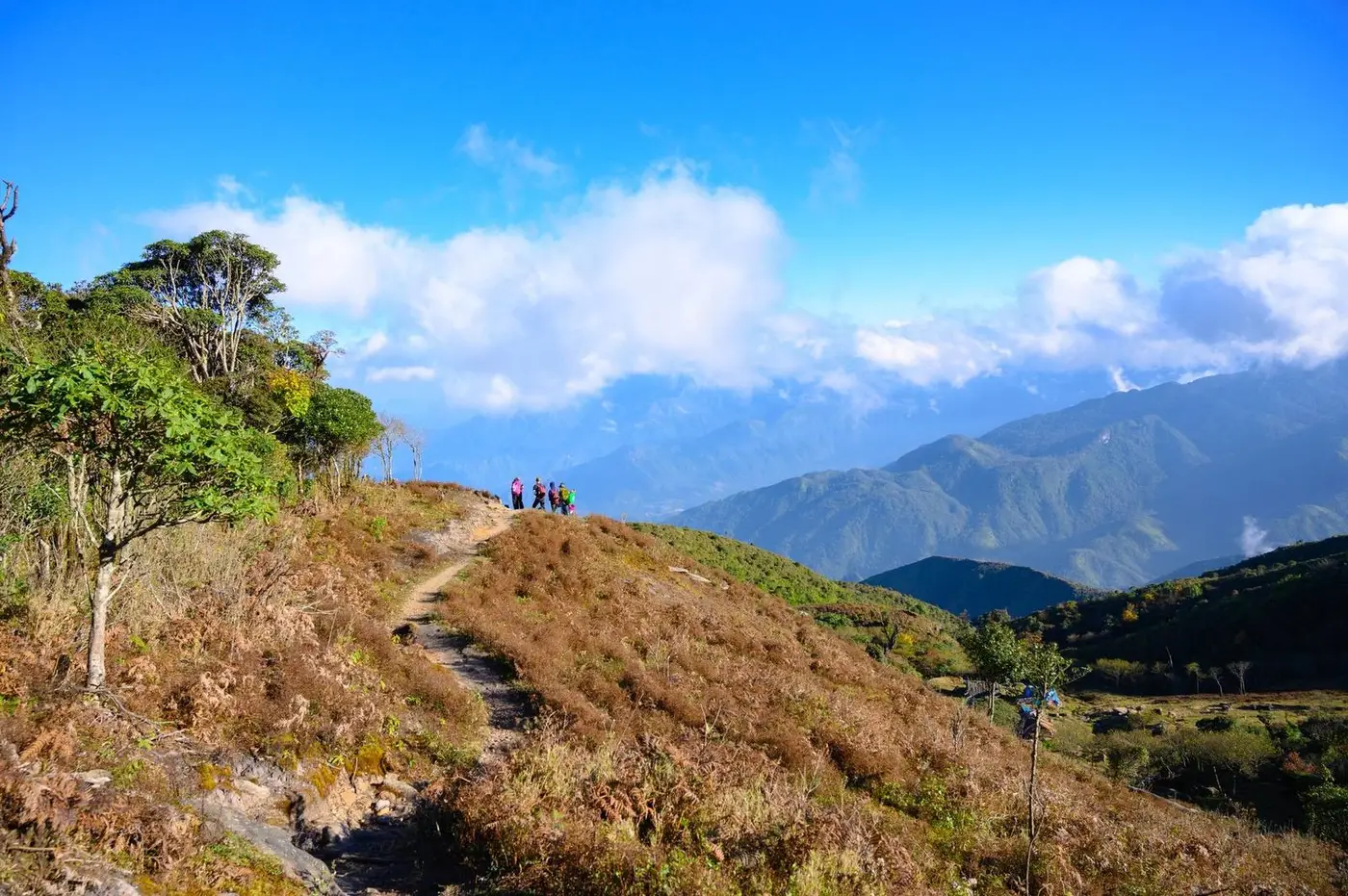
The villages of Cat Cat and Lao Chai sit along the main trekking routes and are where the postcard image becomes something you can actually see up close - rice going into noodles, wine, and vinegar, straw turned into sandals and roof thatching, buffalo still doing the plowing the same way it’s been done for generations. Further out, Tram Ton Pass climbs to 2,000 meters at the exact point where two climate zones meet, and the shift from cool to warm air happens within a single stretch of trail - a detail that photos of the terraces never capture.
Where it doesn’t quite deliver
Not everything gets equal billing. The two waterfalls near town, Thac Bac and Thac Tinh, are pleasant but skippable outside the rainy season - neither is a reason to reroute a trip. And if you’re not up for a multi-hour trek on uneven, often muddy ground, a lot of what makes Sapa worth the detour simply won’t happen for you; it rewards walking, not driving between viewpoints.
What the detour actually costs, roughly
There’s no direct route from the coast - everything funnels through Hanoi, then 438 km further to Lao Cai, the gateway to Sapa. From there it’s either an overnight sleeping bus (reclining seats, close to flat) for around $32 round trip, or an overnight train for about $42, with cabins ranging from shared berths to two-person compartments. Travel agencies in Hanoi bundle the transport into 2-5 day packages, but they typically charge close to double what booking transport and a room separately costs. A guesthouse room in town runs around $15/night, less if you’re comfortable with a homestay in one of the villages instead.
Decided it’s worth the detour? Our 3-day Sapa trekking itinerary breaks down the day-by-day route and homestay options.
So is it worth it
If your trip is purely coastal - snorkeling, beach days, one or two cities - Sapa is a hard sell against the extra travel time. But if you’re already planning to see the north (Hanoi, Halong Bay), tacking on a couple of days in Sapa turns a city-and-bay trip into something with real contrast, and the ethnic villages give it a depth that most one-off day trips in Vietnam don’t have.
Bottom line: skip it on a pure beach loop, add it if the north is already on the map.
If working out how a Sapa detour fits into a longer north-to-south route sounds like more planning than you want to do yourself, our team builds full custom routes across Vietnam - logistics, guides, and stays handled end to end.
Message me on Telegram to talk through a route.