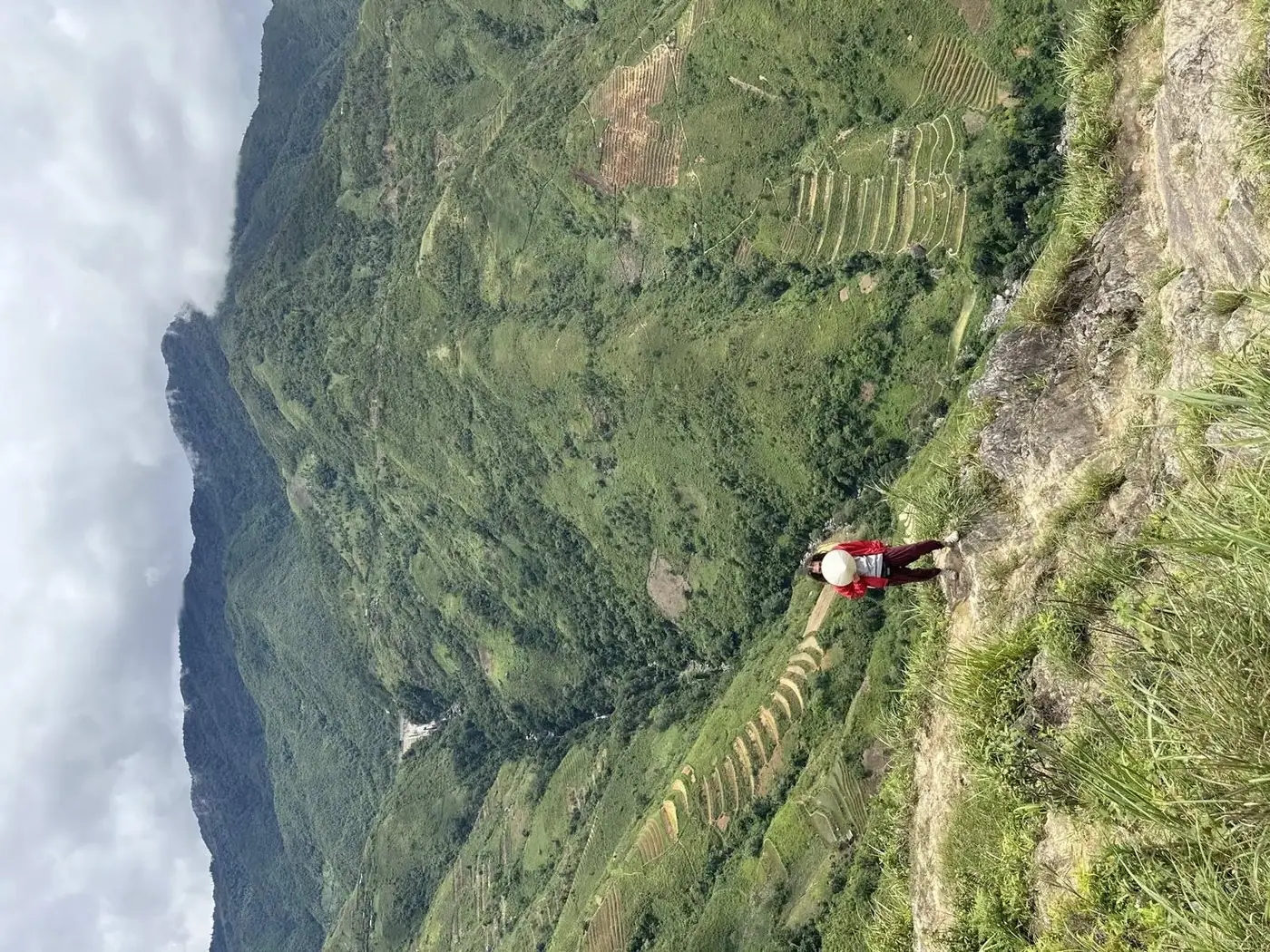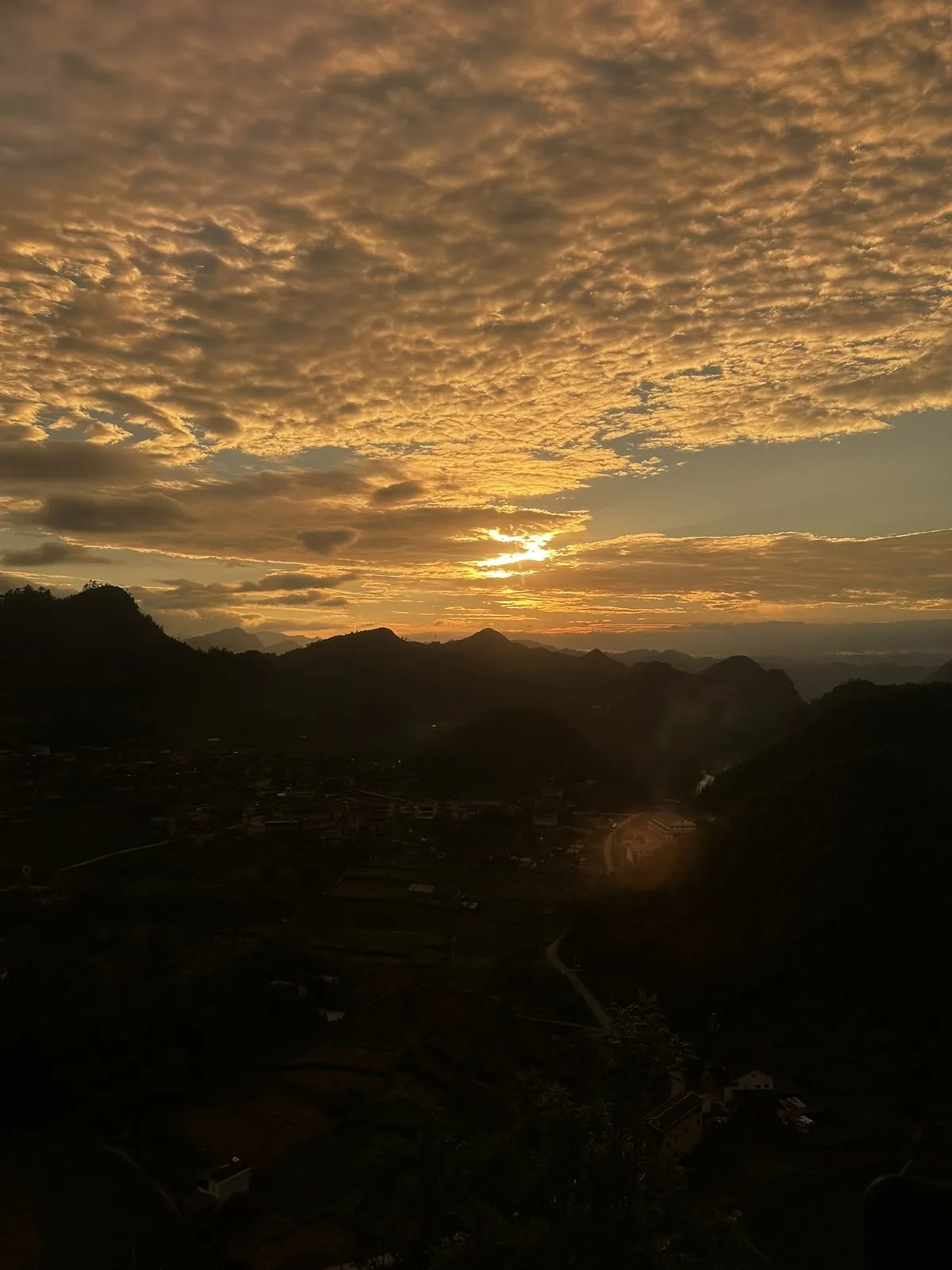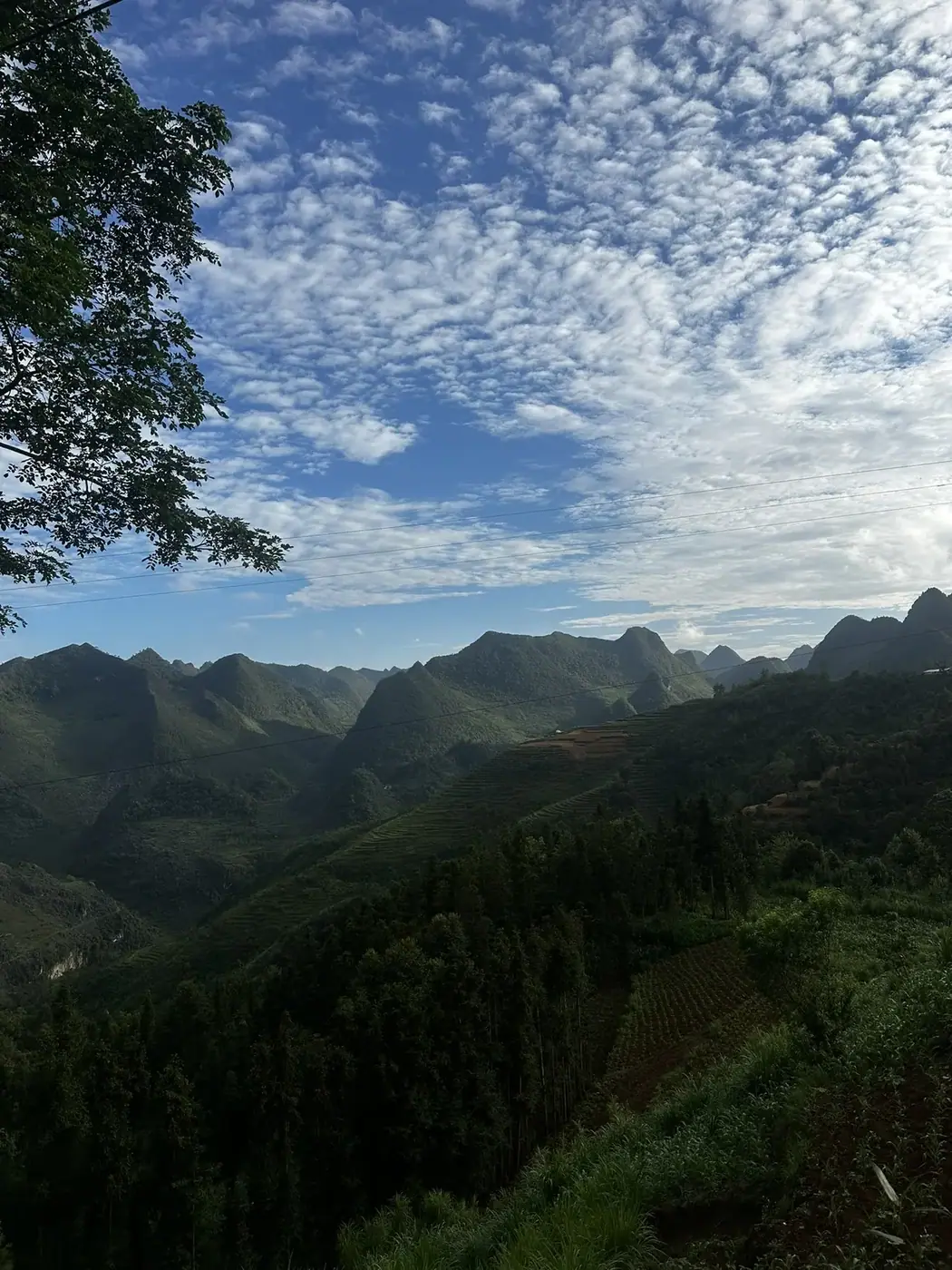
Sapa and the Ha Giang Loop are the two most-searched northern Vietnam trips for 2026, and they solve different problems. Sapa (Lao Cai Province, about 315 km from Hanoi) is built for structured trekking, a cable car to Vietnam’s highest peak, and hill-tribe villages. The Ha Giang Loop is a 300-350 km, 3-4 day motorbike circuit through Ha Giang province’s karst plateau, reached via a roughly 300 km transfer from Hanoi. Pick Sapa if you don’t ride a motorbike or have under 3 days; pick the Ha Giang Loop if you’re comfortable on a bike and want the more dramatic, less-developed north.
I’ve organized multi-day Vietnam routes out of Da Nang with Samurai Tour since 2023, and this exact pair of destinations is the question I get asked most about northern Vietnam. Neither one is objectively better - they’re built for different travelers, and this comparison breaks down where each one actually wins.
Sapa vs Ha Giang Loop at a glance
| Factor | Sapa | Ha Giang Loop |
|---|---|---|
| Getting there from Hanoi | ~315 km; 4.5-6.5h by bus/car, or 8.5-9.5h by train to Lao Cai plus a road transfer | ~300 km via the QL2 highway; 5-8h by sleeper bus or limousine van |
| Trip style | Cable car + short treks, hill-tribe villages | Self-drive or guided 300-350 km motorbike loop |
| Skill required | None - walking fitness only | Motorbike experience; valid license and IDP required |
| Typical cost | $19-20 for a short village walk, ~$74 for a full day trek, cable car 850,000-900,000 VND | $100-400 for 3-4 days total; self-drive from ~$140, guided from ~$152 |
| Best season | March-May and September-early October | September-November (and March-May); avoid July-August |
| Signature sight | Fansipan (3,143 m) and the 2,200+ hectare Muong Hoa terraces | Ma Pi Leng Pass and Nho Que River; Dong Van Karst Plateau UNESCO Global Geopark (234,500 ha, since 2015) |
| 2026 crowd level | Agoda’s fastest-growing Asia destination (+15 spots); town center is widely described as overtouristed | Entry requires a border permit, which keeps visitor volume far lower |
What makes Sapa the easier northern Vietnam trip
Sapa fits travelers who want mountain views without technical difficulty. It’s about 315 km from Hanoi - a 4.5 to 6.5-hour bus or car ride, or 8.5 to 9.5 hours by train via a transfer at Lao Cai station. Once there, the Fansipan cable car covers most of the 3,143-meter ascent in just 15 to 30 minutes.
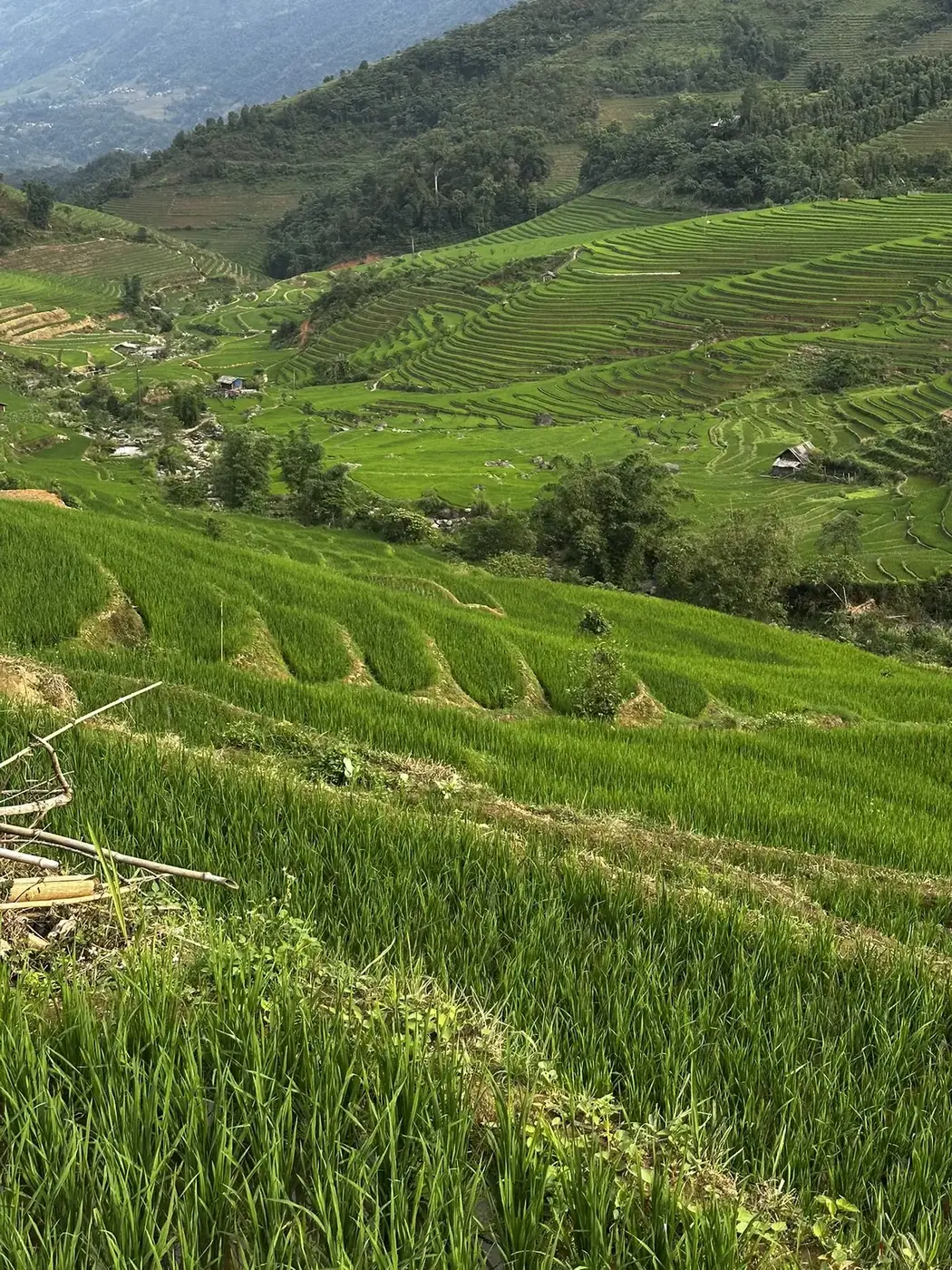
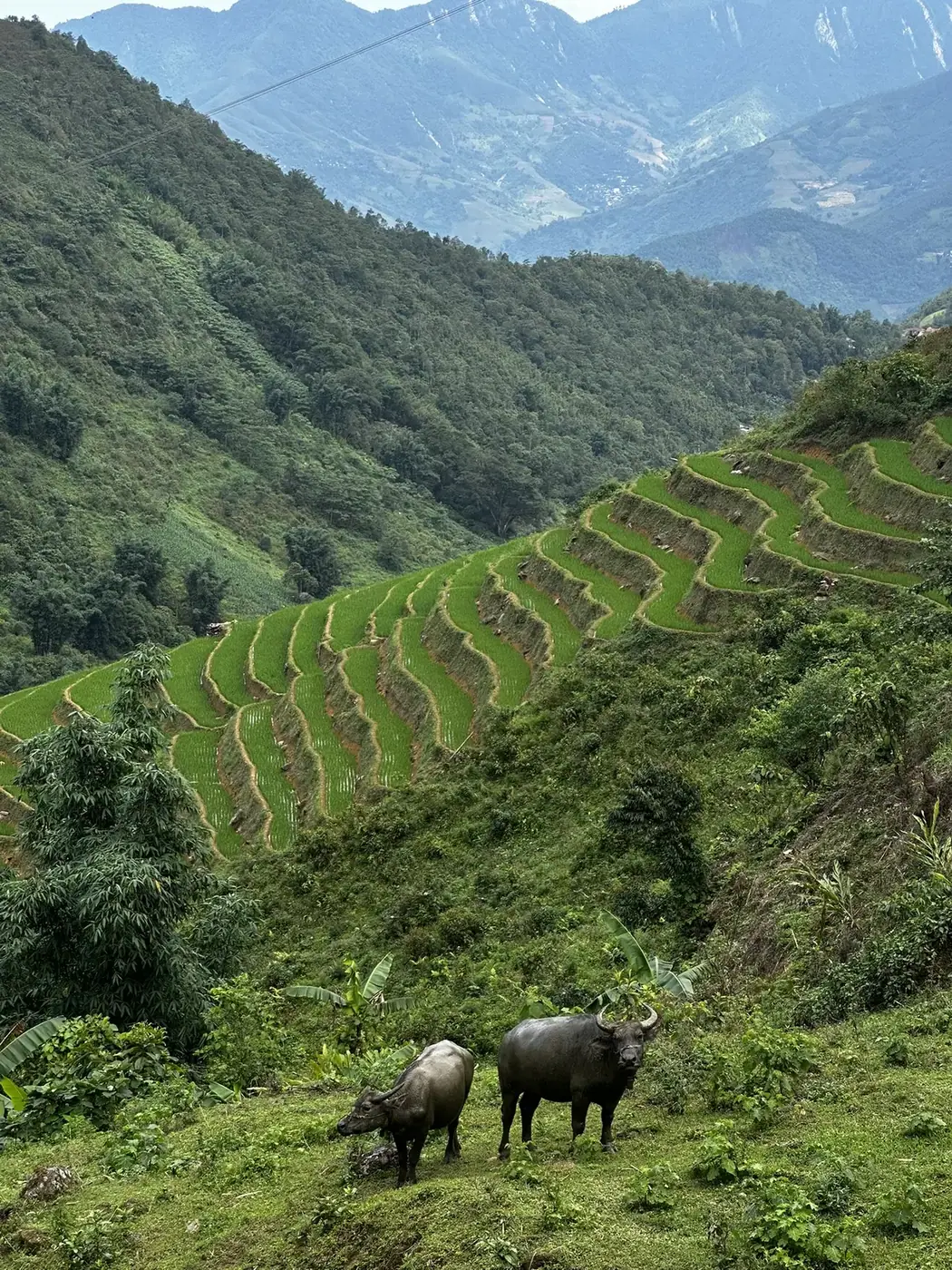
The 2,200+ hectare Muong Hoa Valley terraces - Vietnam’s largest, per the country’s Guinness-recognized record - are walkable in a single day. A one-day guided trek through the H’mong and Dao villages of Y Linh Ho, Lao Chai and Ta Van runs about $74 per person; shorter village walks start around $19-20, and a 5-day multi-day hiking package starts from around $368. September to early October brings the best light for the golden rice terraces , while June through August turns the trails muddy and fogged in.
Sapa’s popularity is also its biggest downside in 2026. Agoda named it Asia’s fastest-growing travel destination in its New Horizons ranking, up 15 spots on accommodation bookings, and Lao Cai province logged 370,806 visitors over the 9-day 2025 Tet holiday alone. One correction worth making here: despite what a lot of blogs claim, Sapa’s terraces are not an inscribed UNESCO World Heritage Site - they’re only part of a pending nomination alongside the Sa Pa Ancient Rock Art site and Hoang Lien National Park. If a confirmed UNESCO designation matters to your itinerary, that box gets checked by the other destination on this page, not this one.
This is usually the point where people ask if they can skip the logistics entirely. That’s what a guided multi-day route removes - someone else pre-books the trekking guide, the transfers and the village homestay, and you just show up and hike. Browse Samurai’s guided Vietnam routes if a done-for-you north Vietnam leg sounds better than three separate bookings.
Is the Ha Giang Loop worth the risk in 2026?
The Ha Giang Loop is worth it if you’re comfortable on a motorbike and want scenery Sapa doesn’t have. National Geographic calls it “the most dangerous road in Vietnam” , and the roughly 20-23 km Ma Pi Leng Pass between Dong Van and Meo Vac is the reason why.
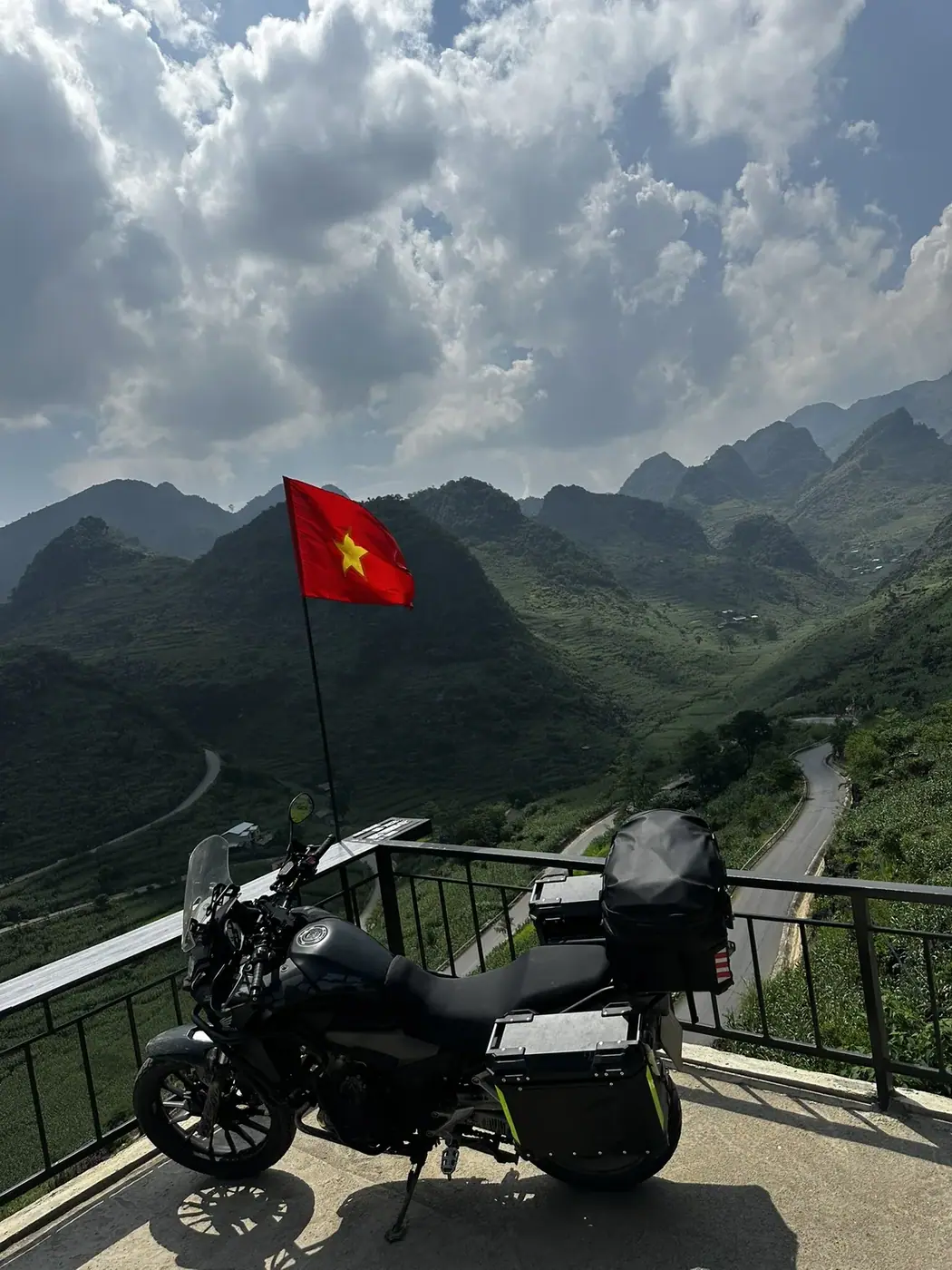
Once you reach Ha Giang City - about 300 km and 5-8 hours from Hanoi by sleeper bus ($12-25) or limousine van ($18-24) - the loop itself covers another 300-350 km over 3-4 days through the Dong Van Karst Plateau UNESCO Global Geopark , 234,500 hectares recognized since 2015.
Two documents make the trip legal. A border-area entry permit (roughly 200,000-250,000 VND, arranged through a tour operator or the Immigration desk in Ha Giang City) covers the regulated northern districts. An International Driving Permit issued under the 1968 Vienna Convention with a Category A motorbike endorsement is also required - the more common 1949 Geneva Convention IDP that the US, UK and Australia issue does not count for riding here. Get caught without valid paperwork at one of the loop’s 6-8 police checkpoints and you’re looking at a fine of roughly 5,000,000 VND plus a 10-15 day vehicle impound.
Budget $100-400 for the full trip depending on style: a self-drive 3-day loop runs around $140, a guided “easy rider” 3-day trip (someone else drives, you ride pillion) costs $152-180, and 4-day guided packages range from about $200 up to $340-400 at the premium end. The payoff is Nho Que River , where a 30-60 minute boat ride (100,000-150,000 VND) runs through Tu San Canyon, reportedly Southeast Asia’s deepest, with cliffs over 700 meters. September to November is the recommended season ; July and August bring landslides and near-zero visibility on the passes.
How to choose between Sapa and the Ha Giang Loop
Choose Sapa if you have 1-3 days, want cable-car or short-trek access to mountain scenery, and don’t ride a motorbike. Choose the Ha Giang Loop if you have 3-4+ days, ride comfortably, and want karst canyons and a confirmed UNESCO landscape without Sapa’s 2026 crowds.

- Time budget: 1-3 days → Sapa. 3-4+ days → the Ha Giang Loop.
- Riding experience: none → Sapa’s cable car and short treks. Comfortable on a motorbike → the Loop.
- Crowds: Sapa is 2026’s fastest-growing Vietnam destination by foot traffic. Ha Giang’s permit requirement keeps numbers lower by design.
- What you want in your photos: rice terraces and cable-car panoramas → Sapa. Karst canyons and mountain passes → the Loop.
- Have 7+ days: run Sapa first (2-3 days from Hanoi), return to Hanoi, then do the Ha Giang Loop (3-4 days). The two routes don’t overlap logistically, so combining them costs you transit time, not itinerary conflicts.
If you’d rather someone just tell you which one fits your dates than build the comparison yourself, that’s exactly the kind of question I answer daily for people planning a Vietnam trip. Message me on Telegram with your travel dates and how comfortable you are on a motorbike, and I’ll tell you honestly whether Sapa, the Loop, or both make sense for your trip.
Frequently asked questions
Is the Ha Giang Loop dangerous?
Travel-blog estimates (not official Vietnamese traffic police data) put fatalities at roughly 1-3 riders a year among thousands who complete the loop, with 5-10% reporting minor falls. Most incidents cluster on the descents around Ma Pi Leng Pass near Meo Vac, especially when roads are wet.
Do I need a permit to visit Ha Giang?
Yes - the province’s four northern districts (Quan Ba, Yen Minh, Dong Van, Meo Vac) sit inside a regulated border zone. The permit runs 200,000-250,000 VND and is arranged through a tour operator or the Immigration desk in Ha Giang City before you start riding.
Is Sapa worth it in 2026, or has it gotten too crowded?
Yes, for the Fansipan cable car and Muong Hoa terraces specifically - Agoda still ranks it Asia’s fastest-growing destination for 2026. Just expect the town center itself, not the trails, to feel touristy.
Do I need an International Driving Permit for the Ha Giang Loop?
Yes, and specifically one issued under the 1968 Vienna Convention with a Category A motorbike endorsement. The 1949 Geneva Convention IDP issued in the US, UK and Australia is a different document and isn’t accepted here.
Can a first-time rider handle the Ha Giang Loop alone?
Most operators recommend a guided “easy rider” trip for first-timers - you ride pillion while a local driver handles the bike - at roughly $70-120 a day versus $45-70 for self-drive. The Ma Pi Leng descents aren’t the place to learn.
Fansipan: cable car or trek?
The cable car covers most of the 3,143 m ascent in 15-30 minutes for 850,000-900,000 VND. A guided trek instead takes 1-2 hard days and starts around $65 - worth it only if the hike itself is the point of your trip, not just the summit.