A 3-day Sapa trekking itinerary runs roughly $70-120 per person, including a local guide, homestay meals, and a cable car ticket to Fansipan - the exact split depends on group size and season.
Day 1: Arrival and the easy warm-up loop
Most travelers reach Sapa from Hanoi on an overnight sleeper bus or train ($20-25 for a berth, about 6 hours), arriving early morning with a full day ahead. The warm-up route drops from Sapa town toward the rice terraces, a flat 40-minute walk on paved road before the trail turns dirt and follows a river down to Lao Chai village.
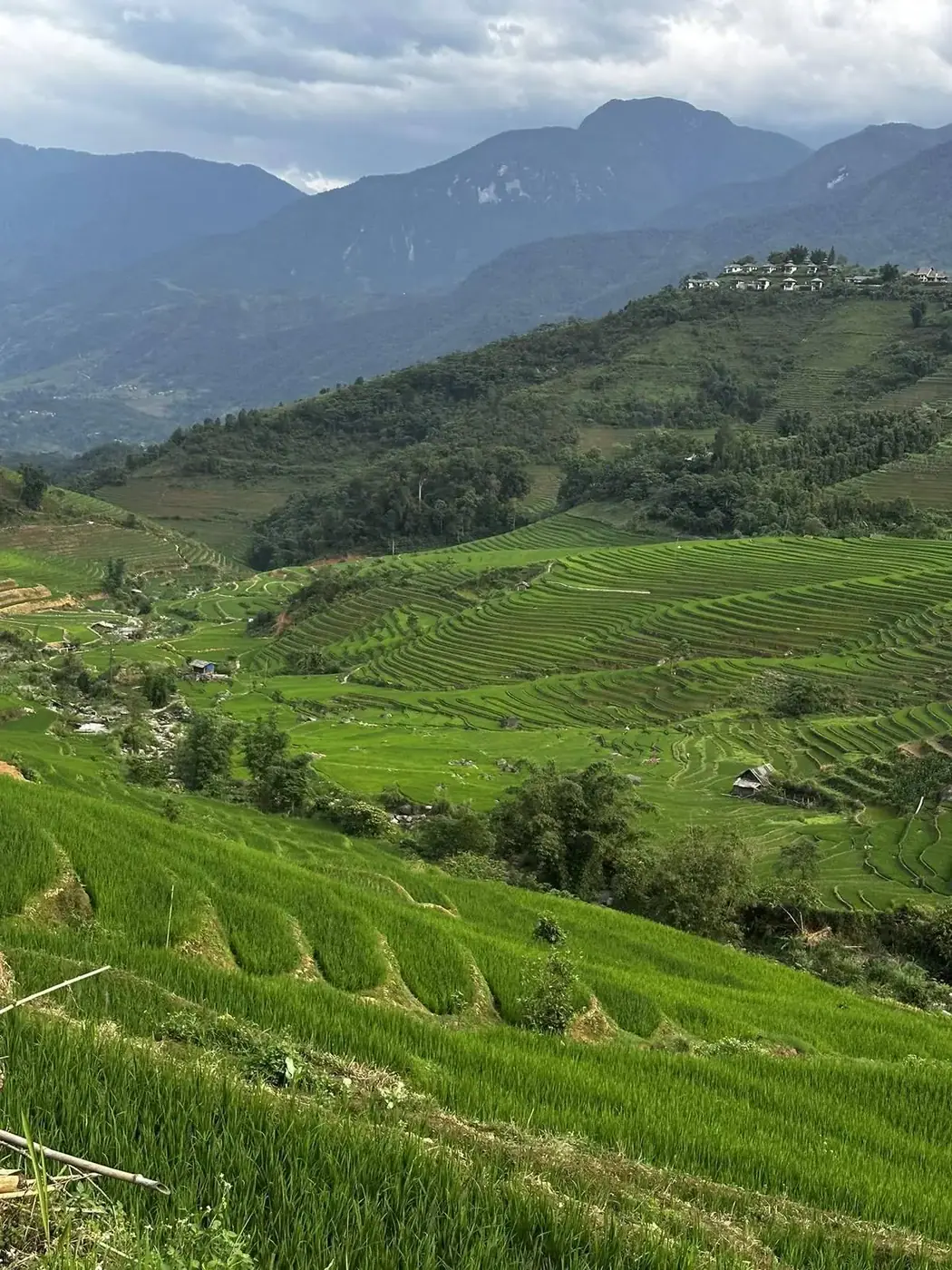
March terraces are green, not flooded - the mirror-like reflection everyone photographs only happens during planting season, May through September, and the gold-harvest window is narrower still. If timing the terraces for photos matters more to you than the trek itself, we broke down that exact window separately .
Day 2: The village-to-village trek (and where guides earn their fee)
Booking a guide through a Hanoi agency runs $25-40/day including meals and homestay; through a Sapa hotel it’s mid-range; hiring directly on the street in town costs $20-30/day. Guides matter here - trails between Ta Van and the more remote hamlets aren’t marked, and the maps on AllTrails or Maps.me only get you partway before local knowledge takes over.
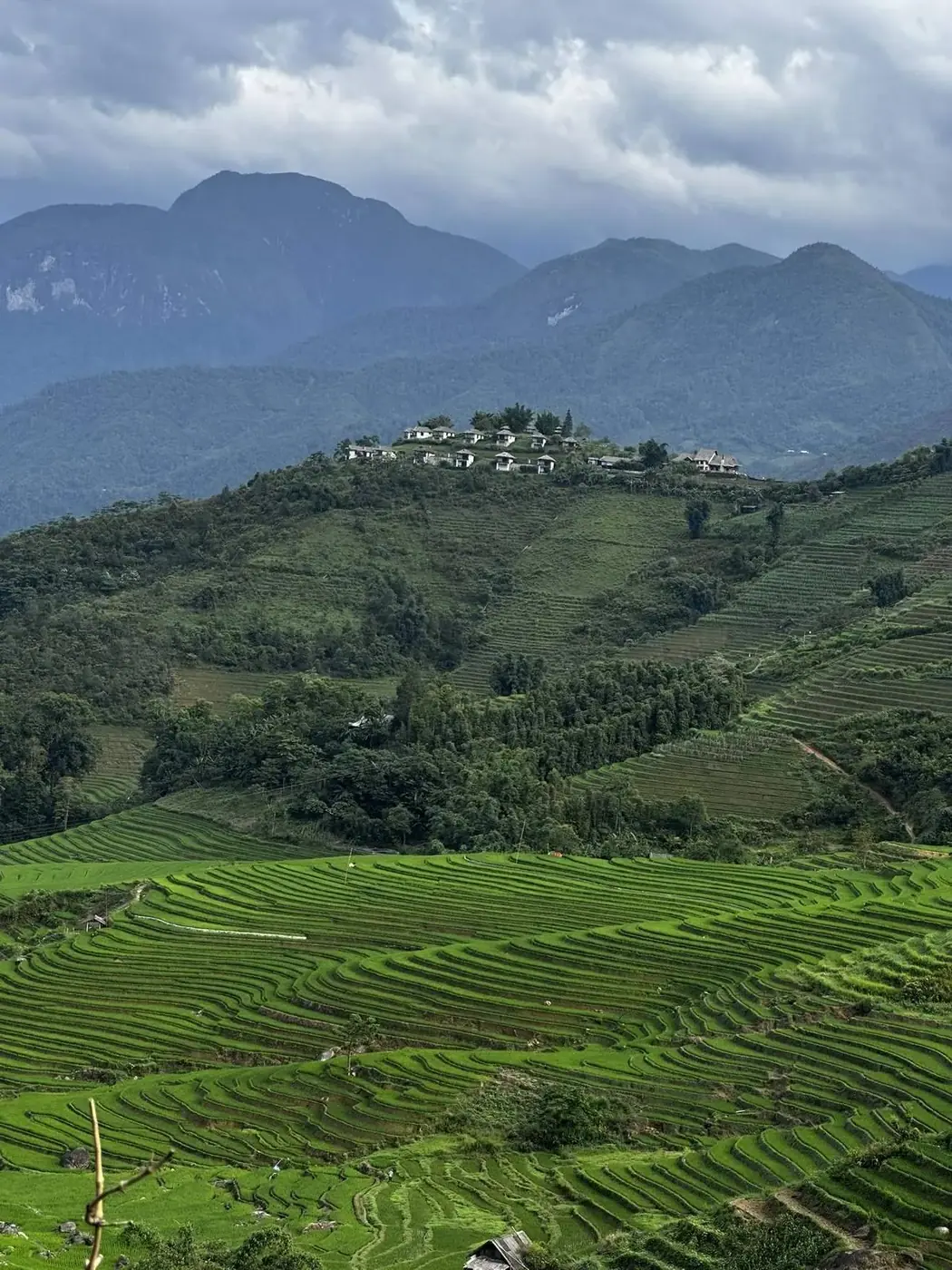
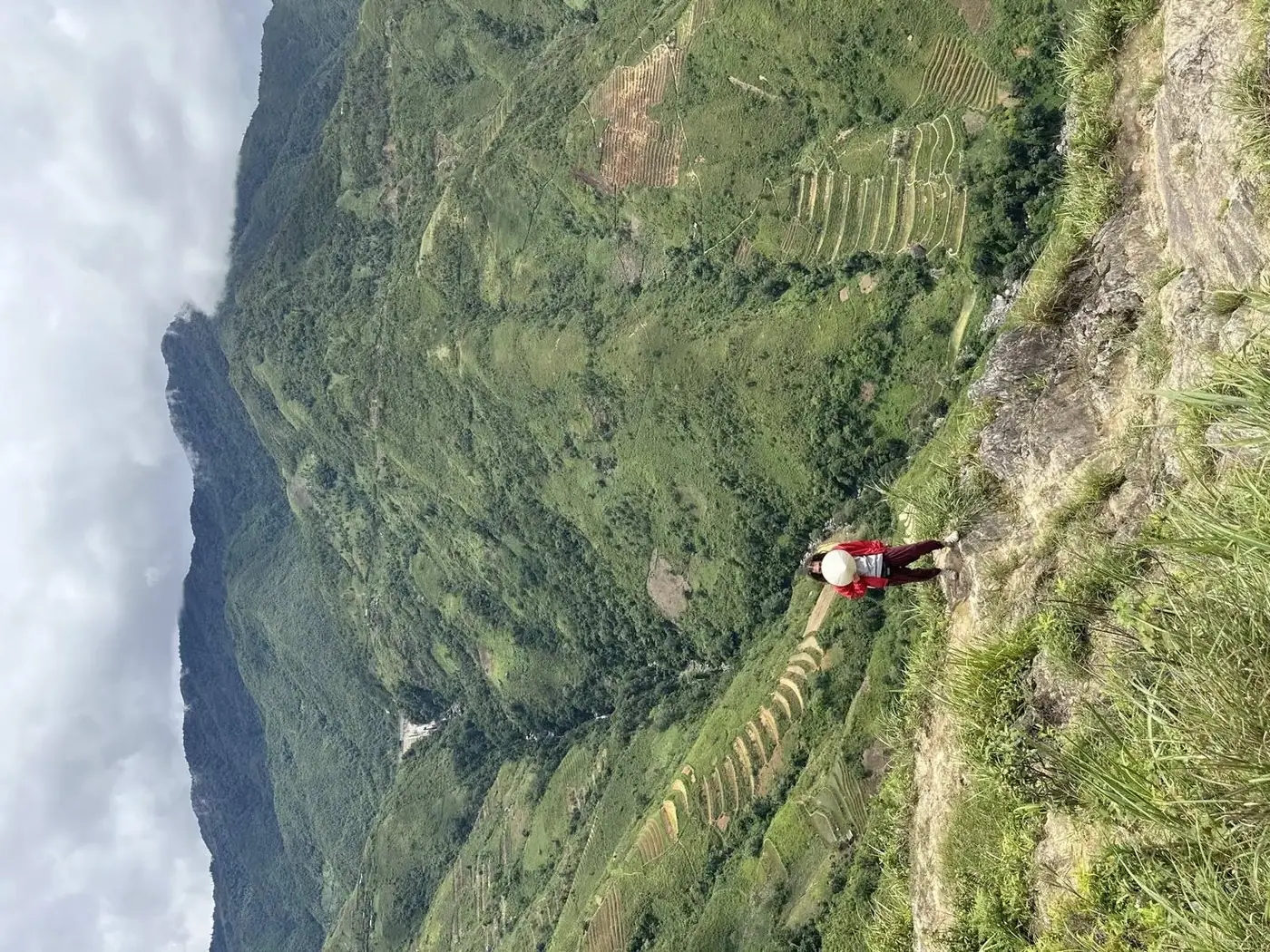
My own day 2 turned into an unplanned four-hour jungle scramble when the guide swapped the printed route for a “shorter” path behind the village - hand-sized spiders and a mosquito count I stopped tracking included. It wasn’t the postcard version of Sapa, but it’s the day I still talk about.
Day 3: Fansipan - cable car or one more climb
Vietnam’s highest peak has two access points: the cable car (800,000 VND round-trip, plus roughly 600 steps to the actual summit) or a multi-day trek through jungle terrain for those still willing to climb after two days on the trail. After the jungle detour on day 2, the cable car was the honest choice.
Where to sleep - skip the town, pick the hamlet
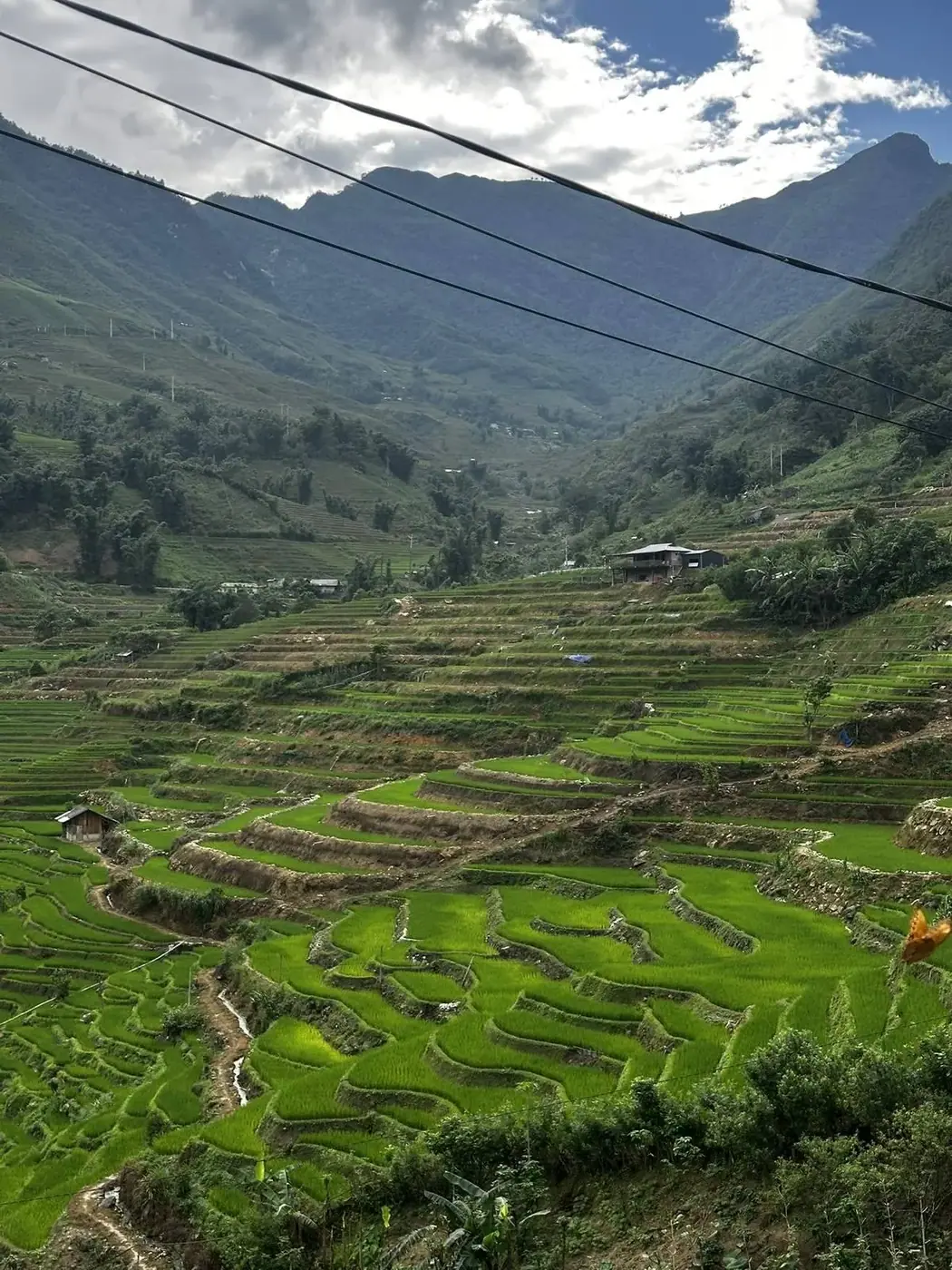
Homestays right in Sapa town tend to be repackaged guesthouses aimed at day-trippers. The more memorable stays are in Ta Van or Lao Chai - a stilt house, mats on the floor, dinner with the host family often by candlelight since electricity isn’t guaranteed every evening. This is also where the persistent souvenir sellers common near the town center mostly disappear.
What to eat between hikes
Two dishes worth ordering: thang co, a horse meat soup with a dozen herbs traditionally served with corn wine, and xoi nep cam, colored sticky rice. Sapa’s cooler climate also supports trout and salmon farms in the mountain streams - grilled salmon shows up on more menus here than almost anywhere else in Vietnam.
Budget breakdown for the full 3 days
Rough total per person, excluding the return trip: $20-25 for the overnight sleeper from Hanoi, $60-120 for a guide across three days with meals and homestay nights, and roughly $32 (800,000 VND) for the Fansipan cable car round-trip. That puts a self-organized 3-day trek at $110-180 per person, booked entirely on arrival with no advance reservations required beyond the sleeper seat. It also lines up closely with the Sapa leg built into our own 7-day Hanoi-Halong-Sapa route , if you’d rather have the logistics handled than piece it together yourself.
Gear that actually mattered
Decent-traction trekking shoes and mosquito repellent did more work than anything else packed - the repellent especially, after two straight days of bites on the jungle detour. A light rain shell is worth the extra weight too; afternoon drizzle showed up most days even outside the wet season, regardless of the forecast that morning.
If juggling guide bookings, homestay availability, and the Fansipan cable car schedule across three days sounds like more logistics than vacation, this is exactly the kind of trip we build for people who’d rather just show up and hike - group size, pace, and which villages to sleep in get worked out before you land. Message us on Telegram and we’ll walk you through how a Sapa leg usually fits into a longer Vietnam route.
Sapa rarely stands alone on a Vietnam itinerary - most travelers pair it with a few more stops before flying home. If you want the whole route mapped out instead of piecing it together hostel by hostel, our tour programs are on the site - DM us on Telegram if it’s easier to just ask directly.