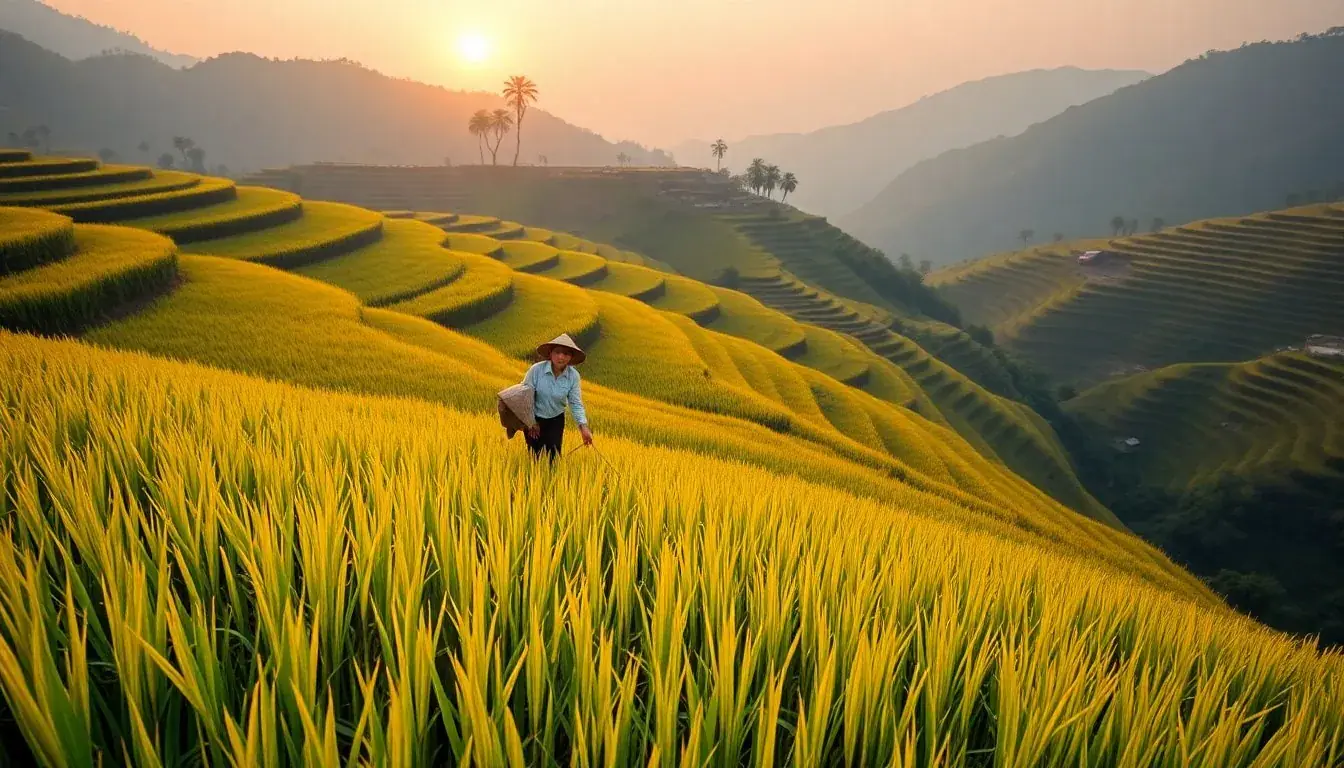
Sapa’s rice terraces turn gold in mid to late September, the only window when the rice is ripe but not yet cut. At 1,500 metres in Lào Cai province the valley harvests once a year, so the timing is brutal — it took me three trips before I finally hit it right.
If you’re thinking about seeing Sapa’s rice terraces, the month you pick matters more than almost anything else.
Why September Became the Only Month That Worked
Sapa sits around 1,500 metres up in Lào Cai province. That altitude means one rice harvest per year, not two or three like the lowlands. The whole valley goes through one dramatic cycle — flooded in May, green in summer, golden in September, cut in early October.
Two weeks is the difference between “this is the photo I came for” and “this field was full yesterday.”
September works because the rice is ripe but not yet harvested. Mornings drop to around 15°C — cold enough for mist to roll through the valley — and afternoons stay clear. Mid to late September is the sweet spot. Early October still works some years, depending on when farmers start cutting.
The Photo I Was Actually Chasing
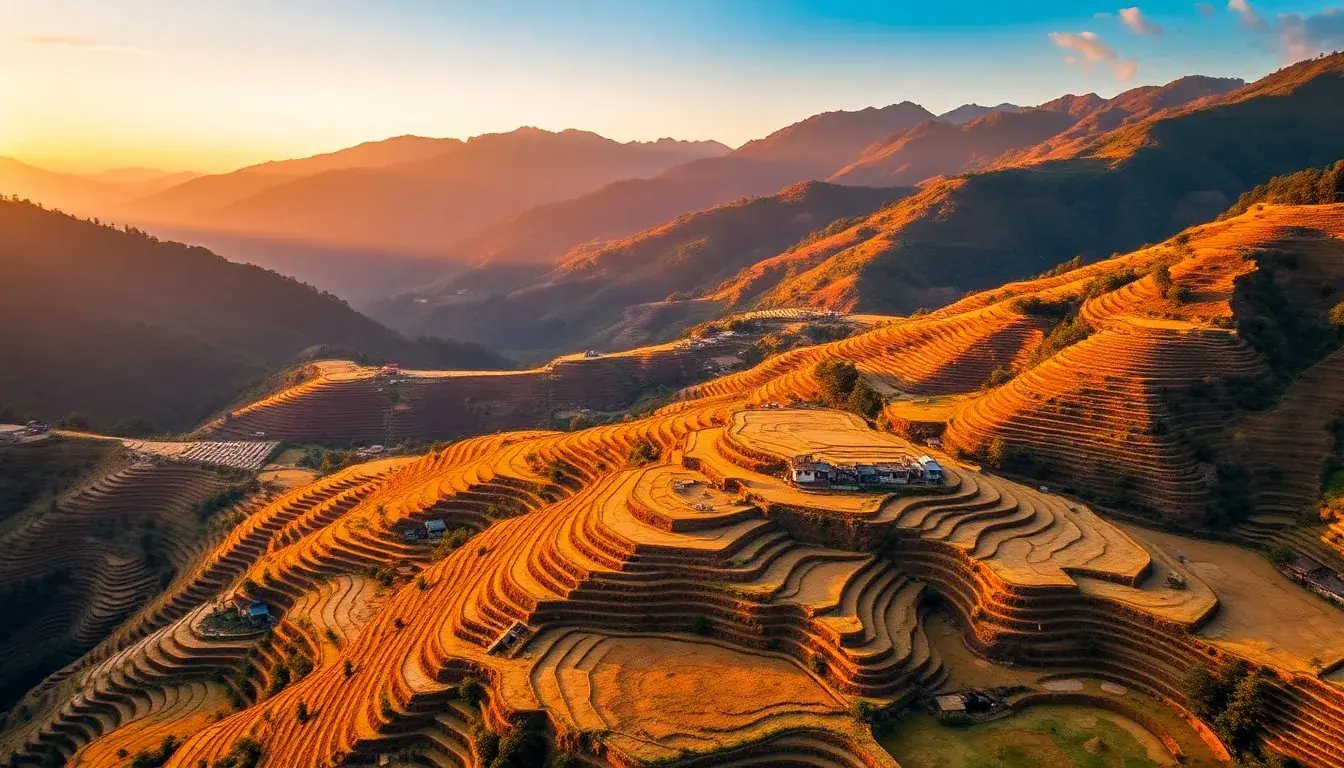
Most people come with a generic “terraces at sunset” idea in their head. After three trips I realised what I actually wanted was a specific kind of light — low angle, warm, hitting the gold of the rice sideways. That happens for about 40 minutes at sunrise and 40 minutes at sunset. Everything else is either too flat or too dark.
The Muong Hoa valley viewpoint is the postcard spot, and it deserves the reputation. But walk 30 minutes down the trail toward Lao Chai village and you lose the tour buses, same angle, no crowds. The fee at the main viewpoint is small and worth it — pay it before sunrise, don’t try to sneak in at dawn.
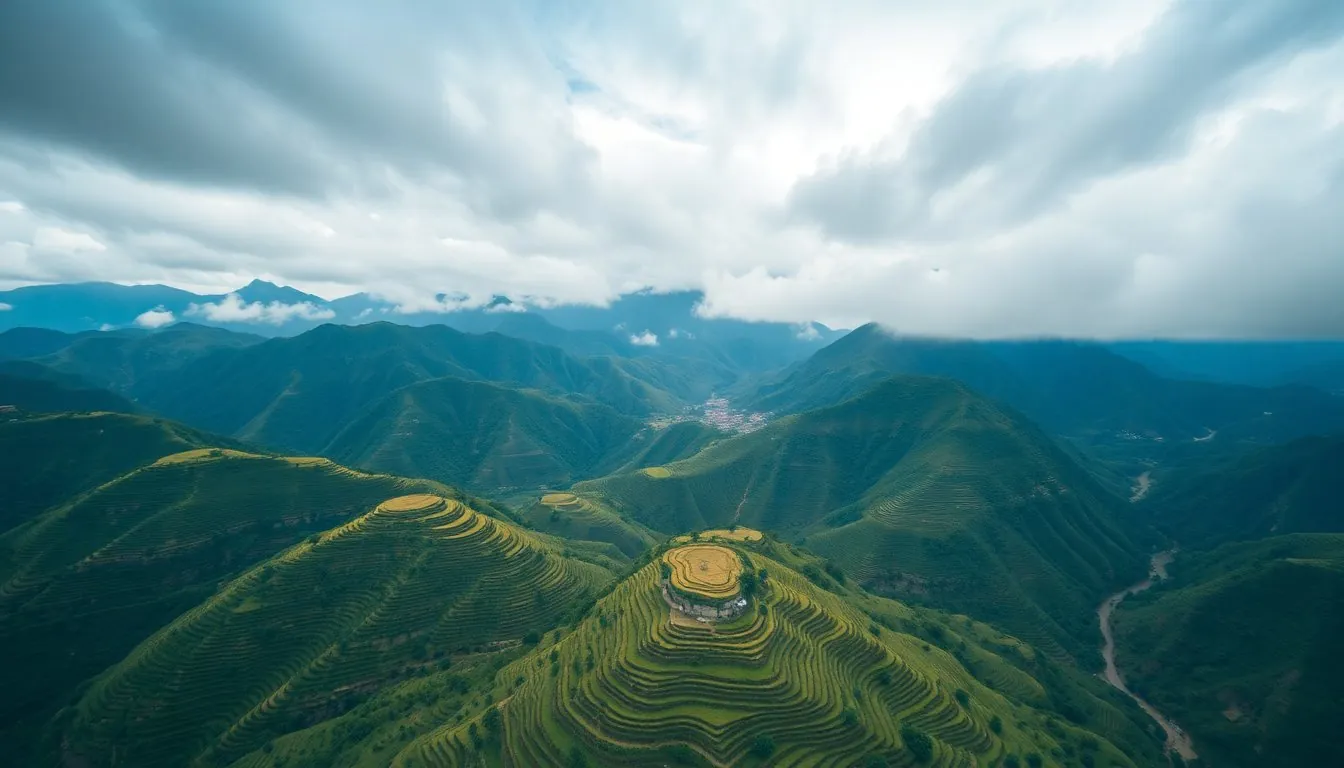
Fansipan peak is right there at 3,143 m if you want a bonus climb — the cable car runs even when the valley is fogged out.
Where I Stayed (And What I’d Do Differently)
First trip: a “4-star” hotel in Sapa town. Wi-Fi was fine, view was of another hotel across the street. Waste.
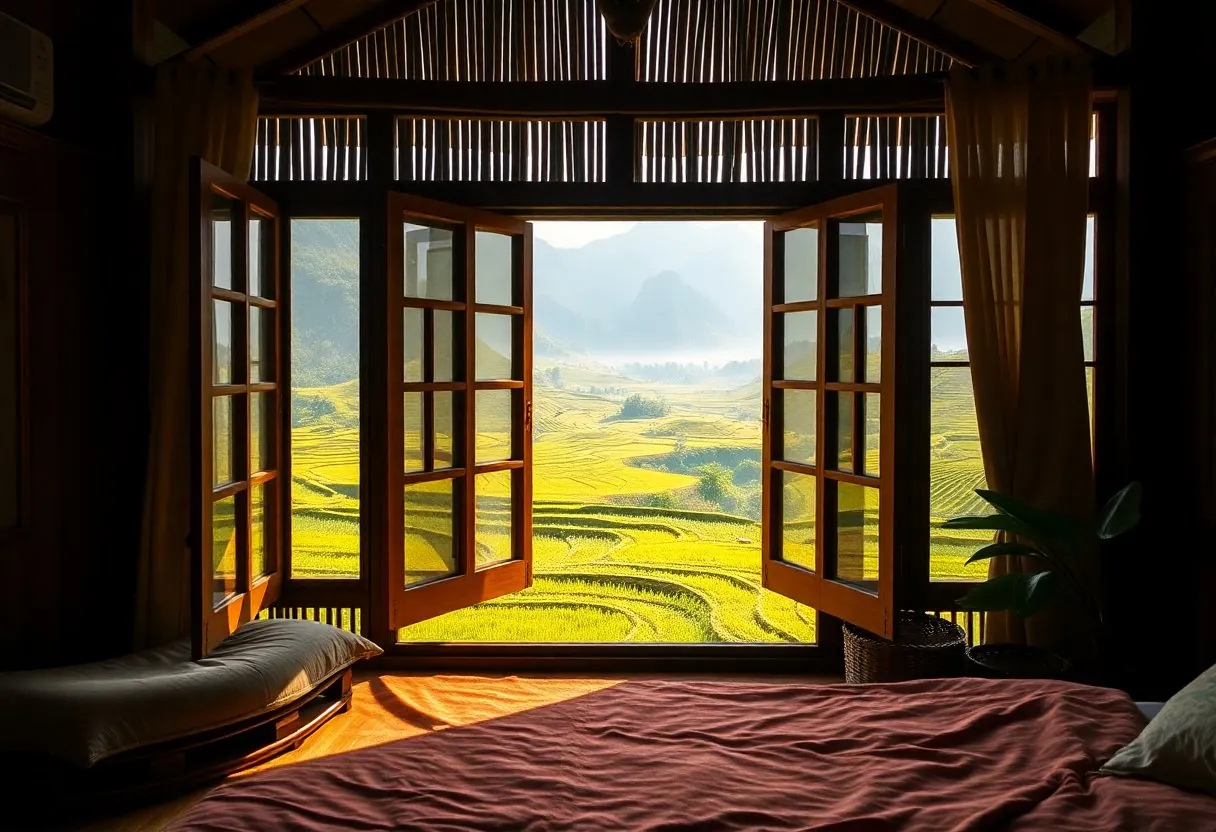
Third trip: a homestay in Ta Van village, about 8 km from town. Wooden house on stilts, a family cooking dinner downstairs, a window looking straight at the terraces. That’s when the trip started mattering.
What I’d do next time: skip Sapa town entirely, go straight to Ta Van or Lao Chai, stay two nights. You don’t need three — one sunrise and one sunset from the valley is usually enough, and day three is a bonus if the weather breaks.
Our Samurai Tour team usually books homestays on request — that’s how I found my spot the third time. That homestay booking is already baked into our 7-day Hanoi-Halong-Sapa route , if you’d rather not hunt for one yourself.
Three Mistakes I Made on Day One
Save yourself three days of my trial and error:
- I booked the wrong sunrise. First morning I walked out expecting golden light and got solid grey fog for two hours. Check the forecast the night before. If it shows low cloud cover under 800m, sleep in and try the afternoon.
- I tried to shoot handheld in low light. A cheap travel tripod saved me on trip two. Your phone is enough if the light’s good, but at sunrise in misty conditions a tripod turns “ok pic” into “the pic.”
- I didn’t bring enough cash. Homestays don’t take cards. The ATM in Ta Van village was broken the week I went. Had to borrow from another traveller. Bring 2-3 million VND more than you think you need.
What to Pack — And What I Wish I’d Left
What actually earned its space in the bag:
- A warm layer — even August mornings in Ta Van hit 15°C
- Hiking shoes, not sneakers — trails between villages are wet and steep
- Paper cash in mixed denominations
- A power bank — homestays don’t always have reliable outlets
What I hauled and never used:
- A drone. Valley restrictions and weather meant I never got it up. Ground shots were better anyway.
- Formal clothes. Nobody in Sapa cares what you’re wearing.
- A laptop. Three days offline in a mountain village is the point.
The official Vietnam tourism page on Sapa has trek maps if you want to plan the village-to-village walks in advance. If you’re still working out your visa situation first, our step-by-step Vietnam e-visa guide covers the 2026 application process.

Planning Your Sapa Trip?
If you want to swap notes on dates, villages, or homestay recommendations — browse our full route lineup or here’s how to reach out directly:
- Route and timing advice — message me on Telegram @vietnam_samurai
- Vietnam visa help — tap start on our Telegram @vietnam_samurai (e-visa, renewal, visa runs)
Go in September. Trust me.