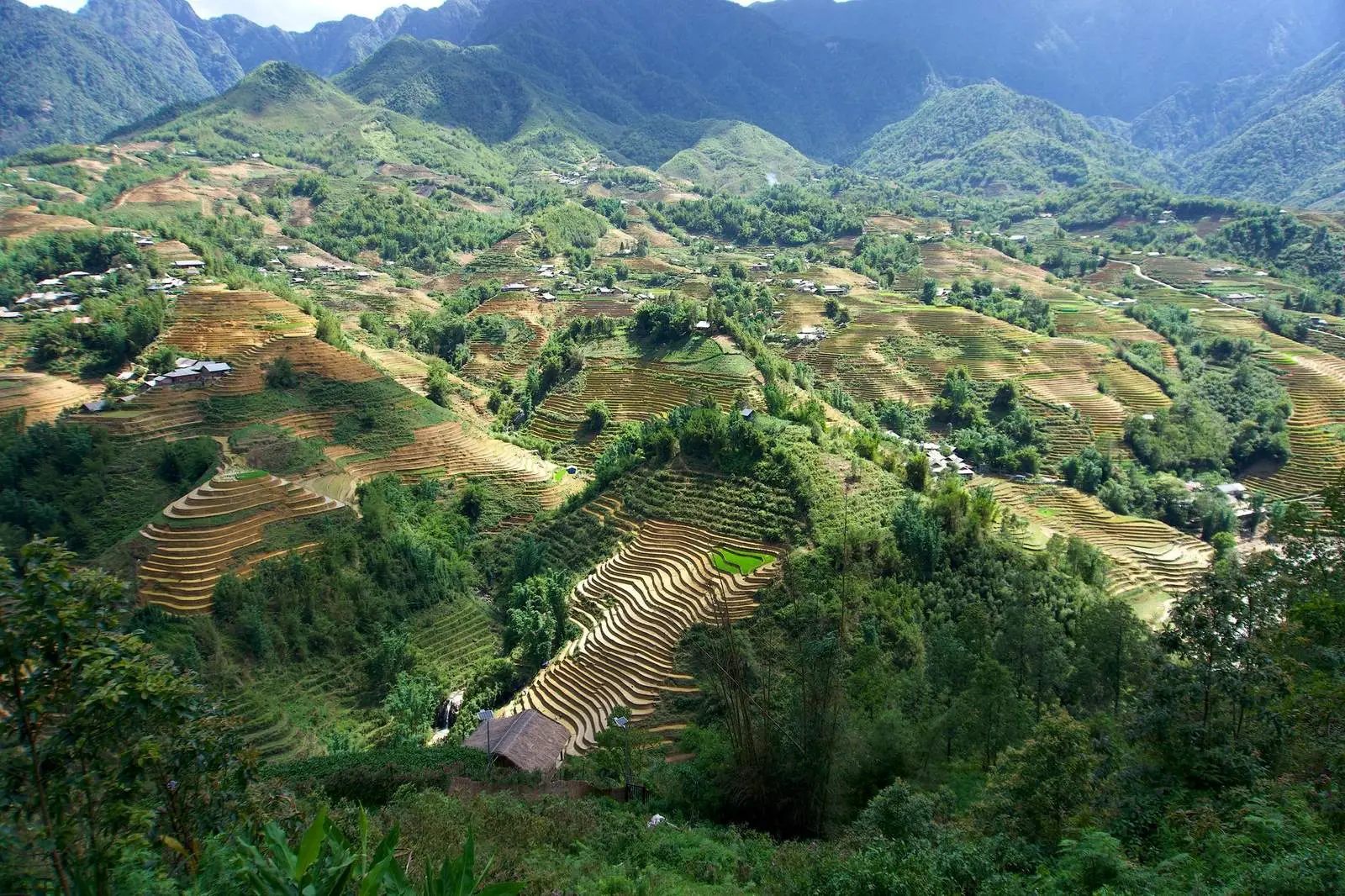
Sapa’s rice terraces change colour with the farming year: green in the rainy summer and golden just before the harvest. Green runs from June to August, and the gold arrives in the last days of August, lasts through September and peaks around mid-September. If you would rather not guess the harvest week yourself, there is an easy way to hand that over to someone local.
I live in Vietnam and have guided trips here since 2023, and the question I hear most about Sapa is which month to book. This guide gives the colour calendar, the road from Hanoi and the villages where the terraces are best.
When Are the Sapa Rice Terraces Green?
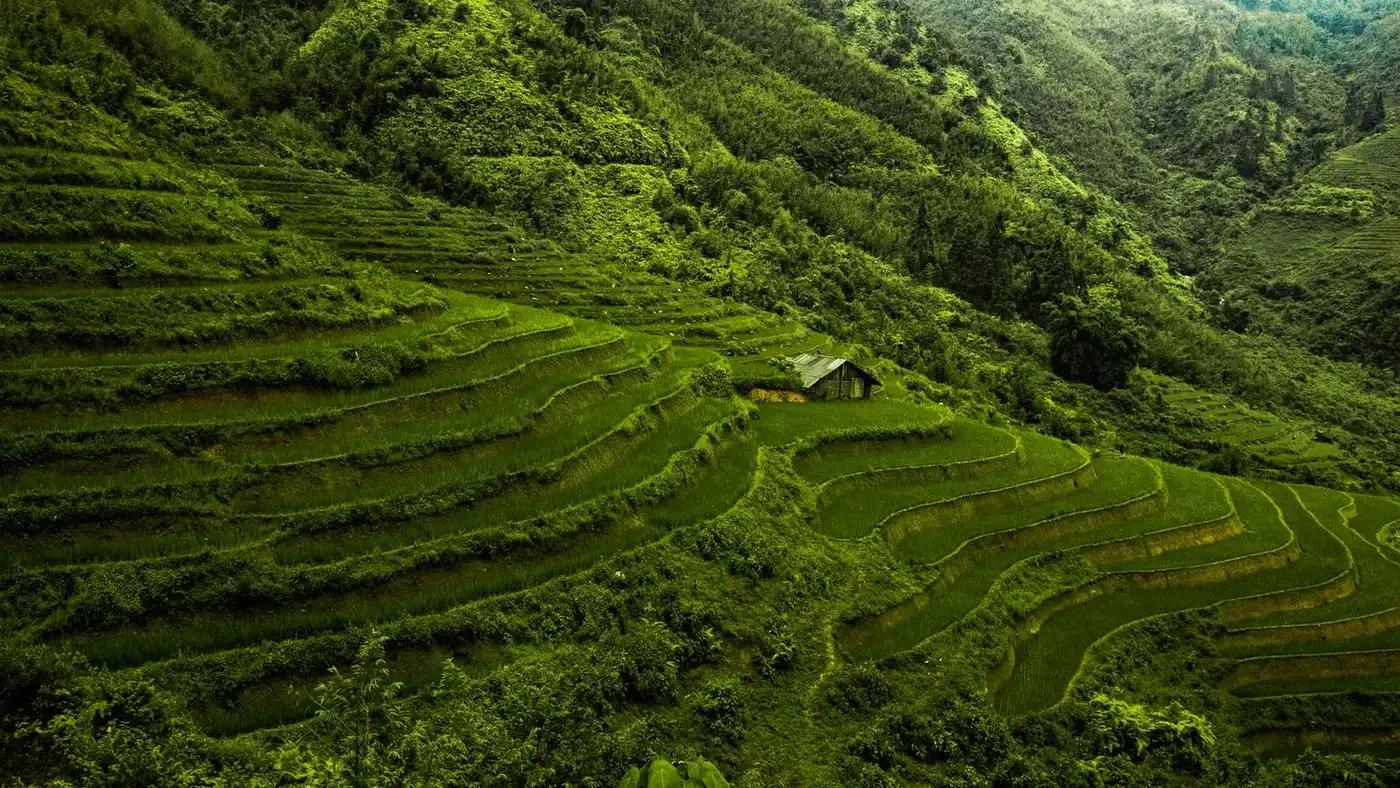
The terraces are greenest from June to August, and July is the month most guides name for the deepest green. In May the farmers flood the slopes and plant seedlings, so they look like stepped mirrors first and a patchwork of young green after. This is also the rainy season, with afternoon showers and slippery trails.
Between February and April the terraces are bare and being prepared, and the month the water arrives depends on altitude, which is why sources disagree on it.
When Do the Sapa Rice Terraces Turn Golden?
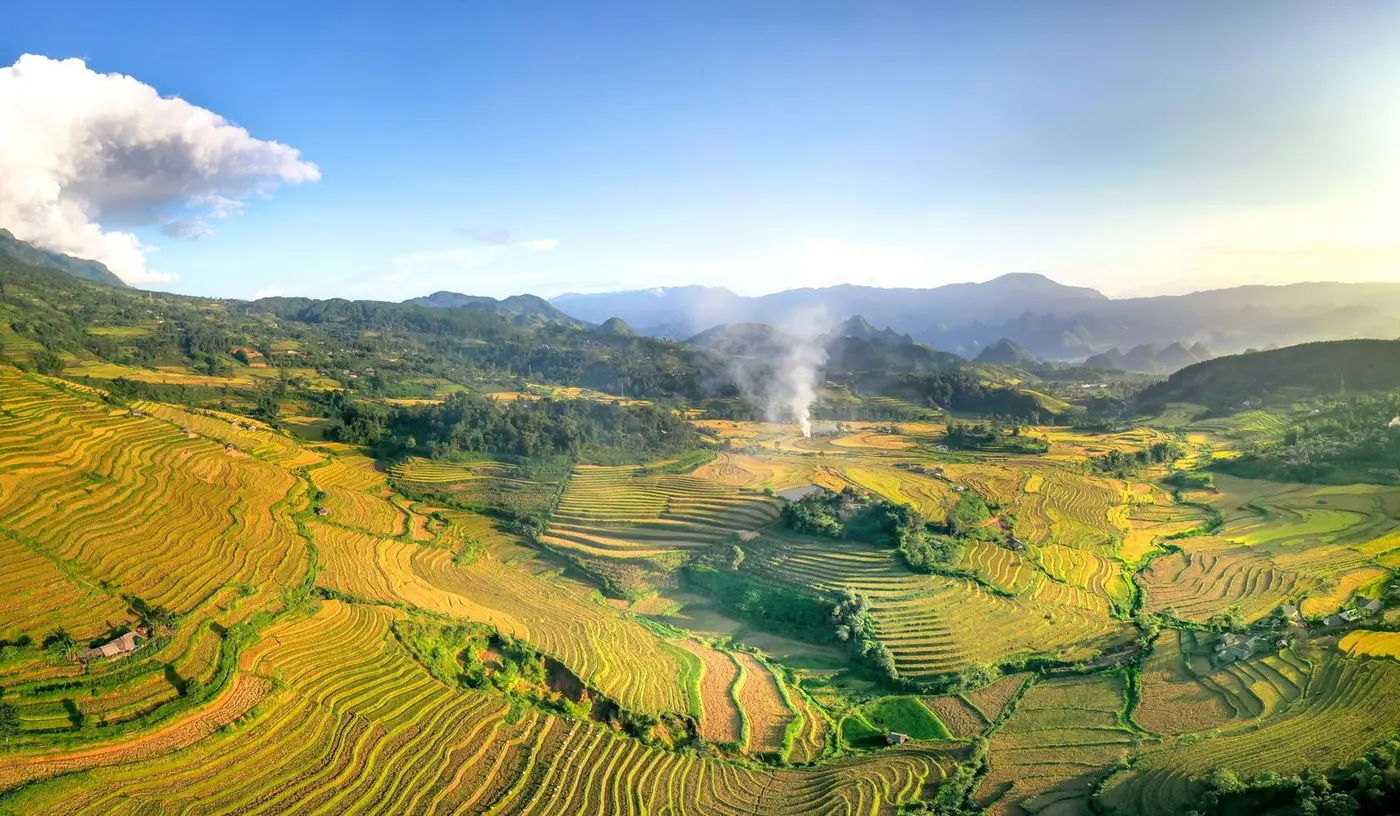
The rice turns gold from late August, and mid-September to the end of the month is the peak. By early October farmers have cut many of the slopes, and from November the terraces are brown stubble with cold, foggy weather. Each valley is harvested on its own dates, so one week can be the difference between gold and stubble.
That is the part I would plan around. The colour window is about three weeks, nobody publishes a harvest calendar, and a booking made in spring for fixed dates can land after the cut. I would book the second half of September and keep a spare day. My longer diary of that month is in why September is the only month I’ll visit Sapa .
How Do You Get to Sapa From Hanoi?
The fastest way is a sleeper bus or limousine van on the Noi Bai to Lao Cai expressway, which takes 5.5 to 7 hours and costs about $11-$18 each way. The overnight train takes 8 hours to Lao Cai station, with berths from about $20 in a four-berth cabin, and then a transfer of roughly 35 km to Sapa town by van or taxi. Sapa lies about 315 km from Hanoi.
You can compare departures and book both options on 12go.asia . Take the bus if you want to arrive in daylight and the train if you want to save a night of hotel, and book a few days ahead in September, when demand is highest. Draw cash in dong before you go, because there are no ATMs in the villages. Sapa is usually one stop on a northern loop, and our 15-day route from north to south shows how a northern stop fits into a longer trip.
Which Villages Near Sapa Have the Best Terraces?
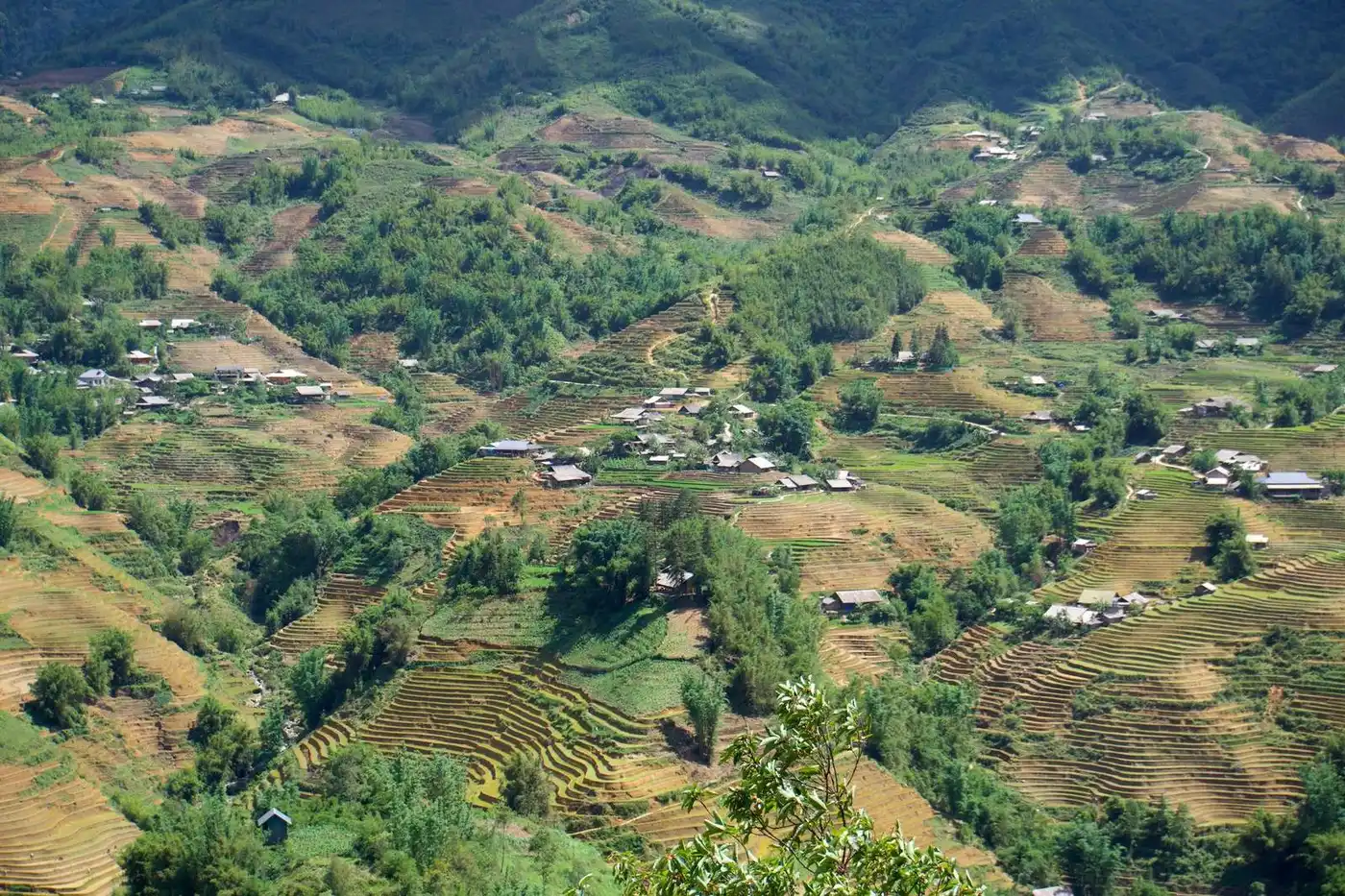
The best terraces are in the Muong Hoa Valley south-east of Sapa town, around the villages of Y Linh Ho, Lao Chai and Ta Van. Cat Cat, about 2 km from the centre, is the easy half-day option. Ta Phin is the quieter Red Dao village for people who want fewer visitors.
Is the Walk From Lao Chai to Ta Van Worth It?
Yes, it is the best terrace route near town. The classic walk goes down from Sapa town through Y Linh Ho and Lao Chai, a Black Hmong village, to Ta Van, a Giay village, along roughly 10 km of terraces. Walk it in the green season or in September, because in the bare months the valley loses most of its reason to go. Many people sleep one night in a Ta Van homestay and ride back to town the next morning. My pick is that homestay night over a second day of walking, because the slopes look best in the early and late hours, before and after the day groups pass through.
What Do Cat Cat and Ta Phin Offer?
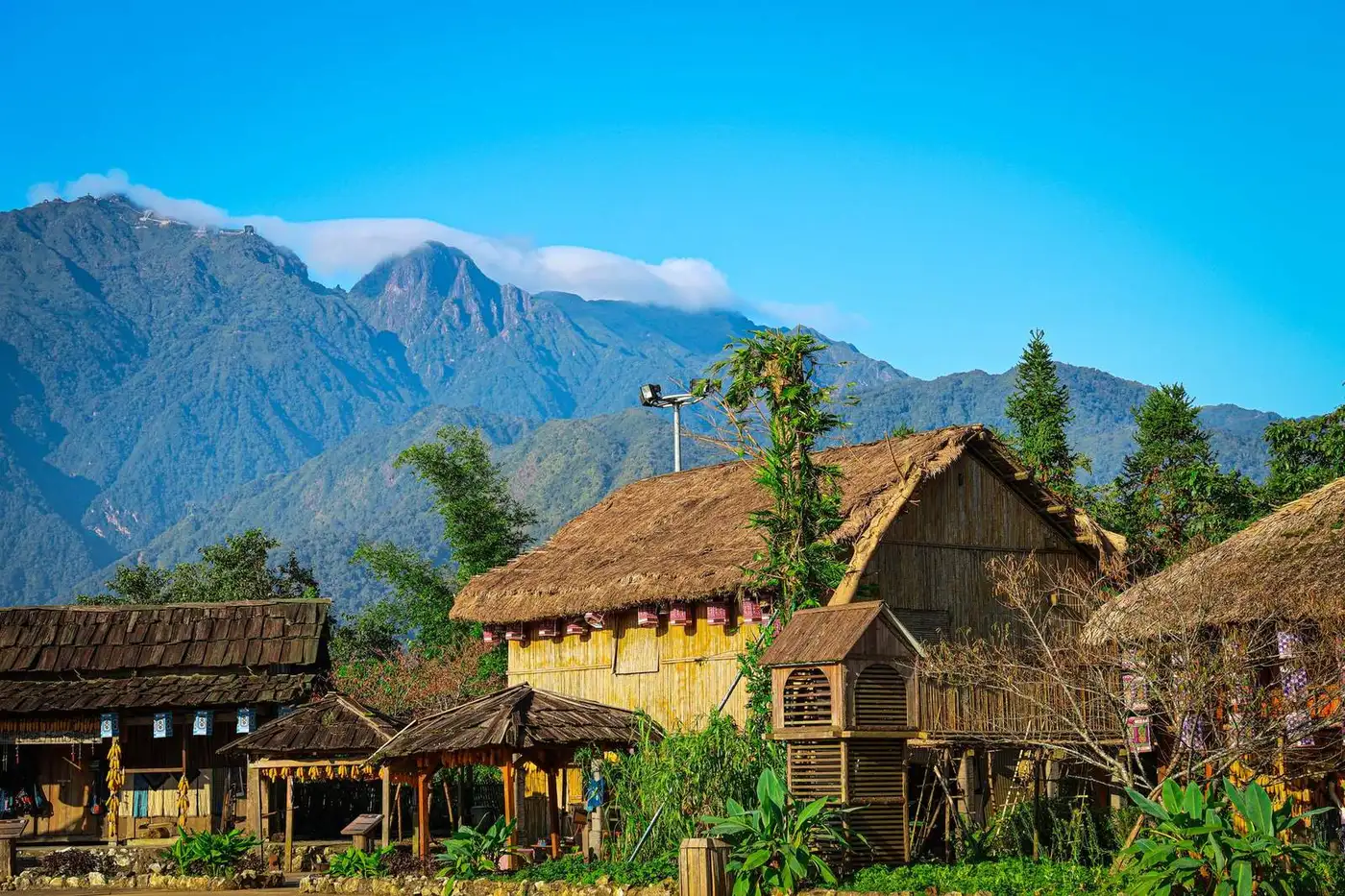
Cat Cat is the easy choice and Ta Phin the quiet one. Cat Cat is a Hmong village about 2 km below the centre, with a waterfall, indigo-dyeing demonstrations and an entrance ticket at the gate, so carry some cash. It is the crowded option and a gentle first walk. The mistake is to treat Cat Cat as your terraces day: it is a village stroll with a waterfall, and the big stepped slopes lie down in the Muong Hoa Valley. Ta Phin is a Red Dao village known for its herbal baths, with smaller patches of terrace and fewer tour groups.
Do the Terraces Still Look Good in Fog or After the Harvest?
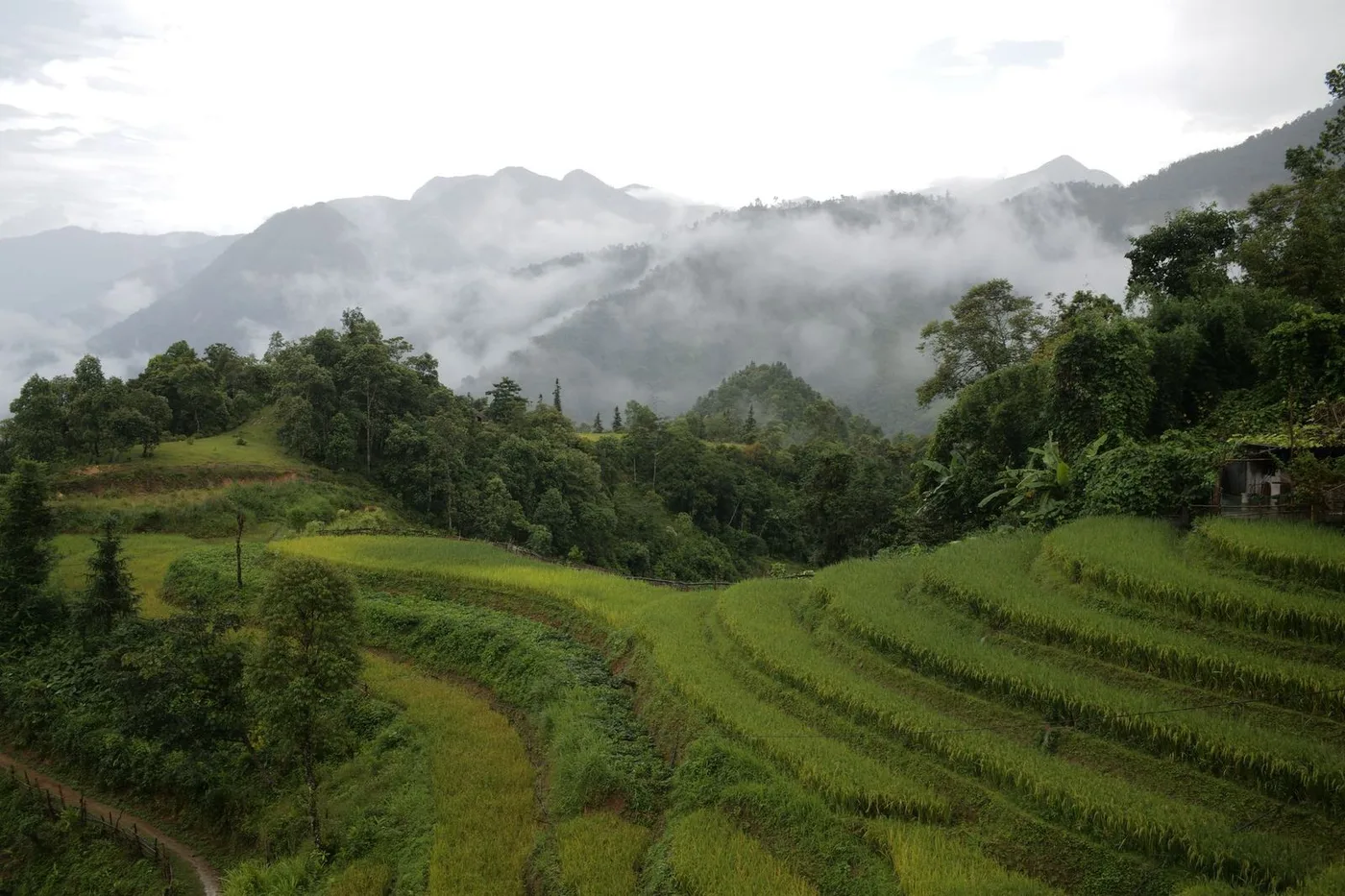
Fog and low cloud come in every season and usually lift by mid-morning, so they make the green months moodier without ruining the view. The bare months after the harvest are another story: from November to January the slopes are brown and the weather is cold, and that is the one stretch I would skip if terraces are the reason for the trip.
If Sapa is only part of your plan, routes across Vietnam show what fits around a northern leg and how many days each stop needs.
Do You Need a Guide to Walk the Terraces?
You can walk the main trail from Sapa to Ta Van without a guide. A local guide helps most with harvest timing and the side paths, since guides from Hmong and Dao communities know which valley is ripe this week. Day treks usually include lunch.
The part people get wrong is the date. If you fix your Sapa days months ahead and the harvest comes early, you arrive to cut terraces, and if the train berths are gone you spend 6-7 hours on a bus instead. You can avoid that yourself: book flexible homestay dates, message your host the week before and move your walk to the ripe valley. If you would rather not track harvests and berths, I build Sapa into a northern route with the transport and homestays already booked, and I check with local guides which valley is ripe the week you travel. Send me your dates in Telegram and I will tell you whether your week lands on gold or on stubble.
Which Month Should You Pick for the Sapa Terraces?
Pick the second half of September for gold, July for the deepest green and May for flooded terraces. Winter is the exception: from November to January the slopes are bare and the fog is cold, so save those months for another trip. Whatever the month, leave a spare day, wear waterproof shoes with grip and carry cash in dong.
Booking Sapa yourself works well if you stay flexible: choose a week in the second half of September, take a refundable homestay and read the forecast the evening before your walk. But if you want to stop guessing about harvests, berths and trails, message me in Telegram with the month you have in mind and I will build the trip around it.
Frequently asked questions
How many days do you need for the Sapa terraces?
Two nights and three days is enough for a full walk through the Muong Hoa Valley and a night in a homestay. One night feels rushed, because the overnight train or the 6-7 hour bus eats most of the first and last day.
Do you pay an entrance fee to see the Sapa terraces?
The terraces are working farmland, so there is no single ticket. Villages such as Cat Cat charge a fee at the gate, while most trails through open fields have none, so ask your guide or homestay before you set out.
What should you wear for the Sapa terraces?
Waterproof boots with ankle support, layers and a rain jacket. Sapa sits at about 1,500 m, mornings are cold even in summer, and the clay trails turn muddy after a shower.