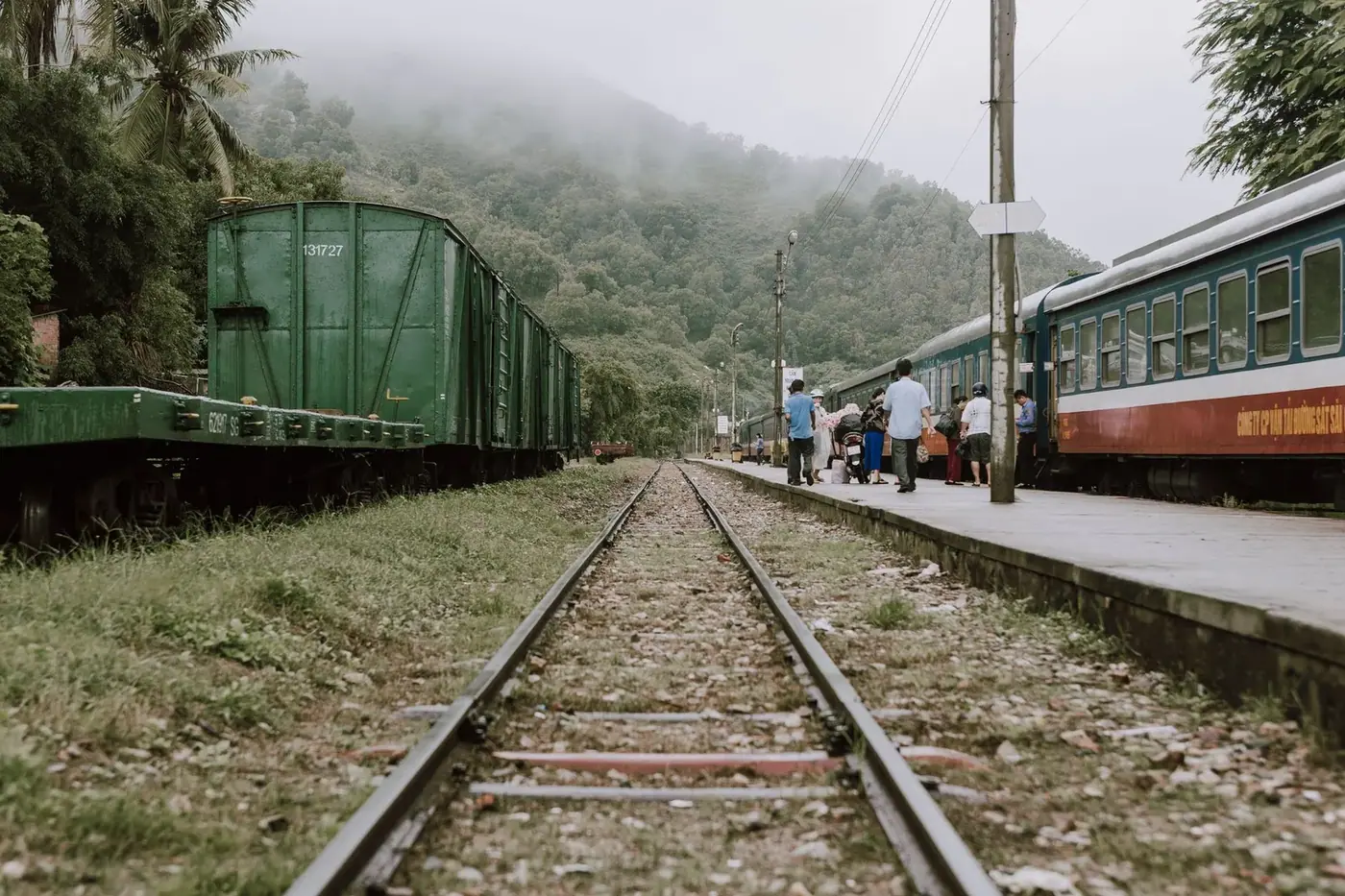
Vietnam’s Reunification Express covers the Hanoi-Saigon line in 1,726 km, and the fastest southbound services, SE1 and SE3, make the run in around 33–34 hours. A soft sleeper berth for the full route costs $50–70 depending on the train and berth position, a hard sleeper runs $35–47, and a soft seat is $22–29. For the Da Nang-Hue stretch through the Hai Van Pass, SE3 and SE4 are the pair most guides point you to, because their schedule crosses it in daylight. If you’d rather skip the planning and just show up with a ticket in hand, that’s close to what my team spends most days doing.
I’ve lived in Da Nang since 2023 and lead multi-day trips across the country with Vietnam Samurai Tour , and I’ve ridden this line more times than I can count, usually with a group of travelers who booked the wrong class on their first try. Nobody profiled here paid for a mention, including us.
How long is the Hanoi to Saigon train ride, and what does it cost?
The full Hanoi-Saigon run is 1,726 km. The fastest southbound services, SE1 and SE3, complete the journey in around 33–34 hours. Slower overnight pairs (SE9, SE11) can take close to 37–38 hours, so “how long is the train” really depends on which service you book, not just the distance.
| Class | Typical Hanoi–Saigon fare | What you get |
|---|---|---|
| Hard seat | roughly 30–50% of soft seat fare | bench seating, fan-cooled on most cars |
| Soft seat (air-con) | $22–29 | reclining seat, no bed |
| Hard sleeper, 6-berth | $35–47, lower berth | 3 levels per side, no door |
| Soft sleeper, 4-berth | $50–70 depending on train and berth | 2 levels per side, lockable door, most popular with tourists |
| VIP 2-berth cabin | reportedly around 2x the soft sleeper fare | private cabin, limited trains |
Private operators add a middle option. Livitrans and Violette lease standard soft sleeper carriages and refurbish them, mainly on the Hanoi-Hue-Da Nang and Hanoi-Lao Cai runs. Expect around $75 per person Hanoi-Hue and about $85 Hanoi-Da Nang in a 4-berth soft sleeper, with VIP 2-berth cabins also on offer.
Which class should you book: soft sleeper, hard sleeper, or seat?
Soft sleeper is the class most first-time riders should book for any ride over 6-8 hours. It’s a 4-berth compartment with two lower and two upper beds, a door that locks from inside, and usually a power socket per berth.
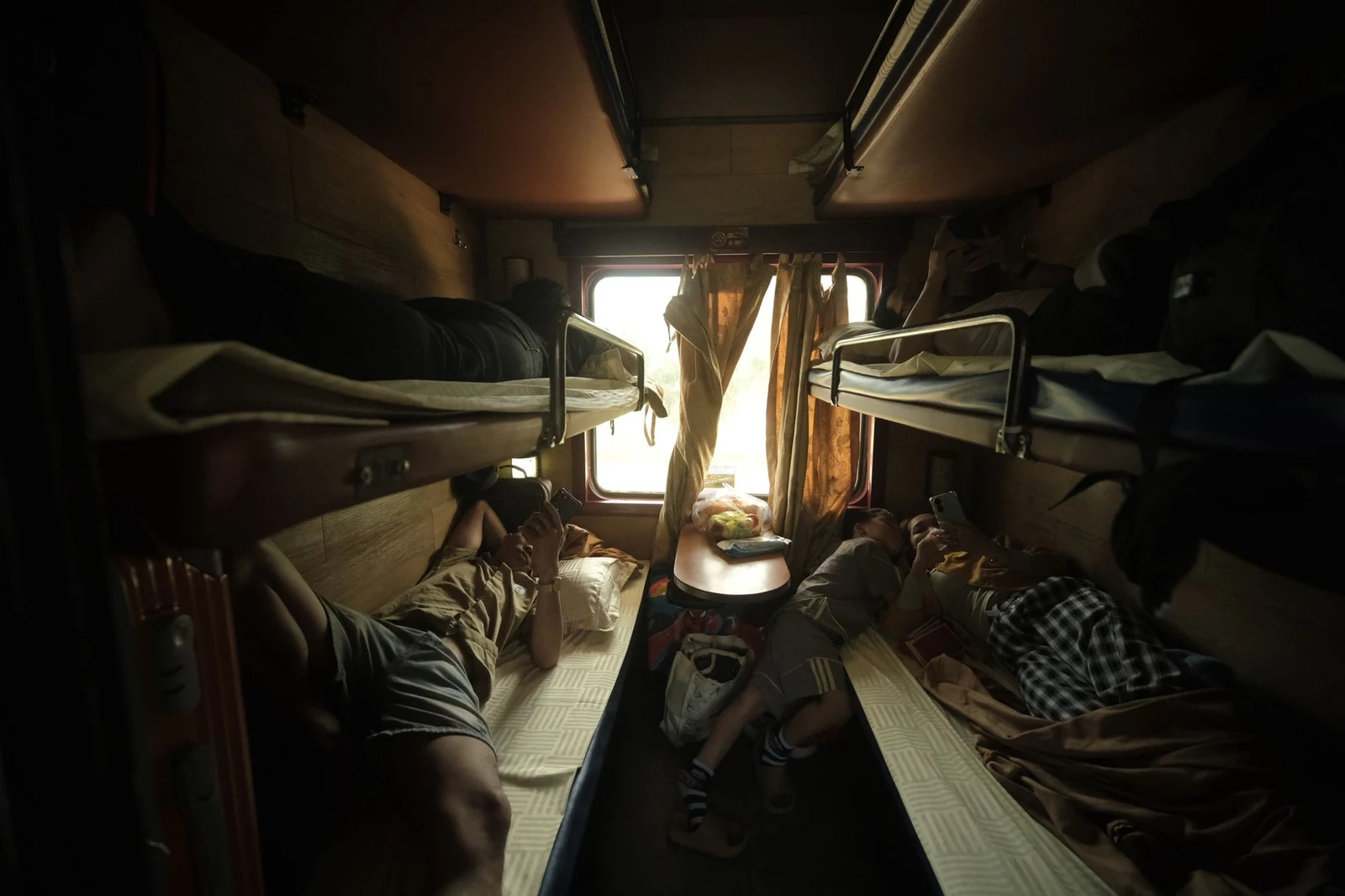
Hard sleeper is the same idea with 6 berths across 3 levels instead of 2, no door, and a noticeably lower price, though the middle and upper berths give up headroom and privacy. On both classes, the lower berth costs more because it’s easier to reach and doubles as shared seating during the day. Take the lower berth with kids or a ladder aversion, upper if you want quiet.
Seat class, hard or soft, only makes sense for daytime rides under about 6 hours, like a Da Nang-Hue hop. Reserve a full sleeper berth for anything overnight, even if a same-day seat looks cheaper on the search page. Waking up in Saigon after 32 hours in a hard seat is not a story most people want to tell twice. For a full breakdown against flying and buses, see our Vietnam flights vs train vs bus comparison .
Which train catches the Hai Van Pass in daylight, SE3 or SE4?
Book SE3 heading south or SE4 heading north if seeing the Hai Van Pass matters to you. SE3 runs the Hue to Da Nang stretch at roughly 08:00 to 11:00, and SE4 covers Da Nang to Hue around 12:28 to 15:05, both fully in daylight. Other daytime services exist on parts of this stretch too, but SE3/SE4 is the pairing most local guides and ticket sites recommend first for a reliable window.

The scenic core sits between Kim Lien and Lang Co stations, about 20-21 km inside a 103 km Da Nang-Hue section, and the ride over that stretch takes roughly 2 hours 24 minutes to 3 hours 50 minutes depending on the train. Lonely Planet named this stretch of Vietnam’s north-south line one of the world’s most incredible train journeys in a 2023 ranking, and it’s shown up on other international “best train trips” lists too. A window seat on the sea side is worth planning for, though which side faces the water depends on your direction of travel, so check a route map first.
This is also the section covered in more depth, with motorbike and car comparisons, in our Hai Van Pass 2026 guide . It’s also the single best stretch on our 15-day north-to-south route , timed so you hit it in daylight instead of asleep.
How do you actually book Reunification Express tickets in 2026?
- Decide your train and class first. Cross-reference SE1-SE8 against the times above, or check the current live schedule, since departure times shift by 30-60 minutes between sources depending on when the timetable last changed.
- Try dsvn.vn , Vietnam Railways’ own site, first. It’s built mainly around Vietnamese-issued bank cards, and foreign cards don’t always go through cleanly.
- If your card gets rejected, book through Vexere , an official DSVN booking partner, or through 12Go.asia or Baolau.com. All three take international Visa, Mastercard, JCB, and Amex.
- Pick your berth level at checkout. Lower berths sell out first on popular trains, especially SE3/SE4 in the Hai Van direction.
- Screenshot or print your confirmation. Vietnamese station staff scan a QR code or check your name against the manifest, and a dead phone battery at the platform is a real problem.
- Show up at least 20-30 minutes early. Boarding is by carriage number, painted on the platform, and trains do leave on time.

Tickets generally go on sale around 60 days before departure, sometimes up to 90 for peak or long-haul dates, though short local hops can open just a week or two ahead. Outside peak season, walking up to the station 1-2 days before you travel is usually enough to get a seat or berth, even if your first-choice train is full.
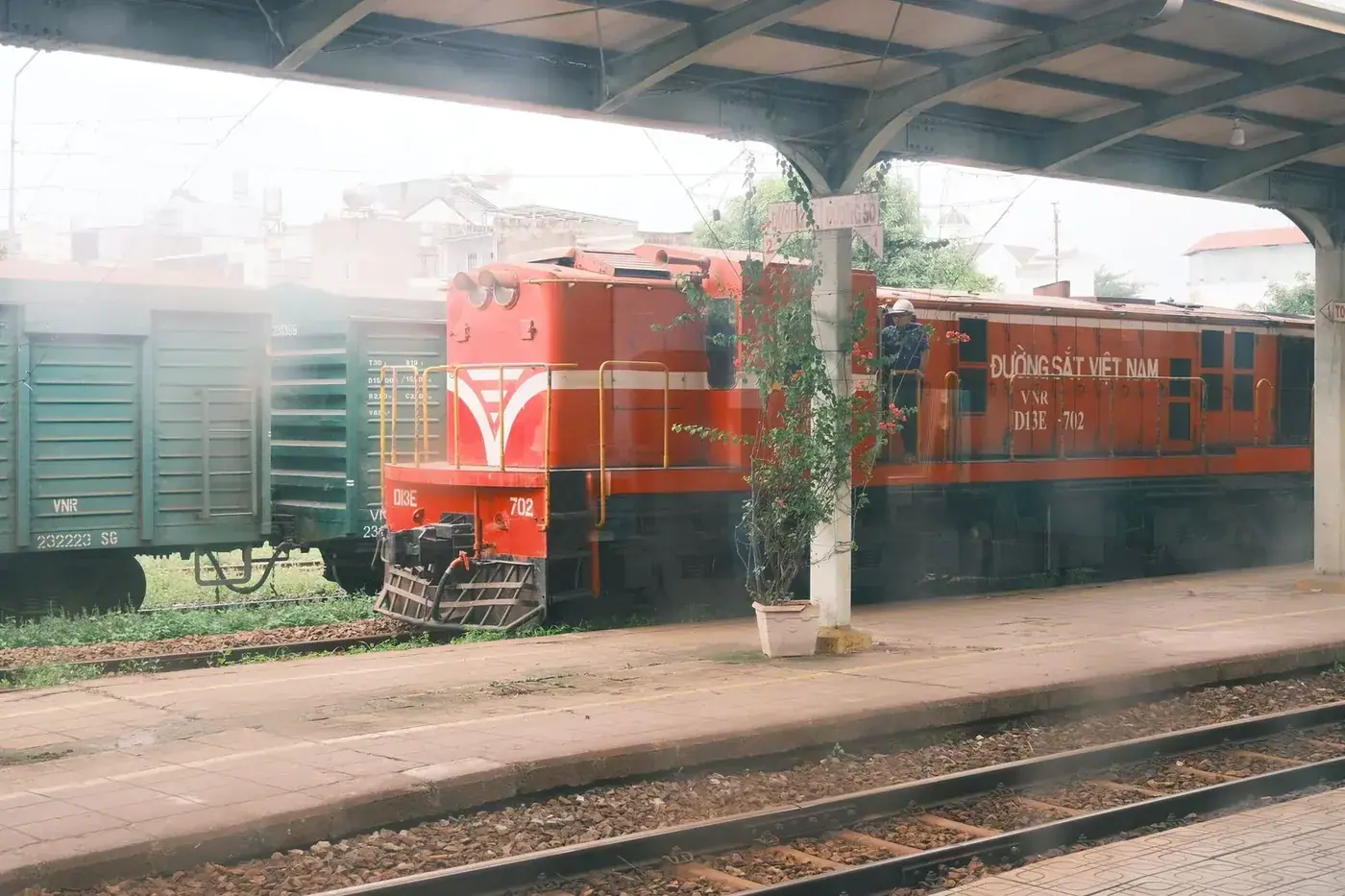
This is where most people give up and just book whatever’s left. When I’m running a group through this same corridor, I lock in the train, the class, and the connecting hotel nights together — so nobody ends up on a 6am departure the morning after a late check-in.
When should you book for Tet 2026 without getting stuck?
Book Tet travel the moment tickets open if your dates are fixed. Tet, Lunar New Year, falls on February 17, 2026, and Vietnam Railways typically opens Tet sales around September or October the year before, three to four months ahead of the holiday. For 2026, the railway added 22 extra short-haul trains in the north and 11 on southern routes, roughly 5,500 extra seats, running from February 3 to March 8. The heaviest outbound demand hits February 14-16, and the return rush lands 2-4 days into the new year. Outside that window, normal booking rules apply.

What mistakes do first-time riders make on Vietnam’s overnight trains?
Booking hard seat for an overnight ride is the most common one. It’s the cheapest class on paper, but 30+ hours upright with no reclining bed wears people down fast, and a sleeper berth usually costs only $20-30 more.
Assuming dsvn.vn will always take a foreign card is the second. Have Vexere, 12Go, or Baolau bookmarked as a backup before you sit down to book, not after your payment fails.
Skipping food planning is the third. The dining car sells noodles, rice dishes, snacks, and drinks, and you can bring your own food onboard, but onboard wifi is patchy at best, so download anything you want to watch before you board. If you’re stacking this ride into a wider itinerary, our Hoi An vs Hue vs Da Nang base comparison covers where to actually sleep along this same corridor.
Which train and seat should you actually book?
For most travelers, that’s SE3 or SE4 in a soft sleeper, lower berth if you’re not confident on the top rung, and a booking made through Vexere or 12Go if your card struggles with dsvn.vn. The extra $15-20 over hard sleeper buys a door that locks and two fewer strangers in your compartment, and catching the Hai Van Pass in daylight on SE3/SE4 is the one part of this trip you can’t get back if you sleep through it.
This stretch of track is also just one leg of a longer route, and it’s the leg most people wish someone had timed for them in advance.
SE3 on the Reunification Express covers 1,726 km in about 34 hours — a soft sleeper ($50–70) gives AC, a lockable door, and bedding for roughly the same price as a budget flight. Depart Hanoi at 19:20 from Gate A at 120 Le Duan Street, book at least 30 days out on dsvn.vn or Vexere. Catch the Hai Van Pass in daylight; that moment doesn’t come back if you sleep through it on the wrong train.
Vietnam’s rail network connects all the highlights, but the best version of this trip — which nights to ride, where to break the journey, what to arrange in each city before you arrive — takes time to piece together from scratch.
Message us on Telegram @vietnam_samurai with your travel dates and we’ll map out a 15-day route with the train segments already built in.
Frequently asked questions
How much is a ticket on the Reunification Express from Hanoi to Ho Chi Minh City? A soft seat costs $22–29, a hard sleeper lower berth around $35–47, and a soft sleeper $50–70 depending on the train. VIP 2-berth cabins reportedly run about double the soft sleeper price.
Which train is best for seeing the Hai Van Pass in daylight? SE3 southbound and SE4 northbound cross the Da Nang-Hue section in full daylight, roughly 08:00-11:00 and 12:28-15:05. Other trains touch part of the stretch in daylight too, but this pair is the most consistently recommended.
Can foreigners buy Vietnam train tickets online with a foreign credit card? Sometimes on dsvn.vn, but it’s built mainly for Vietnamese cards. Vexere, an official DSVN booking partner, plus 12Go.asia and Baolau.com, reliably accept international cards.
How far in advance can you book Vietnam Railways tickets? Sales commonly open around 60 days ahead, up to 90 for peak or long-haul routes. For Tet, book as soon as sales open, typically three to four months before the holiday.
Is there wifi and food on the Reunification Express? There’s a dining car selling noodles, rice, snacks, and drinks, and you can bring your own food. Onboard wifi exists on many trains but is unreliable, so download entertainment before boarding.
Upper berth or lower berth: which should you pick? Lower berths cost more and sell out first because they’re easier to reach and double as a seat during the day. Pick lower if you have luggage or don’t want to climb; upper if you want quieter and don’t mind the ladder.