Among expats living in Vietnam in 2026, three monthly budgets dominate the conversation — $500, $1,200, and $3,000 per household — and three patterns of adaptation. Over six years in Da Nang I’ve talked to roughly fifty expat households who arrived in different years. This is a synthesis of what people actually say after six months on the ground, not a glossy relocation brochure.
I won’t transcribe interviews line by line. Instead — the patterns that hold across stories, regardless of nationality, age, or starting situation. Different cities, different circumstances, different outcomes.
Why People Move to Vietnam in 2026
The arrival pipeline shifted noticeably in the past two years. The classic profile — remote IT worker on $3-5K monthly — is still here, but three other categories are now equally common.

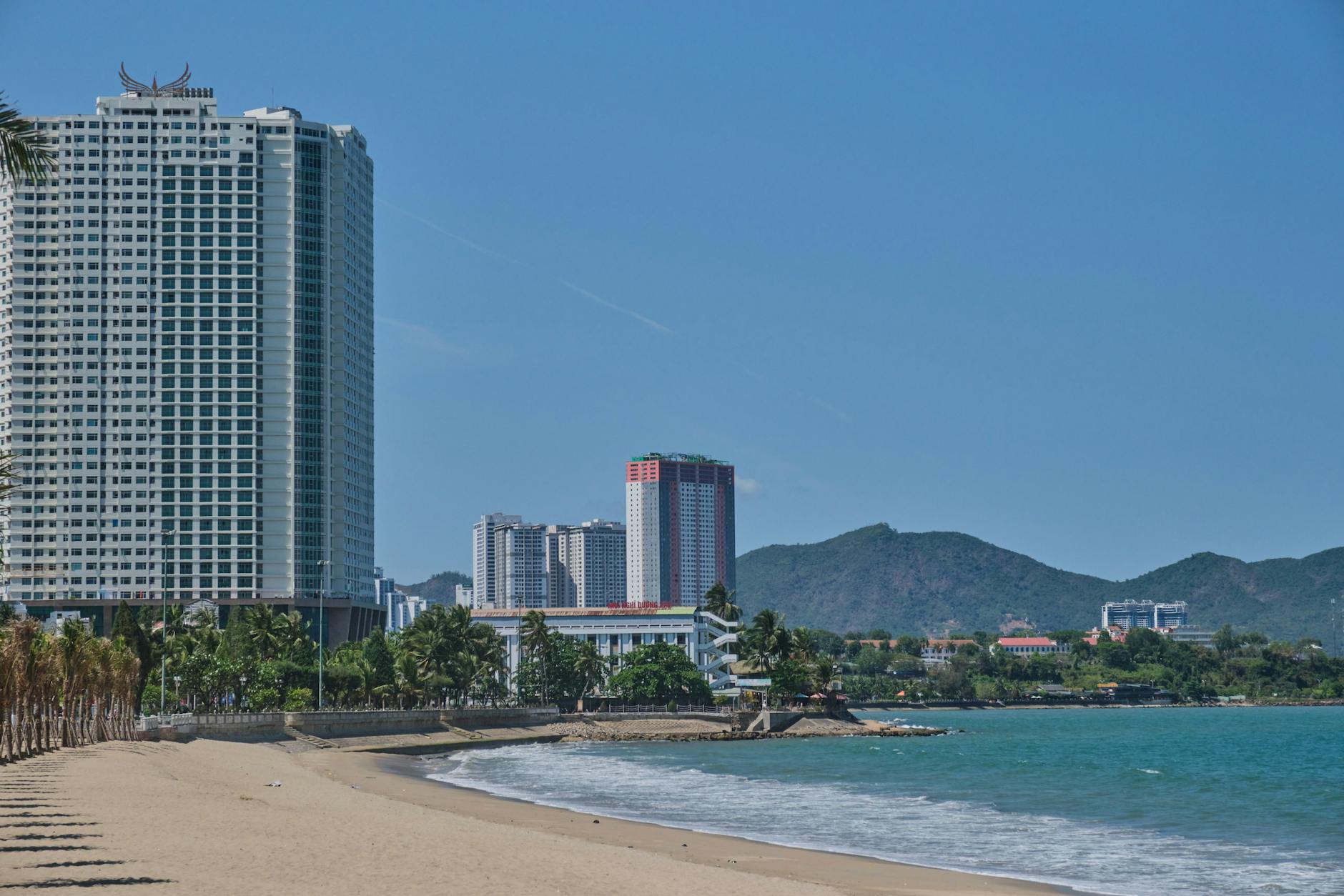
Young couples 27-35 with modest savings ($8-15K starting capital), hoping to either find work locally or build remote income from scratch. They often end up as baristas or servers in expat-oriented cafés, particularly in Nha Trang where Russian-speaking tourism creates demand. Earning around $40 per 8-hour shift, total household expenses around $500. Living tight but stable by month 8-10 if they hold the line. For more on this profile see our moving to Vietnam guide .
Families 35-45 with kids and a remote income of $2,500-5,000. They go to Da Nang or Ho Chi Minh for international schools and the climate for children. The most stable demographic — they leave least often.
Solo professionals 30-45 with established careers in their home country, looking to “lower the volume.” Journalists, designers, marketers, tour operators. Half of them realize within a year that Vietnam is too different and move on — to Thailand, Georgia, Turkey, Bali.
What Expats Love (and Why It’s Real)
The budget genuinely works. A studio in Nha Trang starts at 2.5 million VND (around $100), in Da Nang $300-500, in Ho Chi Minh $400-700. Utilities run $20-40 per month. Street food meals are $1.50-3. No story I’ve heard ended with “we ran out of money for food” — they end for other reasons.
Safety for people and children. Central districts are calm, walkable at night, and kids under 12 commonly go to the corner shop alone. After Moscow, Berlin, or São Paulo, this is the first thing newcomers notice. For city-by-city safety details see where to live in Vietnam: Da Nang vs HCMC vs Nha Trang .
Affordable healthcare. A clinic visit with an English-speaking doctor runs $20-40. Vinmec hospital for serious cases costs European prices but delivers European quality. Most respondents say they actually attend to their health more here than back home.
Winter climate. November through March is genuinely excellent — this alone pulls back people who tried wintering in Georgia or Thailand and came back.
Where Reality Disappoints Newcomers
The heat from April through September is the single biggest reason people leave. 33-36°C at 80-90% humidity is not “you adjust in a month” — it’s a real physiological load that your body either accepts or doesn’t. About half of returnees cite this directly.

Reviews only take you so far — what you really want is someone who arrived in roughly your circumstances and can tell you how it went. That’s the part I can shortcut: I know the people behind a lot of these stories and can point you to the ones that match your situation. Message me on Telegram with your starting point and I’ll tell you who’s worth talking to.
Local income is hard. Finding remote work that pays $2,000+ from inside Vietnam, with no prior network, is harder than people expect — the market is saturated with Russian and Western remote workers competing for the same gigs. Local hospitality jobs pay around $40 per shift, which means little buffer. Those who arrived without remote income usually leave or pivot within 12-18 months.
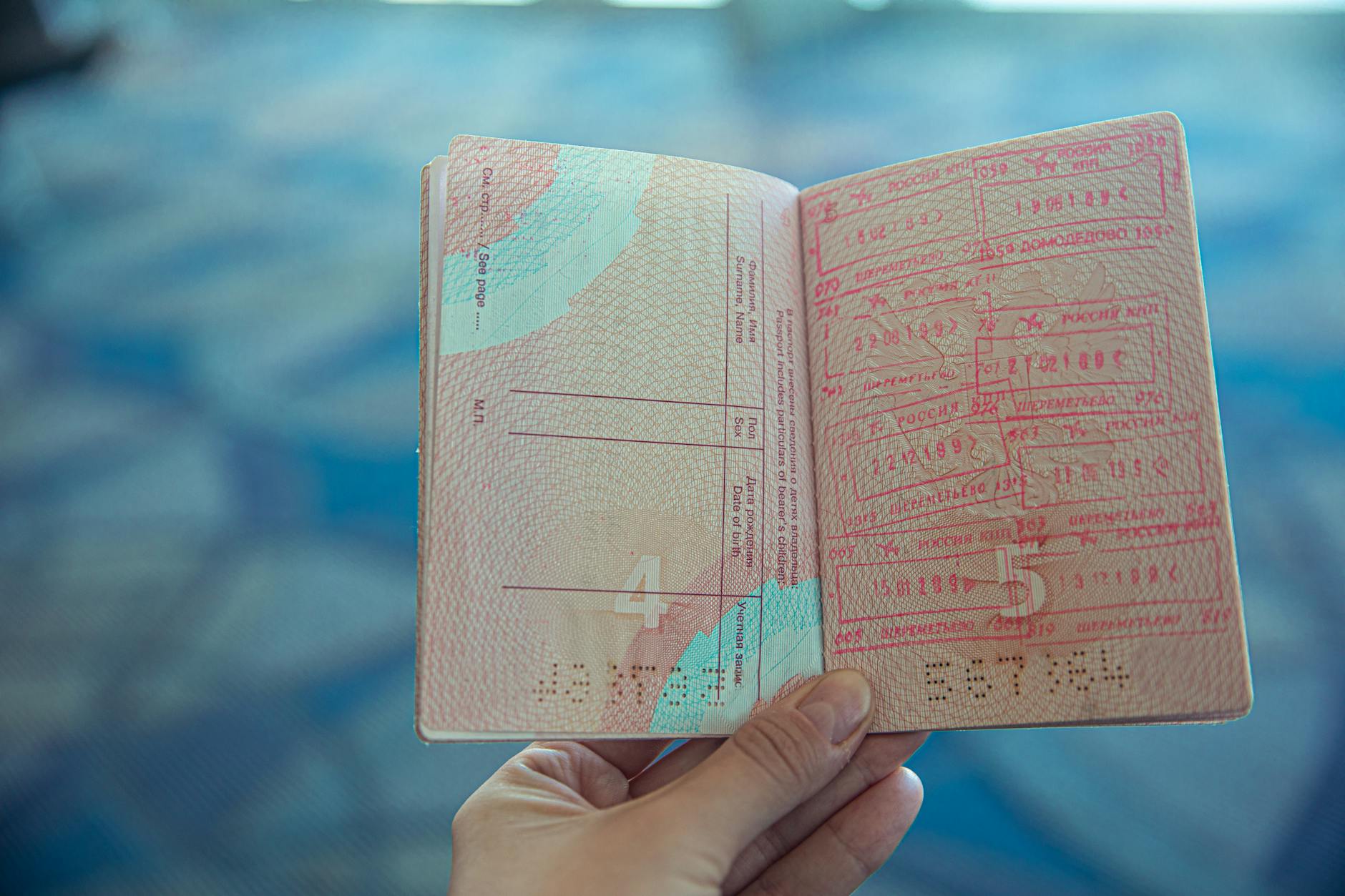
Bureaucracy is heavy. Visa runs every three months for tourist visas, no equivalent of Estonia’s e-residency or any digital ID for foreigners. Every official task is in-person, paper forms, cash. For people used to handling life from a phone, this becomes a daily friction.
Social isolation builds slowly. English is spoken by under 20% of locals, mostly young and urban. Vietnamese is tonal and effectively unlearnable for most adults at conversational depth. Translator apps work poorly for nuance. After six months you start feeling the bubble, especially if you wanted to genuinely integrate. Those who land in Nha Trang and join the Russian community handle it better; those who want true integration suffer more.
How Three Real Budgets Compare
Couple 27-32 in Nha Trang with local hospitality jobs: $500-600 per month for two. Studio $160, food 50%, transport via Grab 10%, visa fund 25%. No savings, but no debt either. Compare to Vietnam vs Thailand if you’re undecided: our nomad comparison .

Solo remote worker 30-40 in Da Nang: $1,000-1,500 per month. Pool studio $400-500, food $300, motorbike and visa $200. Leaves 20-30% margin for savings and travel.
Family of four in Ho Chi Minh with international school: $2,500-3,500. Three-bedroom house $1,500, school $700-1,500 per child, food $500. This is mid-range Western family-of-four budget — what you pay for is the climate, school options, and slower life.
Should You Move? A 5-Question Filter
Run yourself through this honestly:

- Can you handle 33°C with 85% humidity for six months a year? If you’ve never been somewhere humid for more than two weeks, test before you commit.
- Do you have either remote income or 6-12 months of savings? Without one, the runway is too short.
- Are you moving toward something specific (climate, slow pace, kids, building a business) or away from something? “Away from” rarely ends well.
- Are you prepared for paper bureaucracy and limited English? If you need things done from your phone, this will frustrate you weekly.
- Have you spent at least three weeks here before deciding? Two-week vacations don’t reveal what daily life is like.
Yes to four out of five — Vietnam is probably a fit. No to climate or income — look at Thailand, Bali, Georgia, or Portugal instead.
Want to compare your situation to real expat stories? Drop me a line on Telegram @vietnam_samurai — I answer from Da Nang. Or message me on Telegram @vietnam_samurai and we’ll send you a tailored route based on your profile.