Choosing between Pu Luong Valley, Mai Chau, and Sapa is not about which is best — it is about which fits your specific trip. All three offer rice terrace scenery and ethnic minority culture, but they differ sharply on distance from Hanoi, crowd density, harvest timing, and what you can actually do there. Here is the full breakdown with verified 2026 data.
At a Glance: Three Destinations Compared
| Mai Chau | Pu Luong | Sapa | |
|---|---|---|---|
| Province | Hoa Binh | Thanh Hoa | Lao Cai |
| Distance from Hanoi | ~135 km | ~160–165 km | ~315 km |
| Travel time (car) | 3–3.5 hours | 4–5 hours | 5–6 hours |
| Crowd level | Moderate | Very low | Very high |
| Annual visitors | Not tracked | Not tracked | ~3.5 million (2023) |
| Golden rice seasons | Sep–Oct + May–Jun | Sep–Oct + May–Jun | Sep–mid-Oct only |
| Main ethnic group | White Thai (65%) | Thai + Muong | Hmong, Dao, Tay |
| Best for | First-timers, cycling | Authenticity, trekking | Mountain scenery, Fansipan |
| Homestay price | $10–24 USD/night | $15–30 USD/night | $15–30 USD/night |
Sapa: Most Spectacular, Most Crowded
Sapa is 315 km from Hanoi — the longest journey of the three, taking 5–6 hours by direct bus or minivan, or 8 hours overnight by train to Lao Cai followed by a 35 km transfer (65–90 minutes by shuttle or taxi).
Muong Hoa Valley stretches 17 km at altitudes between 900 and 1,550 meters, with tiered terraces dropping in staircases that dwarf what you see elsewhere. The classic trekking route — Y Linh Ho to Lao Chai to Ta Van — covers 12 km at easy-to-moderate difficulty and takes 4–5 hours.
The Sun World Fansipan Legend cable car costs 800,000 VND for adults on weekdays and 850,000 VND on Saturdays and public holidays (per 2025 travel media; verify at the ticket office as prices may update).
Sapa received approximately 3.5 million visitors in 2023, according to the official Sapa Tourism Board. The town has mega-hotels and year-round tour buses. Hotel prices: budget $15–30/night, 3-star average $28, 4-star $42, 5-star from $63.
Rice timing matters most for Sapa. The terraces are bare or muddy from March through May. The single golden harvest window is September to mid-October.
Mai Chau: The Easiest First Trip
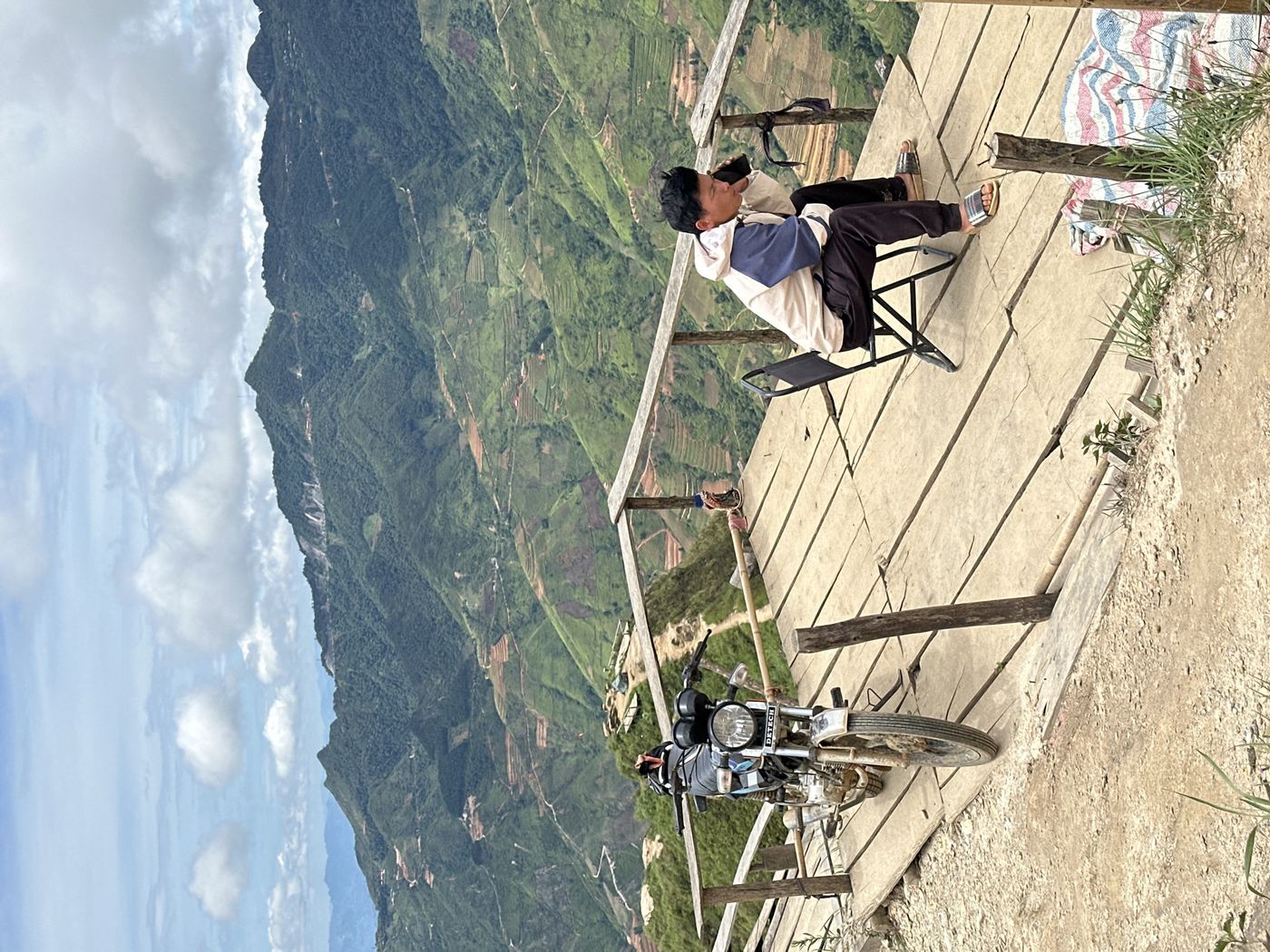
Mai Chau is the closest at approximately 135 km — 3–3.5 hours by car, or 3.5–4.5 hours by bus. This accessibility makes it the natural choice for a first northern Vietnam trip or a weekend from Hanoi.
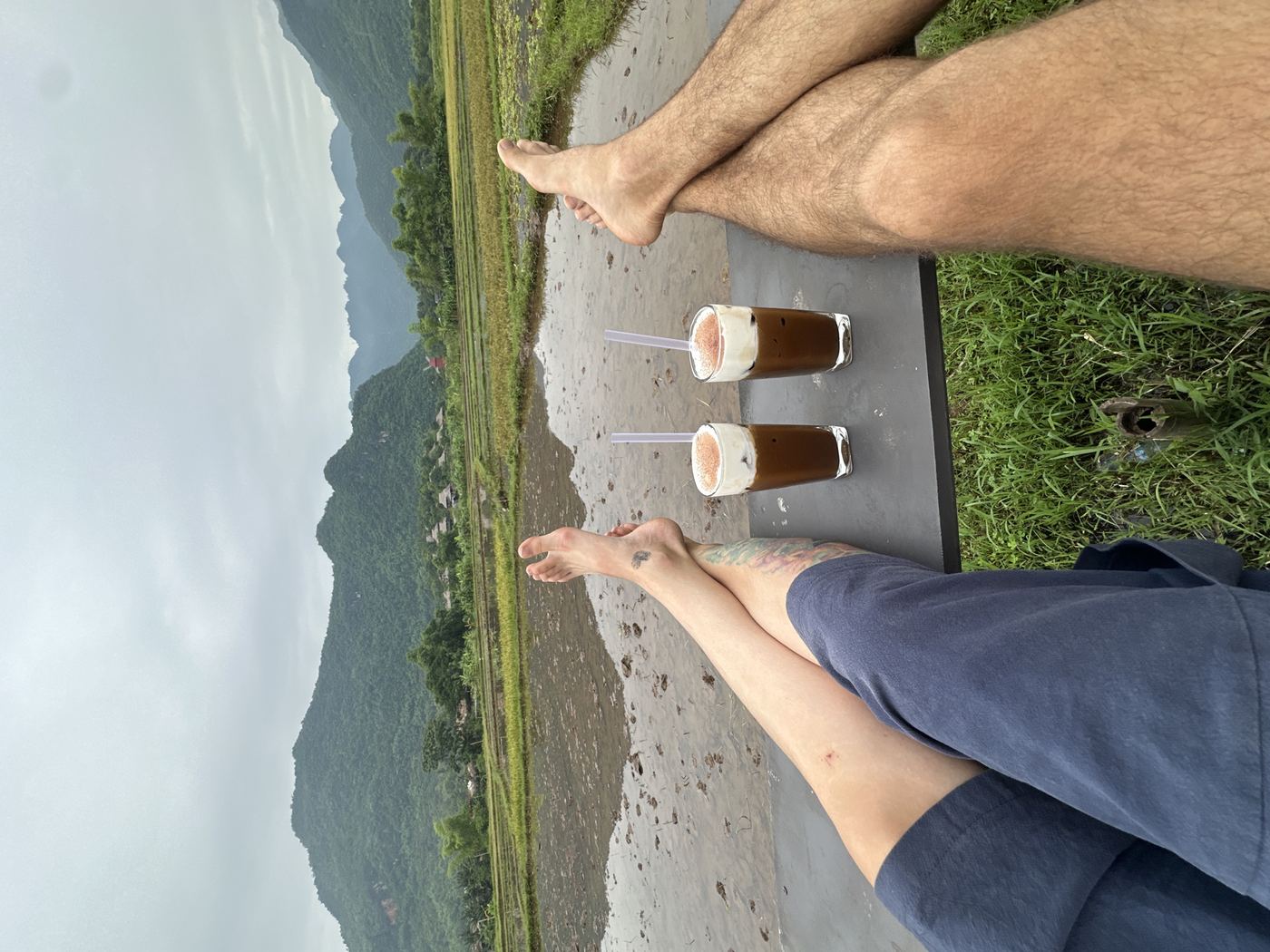
The valley floor is flat. Unlike Sapa and Pu Luong, Mai Chau is ideal for cycling. Bike rentals in Lac Village cost around $5 per day. You ride through rice fields on flat paths, stopping at White Thai stilt-house villages.
The dominant community is White Thai, who make up approximately 65% of the district population. The two main homestay villages — Lac Village and Pom Coong — offer traditional stilt-house accommodation at 250,000–600,000 VND per night ($10–24 USD), the most affordable of the three.
Like Pu Luong, Mai Chau has two harvest seasons: September to October (peak golden) and May to June (secondary). In March and April, when Sapa is muddy, Mai Chau can be green and occasionally golden.
Lac Village is the most commercialized part of Mai Chau — traditional dance performances run for tour groups on schedule. Villages a few kilometers away remain noticeably quieter.
Pu Luong: What Sapa Was 20 Years Ago
Pu Luong Nature Reserve sits in Thanh Hoa Province, approximately 160–165 km from Hanoi — 4–5 hours by road. Shared shuttle buses run for $10–20 per person; private transfers cost $120–180 one way. The reserve is also approximately 60 km from Mai Chau, making a two-valley loop practical.
Thai and Muong ethnic minorities live in traditional stilt-house villages here. No official visitor count exists for Pu Luong — which is itself an indicator of how different the experience is. Multiple travel sources from 2022 through 2026 describe it consistently as “what Sapa was 20 years ago.”
Accommodation ranges from budget homestays at $15–30 per night to mid-range eco-lodges at $40–100. Premium options include Pu Luong Retreat (from $89/night) and Pu Luong Ecolodge at $85–150/night including breakfast.
The main trekking route runs from Kho Muong village to Hieu Waterfall, rated moderate difficulty at approximately 7–8 hours. No confirmed entrance fee for independent visitors exists (fees may be collected at village level or included in guided packages — verify locally).
Like Mai Chau, Pu Luong benefits from two harvest seasons: late May to early June and September to early October.

When Is the Best Time for Golden Terraces?
Pu Luong and Mai Chau both have two rice harvests per year, a result of lower elevation and a milder climate compared to Sapa. The first golden season runs late May to early June; the second, main season is September to early October.
Sapa has one harvest season — September to mid-October. From March through May, Sapa’s terraces are being replanted: mud, bare soil, and low water. Pu Luong and Mai Chau can show green fields or even golden terraces during that same window.
Best single month for golden terraces in Northern Vietnam: September. All three destinations are at peak golden color simultaneously. If you can only go once, September–October gives you maximum photographic reward across any of the three.
If you’re traveling in spring (March–May): Pu Luong and Mai Chau are the only viable options for rice field scenery — Sapa’s terraces are at their least photogenic.
Which Destination Is Right for You?
Choose Mai Chau if: It’s your first northern Vietnam trip, you want an easy weekend from Hanoi, you prefer cycling over trekking, or you’re traveling on a tight budget.
Choose Pu Luong if: You’ve already done Sapa or Mai Chau, you prioritize authenticity over infrastructure, you want serious trekking with no crowds, or you want to combine both valleys in a single loop.
Choose Sapa if: You want dramatic mountain scenery on a massive scale, you want to summit Fansipan (the highest peak in Indochina via cable car), or you need reliable hotel infrastructure and organized tours.
All three reward visitors who time the trip for September–October. If you are traveling in spring, Pu Luong and Mai Chau are the clear winners — Sapa’s terraces are at their worst during that period.
If you want a tailored northern Vietnam rice terrace trip — whether a weekend in Mai Chau or a 5-day Pu Luong loop — our local team builds itineraries with direct access to homestay networks and guides who know these valleys. Message us on Telegram @vietnam_samurai with your travel dates and we’ll send a realistic plan within a few hours — no package pricing on the first message, just honest advice.

How We Verified These Numbers
Distance and travel time figures come from Vietnam National Administration of Tourism (vietnam.travel) and Vietnam Tourism Board (vietnamtourism.com), cross-referenced with operator estimates. Crowd figures for Sapa derive from the official Sapa Tourism Board statistic for January–September 2023 (Lao Cai province received 6.1 million visitors; Sapa is estimated at 3.5 million of the full-year total). Mai Chau homestay prices verified through vietnamtourism.com and local booking data. Pu Luong accommodation prices from Origin Vietnam’s 2026 travel cost guide. Fansipan cable car pricing from multiple 2025 travel media sources — the official Sun World website returned errors during verification; confirm prices on-site.
Frequently Asked Questions
Which is better for first-time visitors — Pu Luong, Mai Chau, or Sapa?
Mai Chau is best for a first visit: it’s the closest to Hanoi (135 km, 3–4 hours) and offers flat valley cycling, easy homestays in White Thai stilt-house villages, and no trekking experience required. Sapa is the best choice if dramatic mountain scenery and Fansipan are priorities. Pu Luong suits travelers who have already seen Sapa and want something quieter and more authentic.
When is the best time to see golden rice terraces in Northern Vietnam?
September to mid-October is peak golden season for all three destinations. Pu Luong and Mai Chau also have a second harvest window in late May to early June — when Sapa’s terraces are muddy and bare. If you’re traveling outside September–October, Pu Luong and Mai Chau are the only options for golden fields.
How far is Pu Luong from Hanoi and how do I get there?
Pu Luong Nature Reserve is approximately 160–165 km from Hanoi by road, taking 4–5 hours by car or minivan. Shared shuttle buses cost $10–20 USD per person; private transfers run $120–180 USD one way.
Is Pu Luong less crowded than Sapa?
Significantly so. Sapa received an estimated 3.5 million visitors in 2023. Pu Luong has no official visitor count but is consistently described by travel media as “what Sapa was 20 years ago” — a destination where you can trek for hours without encountering other foreign tourists.
Can I visit both Mai Chau and Pu Luong on the same trip?
Yes. The two destinations are approximately 60 km apart. A common itinerary: 1–2 nights in Mai Chau, then 2 nights in Pu Luong before returning to Hanoi, forming a loop through two valleys.
How much does the Fansipan cable car cost?
The Sun World Fansipan Legend cable car costs 800,000 VND for adults on weekdays and 850,000 VND on Saturdays and public holidays (2025 travel media pricing; verify at the ticket office as prices may update).
More northern Vietnam comparisons: Sapa vs Ha Giang Loop — which is worth your time? , Best time to visit Vietnam by month , and Sapa trekking and Fansipan guide 2026 .