Vietnam costs a solo digital nomad $1,000-1,800 per month in Da Nang or Hoi An, and the 90-day e-visa makes a 3-6 month base realistic without paperwork acrobatics. The biggest catch isn’t price — it’s the climate window: April through September will test you, and most nomads who quit Vietnam quit because they underestimated the heat, not the cost.
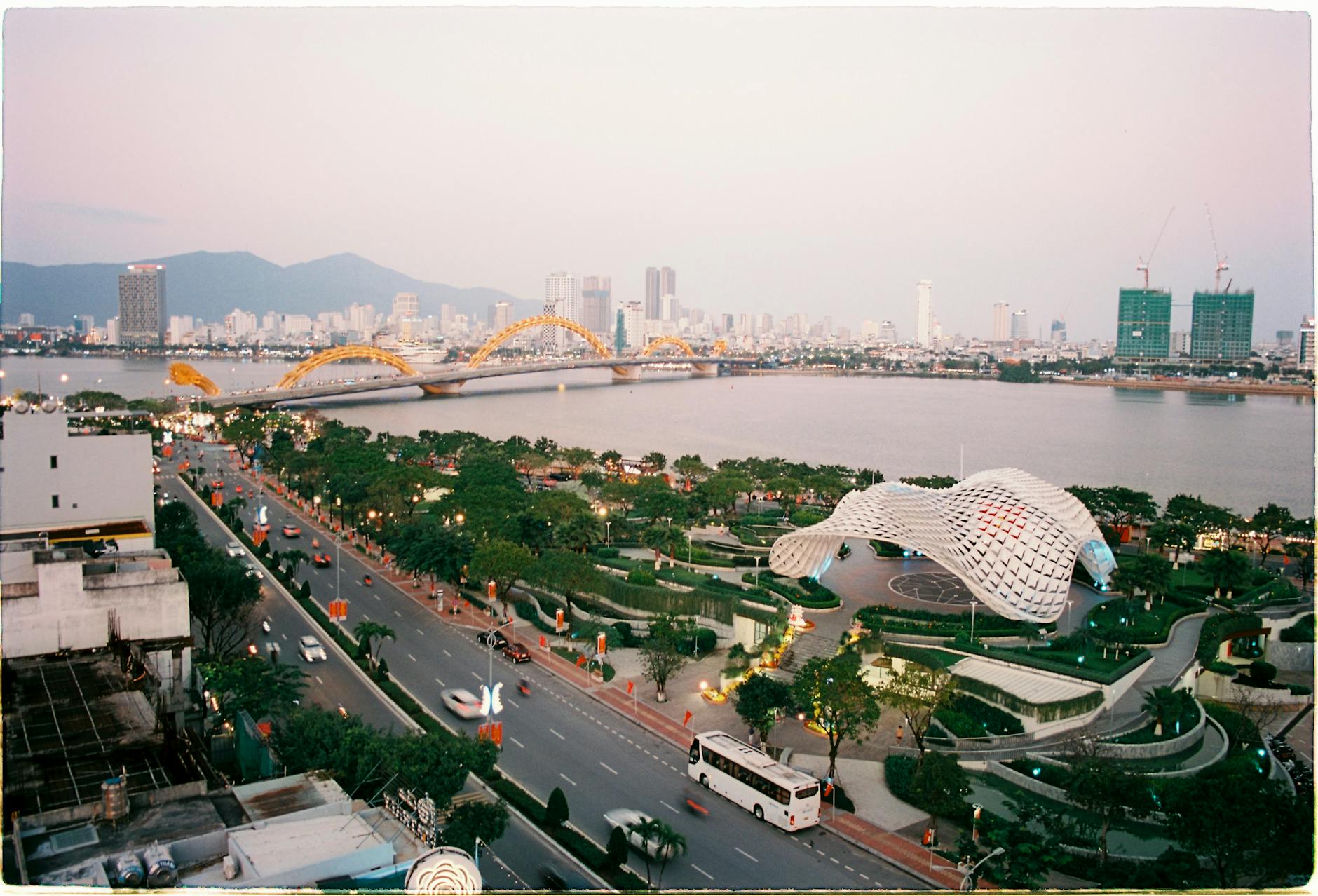
I’ve lived in Da Nang for six years and watched roughly forty digital nomads come through my circle. Some stayed two years and built businesses. Most left within four months. The ones who stayed had three things in common, and the ones who left tripped on the same three problems. This guide is for the second group — so you can decide before you buy a ticket.
Who This Guide Is For
You’re considering Vietnam as a 3-6 month base, not as a place to permanently relocate. Your income is remote and roughly $2,000-5,000 per month. You can work from a laptop and don’t need a fixed office. You’re somewhere between solo traveler and committed expat, and you want a realistic picture before committing.

If that’s you — keep reading. If you want family-with-kids advice, check out our moving to Vietnam guide . If you’re torn between countries, see our Vietnam vs Thailand comparison for nomads .
What Vietnam Gets Right for a Nomad
The 90-day e-visa is the single biggest reason to come. It’s online via the official e-visa portal , costs $25, and processes in 3-5 working days. You can renew once inside the country through a local agent, which gives you a clean six-month run before you have to do anything serious about visas.

Cost is the second reason. A modern studio with pool and gym in Da Nang or Hoi An runs $400-700 per month. Coworking is $80-150 per month. Street food meals are $1.50-3. A cup of cà phê sữa đá at a real Vietnamese coffee shop is under a dollar. Compare to Bali at $1,800-2,500 minimum for the same lifestyle.
Internet is the third reason. Fiber-to-the-apartment in Da Nang gives you a stable 100-300 Mbps for around $10 per month. I’ve taken hundreds of video calls from here without issue. Coworking spots have backup connections.
Logistics are easy. Flights from Bangkok and Singapore are short and cheap. Visa runs to Cambodia or Laos are a doable day trip if you’re disciplined. Domestic flights between Hanoi, Da Nang, and Ho Chi Minh are $30-70 and frequent. For a deeper city comparison, see where to live in Vietnam: Da Nang vs HCMC vs Nha Trang .
What Will Frustrate You by Month Three
The heat is real. From late March to mid-September, daytime temperatures sit at 33-36°C with 80-90% humidity. Walking outside between 11 AM and 4 PM is genuinely uncomfortable. Most nomads adjust their schedule to early morning and post-7 PM, but if you came expecting “tropical breeze” — you’ll be inside in air conditioning more than you planned.
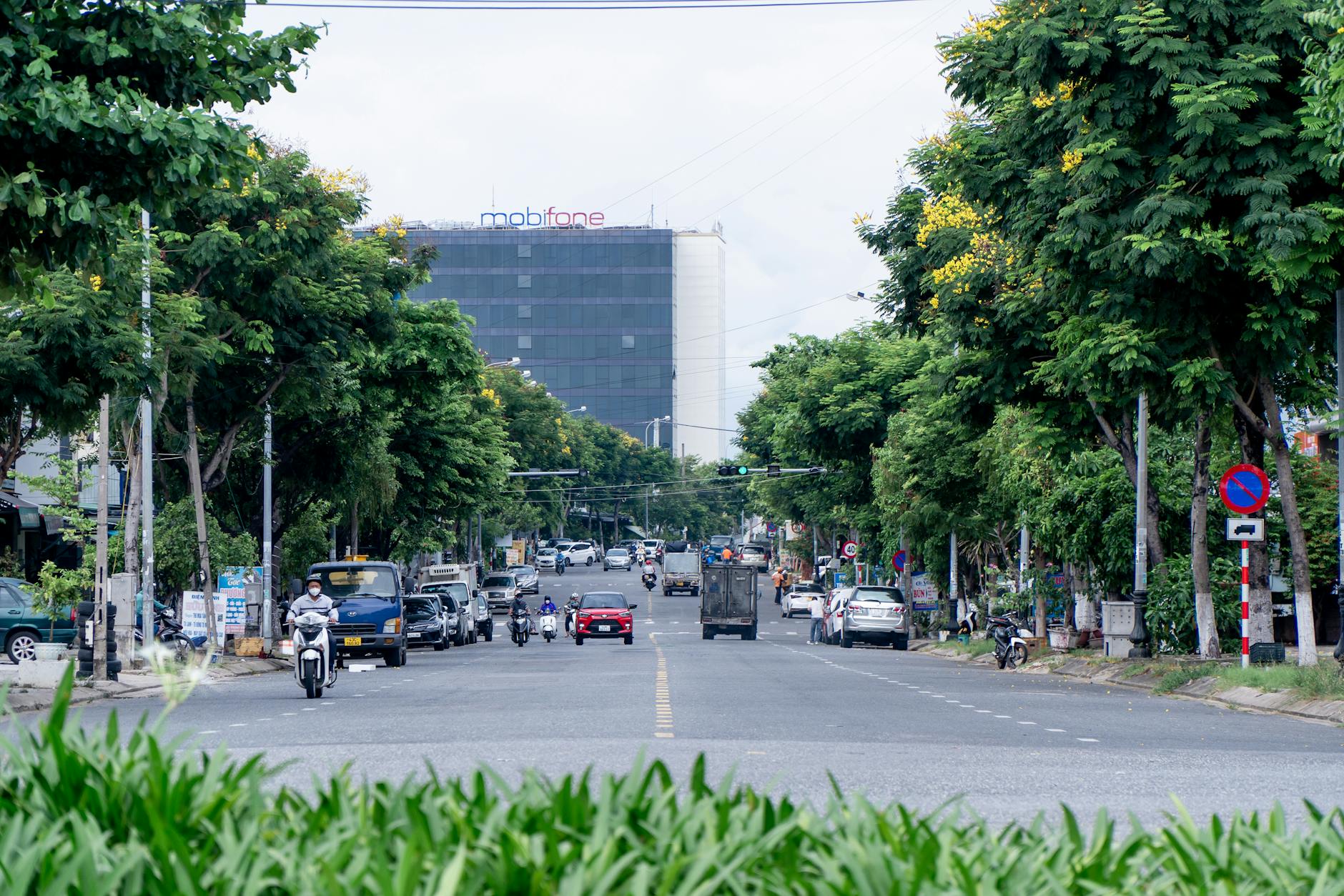
Food variety drops if you’re not into Vietnamese cuisine. Cheese, sourdough bread, decent dairy, oats, and most Western breakfast staples are available but expensive — sometimes triple the European retail price. After two months you either adapt to the local diet or your grocery bill creeps up to $400-500 per month chasing imports.
This is the comparison that keeps people stuck for months — Vietnam, Bali or Thailand, each with a fanbase and none of them honest about the downsides. I actually live here, so I can give you the unflattering side of Vietnam weighed against the other two rather than the brochure version. Message me on Telegram with your budget and timeline and I’ll give you the straight tradeoff.
The bureaucracy is medieval. Anything official — opening a bank account, registering a long-term lease, dealing with police if you have a motorbike accident — means in-person visits, paper forms in Vietnamese, cash payments, and 3-day processing. There’s no equivalent of e-government or digital ID for foreigners. If you’re used to handling everything from your phone, this will frustrate you more than the heat.
Motorbike licensing trips up nearly every newcomer. Renting a bike is easy — anyone will hand you keys without checking. Riding without a Vietnamese license, however, costs you 6-12 million dong (about $240-480) plus a 7-day bike confiscation if police stop you. Tourist insurance won’t cover a crash if you didn’t have proper licensing. This is non-negotiable budget item if you plan to ride.
Real Monthly Budget for a Solo Nomad
A modest setup in Da Nang in 2026 looks roughly like this: studio apartment $500, coworking or strong home internet $100, food (mostly local, some restaurants) $400, motorbike rental and fuel $100, weekend trips and entertainment $200, miscellaneous and visa fund $150. Total: about $1,450 per month for a comfortable solo lifestyle.

You can do it cheaper — closer to $900-1,000 — if you live further from the beach, eat strictly Vietnamese, and skip travel. You’ll spend more — $2,000+ — if you want a sea-view apartment, gym membership, regular Western meals, and frequent domestic flights.
Decision Checklist Before You Book a Flight
Run yourself through this honestly:
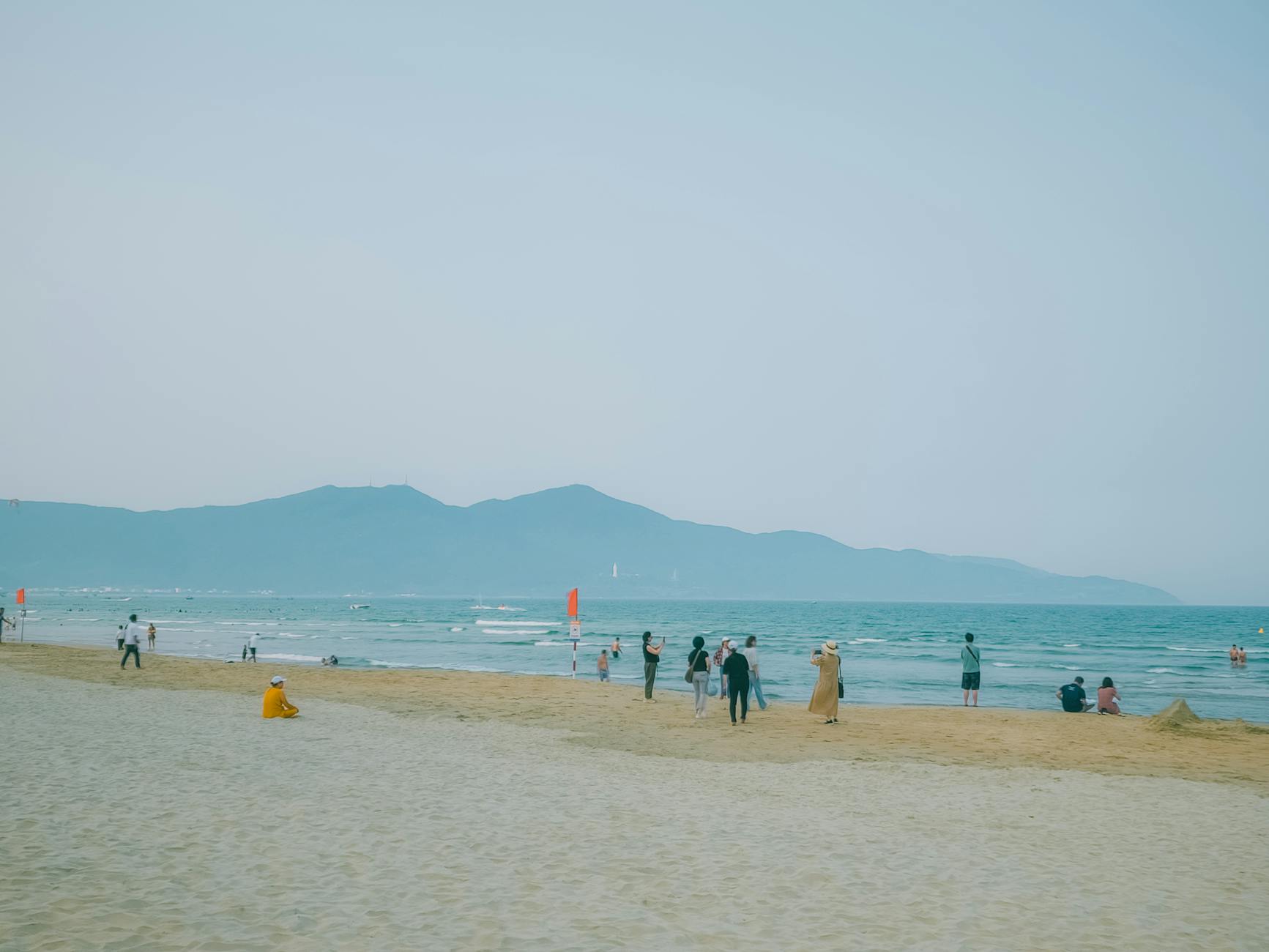
- Can you work productively in 33°C with 85% humidity? Test it for a weekend somewhere humid before you commit six months.
- Are you okay eating Vietnamese food 70% of the time? If you need pasta, bread and cheese daily, your budget jumps significantly.
- Do you have a buffer of $2,000-3,000 for setup costs (deposit, motorbike, first month rent, visa fees)?
- Are you willing to do a visa run at month four if you want to stay longer than six months?
- Are you coming for something — climate, slow pace, building a business with low burn — or running from something? The “running from” version doesn’t end well here.
If you said yes to four out of five, Vietnam is probably a good fit. If you said no to the climate question, look at northern Vietnam (Hanoi, Da Lat) or pivot to Chiang Mai during hot season.
Want a real-time check on a specific city or budget? Drop me a line on Telegram @vietnam_samurai — I answer from Da Nang. Or message me on Telegram @vietnam_samurai and we’ll send you a tailored route based on your profile.