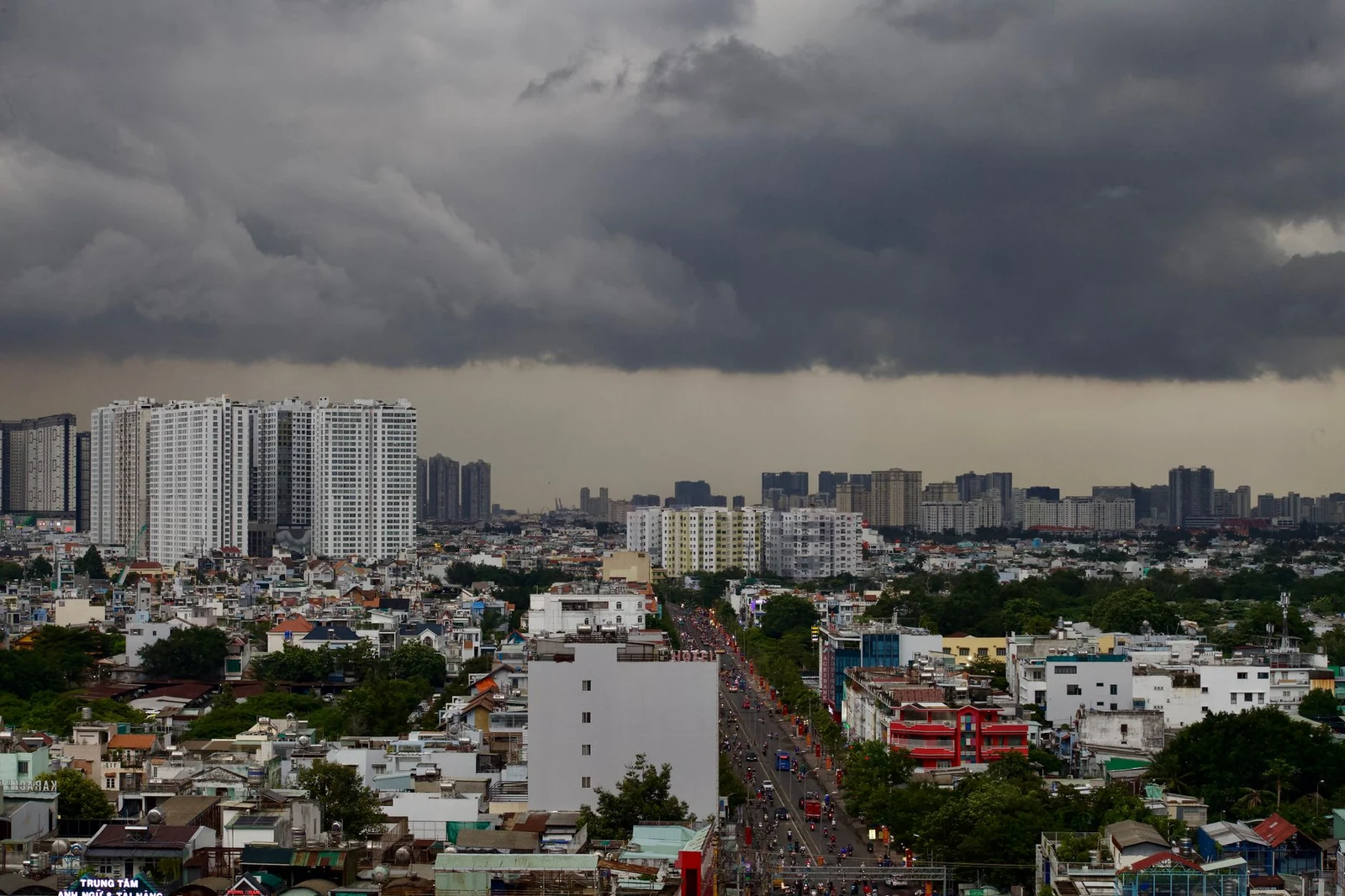
Phu Quoc is dry from November to April and rainy from May to October, and the wettest month is August with 369-545 mm of rain depending on the dataset. Daytime air stays at 29-33 °C and the sea at 27-31 °C all year, so the month you pick changes the rain and the waves, while the heat stays about the same.
I live in Vietnam and have guided trips here since 2023, and “which month is safe for Phu Quoc” is the question I hear most when people choose dates. The numbers below combine two public climate datasets that disagree on rainfall and night temperature, so each cell shows the range from both.
When Is the Rainy Season on Phu Quoc?
The rainy season on Phu Quoc runs from May to October. August is the wettest month with 369-545 mm over roughly 19-24 rainy days, and September follows with 282-475 mm. The dry season is November to April, and the driest stretch is January and February with 30-37 mm of rain. April (132-150 mm) and November (170-203 mm) are transitional months, and November also sits inside the typhoon window, which opens in mid-October.

Annual rainfall is 2,200-3,000 mm depending on the source, a gap of about a quarter between sources. Weather sites also disagree on where the dry season starts, some saying December to March and others November to May. I use November to April as the dry season and December to March as the best window.
Phu Quoc Weather by Month: Air, Sea and Rain
The table gives day and night air temperature, sea temperature and rainfall for all twelve months. Where the two datasets differ, the cell shows the range, so a wide range such as 188-300 mm in May means the sources disagree. The climate is tropical monsoon, and the months differ by rain, since the air stays within 29-33 °C all year.

| Month | Day air, °C | Night air, °C | Sea, °C | Rain, mm |
|---|---|---|---|---|
| January | 30-31 | 21-24 | 27-28 | 35-37 |
| February | 31 | 22-24 | 28 | 30-35 |
| March | 32 | 23-25 | 29 | 55-79 |
| April | 32-33 | 23-26 | 30 | 132-150 |
| May | 32-33 | 24-27 | 30-31 | 188-300 |
| June | 31 | 23-26 | 30 | 243-415 |
| July | 30-31 | 23-26 | 29-30 | 270-420 |
| August | 30-31 | 23-26 | 29 | 369-545 |
| September | 30 | 24-26 | 29 | 282-475 |
| October | 30-31 | 23-25 | 29 | 273-385 |
| November | 30-31 | 23-25 | 28-29 | 170-203 |
| December | 29-31 | 22-24 | 28 | 60-98 |
The hottest months are March to May, with daytime air at 32-33 °C and single days reaching 35-36 °C. The sea is coolest in January at 27.5-28 °C and warmest from April to June at 30-31 °C, which is warm enough to swim without a wetsuit in every month.
Which Coast of Phu Quoc Is Calmer in Each Season?
From November to April the west coast, with Long Beach, Ong Lang and Bai Dai, is the calmer side and the better one for a beach day. From June to September the south-west monsoon brings wind and waves to the west, and the east and south-east beaches of Bai Sao and Bai Khem stay calmer. The roughest weeks on the west coast fall in August and September.

If your dates land in July or August, I would book a hotel on the east side or in the south and treat the west-coast sunset bars as a day trip. From December to March the choice flips, and the west coast around Long Beach and Duong Dong town is the easier base.
When Is the Sea Clearest for Snorkelling on Phu Quoc?
The sea is clearest from November to April, and December to March gives the best underwater visibility, up to 10-20 m on calm days according to one dive operator. From May to October wind and rain stir up the water and island tours run unevenly. Mornings are calmer than afternoons in any month, so I book the snorkelling stop first in the day.
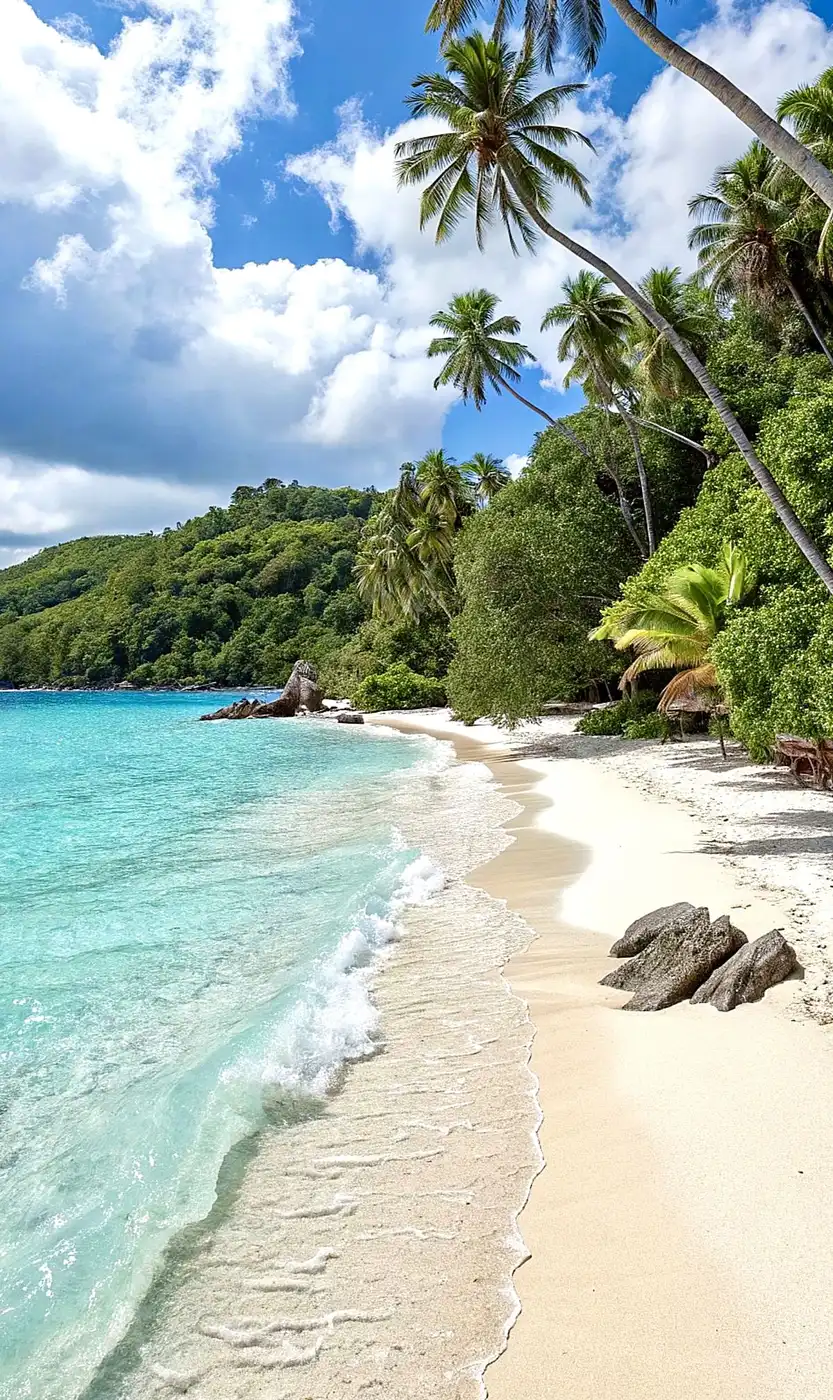
The 10-20 m figure comes from a single operator, so treat it as a rough guide with no guarantee behind it. Two sources agree on the period, November to April.
Do Boat Trips to the South Islands Run in the Rainy Season?
Boat trips to the An Thoi archipelago in the south run in the rainy season, but the operator cancels or reroutes them when waves are high, and the decision is made on the day. No source publishes a month-by-month boat calendar. High-speed ferries from Ha Tien and Rach Gia to the island have been suspended when waves reached 1.5-2.5 m, as VnExpress reported.

When a boat day is cancelled, the operator offers a refund or a new date. A new date needs a free day in the week, and if the cancelled trip was on the last day, only the refund is left and the islands drop out of the plan. Typhoons in southern Vietnam are most frequent from mid-October to late December, though Phu Quoc is rarely hit directly, and the national forecast centre nchmf.gov.vn publishes the storm warnings. More detail on storm months is in my guide to Vietnam typhoon season by month and region .
This is where people usually write to me. You can book the island day yourself on a local operator’s page and keep a spare day in the week. If you would rather not track forecasts and cancellation terms, I put the boat day early in the itinerary with a reserve date next to it, and when you send me your dates in Telegram, I tell you which days to keep free.
Can You Visit Phu Quoc in the Rainy Season?
Yes. Rain arrives as showers, there are fewer tourists, and hotels cost less than in the December to February peak. May is the mildest of the wet months at 188-300 mm, while August and September are the wettest, and in those two months I don’t build any plan on a flat sea.
Demand and prices peak from December to February, around Christmas and New Year, so book those weeks early. Two sources put the low season for prices at July to September, which is also when the west coast is roughest, so a cheaper room there buys a less reliable beach day. If you also plan Vietnam beyond the island, routes across Vietnam show what else fits around a beach week, and my notes on what to do on Phu Quoc cover the island once you have picked the month.
Which Month Should You Pick for Phu Quoc?
Pick December to March for a beach holiday: these are the driest months, the west coast is calm and the sea is clearest. Pick April for a lower price and few showers. Pick May to October only for a cheaper trip with flexible plans, and stay on the east coast from June to September.
Booking Phu Quoc yourself works well: choose December to March, keep a spare day and read the forecast the evening before each boat trip. But if you want to stop tracking waves, cancellation terms and which side of the island is calm this week, message me in Telegram with the month you have in mind, and I will build the trip around it.
Methodology: Where These Numbers Come From
Temperatures, sea temperature and rainfall for the twelve months come from two sources: climate norms for 2000-2020 on Climates to Travel and long-term averages from the CRU, Met Office and KNMI datasets on Weather2Travel. Where they differ, the table shows both values as a range. Seasons, coast conditions, snorkelling visibility and boat cancellations come from island travel guides and tour operators, most of them confirmed by two sources. The exceptions are the 10-20 m visibility, which one operator gives, and humidity, which traces back to one tourism-authority source.
I left out month-by-month humidity and the boat departure times, because I could not confirm them in two independent sources. Check the official forecast on nchmf.gov.vn before a boat day. Data collected on 6 October 2026.
Frequently asked questions
How many hours of sun does Phu Quoc get?
About 7-8 hours a day from January to April and 4.5-6 hours a day from June to September. In the wet months that still leaves most days with some sun between the showers.
How humid is Phu Quoc?
Humidity is around 78% in the dry season and 85-90% in the rainy season. Both figures trace back to one tourism-authority source, so I treat them as a rough guide.
Why do weather sites show different numbers of rainy days for Phu Quoc?
Sites count a rainy day by different rainfall thresholds, so the day counts differ: for August one dataset gives 19 days and another 24. The rainfall itself also differs, 369 mm against 545 mm, so read the whole range.
Is Tet a good time to visit Phu Quoc?
Tet is the Vietnamese lunar new year and falls on 6 February in 2027. It sits in the same peak window as Christmas and New Year, with high demand for rooms and flights, and the weather is dry and calm, so the cost is price and availability.