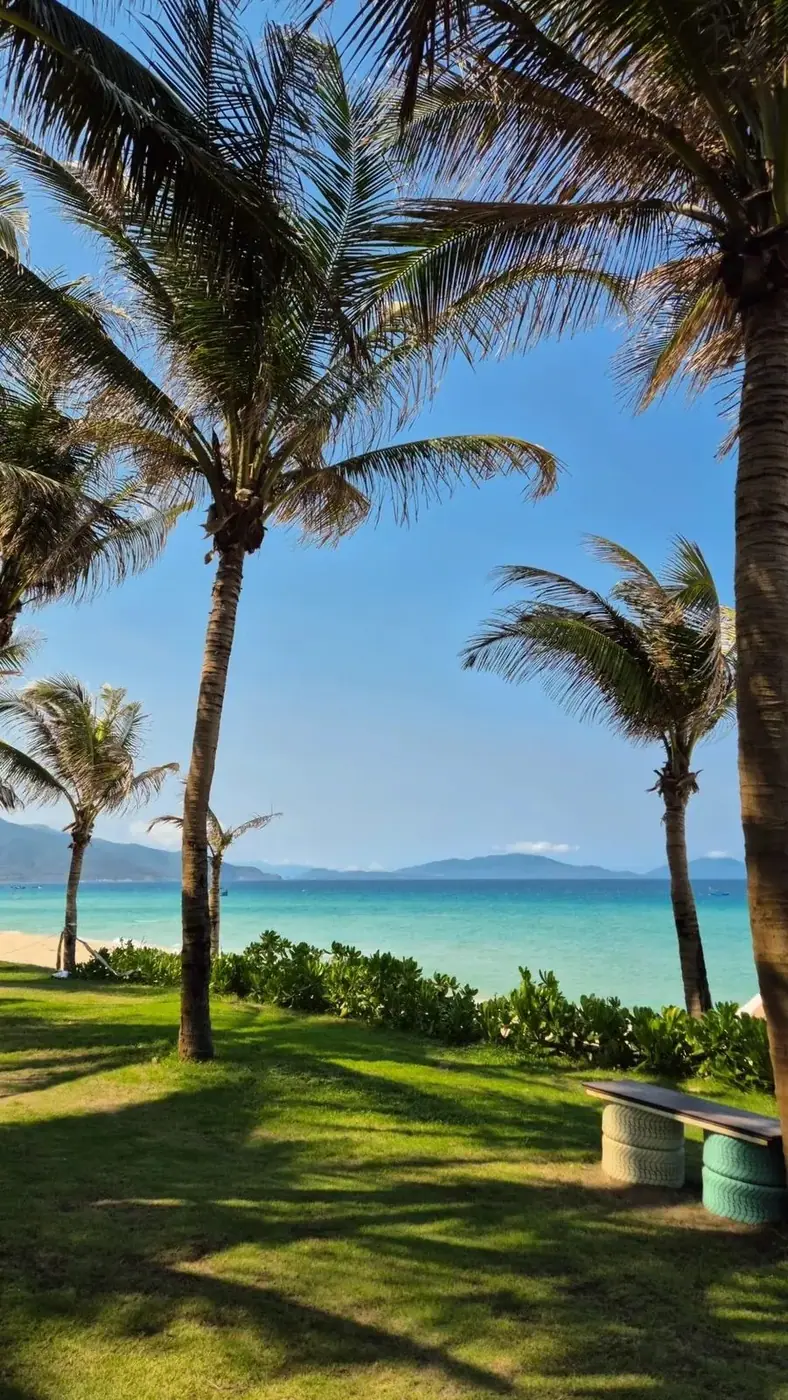
A Vietnam vacation in 2026 costs about $900-$1,000 per person for 10 days on the ground, plus $800-$1,100 for round-trip flights depending on where you fly from. A comfortable daily budget lands near $100 per person, and a tight one around $50 a day without the hotel. If you’d rather hand the whole trip to a local team, that’s an option too, but here’s the honest breakdown first.
I’ve lived in Vietnam for six years and price these trips constantly. Here’s where the money actually goes and where travelers lose it for nothing.
How much does a Vietnam vacation cost in 2026?
A 10-day Vietnam trip costs about $900-$1,000 per person on the ground in 2026, excluding flights. The optimal all-in daily budget is near $100 per person with activities included, while a budget traveler can get by on $50 a day eating at local cafes and riding a rented scooter.
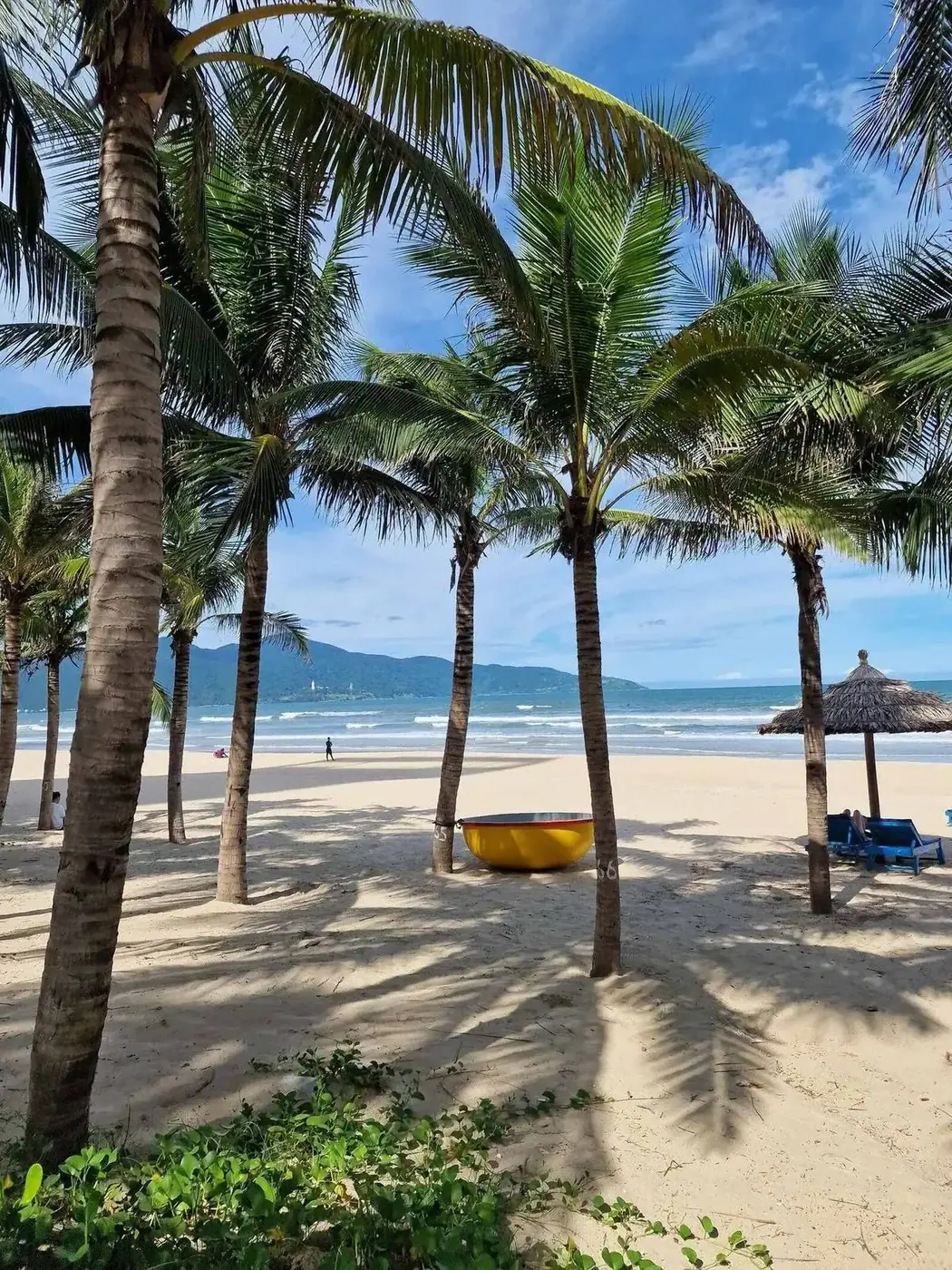
Vietnam runs roughly 30-50% cheaper than Thailand and about half the price of Bali, so the same trip buys more comfort here for the same money. You can see what that buys across our full range of Vietnam routes .
What do flights and hotels cost?
Flights and hotels are the two biggest lines. A direct round-trip flight from Moscow to Nha Trang, Hanoi or Ho Chi Minh City runs 75,000-100,000 rubles ($800-$1,100), and connecting fares start near $800. A budget hotel is $10-$15 a night for two, a good hotel for 10 days totals around $500, and a three-star room runs $60-$100.
Russian travelers can skip the visa line entirely: entry is visa-free for up to 45 days in 2026, so there’s no separate visa cost. A pre-planned 10-day route helps you lock hotel rates before prices climb.
How much should I budget for food and transport per day?
Food is cheap if you eat where locals eat: plan under $9 per person per day. A bowl of pho is about $1, a street-cafe dish $2-$3, and a Vietnamese coffee around $1. A tourist-restaurant dinner starts at $20 without drinks, so that’s the line to watch.
Transport barely dents the budget. A rented scooter is $5 a day, a taxi is about $0.50 to start plus $0.50 per kilometer, and a city bus is under $1 a ride.
Are excursions and activities worth the price?
Excursions are where the budget flexes most. A group day trip is $30-$50 per person, snorkeling starts at $10, diving is around $100, and a surf lesson from $70. A private Dalat trip can hit $280, which is why groups win on value. A beachfront massage from $5 is cheaper than almost anywhere in Asia. If you want these bundled instead of priced one by one, that’s essentially what our 10-day Vietnam route does - transport, guides and stops fixed upfront.

This is where I usually get pulled in. Guests arrive with a spreadsheet of separate quotes, and half the “exclusive” tours turn out to be the same shared boat with a markup. I map the trip so the money goes to experiences rather than middlemen — booking the boats and the guides directly, at the price locals pay. From your side that takes the dates and a rough ceiling on the budget.
Where do tourists overpay in Vietnam?
The biggest leaks are seafood in tourist restaurants, “exclusive” excursions booked at the hotel, and street taxis instead of a ride app. The same dish costs 2-3 times more on the promenade than at a local cafe, and a package tour comparison against a full tour price often shows you’re paying for someone else’s margin.
Insurance is the one boring cost worth keeping: budget about $30 for the trip and don’t cut it.
How can I keep the trip budget down?
Book flights and hotels well ahead, chase last-minute tour deals, and eat where locals do to erase most of the overpaying automatically. Group excursions beat private touts on value every time, and a rented scooter easily beats taxis over a full day of sightseeing around any town.
If you’d rather skip the planning and have a local build the whole trip to your budget, message me on Telegram with your dates and pace.
Frequently asked questions
How much cash can you bring into Vietnam without declaring it?
Up to $5,000 US or 15 million VND per person, a threshold set by State Bank of Vietnam Circular 11/2014/TT-NHNN. More than that is still allowed, but it has to go on a customs declaration on arrival — anything above the limit that wasn’t declared can be seized.
Is travel insurance required to enter Vietnam?
Officially no — insurance is not on the list of documents required for entry, only recommended. Healthcare here is private and paid, though, and a single day in a decent clinic comfortably outprices a policy for the whole trip, so it stays in the budget as a line worth keeping.
When is the rainy season in Vietnam?
It differs by region, which is the single most useful thing to know when picking dates. The north gets its rain from May to September, the centre from September to December with the peak in October and November, and the south from May to October. There is no bad season for the whole country — in any month some region is dry.
What do children pay at Ba Na Hills and VinWonders?
Ba Na Hills lets children under one metre in free, charges 800,000 VND from one metre to 1.4 m, and 1,000,000 VND for an adult. VinWonders on Phu Quoc is free under 100 cm, 710,000 VND from 100 to 140 cm, and 950,000 VND for adults. Both price by height rather than age, so nobody asks for the child’s passport at the gate.