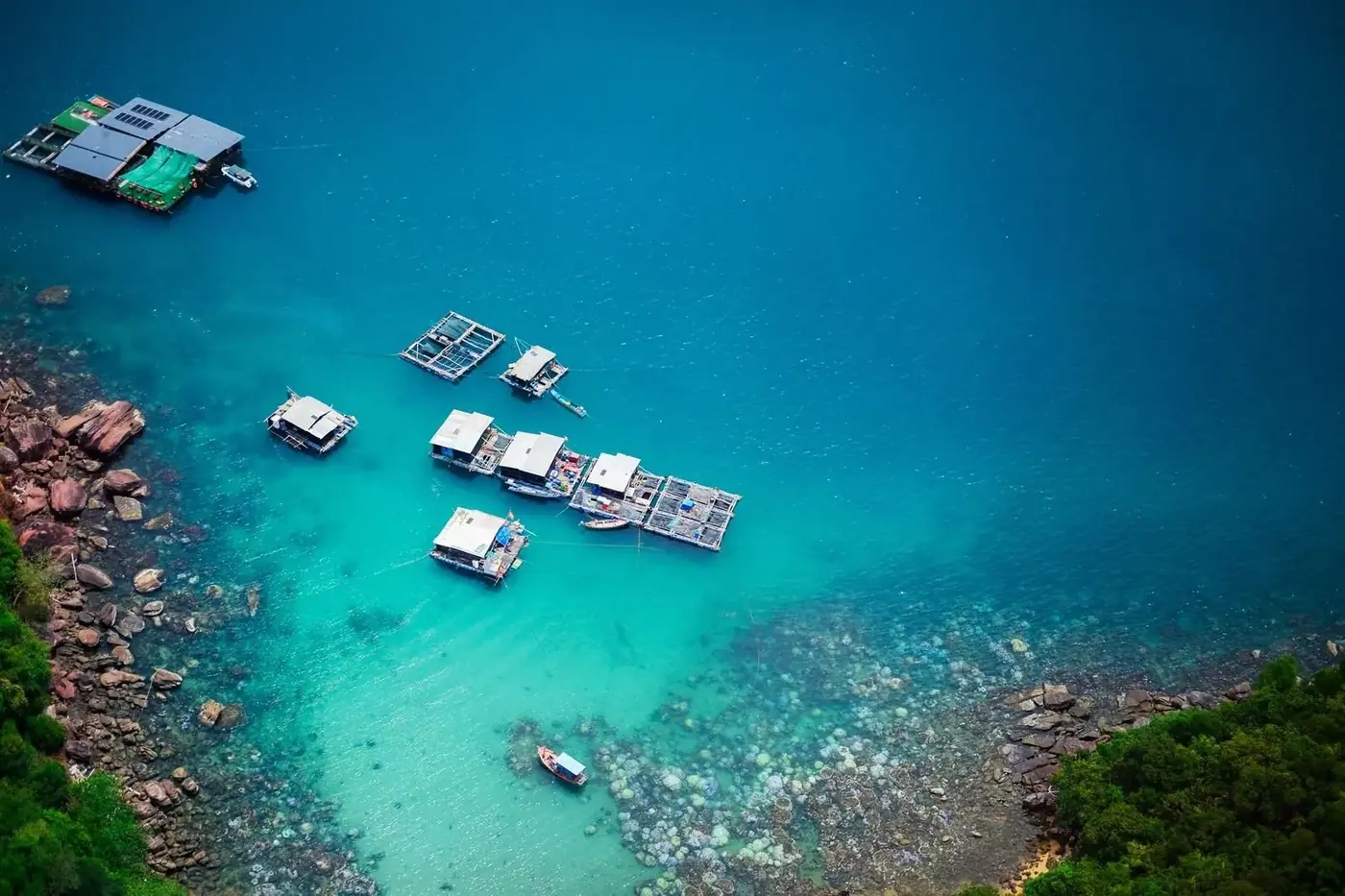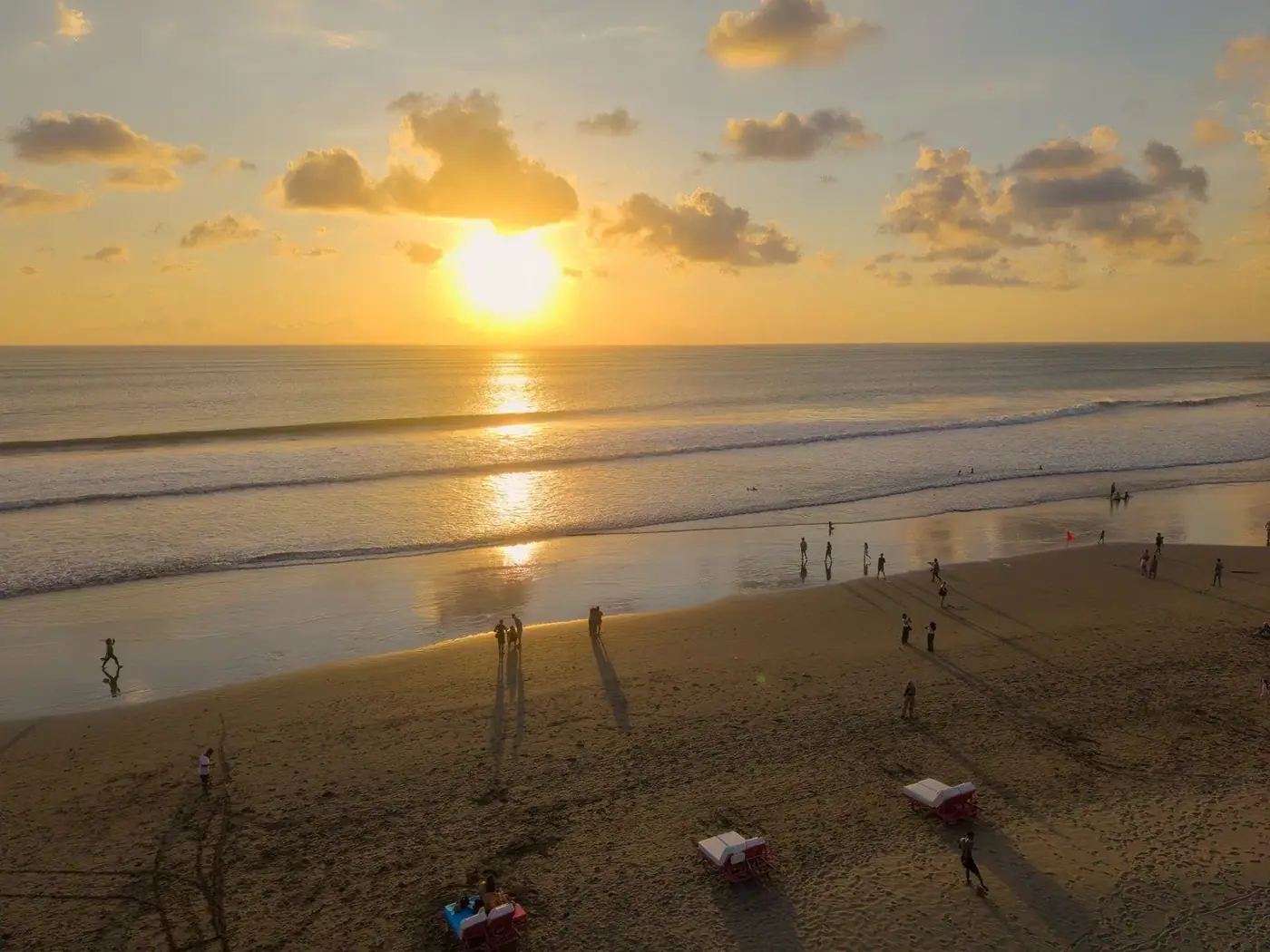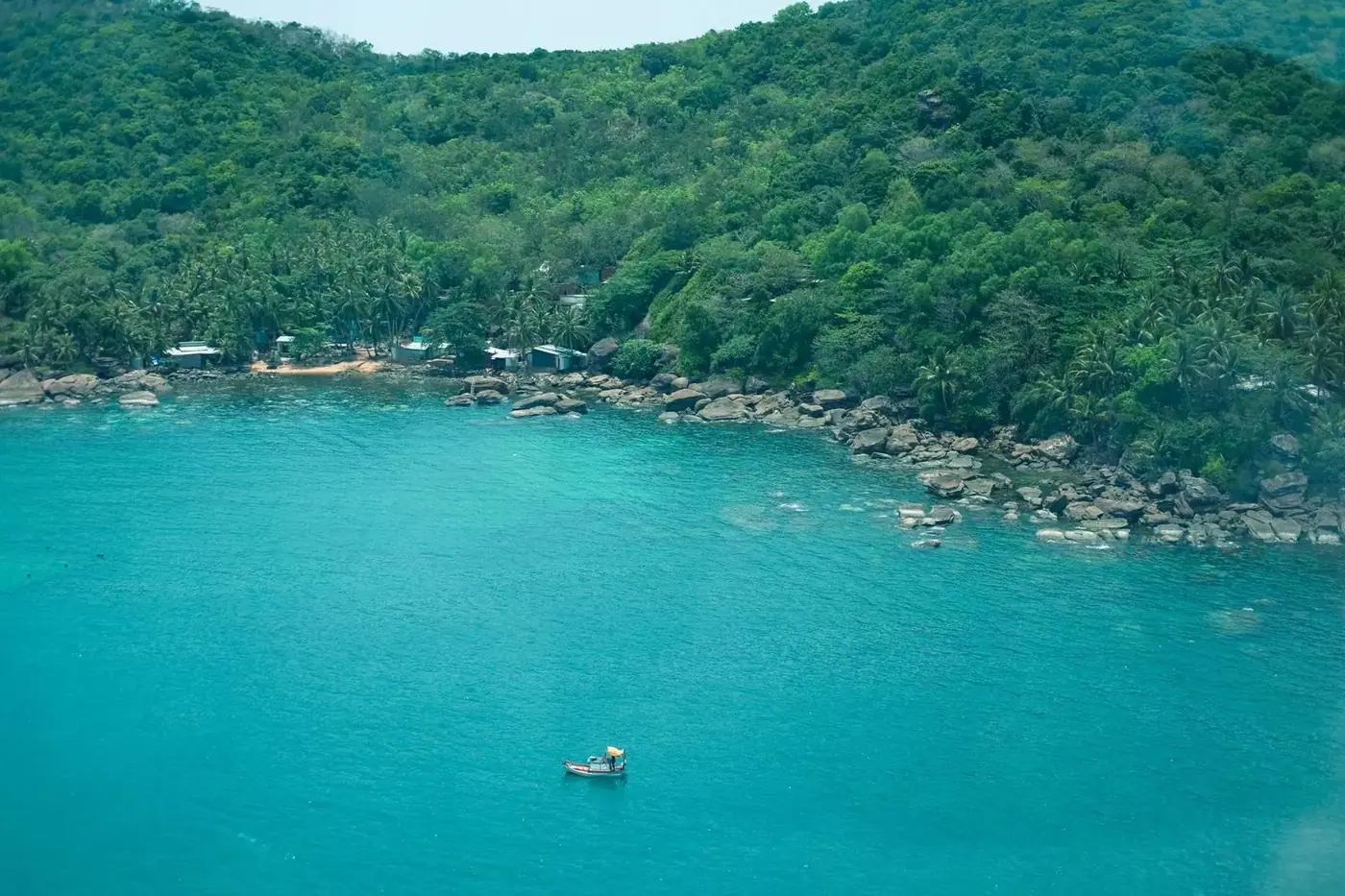
Nha Trang wins on price and nightlife; Phu Quoc wins on beach quality and resort comfort. Budget travelers who want islands, diving, and a livelier scene can get by on $16-28/day in Nha Trang, while Phu Quoc runs $30-46/day for the same budget tier but delivers clearer water, quieter beaches, and Vietnam’s only nationality-blind 30-day visa exemption.
I’ve lived in Da Nang for years and run tours across central and southern Vietnam, and this is the single most common “which one” question I get from travelers planning a Vietnam beach leg. Both cities are real answers - they just answer different questions.
Nha Trang vs Phu Quoc: Quick Comparison Table
| Nha Trang | Phu Quoc | |
|---|---|---|
| Daily budget (budget tier) | $16-28/day | $30-46/day |
| Airport | Cam Ranh (CXR) - 28 airlines, 29 international airports | Phu Quoc Intl (PQC) - 22 airlines, 24 international airports |
| Main beach | Tran Phu Beach (city center, busier, weaker clarity) | Bai Sao / Long Beach (outlying, clearer water) |
| Signature attraction | Vinpearl cable car (2,643m) + Hon Mun diving | Hon Thom cable car (7,899.9m, Guinness record) |
| Dry season | January-August (best March-June) | November-April |
| Visa | Standard Vietnam e-visa/visa rules | 30-day visa exemption, all nationalities, island-only itinerary |
| Best for | Nightlife, diving, shorter budget trips | Families, honeymoons, resort relaxation |

What Makes Nha Trang the Better Value Pick?
Nha Trang is the cheaper, more urban, more energetic option, and it’s built for shorter trips of 3-4 days rather than a full week of unwinding. A budget traveler covers a guesthouse plus local food for roughly $16-28/day, and street food here is genuinely cheap - local meals commonly run 30,000-150,000 VND (about $1.15-5.75), well below what you’ll pay for a comparable meal on Phu Quoc.
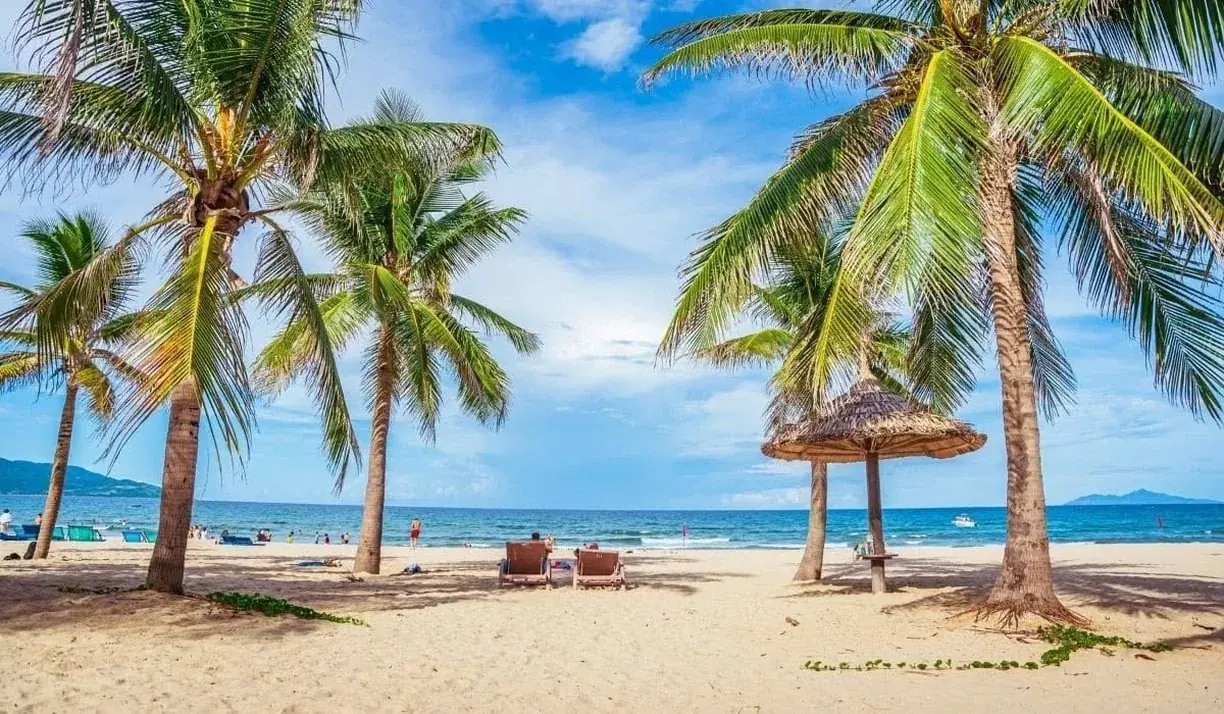
The city sits on a compact, walkable beachfront, so you don’t need a scooter or a taxi to get from your hotel to a bar to the water. Cam Ranh Airport also has more international routes than Phu Quoc’s airport - 28 airlines to 29 destinations as of mid-2026 - including long-running Aeroflot service from several Russian cities, which matters if you’re routing through Russia, and it’s currently the busiest workaround for travelers rerouting around Da Lat’s 2026 airport closure . For divers and snorkelers, the Hon Mun Marine Protected Area is a short boat ride out, and a standard 4-island hopping tour (floating bar, seafood lunch, hotel pickup) runs $30-50 per person for a full day. If you’d rather have this bundled into a longer central Vietnam route instead of booking day tours piecemeal, that’s the kind of itinerary we build into our 12-day Center-to-South route , part of our tour pages .
The tradeoff is water clarity close to town. Tran Phu Beach, right in the city center, isn’t great for snorkeling directly off the sand - the city’s proximity affects clarity, and it’s noticeably busier than Phu Quoc’s beaches simply because it’s downtown, not an outlying stretch of coast.
What Makes Phu Quoc the Better Resort Escape?
Phu Quoc is the pick if you want fewer people, clearer water, and a slower pace, and it rewards a longer stay of 5+ days rather than a quick city-adjacent trip. Bai Sao (Sao Beach) in the south has clear green-blue water and fine white sand, with visibility good enough for underwater photos, and it’s less crowded than the island’s main strip, Long Beach (Bai Truong).
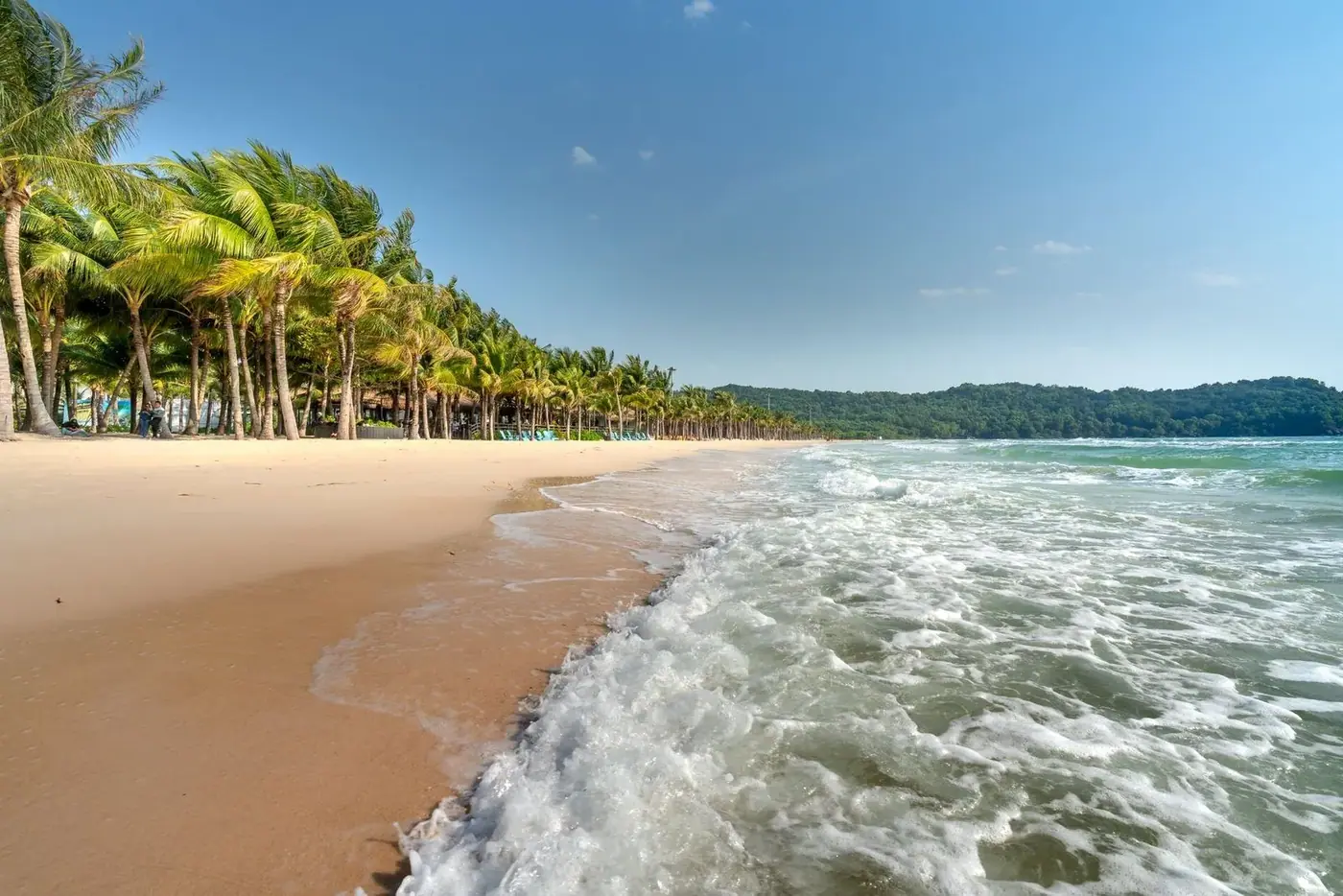
Accommodation runs a bit higher than Nha Trang: homestays start around 360,000 VND (~$14)/night, 2-3 star hotels run 200,000-1,400,000 VND (~$8-54), and 4-star properties run 700,000-3,500,000 VND (~$27-135). The island also has VinWonders theme park (950,000 VND adults, 710,000 VND children/seniors) and the Hon Thom Cable Car, which holds the Guinness World Record for longest non-stop three-rope cable car at 7,899.9 meters - nearly three times the length of Nha Trang’s Vinpearl cable car. A ride starts around $33 and is usually bundled with Aquatopia Water Park.

Nightlife shuts down earlier here - the island is noticeably quiet after 11pm - which is exactly why it’s the stronger pick for families (Vinpearl Safari, kids’ clubs at resorts) and honeymooners (Long Beach and Starfish Beach lean calm and intimate) rather than travelers chasing a party scene.
Is Phu Quoc Really Visa-Free for Everyone?
Yes - Phu Quoc has offered a unilateral 30-day visa exemption to travelers of every nationality since July 1, 2020, a policy unique to the island under its Special Economic Zone status in Kien Giang Province. It’s the only place in Vietnam where this applies.
The catch is the itinerary restriction: you need a passport valid 6+ months, entry by air or sea only, a confirmed return ticket within 30 days, and - critically - an itinerary showing Phu Quoc as your ONLY Vietnam stop. You can’t use this exemption and then hop to Da Nang, Hanoi, or Ho Chi Minh City; there’s also no way to extend it while you’re on the island. If your trip includes the mainland, you’ll need Vietnam’s standard e-visa or visa-on-arrival process instead, and that’s worth planning before you book flights.
Which Has Better Beaches: Bai Sao or Tran Phu?
Bai Sao wins on water clarity and calm; Tran Phu wins on convenience and energy. Bai Sao’s sand is fine and white with visibility clear enough to see your feet in the shallows, while Tran Phu sits in the middle of a working city, so it trades some clarity and quiet for the fact that your hotel, dinner, and the beach are all a five-minute walk apart.
If snorkeling or just photogenic water is the priority, Phu Quoc’s Bai Sao and the calmer coves around Ong Lang beat anything close to central Nha Trang - you’d need to boat out to Hon Mun or Hon Tam to get similar clarity near Nha Trang.
How Do You Choose Between Nha Trang and Phu Quoc?
Pick based on trip length, budget, and who you’re traveling with, not on which name sounds more exotic. Nha Trang suits a shorter, cheaper, more social 3-4 day stop, especially if you’re already routing through central Vietnam. Phu Quoc suits a longer, calmer 5+ day resort break, especially for families or couples who want to do less and see less crowding.
This is also the exact decision I get asked about most when someone’s building a multi-stop Vietnam itinerary and isn’t sure how to fit a beach leg in without wasting a travel day on the wrong connection. If you tell me your dates and who’s coming, I can slot either destination into a route that actually makes sense with the rest of your trip - no extra flights just to fix a bad routing choice.
Some of the best day trips near Da Nang skip both islands entirely if your schedule is under a week - worth checking what a well-built Vietnam route looks like before you commit to a flight out to either coast.
If you want the full lay of the land before deciding, our breakdowns of Vietnam’s best islands and what to actually do on Phu Quoc go deeper on each option, and our month-by-month weather guide will tell you if your travel dates land in either island’s dry season.
Whichever one you pick, message me on Telegram with your dates and I’ll tell you honestly whether it’s worth the detour, or if a different stretch of coast fits your route better - I’ve been building Vietnam itineraries since 2023 and I’d rather tell you Nha Trang doesn’t fit than sell you a leg you’ll regret.
Frequently asked questions
Nha Trang or Phu Quoc: which is better for a first-time Vietnam beach trip? Nha Trang if you’re combining it with a short central Vietnam loop and want budget-friendly energy; Phu Quoc if this is a dedicated beach week and you want calmer water. Both work as a first visit - the choice is about pace, not difficulty.
Is Phu Quoc worth visiting in 2026? Yes, especially for the visa-free entry (30 days, all nationalities, island-only itinerary) and the Hon Thom cable car, a genuine Guinness World Record holder. It suits travelers who want a resort-style trip over a city-adjacent one.
How many days do you need in Nha Trang vs Phu Quoc? 3-4 days covers Nha Trang’s city, islands, and nightlife. Phu Quoc rewards 5+ days since it’s more spread out and the point is slowing down, not covering ground.
Which is cheaper, Nha Trang or Phu Quoc? Nha Trang, by roughly 10-20% at the budget tier - about $16-28/day versus $30-46/day in Phu Quoc for similar guesthouse-plus-local-food spending.
Is Nha Trang or Phu Quoc better for families with kids? Phu Quoc, mainly because of VinWonders theme park, Vinpearl Safari, and resorts built around kids’ clubs. Nha Trang works for families too, but it’s a more urban, adult-paced destination.
What is the best time of year to visit Nha Trang and Phu Quoc? Nha Trang’s dry season runs January-August (sweet spot March-June); Phu Quoc’s runs November-April. They don’t fully overlap, so check your exact travel month against the island you’re picking.