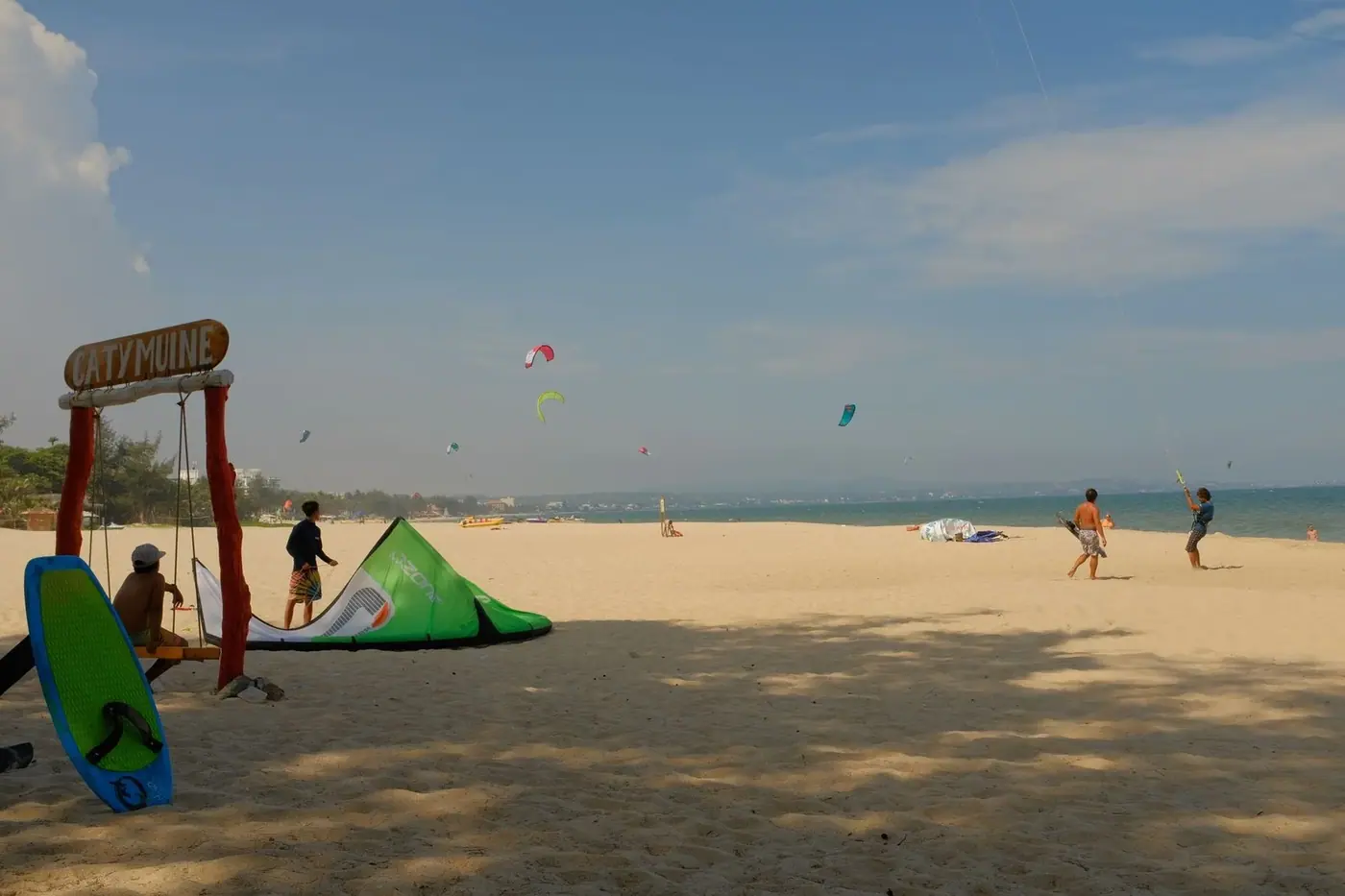
Mui Ne’s kite season runs November through April, driven by the northeast monsoon, and the town averages 227 windy days a year — one of the highest counts in Southeast Asia. December through February is peak: winds hold at 15–30 knots daily, schools are busy, and the beach south of Da Nang becomes a genuine kite hub. If you’re planning a south Vietnam loop that ends or passes through here, timing your Mui Ne stop inside that window is the single most important decision you’ll make. Booking.com named Mui Ne one of 2026’s top global trending destinations, so slots at reputable schools fill faster than they used to.
When Is the Best Time to Kite in Mui Ne?
The honest window is November to April. Outside those months the northeast monsoon drops off, the rains arrive by May, and kitesurfing simply doesn’t happen — the sea turns choppy in the wrong direction and the wind becomes erratic.
December through February is peak season: winds run 15–30 knots consistently, with gusts reaching 40–45 knots in January. Those gust days are excellent for advanced riders on smaller kites but are the wrong conditions for a first lesson. If you’re a beginner, late November or March gives you steadier 15–20 knot winds, thinner crowds, and more instructor availability. April still has decent wind but schools start winding down and some staff leave. May through October is the rainy season — temperatures stay at 28–30°C but there’s no kitesurfing to be had.
Which Beach Should You Learn On?
For beginners, Ham Tien — Mui Ne’s main beach — is the right choice. It’s shallow, the wind comes in side-onshore, and there’s room to make mistakes without being pushed into obstacles.
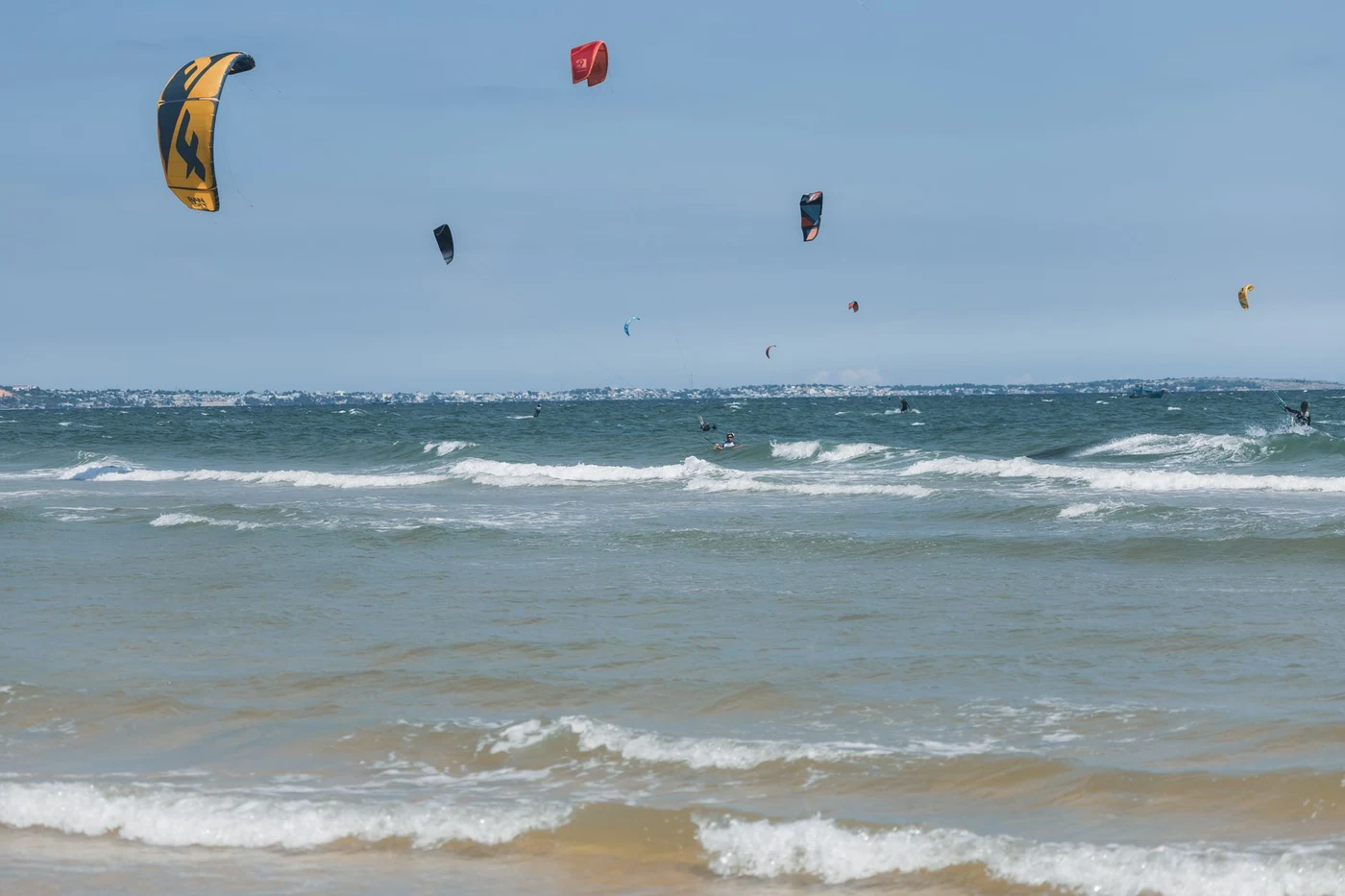
Advanced kiters and anyone progressing past the basics should look at Ganh Beach and Africa Beach, both offering cross-onshore winds and real wave action. Suoi Nuoc Beach is another option for experienced riders who want less traffic. The separation matters: Ham Tien on a peak-season day has multiple schools running simultaneously, and the water discipline relies on beginners staying in designated zones. An advanced kiter going upwind into a lesson area creates real hazards. The schools themselves will direct you — but knowing in advance saves the conversation.
How to Book Your First Kite Lesson in Mui Ne
- Choose your level. For absolute first-timers, Surfpoint’s 2-hour Discovery lesson at $110 is a contained introduction — you’ll fly a trainer kite on land and get one water body-drag session. It’s not enough to kite independently afterward. If you’re serious about learning, the 15-hour IKO course at $825 (also Surfpoint, located at Seahorse Resort, 16 Nguyen Dinh Chieu) takes you to an independent riding level with an IKO certification card at the end. Other schools offer comparable progressions at lower price points.
Book directly on the school’s website. Surfpoint, Jibe’s Beach Club, and C2Sky all take online bookings. Phone or walk-in bookings are possible in low season — October, November, April — but December through February slots at the better schools fill fast, sometimes weeks in advance. Don’t assume you can show up and get a lesson the next morning in peak season.
Arrive 30 minutes early, wear a rash guard, bring sunscreen, and leave valuables at your hotel. The wind on the water is stronger than it feels on land, and rash guards matter more than most visitors expect on their first session. Lockers at school facilities are limited and the beach has enough foot traffic that an unattended bag is a risk.
Ask for your IKO card at the end of any certified course. The card documents your skill level and lets you rent kite equipment at certified schools elsewhere in Vietnam — or anywhere in the world — without repeating a full course. Schools that advertise IKO certification are obligated to issue it; don’t leave without asking.
What Do Kite Schools in Mui Ne Actually Charge?
Surfpoint is the most established name on the strip: $110 for a 2-hour Discovery lesson, $825 for the full 15-hour IKO course. Both prices include equipment and the IKO card on certified courses. Surfpoint sits on the beach at Seahorse Resort, 16 Nguyen Dinh Chieu, which makes it easy to find.
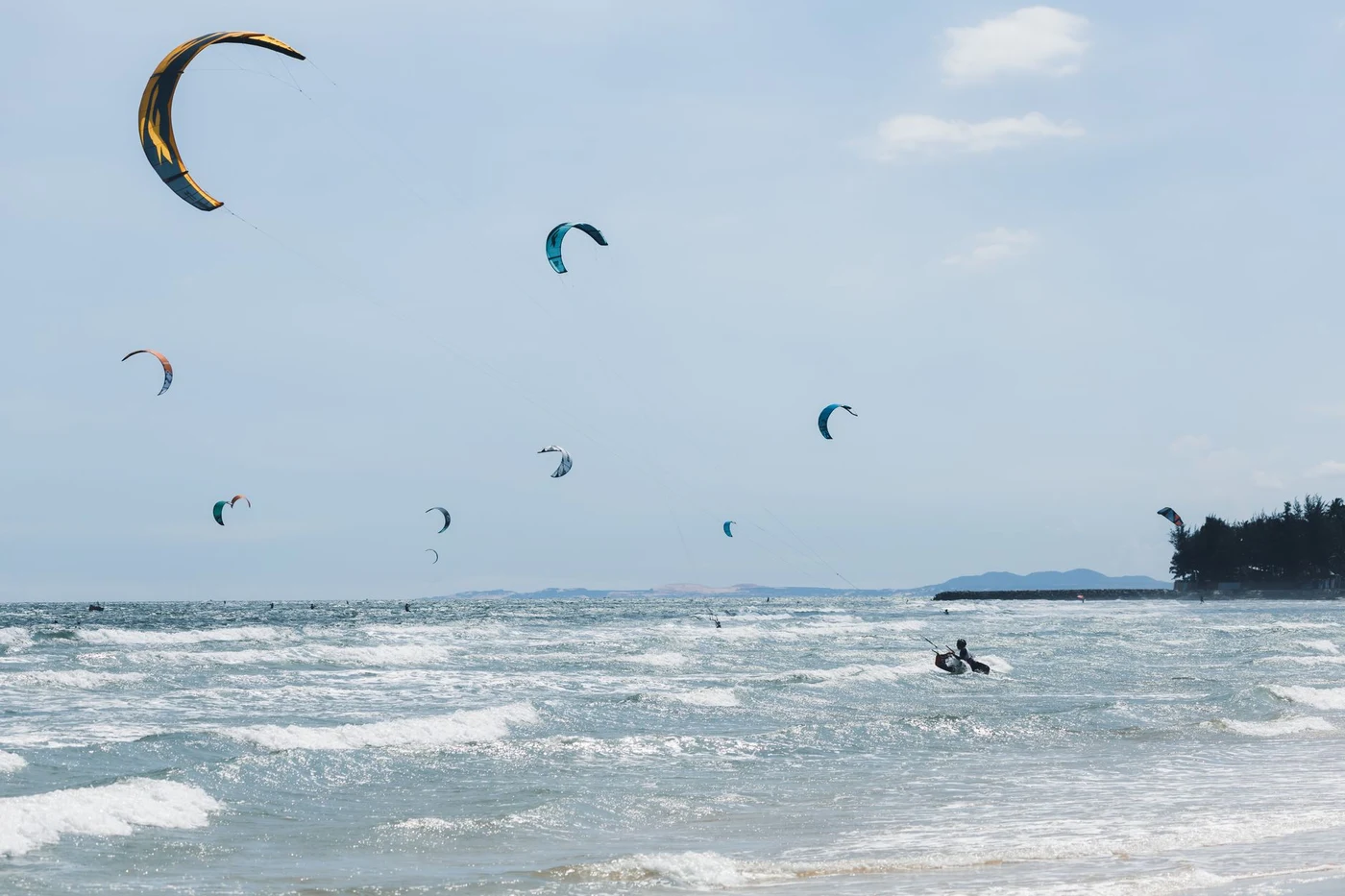
Jibe’s Beach Club runs at roughly $65 per hour, with a 3-hour package at $140 and a 9-hour package at $410 — a useful middle ground if you want more than a taster but aren’t committing to the full IKO track. C2Sky and Vietnam Kiteboarding School charge around $50 per hour and are IKO-certified, which matters if you want the card. Price shopping between schools is reasonable; the instruction quality at IKO-certified operations is regulated, so you’re mostly trading amenities and instructor availability, not safety.
If you’re putting together a south Vietnam itinerary that includes Mui Ne alongside Da Lat — worth checking Dalat’s airport closure and how to get there instead before you fix dates — Hoi An, or the Mekong Delta, Vietnam Samurai Tours can help structure the transport logistics and timing around a kite window — the 15-day Vietnam tour routes through the south and can be adjusted to land in Mui Ne during the right wind days. That’s a route-planning consideration, not something kite schools handle.
White or Red — Which Sand Dunes Are Worth Your Morning?
White Sand Dunes (Bau Trang) are 30 km from Mui Ne, entry costs about 10,000 VND (roughly $0.40), and they’re open all day. Sunrise tours depart from 05:00 and are worth the early alarm — the light on white sand at 05:30 is something the midday version doesn’t replicate. ATV rentals run 600,000–800,000 VND for 20 minutes solo, or around 1,150,000 VND for a duo ride. Sandboarding boards rent for 15,000–20,000 VND for 30–60 minutes. A shared jeep from Mui Ne costs $8–15 per person; a private jeep for up to six people runs $23–46.

Red Sand Dunes are free, located near Hon Rom Beach, and significantly closer to town. They’re best at sunset — arrive by 17:00. The problem is the quad-bike touts who operate there: equipment is often in poor condition and prices are inflated well above any posted rate. Skip the quad bikes at the Red Dunes. If you want an ATV ride, do it at White Dunes where the operation is more structured. The Red Dunes are worth 45 minutes at golden hour if you’re already in Mui Ne — just walk up and watch the light, skip the touts.
Fairy Stream and Getting to Mui Ne from HCMC
Fairy Stream (Suoi Tien) is a 30–40 minute barefoot walk through ankle-deep water along a shallow stream bed, ending at a small waterfall. Entry costs around 15,000 VND. It’s genuinely pleasant and requires almost no planning — you take off your shoes at the entrance, wade through the water, and turn back when you reach the waterfall. It’s not a hike and it’s not strenuous. Good for a morning before winds pick up or an afternoon after you’ve come off the water.
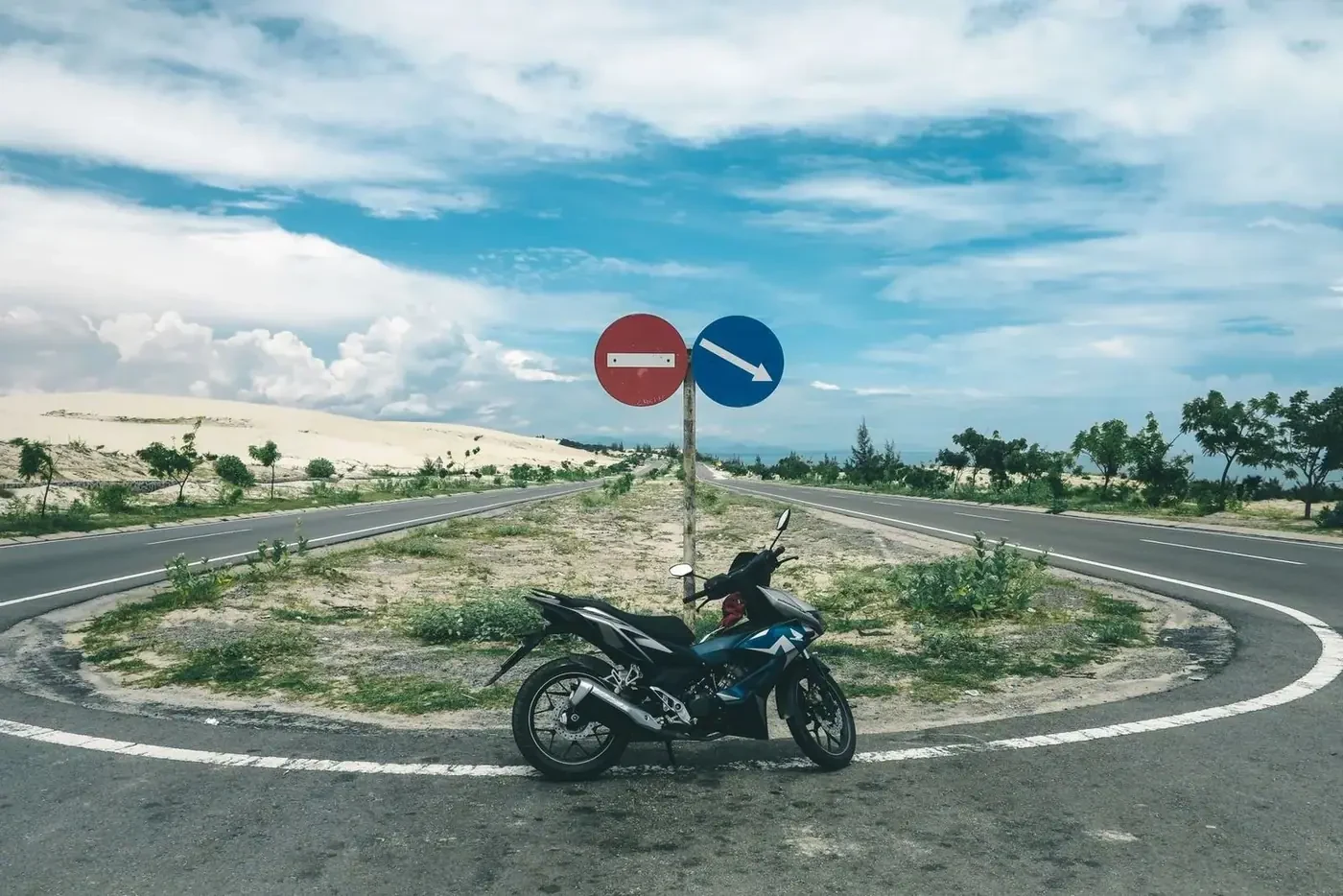
From Ho Chi Minh City, Mui Ne is 200–220 km away. By car the drive takes 3.5–5 hours depending on traffic out of HCMC. Sleeper bus is the most common budget option: Phuong Trang, Hanh Cafe, and The Sinh Tourist all run overnight and daytime services at 200,000–300,000 VND ($8–12) with journey times of 4.5–6 hours. Train runs from HCMC on Fridays, Saturdays, and Sundays only — from 202,000 VND (~$8) to Phan Thiet station, about 4 hours, then 20 minutes onward to Mui Ne. For a broader look at how to navigate between Vietnam’s transport options, Vietnam’s seasonal calendar and transport connections explains how the regional travel windows line up.
What Does Accommodation Cost in Mui Ne?
Budget guesthouses run $11–19 per night and are concentrated along Nguyen Dinh Chieu, the main beach road. Most are clean, have air conditioning, and are within walking distance of the kite schools. Mid-range options — beach hotels and small resorts with pools — run $50–80 per night and give you meaningfully more space and direct beach access.
Luxury accommodation starts around $161 per night at properties like The Anam Mui Ne, a 5-star resort on the beach. If you’re traveling in peak season (December–February), book accommodation at least two to three weeks out — Mui Ne is not a large town and the better mid-range places sell out. Budget guesthouses stay available longer but you’ll notice the quality drop if you leave it to the last minute.
If you want help putting together the south Vietnam leg of a trip — timing, transport, where to stay between stops — message me on Telegram and I’ll give you a straight answer.
Frequently asked questions
Can you learn to kite in Mui Ne with zero water sports experience?
Yes, and it’s actually one of the better places in Southeast Asia to start from scratch. The IKO progression system is designed for complete beginners — you spend the first sessions on land flying a trainer kite, then move to body-dragging in the water before you ever touch a board. Ham Tien beach has shallow water and consistent side-onshore winds that are forgiving for people still figuring out the kite control. That said, expect the 15-hour IKO course to take at least 5–7 days, not 2–3, if you’re starting from zero.
Is it safe to rent quad bikes from the touts at the Red Sand Dunes?
No. The unofficial operators at the Red Dunes are known for poorly maintained equipment, inconsistent pricing (the number they quote goes up between handshake and payment), and no safety briefing. Several travelers have reported mechanical failures mid-ride. If you want an ATV experience, go to White Sand Dunes where the operation is organized and the equipment is inspected. The Red Dunes are worth visiting on foot for the sunset light — there’s no need for a vehicle there anyway, the dunes are not large.
How do you combine kitesurfing and the dunes without wasting a full day?
Kite lessons typically run in the morning when the thermal wind is building — 09:00 to 13:00 is the standard window. The dunes work best at opposite ends of the day: White Dunes at sunrise (05:00–07:30), Red Dunes at sunset (17:00–18:30). A practical two-day split: Day 1, wake at 04:30 for the White Dunes sunrise jeep tour, back by 09:00 for your kite lesson, rest in the afternoon. Day 2, kite in the morning, Fairy Stream in early afternoon, Red Dunes at sunset. This avoids the midday heat at the dunes and keeps your kite lesson in the best wind window.
Do kite schools in Mui Ne rent equipment to experienced kiters who already have their IKO card?
Yes. Surfpoint, Jibe’s Beach Club, and C2Sky all offer gear rental to certified kiters. Rates vary by kite size and duration; expect to negotiate slightly in low season. Schools will ask to see your IKO card or equivalent certification before renting unsupervised equipment. This is why getting the card at the end of your course matters — it’s your rental passport for the rest of your kite travels.
Is Mui Ne expensive compared to other Vietnam beach towns?
It sits in the middle of the range. Cheaper than Da Nang or Phu Quoc for accommodation, more expensive than Quy Nhon or Ha Tien. The kite lessons are the main cost driver — $825 for a full IKO course is real money, but that’s comparable to certified instruction anywhere in the world with a legitimate school. Food and transport within town are cheap: a bowl of pho runs under 50,000 VND, and a xe om (motorbike taxi) to the Red Dunes is under 100,000 VND. The budget $11–19/night guesthouses are genuinely decent. If you’re on a tighter budget, come in March or April when accommodation prices drop slightly and the wind is still usable.