A single expat lives well in Da Nang on $900-1300 a month, and a 90-day e-visa costs just $25 — yet moving to Vietnam in 2026 cost me three times what I’d budgeted. The hidden hit is your first quarter: cash USD deposits, grey-market remittances, apostilles, accountant fees. Below is the real breakdown — visas, budget, banking, housing, taxes — with no rose-tinted glasses.
Visa first — everything else follows
Your visa drives everything: timing, budget, your ability to open a bank account. Three working scenarios for 2026:
- E-visa, 90 days. $25 single-entry or $50 multi-entry through evisa.gov.vn. Ready in 3-5 business days. You can’t extend it from inside Vietnam — you have to fly to Cambodia or Laos and come back on a new one. This is the format for testing the country before you commit.
- DN visa, 1-3 years. Requires an invitation from a Vietnamese company. Through an agency it runs $150-400. It gives you the right to apply for a TRC (Temporary Residence Card) and forget about visa runs.
- Work Permit + TRC. The fully legal path if you’re hired by a local company. The employer handles the paperwork; you do a medical exam in Da Nang or Hanoi and submit fingerprints. Timeline: 30-45 days.
I started on an e-visa, switched to a DN visa three months in through a contact at an IT company, and now I get it: it’s better to find a real employer from day one and go straight for the Work Permit. Grey DN visas have a habit of falling apart during inspections.
What to handle at home before you fly
Documents prepared at home cost half as much and take half as long as their Vietnamese equivalents. My working list:
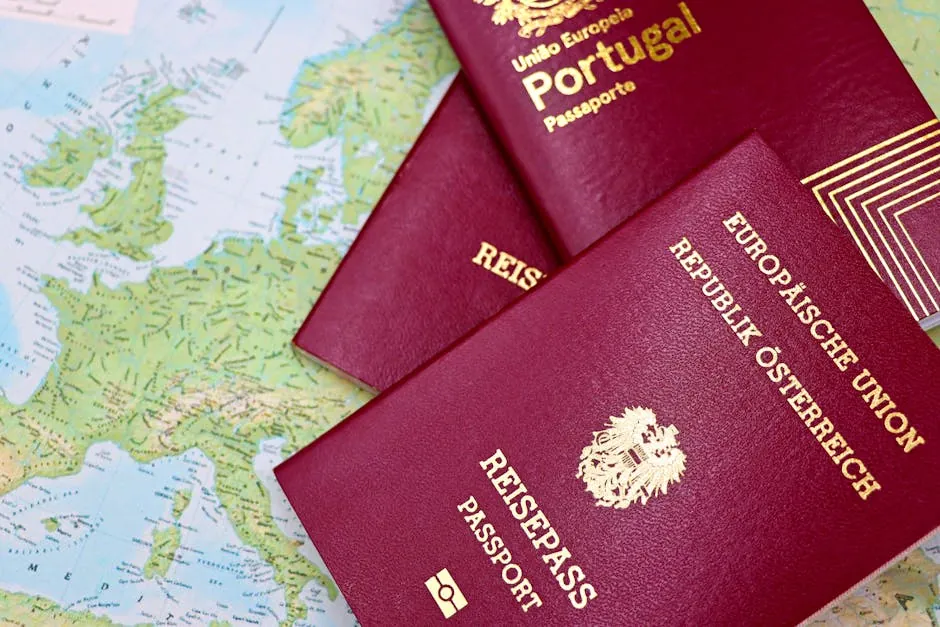
- Apostille on your birth certificate and on your diploma (if you’re aiming for a Work Permit). In most countries this takes 2-4 weeks.
- Notarized translation of your passport into English. Vietnamese clerks ask for it now and then.
- Medical paperwork — vaccination record and translated prescriptions for any chronic medications. Local pharmacies won’t fill a foreign prescription, and how medical care works for foreigners in Vietnam is worth reading before you have to lean on it.
- Pet documents: rabies shot and ICAR chip 30 days out, international vet certificate 7-10 days before flight, English translation. A cat under 8 kg flies in the cabin; a larger dog goes in the hold. The official 7-day airport quarantine is often skipped if your paperwork is clean.

Flights, logistics, and money
Direct flights to Hanoi from Europe and the US run $700-1500 one-way. With one stop you save a lot: Turkish Airlines via Istanbul, Emirates via Dubai, China-based carriers via Beijing or Guangzhou. I flew Turkish for $480 with one stop and 30 kg of luggage.
Money is its own survival school. Many foreign cards work fine, but if you’re coming from a country with banking restrictions (e.g. Russia), Visa/Mastercard from your home bank may not work in Vietnam. Workable backup options:
- A UnionPay card opened in a third country — withdraws cash at Vietcombank and BIDV.
- Cards from Kazakh (Freedom, Kaspi), Armenian, or Georgian banks, opened remotely or during a single visit.
- A Wise account funded in EUR/USD, then pulled out via Revolut or a friendly foreign account.
Bring physical USD or EUR through customs — anything over $5,000 needs to be declared. For your first 3-6 months, keep a real cash cushion: SWIFT lags during your first month, and rent and deposits are paid in cash USD only.

The first two weeks: SIM, apartment, bank
The pace of your first four days sets the tone for everything after. The fixed order:
- SIM card on arrival day. Viettel has the most stable coverage, $3-5/month for unlimited 4G. Buy it with your passport at any shop with the green logo.
- Airbnb for week one. Don’t sign a yearly lease right away. Spend 2-3 weeks in temporary housing while you hunt for long-term through Facebook groups like “Da Nang Expats” or “Ho Chi Minh City Expats”. A studio runs $250-400, a one-bedroom $450-700 in Da Nang. Two months’ deposit plus first month upfront — paid in cash USD or VND.
- Bank account in week two or three. Vietcombank and BIDV often refuse customers without a Work Permit. Techcombank, VPBank, and MBBank are friendlier — bring your passport, DN visa or TRC, and rental contract in your name. It took me three visits across two branches before I got a manager willing to do the paperwork.
Real cost of living in Da Nang
A single expat does fine on $900-1300/month. A family with one child needs $1800-2500 depending on the school. Numbers from my expense tracker:
- One-bedroom 60 m², walking distance from the ocean: $420
- Utilities (electricity, water, 100 Mbps internet): $55
- Groceries — Han Market and Lotte Mart: $250
- Street cafes 3-4 times a week: $120
- Motorbike fuel plus occasional taxi: $35
- Gym, yoga, cafe-as-coworking: $80
- Visa run reserve (quarterly): ~$60/month averaged out
International school starts at $4,500/year for basic programs and easily passes $20,000 for IB programs in Da Nang and Hanoi. That’s the one big variable in any family budget.
Going legal: TRC, work, taxes
You become a Vietnamese tax resident after 183 days in the country over 12 months. Residents pay progressive PIT from 5% to 35%. Non-residents pay a flat 20% on all income from Vietnamese sources.
Classic rookie mistake: living on a DN visa, taking money from foreign clients, and never registering with the tax office. When you apply for a TRC, officers cross-check immigration and tax data — and slap you with back taxes. A local accountant charges $100-200 per quarter and closes that risk completely.

What’s actually the hardest part
Two years in, the toughest part wasn’t the paperwork or the money. The heavy lift is rebuilding your social circle: telling apart who’s here for six months from who’s here for the long haul, building habits that survive rainy season and Tet. What day-to-day life in Vietnam is actually like — the routines, the friction, the small wins — is the part no visa checklist prepares you for. Give yourself nine months before you decide whether Vietnam is “home.” Once the paperwork settles, most people end up carving out a proper trip anyway — our Vietnam routes are worth a look once you’re ready to actually see the country you moved to. Anyone saying “I love it!” after three weeks is either too in love to think straight or already shopping for a return ticket.

Planning your move? Three direct channels:
- Telegram @vietnam_samurai — message me for advice on neighborhoods, routes, and daily-life stuff.
- Telegram visa bot — message us directly with questions about visas, relocation, and Vietnam in general.