A single expat moves to Vietnam comfortably on $900-1300 a month in Da Nang, starting with a 90-day e-visa that costs $25 single-entry. I arrived two summers ago with three flights, one cat, and no contacts on the ground — here’s the actual step-by-step for moving to Vietnam in 2026, with the real numbers I still track in a spreadsheet.

Pick Your Visa First, Everything Else Second
Your visa decides your timeline, your budget, and whether you can open a bank account without tears. Three realistic paths for a long-term move:
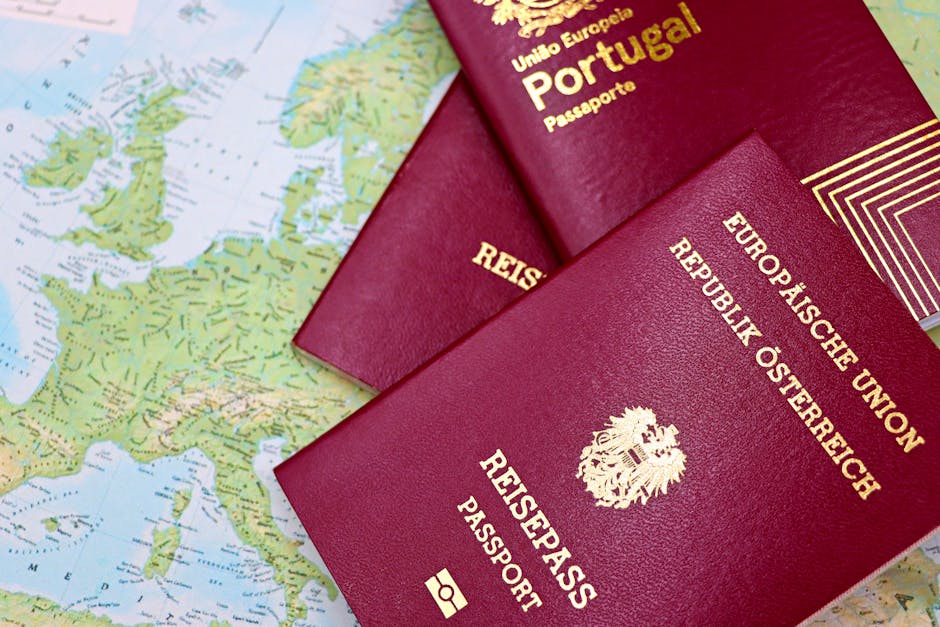
- E-visa, 90 days: $25 single-entry, $50 multiple-entry, applied at evisa.gov.vn. Processing is 3-5 working days. It cannot be extended once you’re in Vietnam — you leave the country (Cambodia or Laos by land) and re-enter on a new one.
- DN visa, 1-3 years: requires an invitation letter from a Vietnamese company. Costs $150-400 through an agency. Lets you apply for a TRC (Temporary Residence Card) and skip the border runs.
- Work Permit + TRC: the clean legal path. Your employer handles the paperwork, you do the Da Nang or Hanoi medical exam plus fingerprints, and 30-45 days later you’re fully legal.
I started on the e-visa, switched to DN after three months, and wish I’d gone straight to Work Permit through a real employer. The DN route has a grey-area reputation — immigration does spot-checks. Get a real job or a real business sponsor.
Before You Fly: The Paperwork List
The stuff you handle at home is cheaper and faster than handling it in Vietnam. My short list:
- Apostille on your birth certificate and university diploma. Needed for Work Permit and for a few bank openings. Takes 2-4 weeks in most countries.
- Certified passport translation into English if your passport is in a non-Latin script. Yes, the Vietnamese officials will occasionally ask for this too.
- Medical records — vaccinations, any chronic prescriptions translated. Vietnam has solid private hospitals but pharmacies won’t fill foreign prescriptions without a local doctor’s sign-off — here’s how healthcare actually works for foreigners in Vietnam once you need more than a pharmacy.
- Pet paperwork: rabies vaccine and ICAR microchip 30 days before flight, international vet health certificate 7-10 days before, and English translation. Cats under 8 kg fly in the cabin on most carriers; dogs usually travel in cargo. Vietnam’s arrival quarantine is officially 7 days but has been waived in practice if papers are clean.

Getting Set Up: SIM, Bank, Apartment
Your first four days shape the next four months. Fixed order:
- SIM card, day one. Viettel has the strongest rural coverage, $3-5/month for unlimited 4G. Buy at any shop showing the green logo, bring your passport. Coverage, not price, is the spec that matters the moment you leave the big cities.
- Apartment search, week one. Don’t lock a year lease yet. Take an Airbnb for 2-3 weeks, then hunt long-term via Facebook groups like “Da Nang Expats” or “Hanoi Expats”. Studios run $250-400, two-bedrooms $450-700 in Da Nang, higher in Hanoi and Ho Chi Minh City. Deposit is typically two months plus first month upfront, in cash dollars or VND.
- Bank account, week two or three. Vietcombank and BIDV tend to reject foreigners without a Work Permit. Techcombank, VPBank, and MBBank are friendlier — bring passport, visa, and lease contract. It took me three branch visits to find a helpful officer.

Monthly Budget: What I Actually Spend in Da Nang
A single expat lives comfortably on $900-1300/month. A family with one child runs $1800-2500 depending on school choice. Real numbers from my spreadsheet:
- Rent (one-bedroom, 60 m², walkable to beach): $420
- Utilities (electric, water, internet 100 Mbps): $55
- Groceries at the wet market and Lotte Mart: $250
- Eating out 3-4 times a week at local places: $120
- Motorbike fuel and occasional taxi: $35
- Gym, yoga, coffee shop coworking: $80
- Visa-run reserve (quarterly): ~$60/month averaged
Kids’ international school tuition starts at $4,500/year for basics and goes past $20,000 for the top IB programs in Da Nang and Hanoi. That’s the single biggest family variable.
Staying Legal: Work Permit, TRC, Taxes
You become a Vietnamese tax resident after 183 days in the country within a 12-month window. Residents pay progressive personal income tax from 5% up to 35%. Non-residents pay a flat 20% on Vietnam-sourced income.
The mistake I see new expats make: living on a DN visa while earning remotely from foreign clients and not registering with the tax authority. When you eventually apply for a TRC, the officers cross-check immigration records against tax filings. Back-taxes plus penalties cost real money. A local accountant charges $100-200 per quarter to keep you clean — pay them, it’s the cheapest insurance.

The Thing Nobody Tells You
Two years in, the hardest part wasn’t the paperwork or the budget. It was the social rebuild — finding a crew, figuring out who’s here for six weeks versus six years, building routines that survive the rainy season and Tet. Give yourself nine months before you decide whether Vietnam is home. Anyone who tells you after three weeks either loves it too much or is already booking a flight out.

Planning your own move to Vietnam? Three direct channels:
- Telegram @vietnam_samurai — message me for routes, neighborhoods, and on-the-ground expat advice.
- Telegram @vietnam_samurai — for help with e-visa, extensions, visa runs, and TRC paperwork.