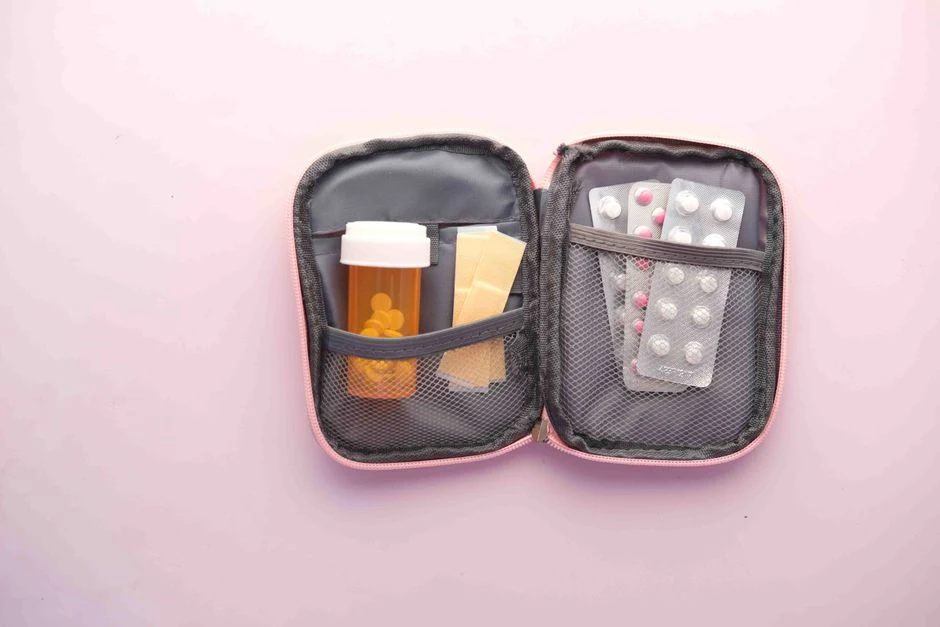
A Vietnamese pharmacy sells most of a travel first aid kit for a few dollars, so I pack only what a pharmacy there cannot safely replace: prescription medicine with paperwork and a repellent I already trust. Paracetamol, oral rehydration salts and antihistamines cost between $0.1 and $1.2 a pack on the spot.
The import limits below come from the Vietnamese embassy, the dengue and counterfeit warnings from the US CDC and the UK Foreign Office, and the prices from two 2026 pharmacy guides. Treat the prices as a guide, because every pharmacy sets its own.
What medicine is cheap in Vietnamese pharmacies?
Basic medicine for fever, dehydration and allergies costs from $0.1 to $4 a pack in Vietnam. These are 2026 guide prices, converted at roughly 26,000 dong to $1, so a given shop can charge more or less. Here is the short list of the main items, so you can decide which ones are worth carrying from home at all.
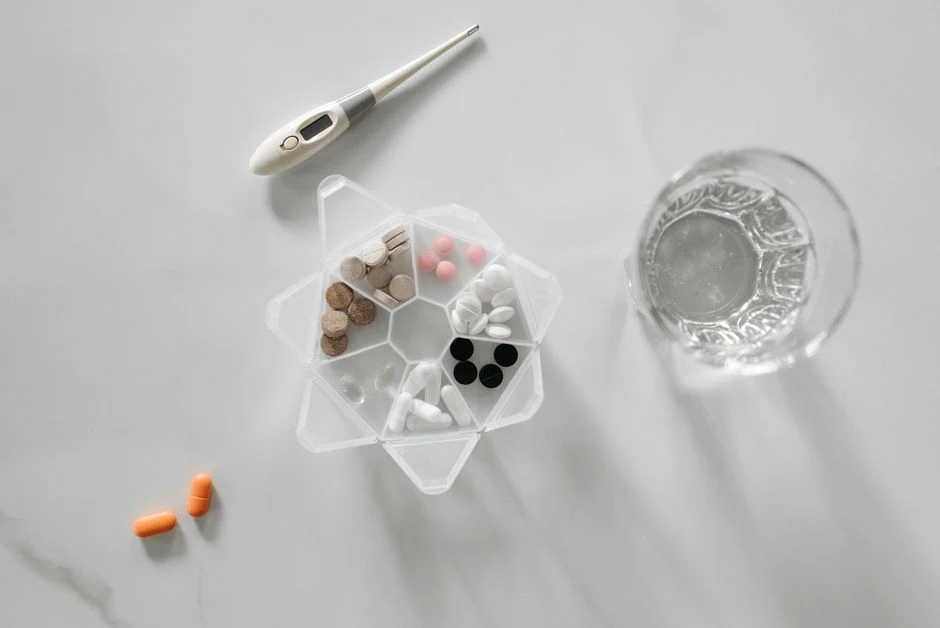
- Paracetamol: $0.2 to $1.2 a pack (5,000 to 30,000 dong).
- Oral rehydration salts, sold as Oresol: $0.1 to $0.3 a sachet (3,000 to 8,000 dong).
- Cetirizine for allergies: from $0.4 (from 10,000 dong).
- Loperamide for diarrhoea: $1 to $1.7 a blister strip (25,000 to 45,000 dong).
- Smecta: $1.7 to $3.9 a box (45,000 to 100,000 dong).
- Insect repellent: $1.2 to $5.8 depending on the brand (30,000 to 150,000 dong).
Buying these at the destination saves luggage space, and a fresh pack is better than a half-used strip that has been through a hot suitcase.
Which pharmacy chain should you use?
Buy at a chain pharmacy. Long Chau is the largest chain in the country, Pharmacity operates mostly in Ho Chi Minh City, and An Khang is a third option. The mistake I watch for is a box grabbed at the nearest corner shop because it is a few steps closer. Chains label their packaging and post prices, so a counterfeit is less likely to reach the shelf.
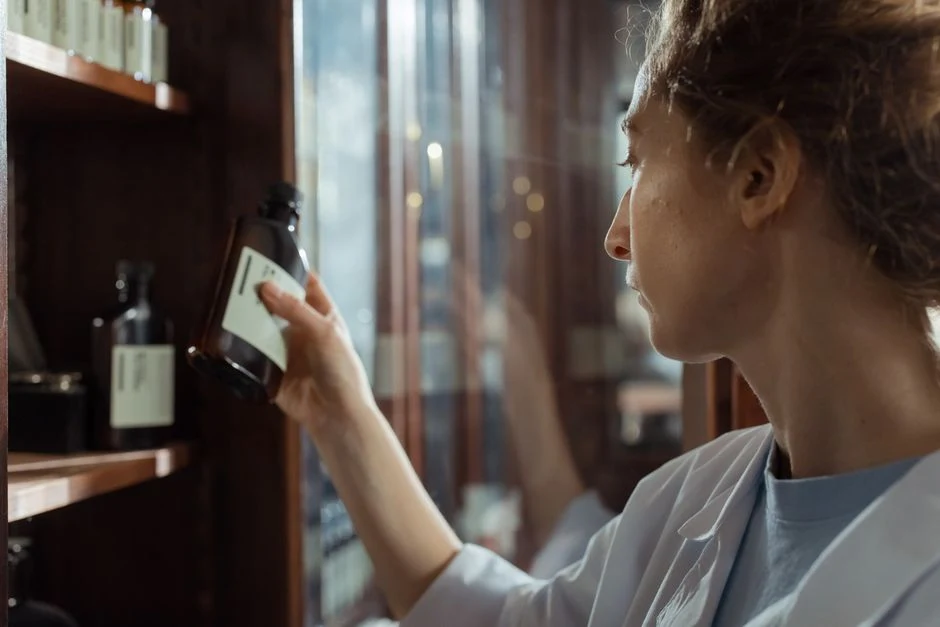
The warning matters. The UK Foreign Office says many medicines in Vietnam are fake, and the CDC says both prescription and over-the-counter products can be poor quality or counterfeit. Before paying, check the expiry date and the dose on the box.
What should you pack from home?
Pack your regular prescription medicine for the whole trip plus extra days in case a flight is delayed, a card in Vietnamese with your blood group, chronic conditions, allergies and the international names of your drugs, and a repellent you already know suits your skin (20% DEET or picaridin).
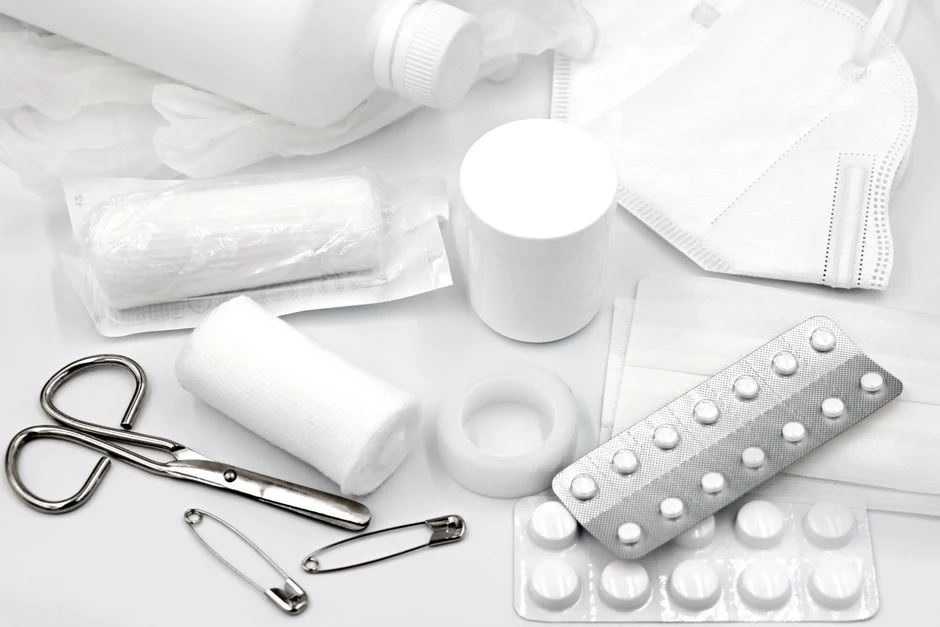
The rest of a basic kit follows the lists from the Vietnam tourism board and OneTwoTrip:
- antihistamine tablets and a soothing cream for bites;
- paracetamol or another fever and pain reliever;
- rehydration salts and an adsorbent;
- chlorhexidine or hydrogen peroxide, plasters and a bandage;
- sunscreen you can reapply during the day.
Almost everything on that list is sold in Vietnam too, so I carry only the version that has already worked for me.
Can you bring codeine, tramadol or other controlled medicine?
Opioid painkillers such as codeine and tramadol can enter Vietnam for no more than 7 days of treatment, and psychotropic drugs for no more than 10 days, with both declared to customs. The Vietnamese embassy in Australia publishes these limits, and the current rules apply from 1 July 2025.
Keep the medicine in its original box showing the name, active ingredient, dose and expiry date. Carry a prescription with your name, age, the drug, the dose, the amount or number of days, and the doctor’s signature and clinic address. The UK Foreign Office also suggests a doctor’s letter in English. Put everything in your hand luggage. If the course is longer than the limit, declare it at the airport with a doctor’s note and your itinerary, because customs decides each case. Asking a Vietnamese hospital or the embassy before you fly saves an argument at the desk.
Can you buy antibiotics without a prescription?
Not reliably. Antibiotics are prescription-only in Vietnam on paper, chains such as Long Chau and Pharmacity ask for a prescription more often, and small independent pharmacies may still sell a pack by name. Enforcement is getting stricter, so I would not plan on buying one without seeing a doctor.
The harder part is language. Outside the resorts, few pharmacists speak English, and a translation app tends to garble dosages, and a wrong dose costs more than any saving. If you travel on a ready-made Samurai route , a guide who lives in Vietnam can talk to the pharmacy or the clinic for you. Tell me your dates and I will say which programme fits: message me on Telegram.
How do you avoid dengue in Vietnam?
There is no dengue vaccine for tourists, so protection means repellent, covered arms and legs, and mosquito nets. The CDC recommends repellent with at least 20% DEET or picaridin. Of those three measures, repellent is the one I rely on most, because it still works on an evening walk, when a net does not.
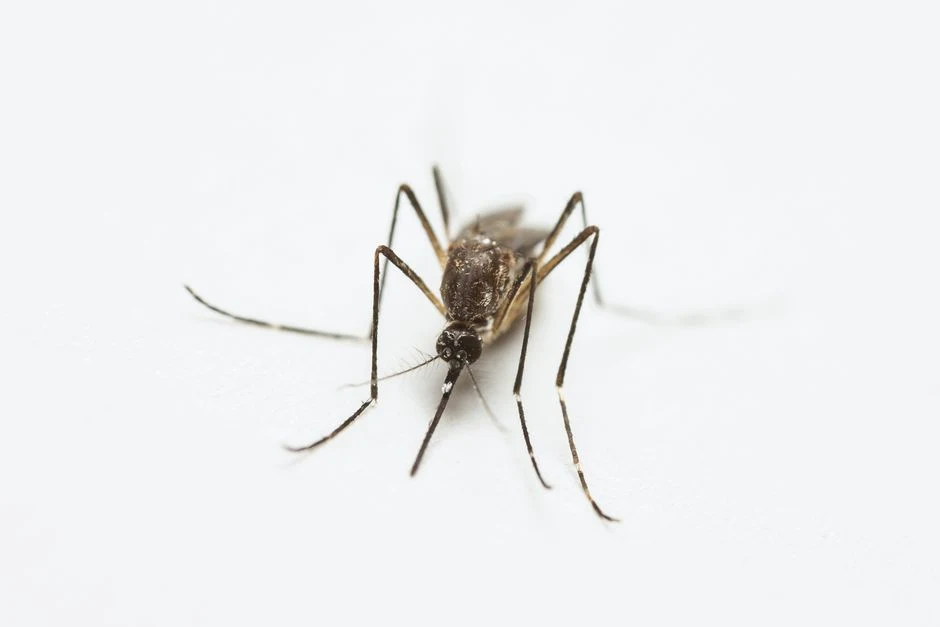
Dengue is present all year, but it rises in the rainy season from May to November, mostly in the south around Ho Chi Minh City and the Mekong Delta.
If you get a fever, do not treat it at home. Doctors at the Hanoi hospital for tropical diseases advise a test at a medical facility, because dengue can cause shock before any bleeding shows. For two to three weeks after you return, watch for sudden fever, rash, severe headache, pain behind the eyes and muscle or joint pain. The healthcare guide for foreigners covers hospitals and costs in more detail, and the street food guide helps with stomach trouble.
Which clinic and what insurance do you need?
Tourists are served by the international clinics Vinmec and FV Hospital in Ho Chi Minh City, and by Family Medical Practice in Ho Chi Minh City, Hanoi and Da Nang. Your policy must cover treatment, air medical evacuation and repatriation, because an embassy does not pay medical bills. When a clinic admits you, contact your insurer straight away. Direct billing differs by insurer, so read the terms before you fly.

What should you choose: pack it or buy it there?
Pack your regular prescription medicine with paperwork, the card with international drug names and a repellent you trust. Buy fever, rehydration, allergy and stomach medicine in a chain pharmacy on arrival. Do not count on antibiotics without a doctor, take a dengue test for any fever, and check that your insurance includes evacuation.
| Item | Pack or buy | Watch for |
|---|---|---|
| Regular prescription drugs | Pack | Original box, prescription, spare days |
| Codeine, tramadol, psychotropics | Pack, with documents | Day limit and customs declaration |
| Paracetamol | Buy | Chain pharmacies, expiry date |
| Rehydration salts | Buy | Oresol sachets |
| Antihistamines | Buy or pack | Cetirizine is on every chain shelf |
| Repellent | Buy or pack | At least 20% DEET or picaridin |
| Antibiotics | Doctor only | Prescription from a clinic |
A first aid kit takes one evening to assemble from this list. Falling ill somewhere the signs and leaflets are only in Vietnamese, hours from a decent clinic, is a worse problem than the kit. With a guide next to you, that day goes more calmly. If you are choosing a route, send me your travel dates and I will tell you which of our trips fits.
Frequently asked questions
What is the emergency number in Vietnam?
The ambulance number in Vietnam is 115. Save it in your phone next to your insurer’s number, so you can call both without searching.
Is tap water safe to drink in Vietnam?
No. Vietnam.travel and Vinmec hospital advise bottled water. For diarrhoea use rehydration salts, and see a doctor if it drags on.
How early should I see a doctor about vaccines?
The list depends on your route, age and vaccine history, so a doctor sets it. Vinmec suggests going 4 to 6 weeks before departure and the UK Foreign Office suggests 8 weeks.
Do pharmacies in Vietnam open at night?
Large chains close around 10 pm or 11 pm. Keep paracetamol and rehydration salts in your room for the night, so you are not hunting for an open shop.
How do I explain what I need if the pharmacist speaks no English?
Show the international drug name and the dose in Latin letters on your phone screen, ideally with a photo of the box. A card listing your regular medicine makes the exchange quicker.