
You have two realistic options for a one-week Vietnam trip: Central Vietnam (Da Nang, Hoi An, Hue) or the North (Hanoi, Ha Long Bay, Ninh Binh). Trying to combine both in 7 days means losing 2-3 days to domestic flights and check-ins instead of sightseeing. If you’d rather skip the planning and get a route built around your actual dates, that’s literally what I do for work - but here’s the decision framework I use myself first.
I’ve been based in Da Nang for three years, and friends (or their parents) fly in “for a week to see Vietnam” almost every month. I’ve rebuilt this itinerary a dozen times, and the logic below is what actually survives contact with 7 real days on the ground.
Central Vietnam or Northern Vietnam: Which One-Week Route Fits You?
Pick Central Vietnam if you want a beach, an ancient trading town, and imperial history within short transfers of each other. Da Nang-Hoi An-Hue stays warm from roughly March through August, with the least rain of the year, and getting between all three towns takes under an hour and a half each time - see how Hoi An, Hue, and Da Nang compare if you’re still picking a base.
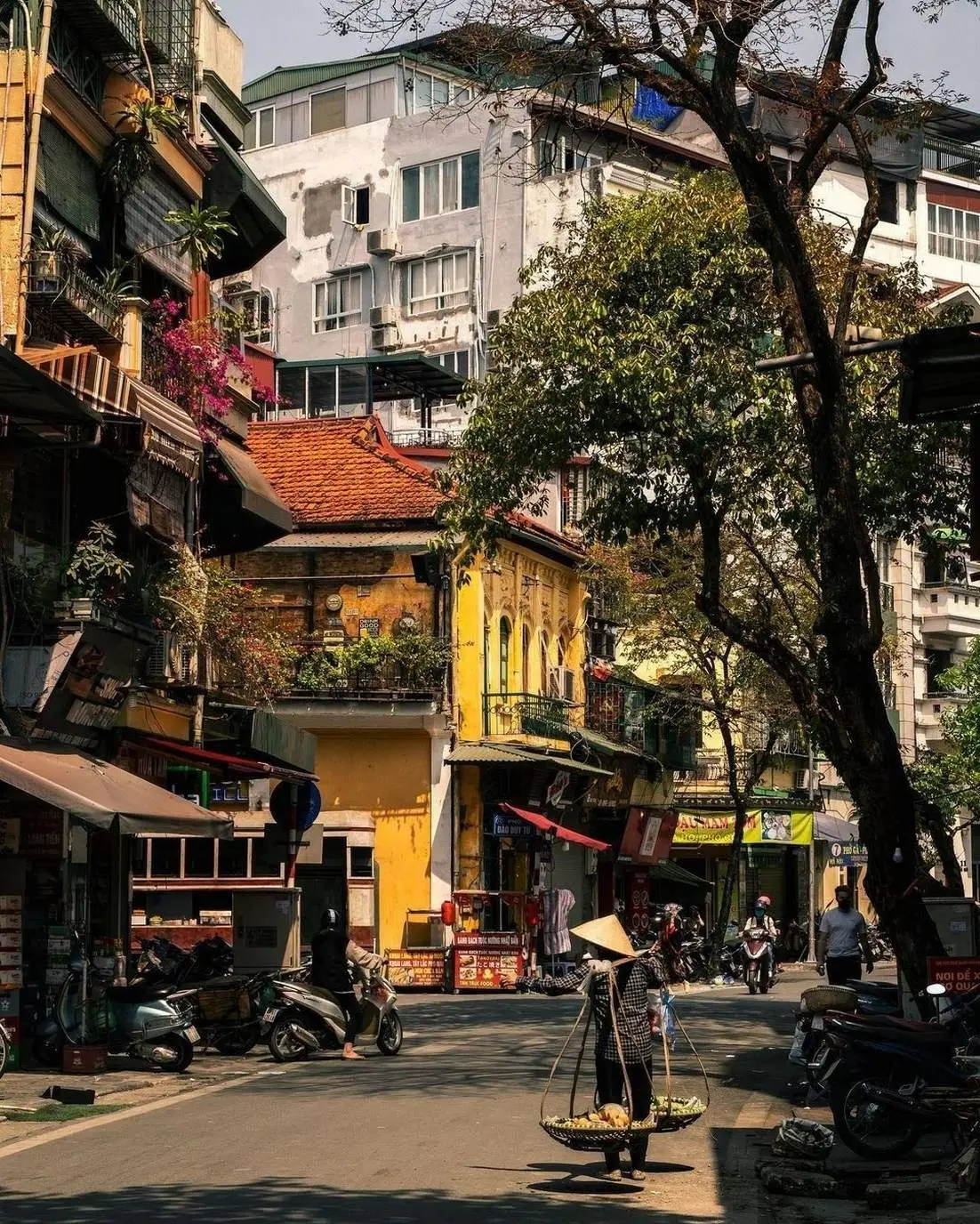
Pick Northern Vietnam if a boat cruise and limestone karst scenery beat lying on a beach for you. Hanoi-Ha Long Bay-Ninh Binh is at its best from September through November, and the one piece to lock in early is a Ha Long Bay cruise () - the good cabins go 2-3 weeks out once the season picks up. It’s roughly the same backbone as our own 7-day North Vietnam route , timed for that same window.

How Far Can You Realistically Get in Vietnam in 7 Days?
An overnight bus between regions runs 9-14 hours, and even flying cuts it to 1.5-2 hours plus airport time on both ends - Vietnam runs roughly 1,700 km top to bottom, longer than it looks on a map. That leaves room for one regional base and maybe a single day trip beyond it on a 7-day trip, not a tour through three separate corners of the country.
I’ve watched this go wrong on friends who insisted on Hanoi, Da Nang, and Ho Chi Minh City in one week: three of the seven days disappeared into transit and check-in, and the first evening in each new city was spent asleep, not exploring.
How Do You Plan a One-Week Vietnam Itinerary, Step by Step?
- Pick ONE region - don’t try to combine two in a single week.
- Book your flight into that region’s main airport: Da Nang, Hanoi, or Ho Chi Minh City.
- Base yourself in one city for 3-4 nights, with one or two day trips from there.
- Leave one day completely unplanned - weather or fatigue eats a day somewhere, every time.
- Apply for your e-visa in advance at the official portal evisa.gov.vn : $25 single-entry, $50 multiple-entry, about 3 business days to process.
- Between cities inside your region, book a private taxi transfer instead of a public bus - on 1-1.5 hour legs the price difference is small, but how you feel the next morning is not.
Building this yourself is doable, but it usually eats a few evenings: checking season overlap, flight connections, and whether a 3-hour side trip is actually worth the day it costs. For friends flying in through me, I just hand them a route built around their exact dates - LIGHT, FULL, or VIP depending on pace - and they skip the piecemeal booking entirely: I put routes together around your dates .
What Should You Skip When You Only Have a Week in Vietnam?
Skip anything that adds a domestic flight or an overnight transfer on top of your one base region. A beach add-on to Nha Trang or Phu Quoc costs you a full travel day each way. A Sapa trek from Hanoi runs 5-6 hours each way, which alone eats two of your seven days. Combining North and Central in the same week turns a relaxed trip into a transit marathon - I’d rather see friends spend those extra days actually sitting in Hoi An’s Old Town than staring out a bus window.

If you’d rather not build this yourself, message me on Telegram and I’ll tell you honestly what fits your dates and what doesn’t - LIGHT, FULL, or VIP depending on pace.