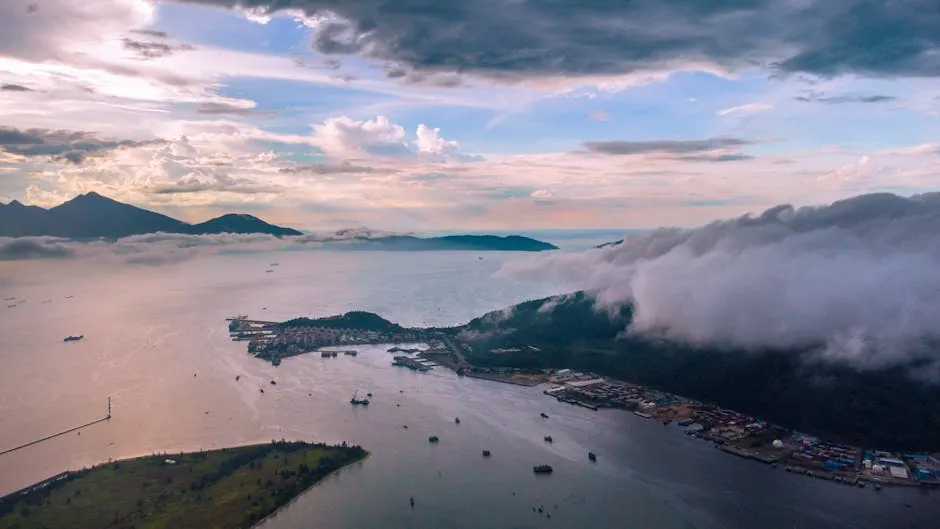
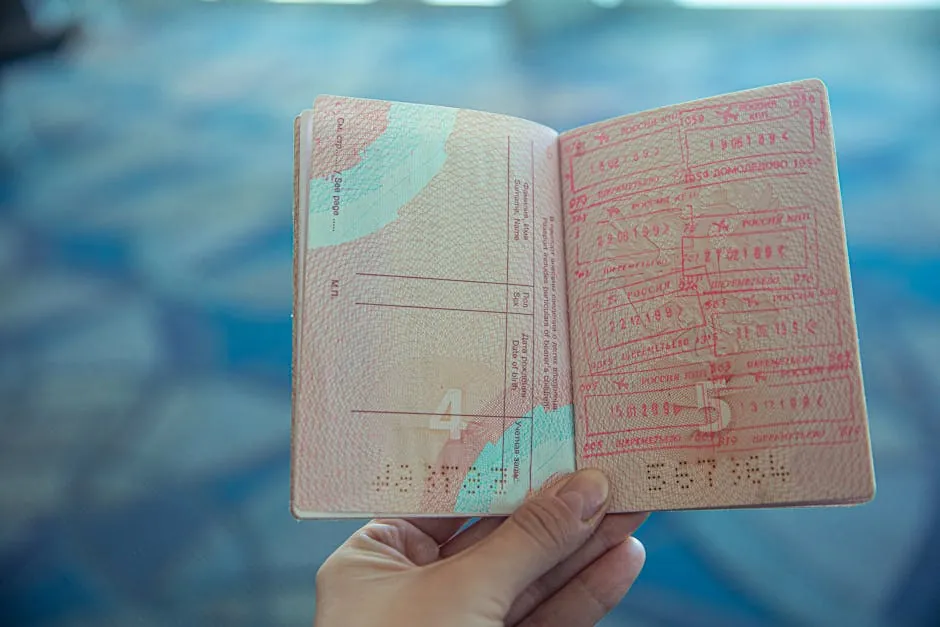
Living in Vietnam runs $500-1100 per month for most expats — depending on the city and your lifestyle. I’ve been in Da Nang for 6 years and every season I answer the same questions from people thinking about moving here. I’ve put it all in one place.

Visas: how long you can actually stay
The basic tool is a 90-day e-visa through the official portal evisa.gov.vn . You apply online, it takes 3 business days, costs $25, and works at any airport or land border. Most passports get approved without issues.
When the 90 days run out, you have three paths:
- Extend the e-visa for another 90 days — through the same portal, without leaving the country. That’s up to 180 days without crossing a border. More on the process in our guide on how to extend your visa from inside Vietnam .
- Visa run — fly to Cambodia or Laos, apply for a fresh e-visa, fly back. Takes 1-2 days, costs $90-180 including transport and the new visa.
- Residency (TRC) — through a company sponsor or work permit. There’s no direct path for freelancers yet. Most expats live on visa-run rotation.
Can you do visa runs forever? Officially, there’s no limit. But if you’re crossing every 3 months for years on end, border officers may start asking for documents proving why you’re actually in the country.

What it actually costs to live in Vietnam
Da Nang is the most popular starting point for foreign expats. Cheaper than Saigon, with the beach right there, and a milder climate than Hanoi.

My real numbers for 2026:
- One-bedroom rental with AC and hot water — $350-500/month in a decent neighborhood
- Food — $5-10/day if you don’t restrict yourself to European places. Local cafes are phenomenally good and cheap
- Transport — motorbike rental $50-80/month, Grab (the local Uber) $20-40/month
- Health insurance — $40-100/month (international plan with Vietnam coverage)
Comfortable budget — $700-1100/month with entertainment. Bare-bones starts at $500. For a city-by-city cost comparison see our breakdown of Da Nang vs Saigon vs Nha Trang .

The gap between reading these numbers and actually landing in Da Nang is where most people freeze. This is the part I usually help with: sorting temporary housing for your first two weeks, a SIM and a Grab account on day one, and someone to call when something goes sideways. Message me on Telegram and I’ll walk you through the first steps.
Money and getting paid from abroad
This is the biggest pain point and it depends heavily on your home country. SWIFT works fine from most of the EU, US, UK, and Australia — banks here will receive USD wires in 2-5 days. The catch is on the receiving side: Vietnamese banks ask for proof-of-purpose paperwork on incoming wires above ~$5,000.
The patterns most expats use:
- Wise / Revolut — funds an EUR or USD account that you can then transfer to a local Vietnamese bank or withdraw via ATM. Works for most Western passports.
- Crypto on/off-ramps — USDT through Binance P2P, then swap to dong or USD with a local exchanger. Most common workaround if traditional banking is blocked from your home country (this is what most Russians use, since SWIFT from Russia is unstable).
- Third-country card — a debit card from Armenia, Kazakhstan, Thailand, or Georgia, used at Vietnamese ATMs. Useful as a backup.
- Cash on arrival — up to $5,000 without declaration.
For a detailed look at fees see our piece on moving money in and out of Vietnam .
A bank account at BIDV or VietinBank can be opened with an e-visa and proof of address. Takes 1-3 hours.

Daily life: internet, SIM card, housing
Internet is 50-100 Mbps in most apartments and usually included in rent. In 6 years I haven’t hit a serious outage.
You buy a SIM (Viettel or Vietnamobile) at the airport for $5-15 right after landing. 4G is solid. You don’t need a VPN for normal life.
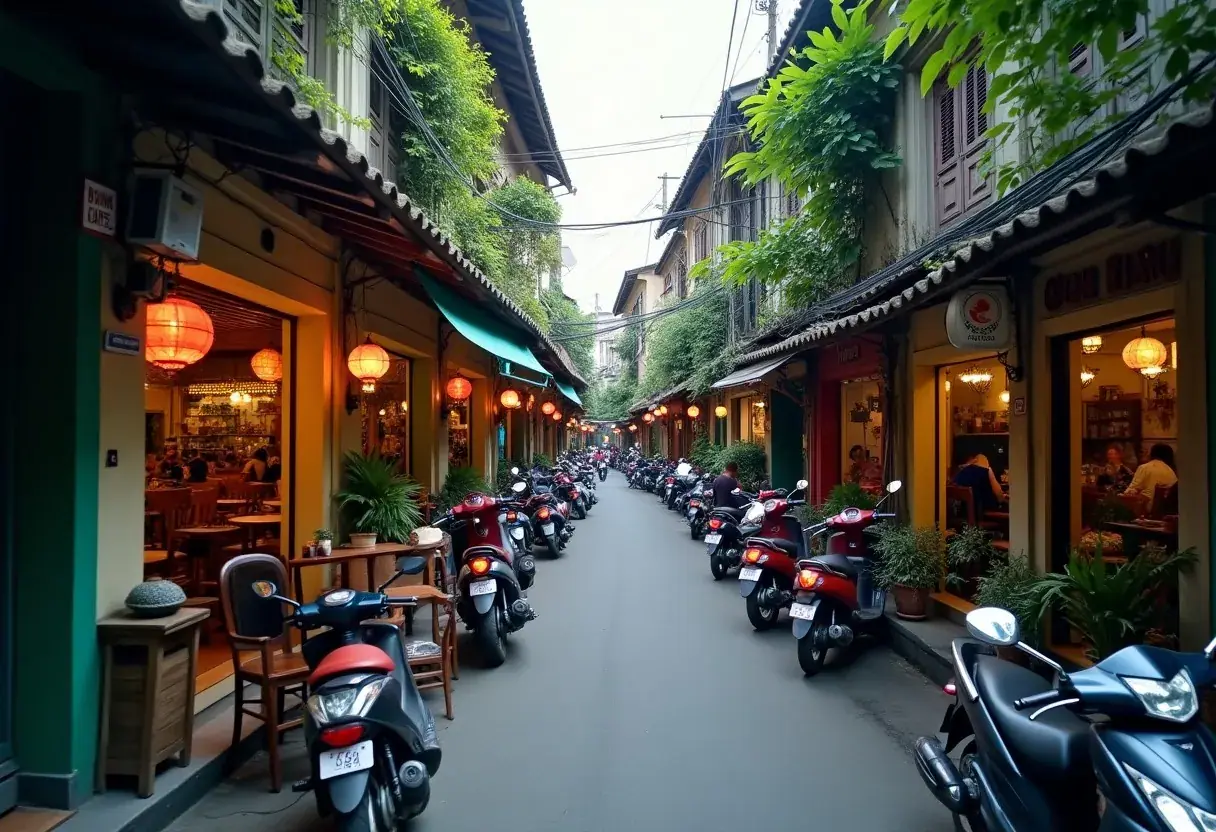
Housing is easiest to find through Facebook groups — search “Da Nang Expats Rentals” or “Vietnam Expats Housing”. Most foreigners settle in My Khe (the beach district) or central Hai Chau.
Once the SIM and the apartment are sorted, the questions that linger are the timing ones — when to renew, which rental groups aren’t scams, who to actually trust. I’ve lived this for six years, so I can point you to the housing groups locals really use and flag the logistics worth planning early.
Step-by-step: how to start living in Vietnam
- Apply for an e-visa at evisa.gov.vn — 3 days before your flight, $25, takes 20 minutes to fill out
- Book temporary housing for the first 2 weeks on Booking — you’ll find long-term rentals cheaper once you’re on the ground
- Buy a SIM card at the airport on arrival — Viettel has a counter in the arrivals hall
- Open a bank account at BIDV in your first two weeks — needed to live without ATM fees
- Find permanent housing via Facebook groups — 20-40% cheaper than long-term Airbnb
- Set up a money channel — international card, Wise, or USDT P2P depending on your home country — best done before you leave
Vietnam is one of the few places where foreigners can live comfortably without a lot of friction. Visas work, money gets here, housing is affordable. The scary part is only the first time. Once you’re settled, it’s also worth actually seeing the country beyond your own neighborhood — our Vietnam tour routes are how most expats I know finally get to Ha Giang or Phu Quoc instead of talking about it for a year.

If you have questions, reach out:
- Telegram @vietnam_samurai — for questions about e-visas, extensions, and visa runs