Hue’s Imperial City deserves a full morning, not a rushed hour between bus stops - it’s the one stop on the Hanoi-to-Saigon route where slowing down actually pays off. If you’re the type who likes doing everything solo, there’s a decent case for handing this one to a local guide instead - I’ll get to why.
A capital built from nothing
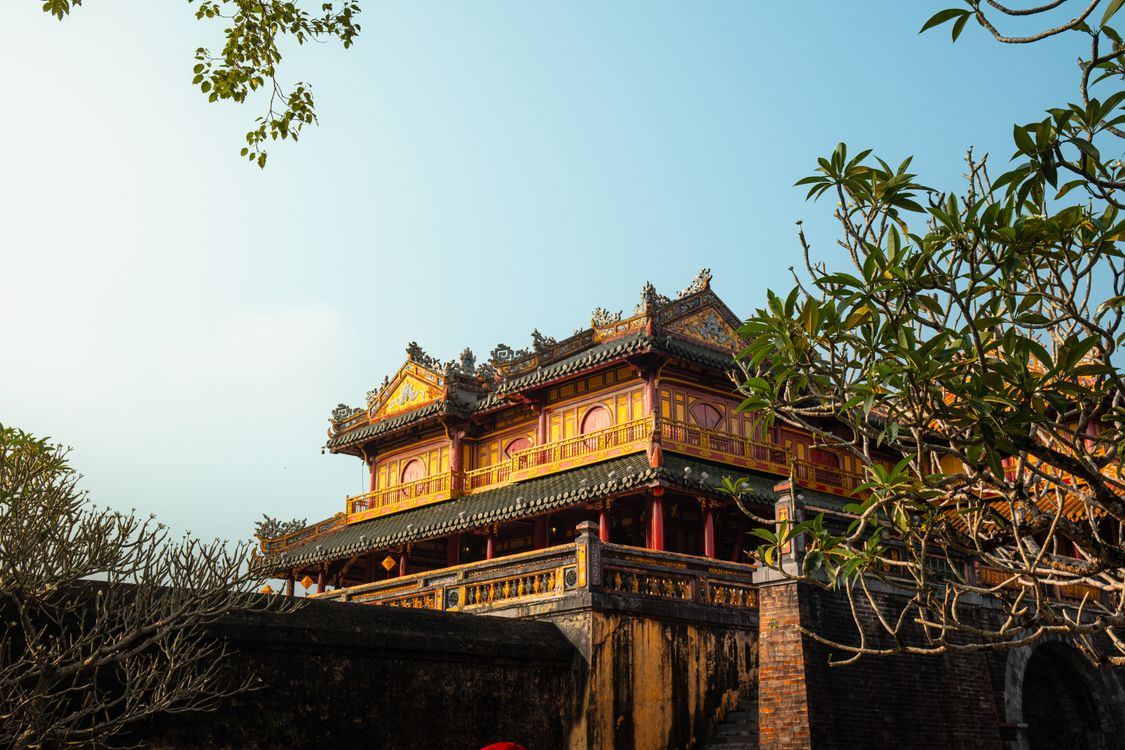
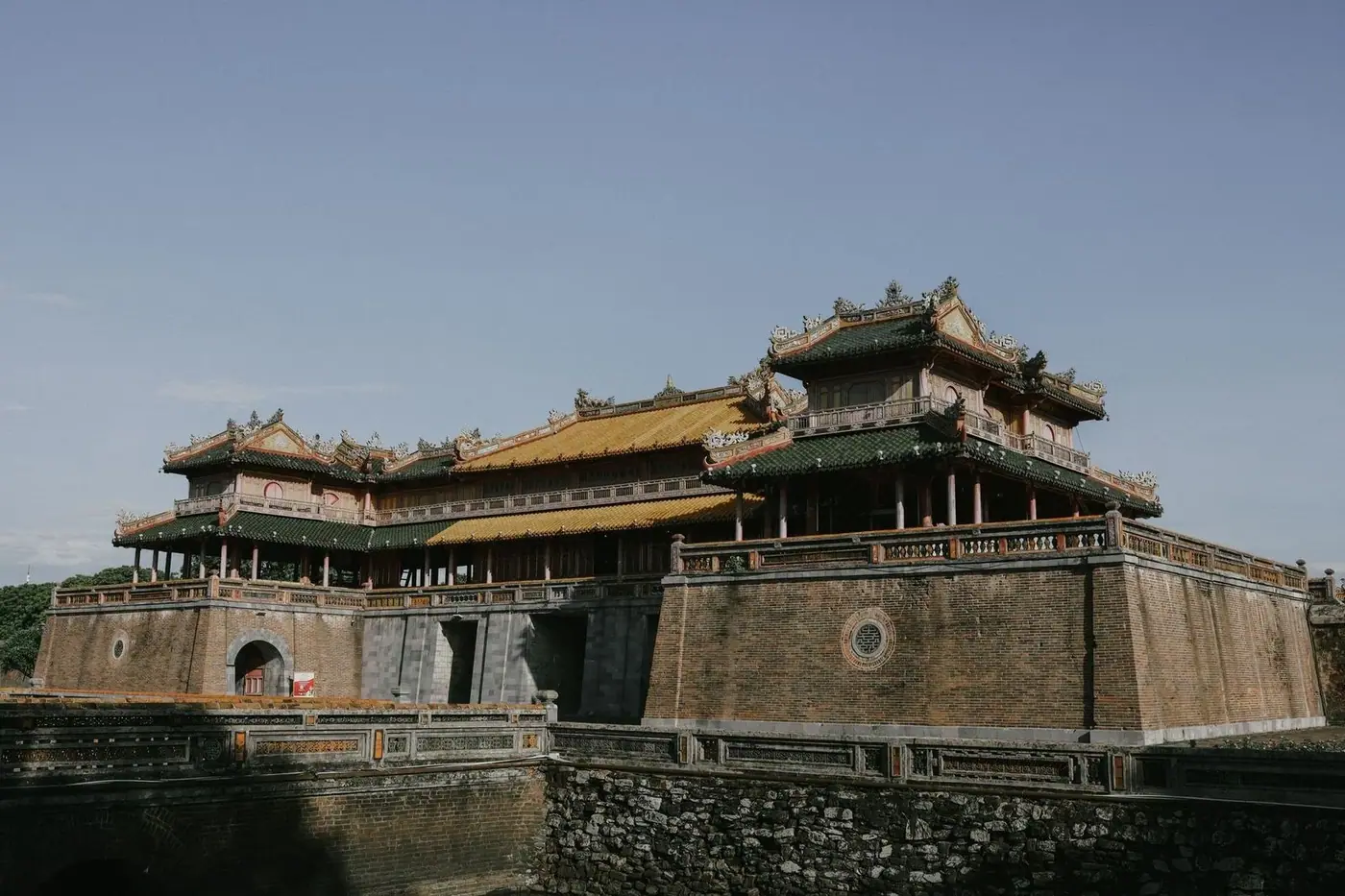
Hue only became the seat of power in 1802, when Nguyen Anh unified Vietnam after a century of civil war and started building his citadel the following year. The design borrowed heavily from Beijing’s Forbidden City, filtered through Vietnamese style. The last Nguyen emperor stayed in residence until 1945, when French colonial authorities forced his abdication - you can still see photos of that moment inside the pavilion above the main gate. War with the French, then the Americans, left the site in ruins: out of roughly 160 original structures, only about 10 survived intact. UNESCO listed the complex in 1993, and restoration has been ongoing ever since - some buildings are still scaffolded.
Is the guide worth ten dollars?
Information boards inside are sparse, so walking through alone means a lot of “nice building, no idea what it was for.” Local guides through platforms like GuruWalk work on a tip basis - usually a $10 minimum per person, more if the group is small and the guide is good. Our tour was booked for three hours and ran well past that because the guide kept finding things to explain. The trade-off: you’re locked into someone else’s pace, and a handful of guides just point at buildings instead of actually narrating. Check reviews before booking, not after.
The sights that actually need context
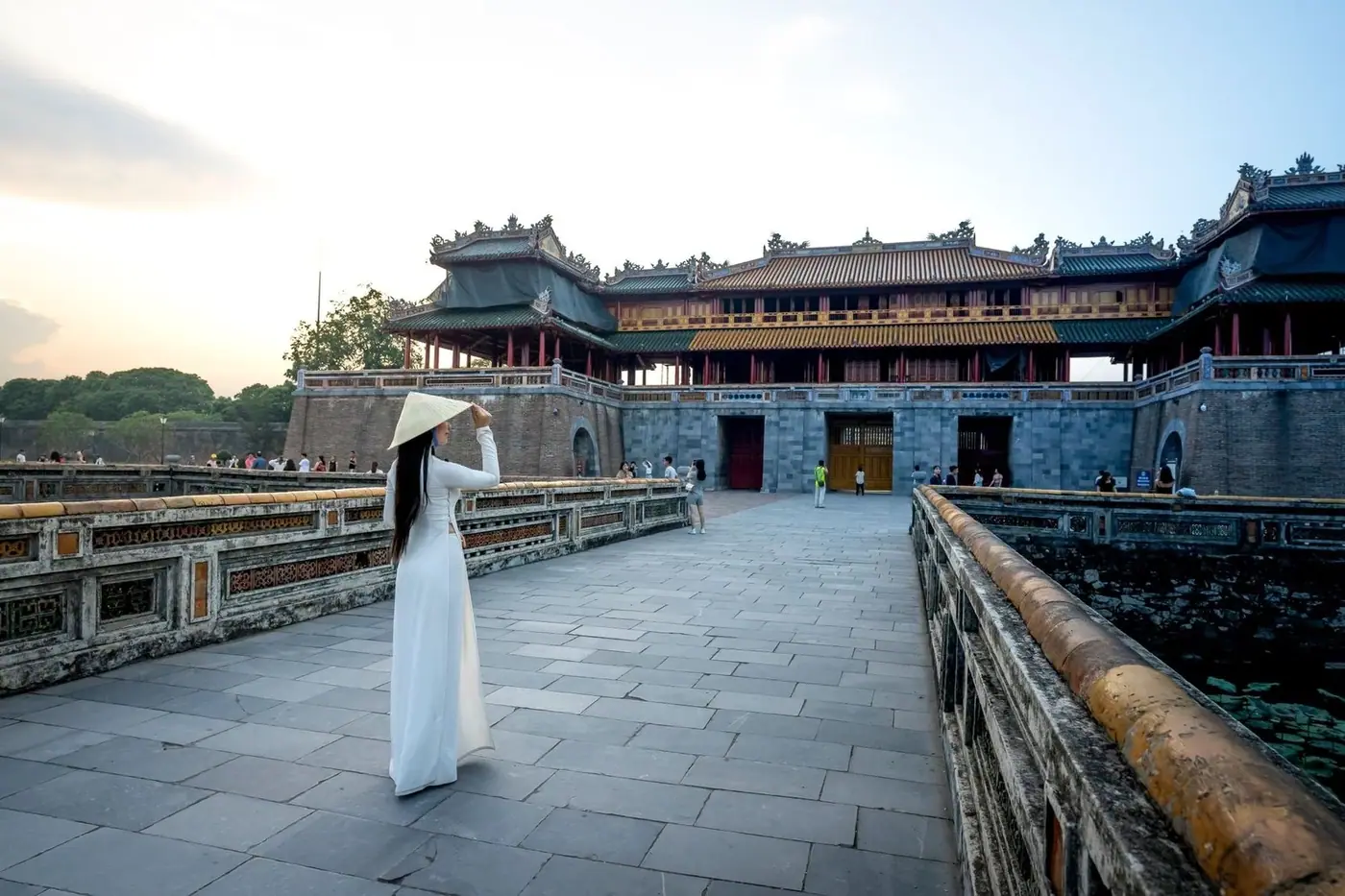
Ngo Mon Gate is the main entrance - five doorways topped by a ceremonial pavilion where the last emperor abdicated. Inside, Thai Hoa Palace was the throne room for state ceremonies, all lacquer and gold. The Forbidden Purple City was the emperor’s private residence, off-limits to everyone but a handful of servants - heavily damaged in the wars, partially restored. The Nine Dynastic Urns, cast in 1835, took master craftsmen a full year of carving each - nine is a sacred number here, one urn per emperor. Show up by 8:30am and you’ll catch the Changing of the Guard at the main entrance, which is worth building the rest of your morning around.
How big is this place, really
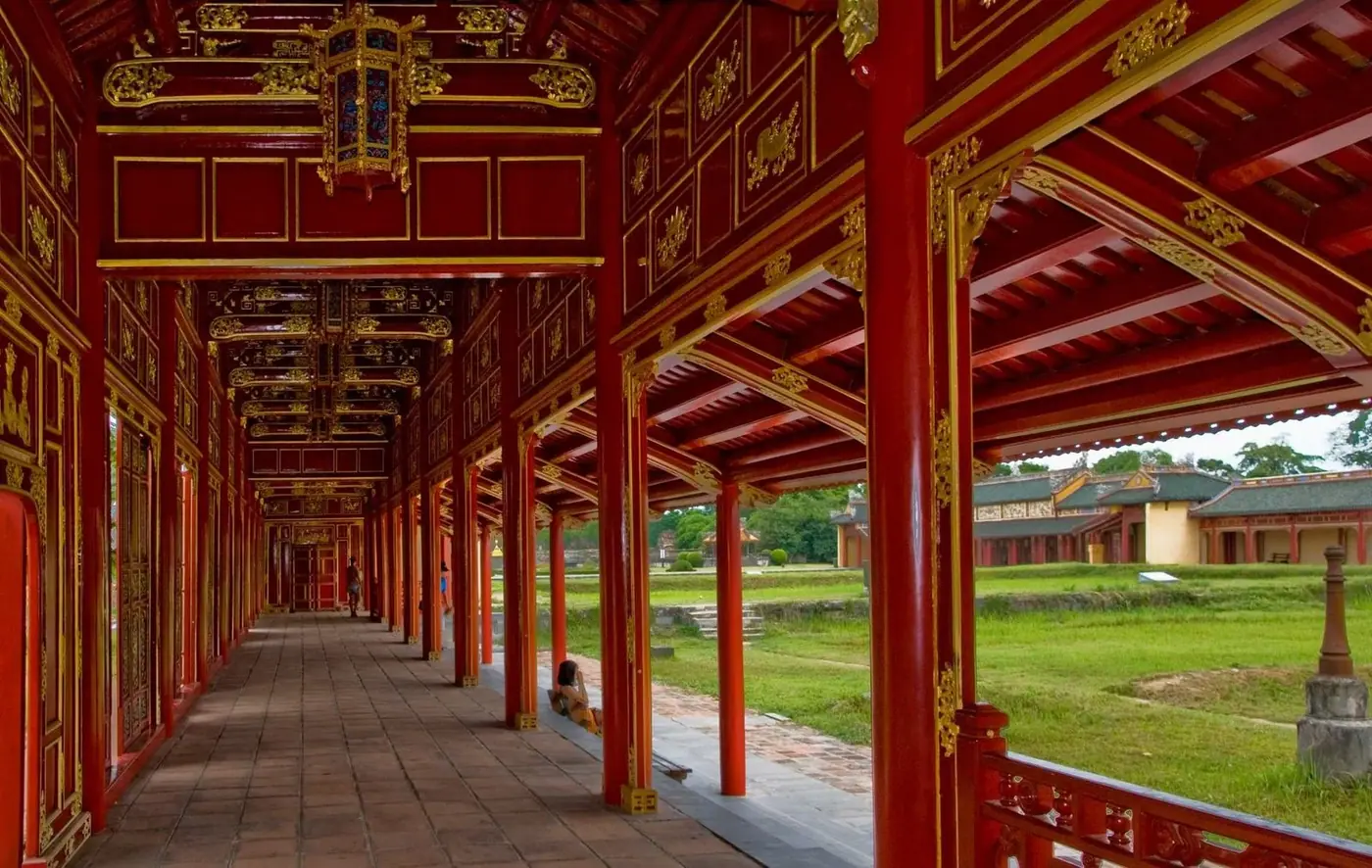
The citadel walls run 2 kilometers on every side, surrounded by a moat, enclosing the imperial residence, the palace complex, and the Forbidden Purple City plus whatever’s left of the old administrative buildings. Plan on at least half a day to see it properly, and accept upfront that you won’t cover everything - pick the handful of sites above and skip the rest rather than rushing all of it. There’s also a working Royal Theatre inside, one of the oldest in the country, still hosting traditional music performances - easy to miss if nobody points it out, which is another argument for going with someone who knows the site.
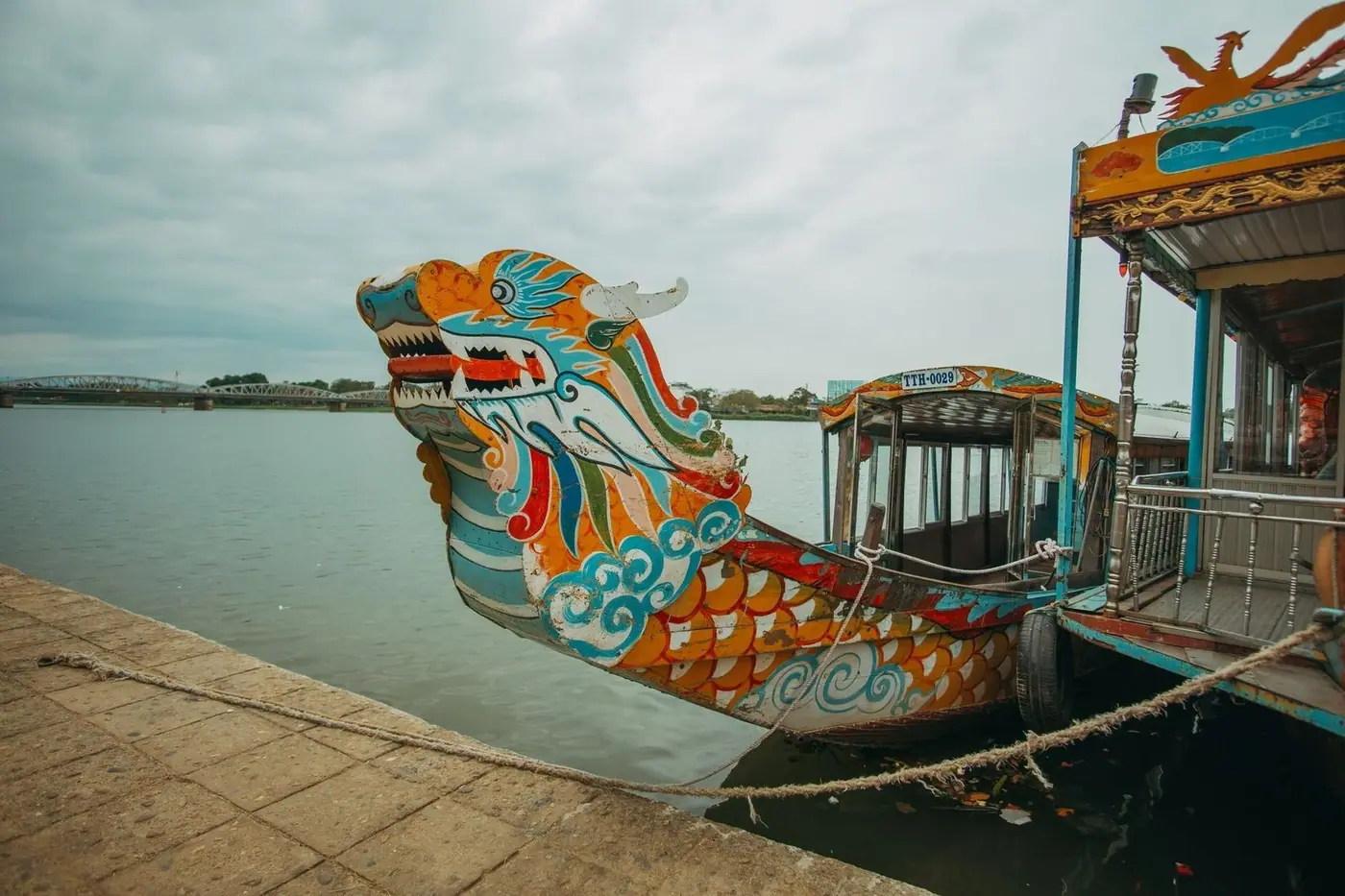
If dragging around logistics for a group isn’t your idea of a vacation, that’s the part our team at Vietnam Samurai Tour usually handles - we build Hue into a multi-day route with a guide who’s actually good, not the first person waving a lanyard at the gate. All we need from you is rough dates and group size.
What it actually costs
Bring cash - the ticket booth doesn’t take cards and there’s no online option at the gate itself. An audio guide runs about 150,000 VND if you’d rather skip a human guide; you can rent it for either a 4-hour or 6-hour block. If you’re also planning to see the royal tombs outside town , combo tickets work out cheaper than buying separately - the booth will walk you through the options once you’re there.
Packing for a half-day inside
We visited in February and it was brutally hot with almost no shade - bring water, a hat, and sunscreen. The temples inside require covered shoulders and knees, so skip the shorts even if it’s 35 degrees outside. Comfortable shoes matter more than you’d think; you’ll spend more time meandering and standing than actually walking fast. Grab is the easiest way to get there from most hotels in town, or walk it if you don’t mind crossing the Perfume River on foot first.
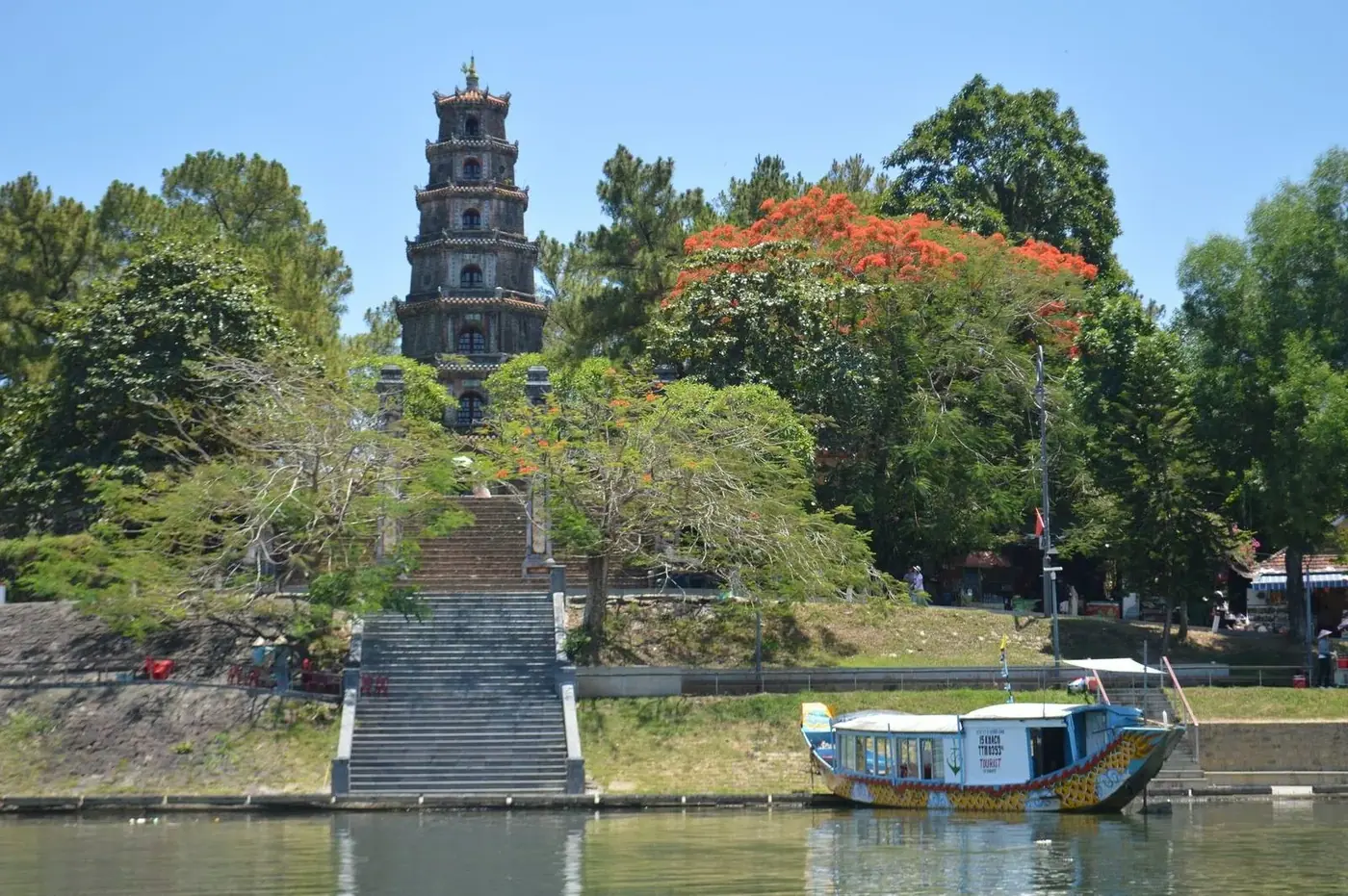
If figuring out guides and logistics on your own sounds like more hassle than it’s worth, message us on Telegram - tell us your dates and we’ll slot Hue into a route that actually makes sense.