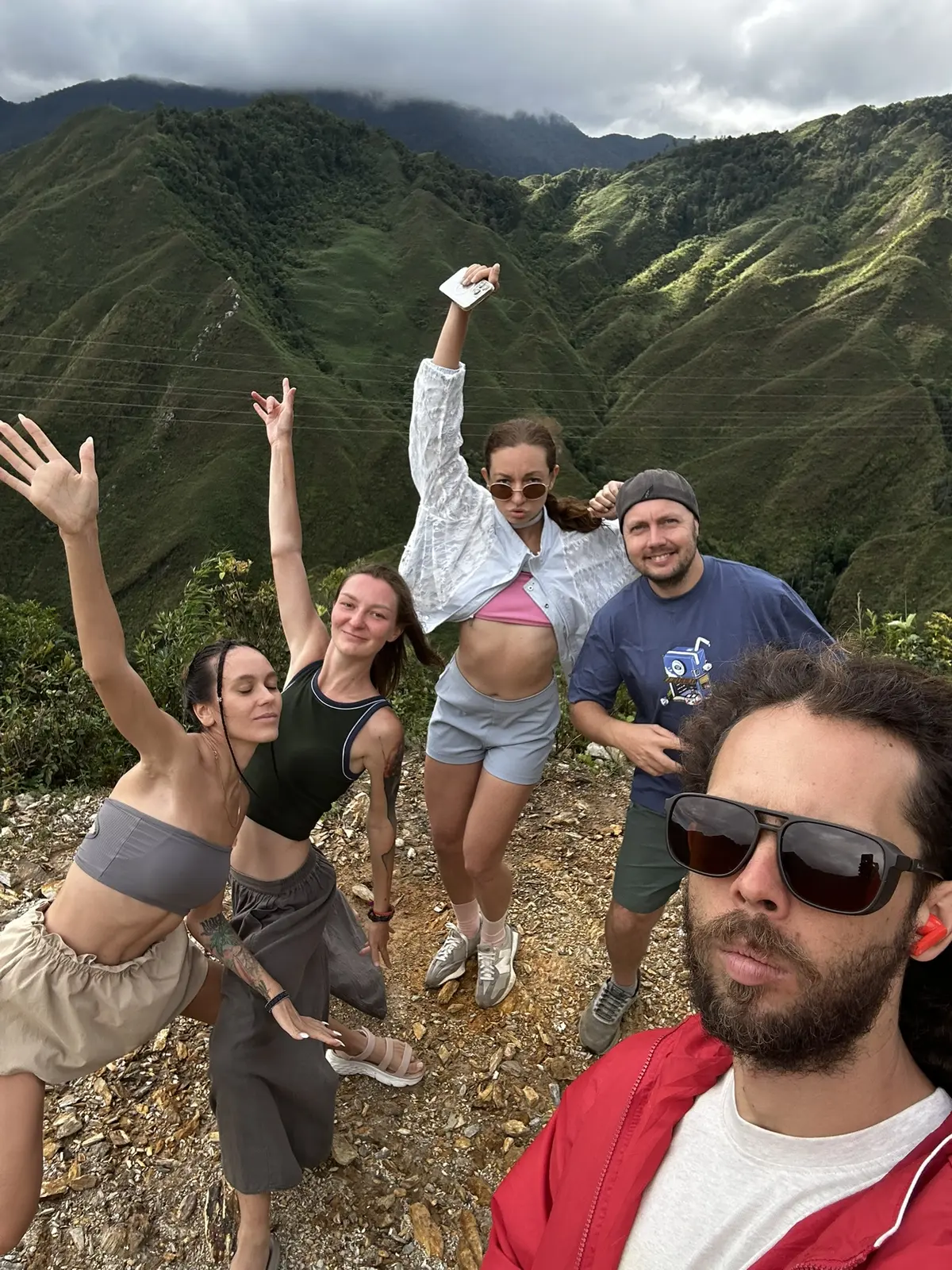
A blogger who leads their own group tour usually earns two things at once: a free seat once enough followers pay, and a markup added on top of the ground operator’s price for every paying traveler. On the routes I run in Vietnam, the free-seat threshold sits at 10 paying travelers for the host’s own seat and 20 for a second seat the host raffles among followers. That is the mechanic behind “come travel with me” posts, and I will walk through the real numbers behind it.
I have been running small-group trips across Vietnam since 2023, and the last two seasons I have worked directly with travel creators who bring their own audience along. Below is the legal side most hosts skip, what happens when a group falls short, and what the free-spot math actually looks like once you run the numbers.
What legal status do you need to sell seats to your own audience?
That depends entirely on your country, and it is worth checking before you open sign-ups. In Russia, for example, selling a bundled travel product requires business registration and inclusion in the national travel agent registry, and simple self-employed status does not cover it, even though self-employment works fine for ad income or tips. A blogger who skipped that step and collected money from dozens of followers for tours that never happened caused an estimated $1.1 million in losses across more than 70 people, according to industry reporting.
The safer path is working through a ground operator that already carries the registration and the contracts. What legal setup a Vietnam group tour actually needs covers this in more detail for anyone planning their first trip.
What happens if the group doesn’t fill up before departure?
If fewer people sign up than the plan assumed, the host either pays for their own seat out of pocket or pushes the departure back and refunds part of the group. Followers get very little protection when a trip falls apart and there is no written contract naming who is actually responsible for hotels and transport; that responsibility sits with whoever holds the ground arrangements.
How does the free-seat scheme actually work?
A host’s seat is free because its cost is already spread across the price every paying traveler pays. On my routes, 10 paying travelers unlock one free seat for the host, and 20 unlock two, with the host’s own seat never counted among the paying headcount.
How many paying travelers unlock a free seat with other operators?
The threshold varies a lot between operators. Here is how a few well-known group travel programs structure it.
| Program | Structure | Free-seat threshold |
|---|---|---|
| Gate 1 Travel (Friends & Family) | free seat once travelers join | 11+ |
| Explorica (student groups) | one free seat per enrolled travelers | 1 : 5 |
| Virgin Voyages | free cabin per paid guests, or a cash commission | 1 : 10 or 18% |
| My routes in Vietnam | second seat raffled among followers | 1 : 10, 2 : 20 |
A lower threshold pays back the host’s own trip faster, but it also raises the price every other traveler pays, because the free seat’s cost is folded into their fare. How many people you actually need in a group is a separate question: small-group tours usually run 5-15 travelers, the size where a host can still give each person real attention.
How much does a host actually earn beyond the free seat?
The free seat covers the cost of the host’s own trip. The income on top comes from the markup a host adds to the ground operator’s per-person price. The industry has no single published number for that markup, but nearby benchmarks exist: group tour organizer commissions typically run 5-20%, and affiliate-style bookings through a promo code or link usually pay 5-15% of the tour price.
One travel-industry expert estimates margins on organizer-led small-group tours at 20-25%, though that figure comes from a single interview, not independent data, so treat it as a rough anchor rather than a fixed rate. A group of 12 paying travelers at roughly $1,500 per person turns that kind of markup into several thousand dollars per trip on top of the free seat.
Pricing your markup off someone else’s average is risky: price too low and the work of building the group barely pays for itself; price too high and followers book with a cheaper host instead. Message me on Telegram with your dates and group size and I will work out an actual markup for your specific route.
How do you calculate your own numbers before the first tour?
Work through the math in this order before you open sign-ups to your audience:

- Take the ground operator’s per-person price and multiply it by the minimum number of paying travelers needed for the trip to run at all.
- Subtract the value of your own free seat - that is money saved on your ticket and stay, a separate line from income.
- Add your markup to each paying traveler’s price and multiply by a realistic number of seats you expect to sell.
- Set a backup plan for a shortfall: who among the paying travelers would accept a date change, and what is the smallest group you are willing to run at all.
- Confirm which legal status your specific payment setup requires before you announce sign-ups.
This order fixes the most common beginner mistake: pricing the trip off the group’s maximum size when a realistic minimum is what actually pays the bills. A full checklist for building a first custom group tour walks through the rest of the planning.
Your first group tour budget: the bottom line
Budget your first trip’s income at roughly the value of the free seat plus a modest markup on 8-10 realistically sold seats. Small-group tours typically run 5-15 travelers, the range where a host can still give each person real attention and keep service quality intact. The first trip usually pays off in the free seat and the experience; the second and third trips get priced differently once your audience has already seen how the first one went.
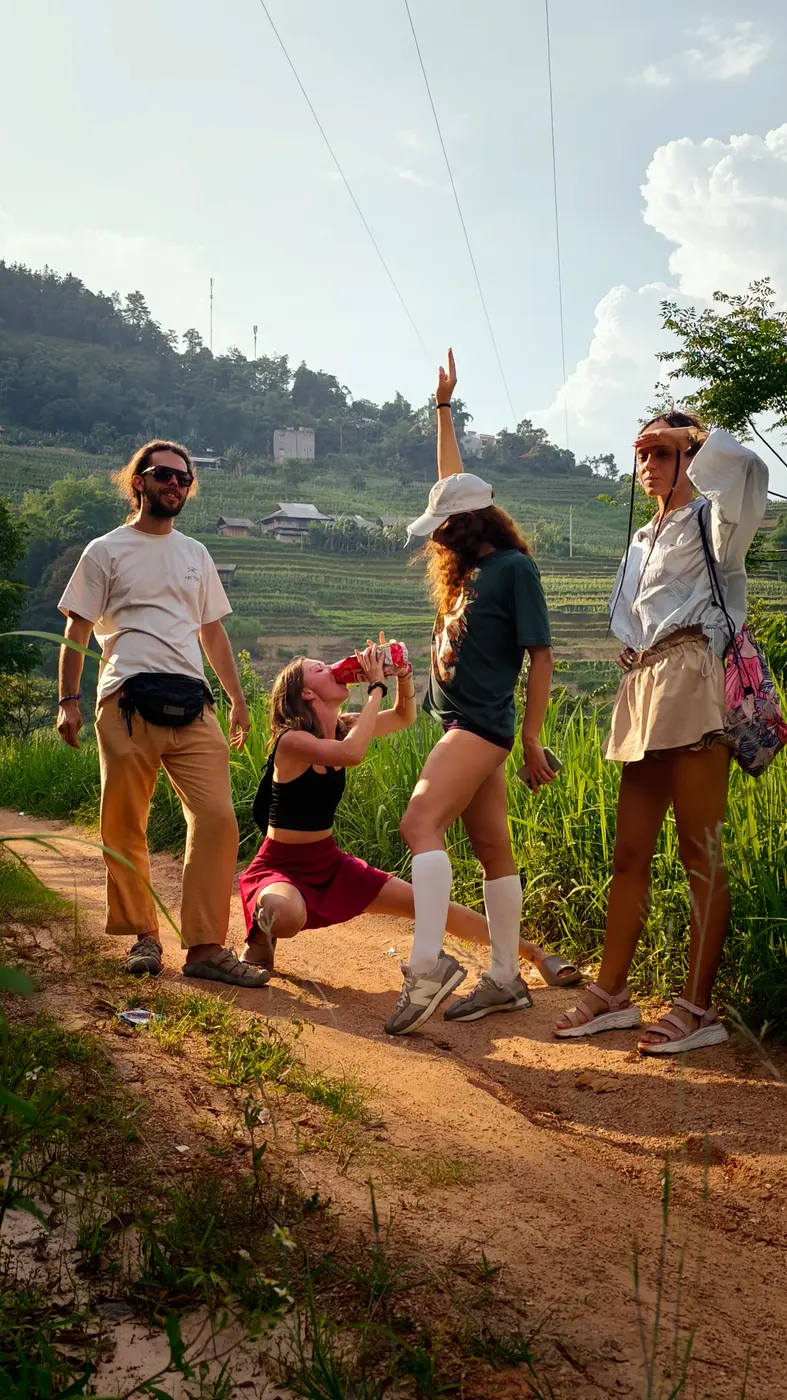
Ready-made group routes for Vietnam are listed on the site - some hosts take an existing itinerary and add their own markup instead of building the logistics from scratch. Building the route and booking hotels for a group yourself is doable if you have time to handle Vietnamese-language bookings and cards that local hotels don’t always accept. If you would rather get a full quote for your dates and group size in one message, message me on Telegram and I will work the numbers for your specific audience.
Frequently asked questions
Who is responsible if a blogger-led group tour falls through?
Responsibility splits: the ground operator is contractually responsible for hotels, transport and logistics, while the host is responsible for communicating with followers and the money collected directly from them. Without a contract with a properly registered ground operator, followers have no legal recourse at all.
How is a host's income different from bartered brand trips?
A bartered trip is free accommodation in exchange for posts, with no cash changing hands. Running your own group tour produces direct income instead: a free seat plus a markup on every paying traveler, collected straight from your own audience.
What should a follower check before paying a blogger for a tour seat?
Ask who the actual ground operator is and whether there is a signed contract with them, rather than relying on personal trust in the host alone. Without a registered operator behind the trip, there is little legal protection if the trip is cancelled or mismanaged.
How is payment usually collected from followers?
Most hosts collect a deposit at sign-up and the balance 2-4 weeks before departure, once the ground operator has already booked hotels and transport for the confirmed headcount. I run the same schedule with hosts organizing groups in Vietnam.
Can two hosts combine their audiences to hit the free-seat threshold faster?
Yes, if both groups fly the same route on the same dates: paying travelers from both audiences are added together, and the free-seat threshold is counted against the combined total. Arrange this with the ground operator before either host opens sign-ups.