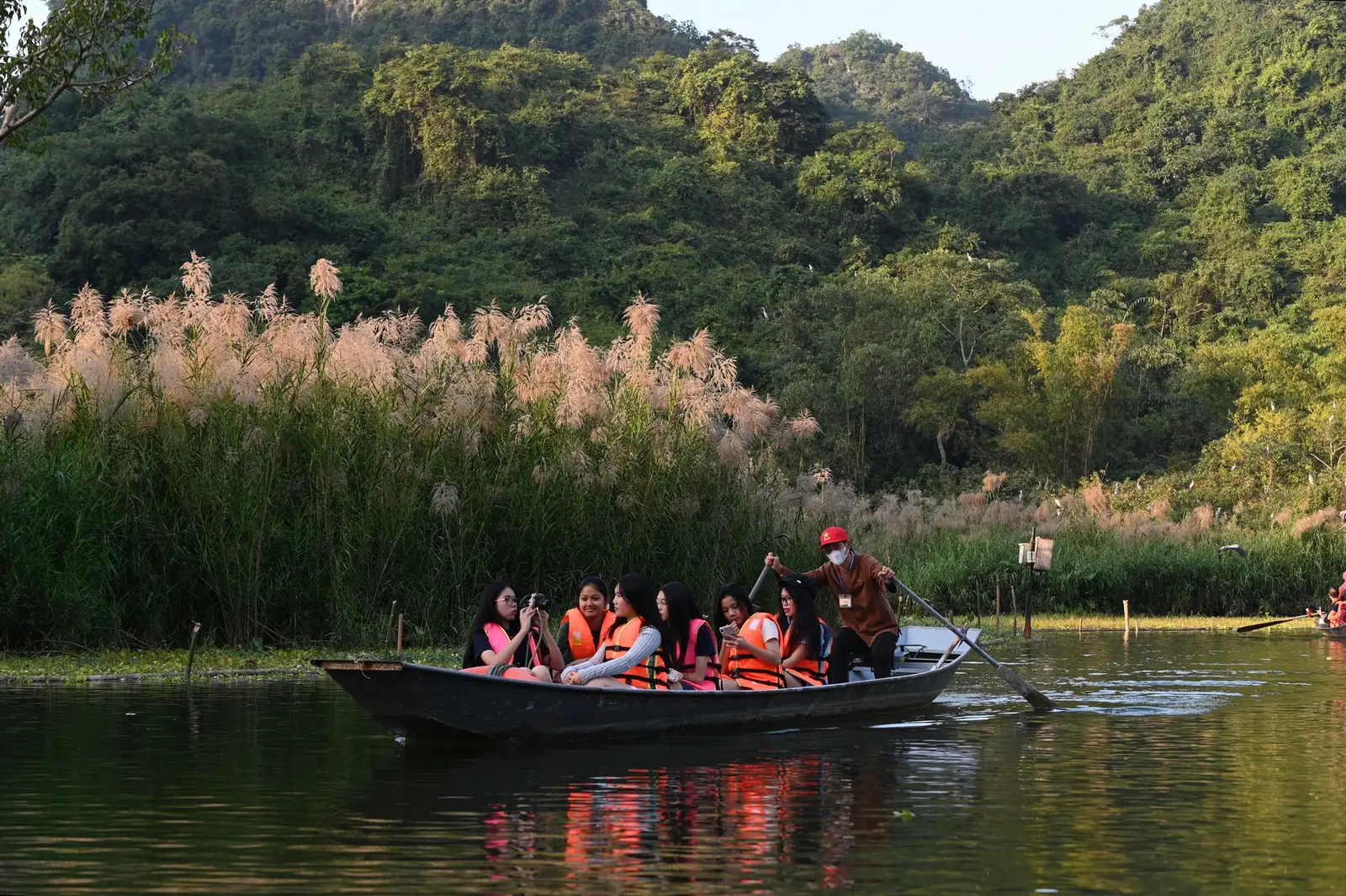
Most organizers fill their first Vietnam group tour from an existing audience, not from cold ads — a community of 300 to 800 engaged followers converts better than a $500 ad budget aimed at strangers. That single fact changes where you should spend your first two weeks of work.
I learned this the slow way, running small-group trips to central Vietnam. My first attempt was a public ad campaign for a route nobody outside my own circle had heard of. Zero applications, real money spent, real disappointment. The second attempt worked because I stopped chasing strangers and started talking to people who already knew me.
How Many People Do You Actually Need to Break Even?
Most boutique group tours in Vietnam run with 8 to 16 paying travelers — below that, per-person costs for a private driver, a dedicated guide, and group-rate hotel rooms climb fast enough to kill your margin. Above roughly 20 to 24 people, personal contact with each traveler starts to break down, and that contact is exactly what makes a small-group tour worth the price over a mass-market package.
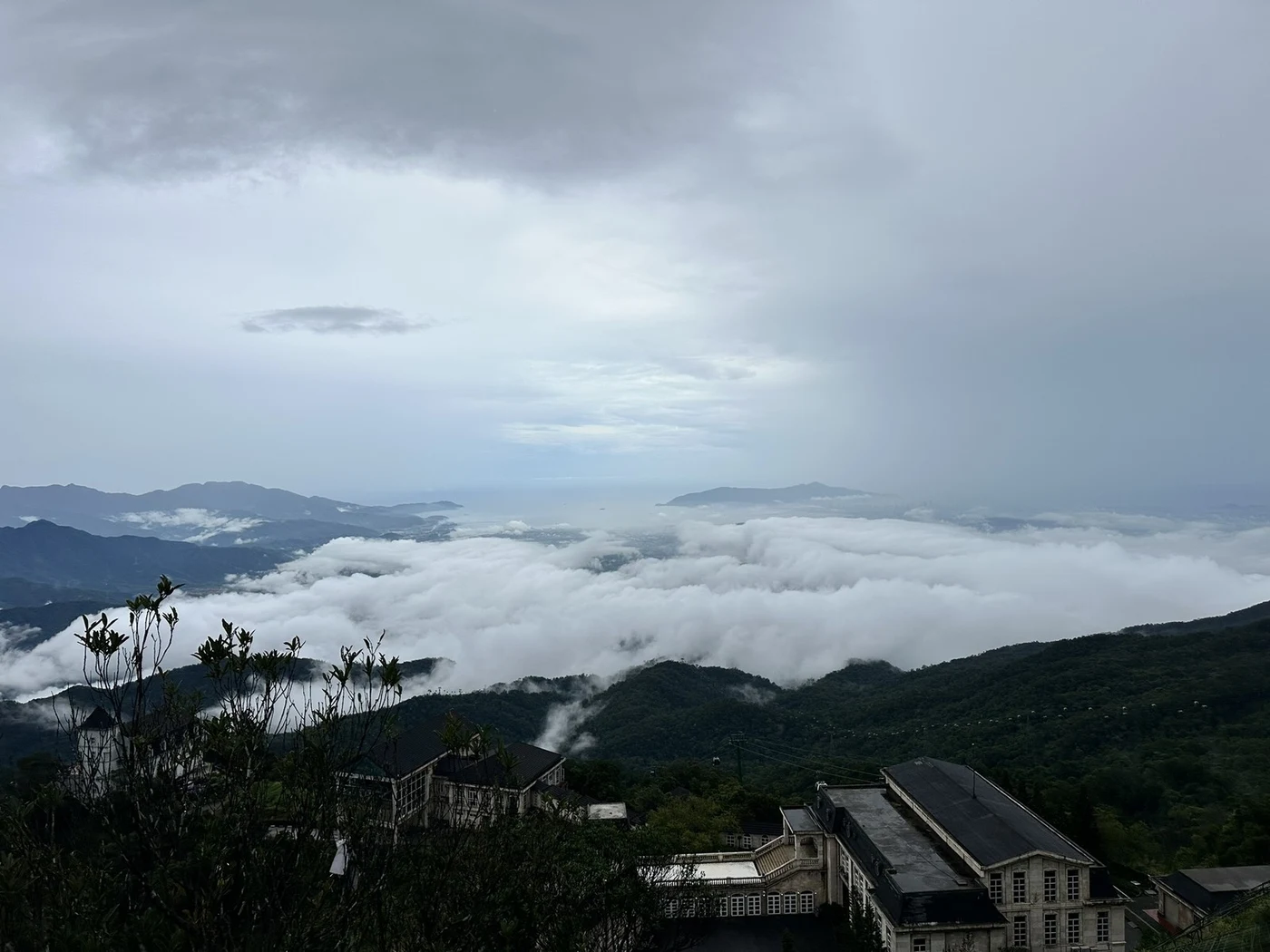
Before you pick dates, decide which size you’re actually building for. A 10-person hiking trip through Sapa needs a different sales funnel than a 20-person food tour through Da Nang and Hoi An.
How Do You Test Demand Before Announcing Dates?
Test demand with a short survey to your existing audience before you commit to a date, a route, or a deposit page — announcing dates first is how organizers end up with a route nobody wants. Ask three questions: which region interests them, what month works, and what they’d pay for a fully organized 7 to 12 day trip.
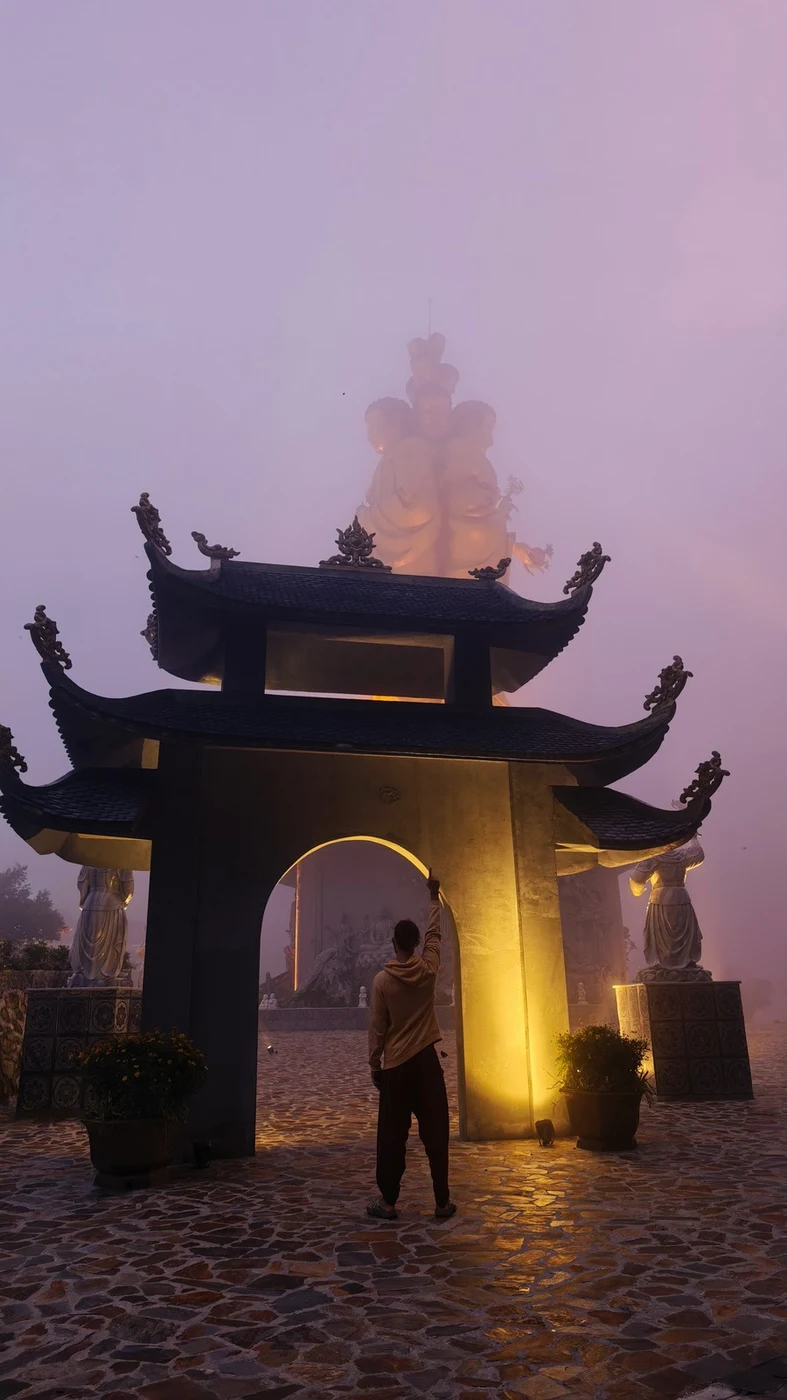
- Post a one-question poll to your audience: “Would you join a small-group trip to Vietnam?”
- Follow up with the interested group by direct message, not a public comment thread.
- Ask their preferred month and travel style — beach, mountains, food, or a mix.
- Share a rough itinerary sketch and ask what’s missing before you finalize it.
- Only then open a real interest list with a small refundable deposit to filter serious travelers from curious ones.
- If fewer than 8 to 10 people commit within two weeks, the route or the timing is wrong — adjust before you announce publicly.
Why Doesn’t Paid Advertising Alone Fill a Group?
Paid ads bring cold clicks, and cold clicks rarely convert into a $1,500-plus group trip on the first touch — travelers need to see your face, your past trips, and real traveler feedback before they commit that much money to someone they’ve never met. Ads work as a top-of-funnel tool, not a closing tool.

What actually closes a booking is warm content: short videos from a previous trip, screenshots of traveler messages, and a direct conversation where someone can ask about visas, flights, and what a typical day looks like. Vietnam adds one more layer non-locals rarely plan for — the north, center, and south run on different seasonal windows, so a date that works for Ha Giang can be wrong for Phu Quoc the same month.
How Do You Turn One Sold Seat Into a Repeat Booking?
A traveler who books once and never hears from you again is a lost second sale — keeping a simple group chat or mailing list after the trip turns one booking into two or three over the following years. This costs nothing beyond ten minutes a week and consistently outperforms new-audience ads on cost per booking.
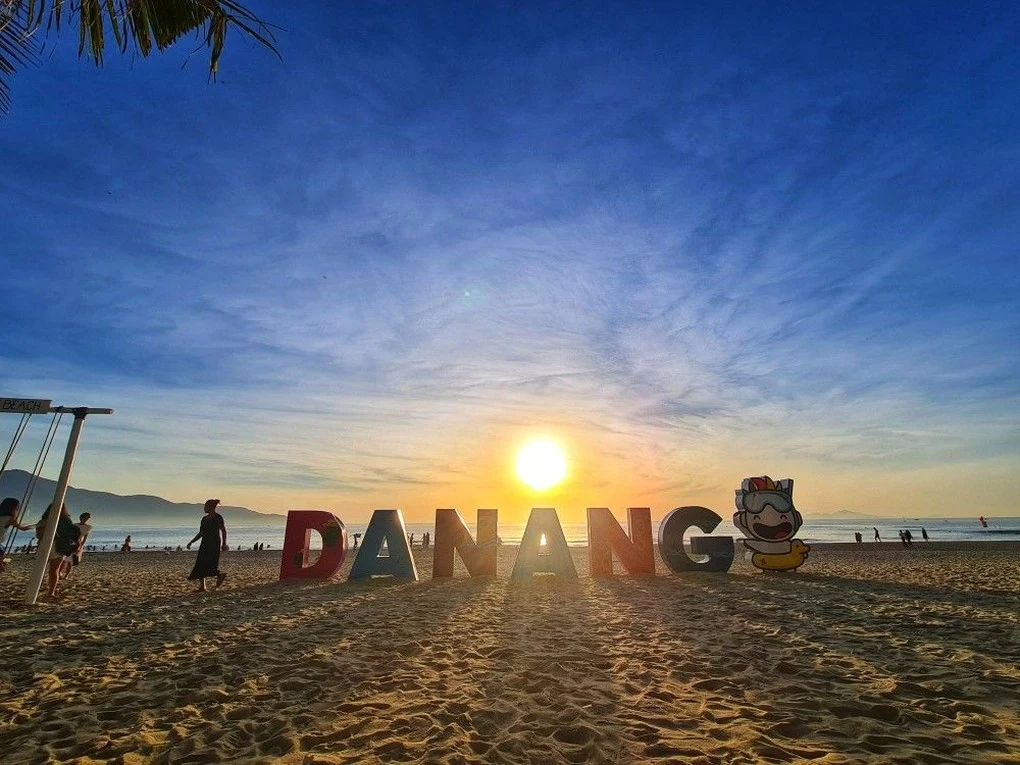
- Keep a private chat for past travelers, not just current bookings — share photos, ask what route they’d want next.
- Send a short update when you announce new dates, before the public post goes live.
- Ask happy travelers for one honest line of feedback you can show new prospects.
If you’d rather run a route someone else has already built and priced for a group your size, our ready-made Vietnam group routes cover the logistics — hotels, drivers, and a local guide — so you’re only responsible for filling the seats. Message me on Telegram with your rough headcount and I’ll tell you honestly whether the route works for that size.
One Full Group or Half-Empty: What to Fix First
If your last group came in under 8 people, the fix is almost never a bigger ad budget — it’s usually a route tested on the wrong audience, or dates announced before anyone confirmed interest. A group that fills itself starts with a warm audience, a tested date, and a route built around what that specific group of people actually wants from Vietnam.
Start with the people who already follow you, test the route with a real question before you build an itinerary, and keep talking to past travelers after the trip ends — that’s the order that fills seats, not the reverse. If you want a second opinion on your route or headcount before you announce dates, send me your dates on Telegram and I’ll walk through it with you.
See also: how to build a custom small-group tour to Vietnam from scratch and what small-group tour organizers actually earn in Vietnam . Or browse our Vietnam trip options if you’re weighing whether to build your own route at all.