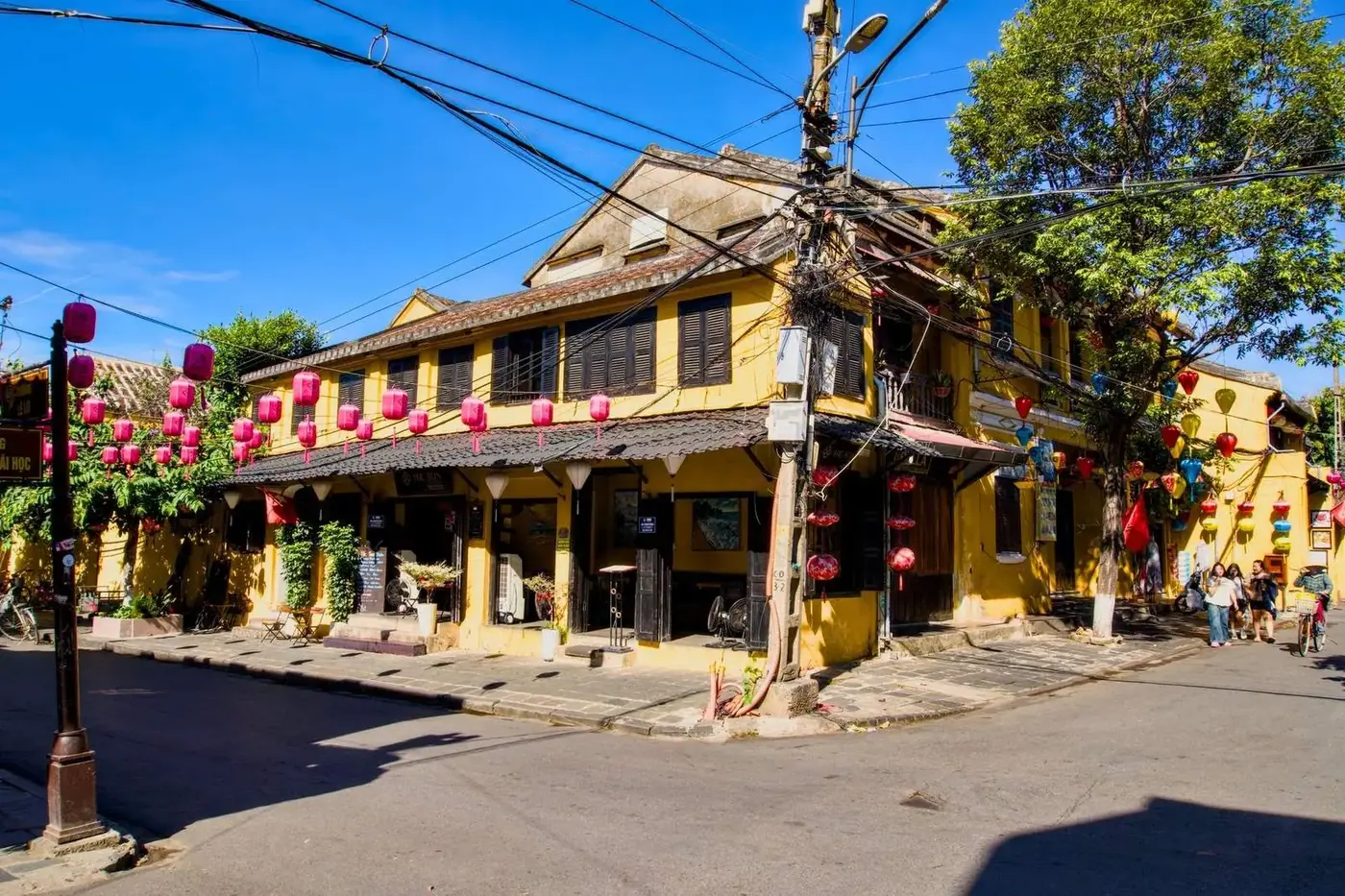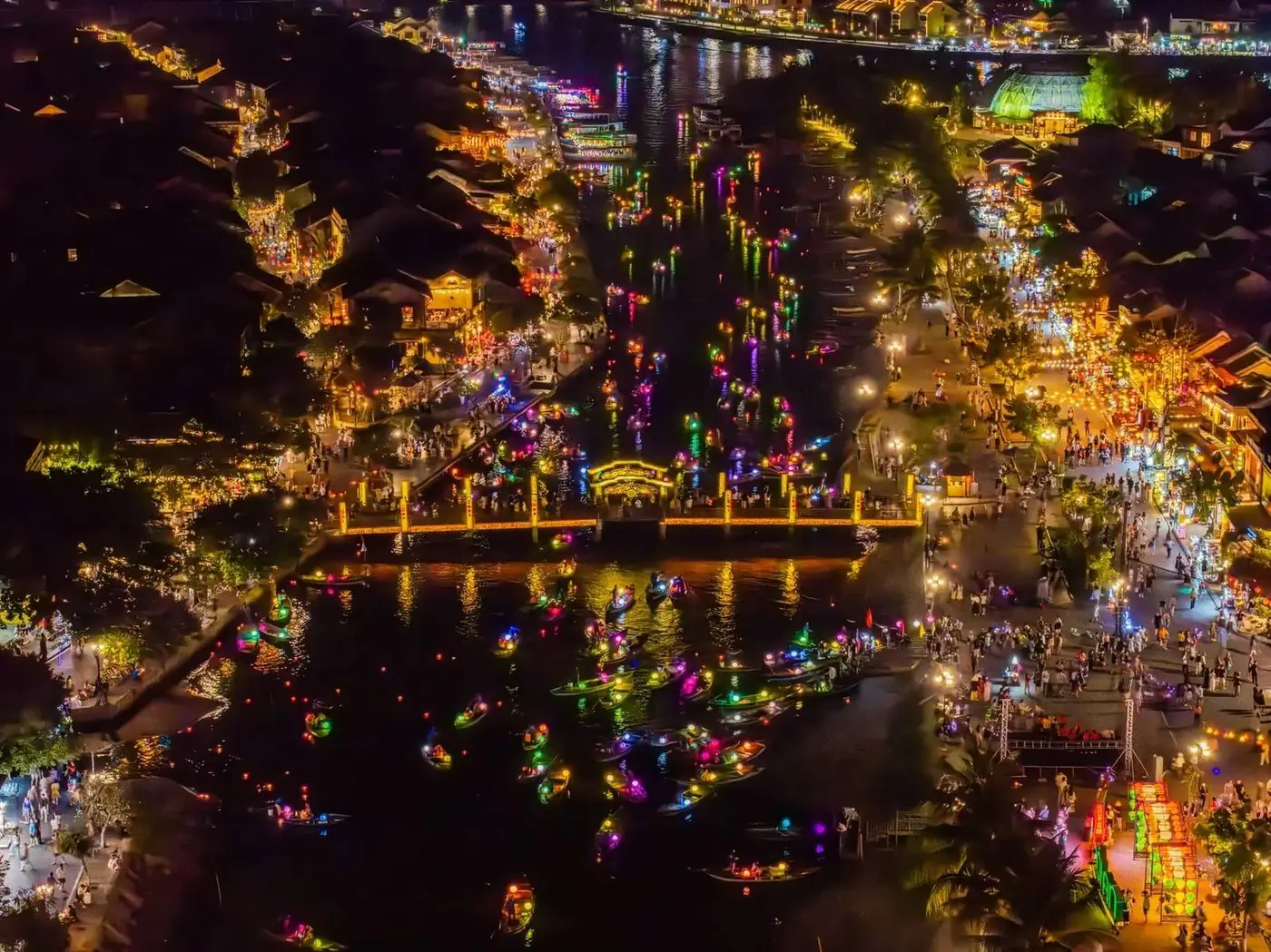
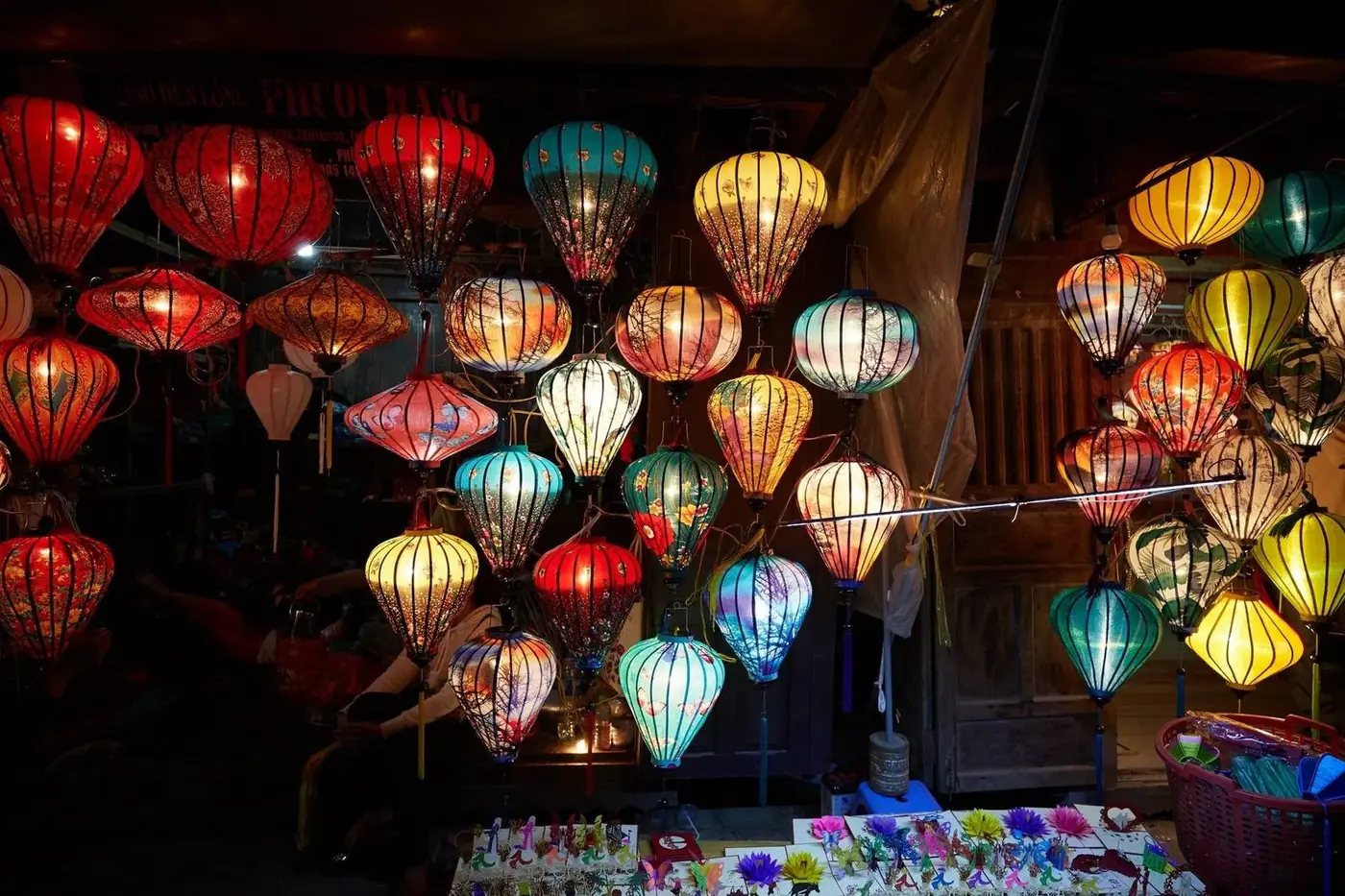
Hoi An’s Lantern Festival happens on the 14th day of every lunar month, not once a year. The Old Quarter cuts street power from 6pm to 10pm and runs on silk lanterns alone, and 2026 has thirteen of these nights. That changes the real planning question: it’s not “can I catch the festival,” it’s “which of the thirteen nights is worth building a schedule around.” A specific lunar date won’t always fit your flights, but there’s still a way to get the experience without rearranging the whole trip.
How Often Does the Lantern Festival Actually Happen?
The festival lands on the 14th lunar day, the evening before the full moon, so the Gregorian date shifts every month. Two of the thirteen 2026 nights are flagship events. March 2 is Nguyen Tieu, the first full moon after Tet, and September 24 is the eve of Tet Trung Thu, the children’s mid-autumn festival. The other eleven are regular monthly nights with the same program, minus the crowd.
Is the Flagship Date Worth the Crowd?
Nguyen Tieu on March 2, 2026 pulls a serious crowd into a small space.That’s 30,000 to 50,000 visitors packed into an Old Quarter that measures under a square kilometer end to end. September 24 draws a smaller, more family-oriented crowd of 20,000 to 30,000, built around Trung Thu’s kids-with-star-lanterns tradition. Any of the other eleven monthly nights runs the identical schedule, electricity cut and all, with a fraction of the people. A regular month gets you the same photos with room to actually stand still, especially when the festival is just one evening inside a longer Vietnam route rather than the whole trip.
How to Time Your Visit Without the Crowd
Getting the quiet version of the festival comes down to five decisions, in order.

- Skip March 2 and September 24 unless the festival itself is the whole point of the trip; any other 14th lunar day gives you the same event with far fewer people.
- Arrive in the Old Quarter by 5:30pm and buy the entrance ticket early: 120,000 VND (about $5), valid 24 hours, covering five heritage sites.
- Claim a spot near An Hoi Bridge or the Japanese Covered Bridge before 6:30pm, when the silk lanterns light up and the blue-hour photos happen.
- Expect peak density between 6:30 and 7:30pm. After 9pm the crowd thins out and Tran Phu street becomes walkable again.
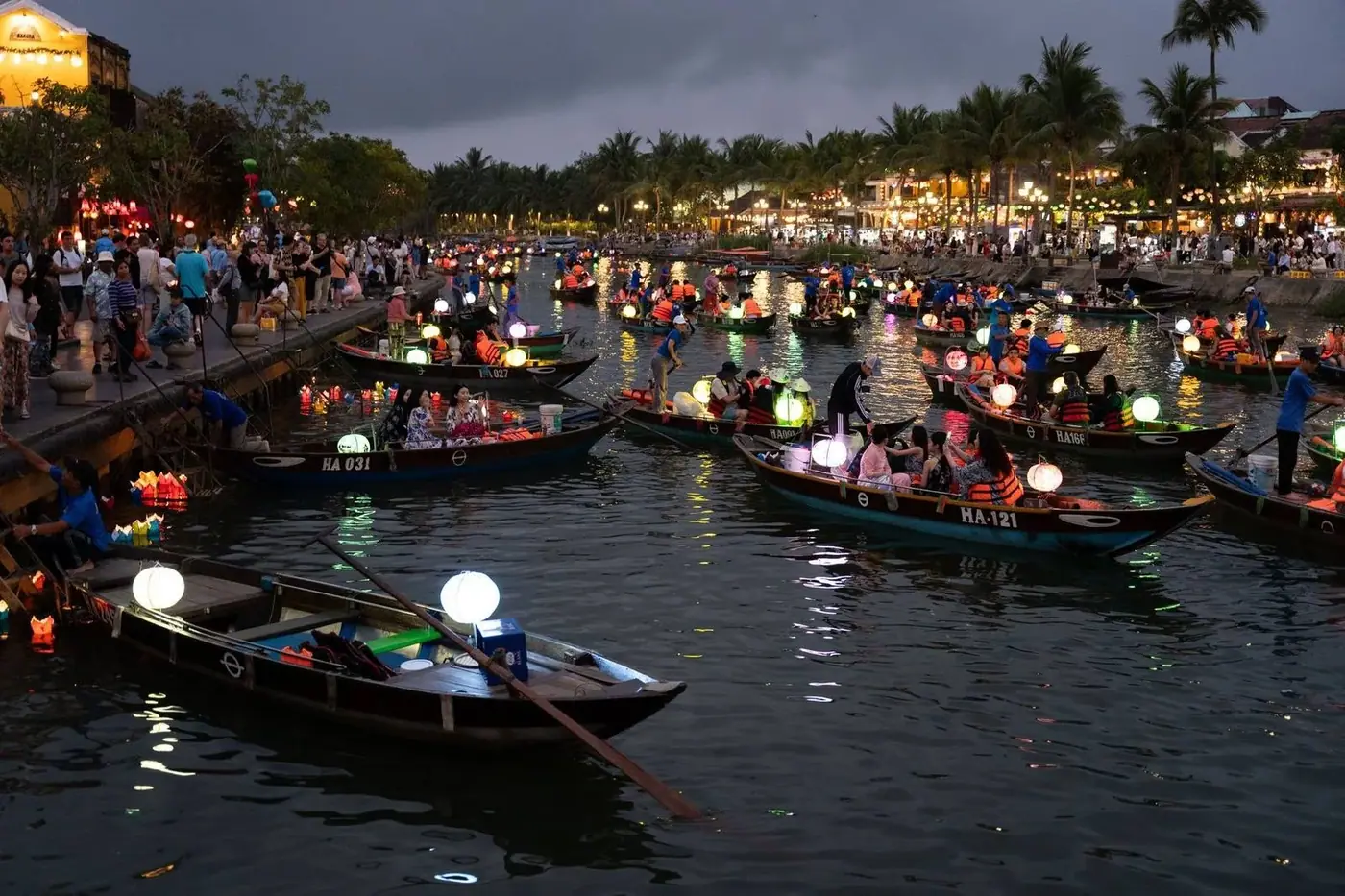
- Buy your floating lantern from the older women along the Bach Dang riverfront rather than a shop stall, and pay the asking price without haggling.
Lining up the right lunar date with flights, a hotel that won’t double in price, and the rest of the day is the part I usually end up doing for guests. I check the lunar calendar against their travel window first, then slot the evening next to a day trip from Hoi An so the whole day earns its place. All a guest has to hand over is the week they’re in Vietnam.
What Does an Evening Actually Cost?
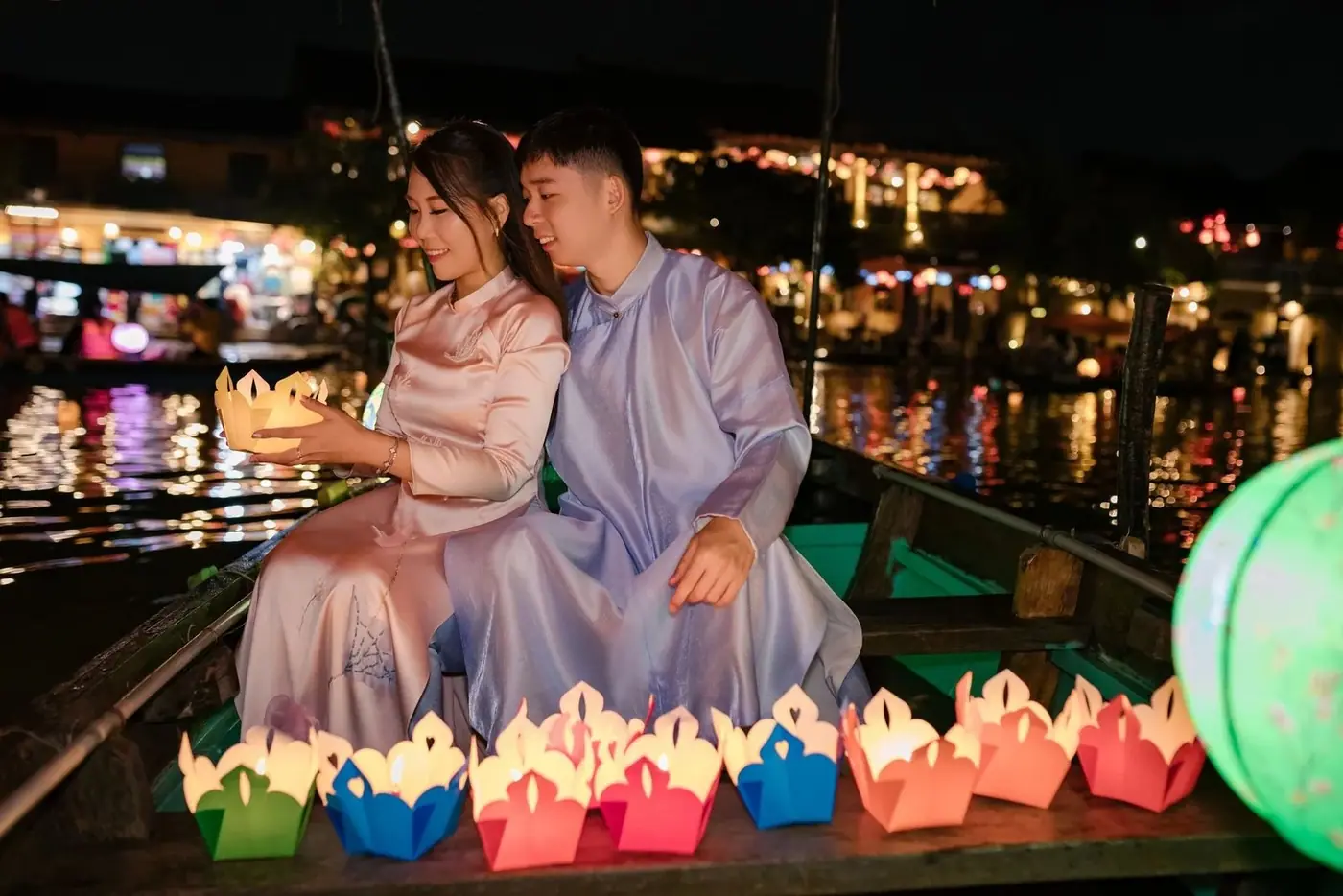
A basic evening runs about $10 total: the 120,000 VND Old Quarter ticket plus a floating lantern at 5,000 to 20,000 VND. A sampan ride on the Thu Bon River adds roughly $7, for a boat that seats one to three people for 20 to 30 minutes. The boatman hands over a lit lantern to set on the water himself. One thing stays off the budget entirely: sky lanterns with an open flame have been banned in Vietnam since 2010 over fire risk. Tourists caught launching one face fines starting around $40.
Getting There and Where to Stay
Da Nang sits 30 kilometers away. A Grab or taxi covers it in 40 to 50 minutes on a normal evening, stretching to 60 to 80 minutes in festival traffic near Cua Dai Bridge. Shuttle buses run every two hours until 7pm one way for about $5 to $6 (check current times on 12go.asia ), but the last return leaves too early for the festival, so the trip back is always a taxi. Book Old Quarter hotels two to three months out for a regular date, four to six months out for March 2 or September 24, when room rates jump by 50 to 80 percent. Cam Nam island across the river is the cheaper alternative if a 15-minute walk back after 10pm doesn’t bother you.
Which Nights Should You Actually Book?
Don’t force fixed travel dates to match March 2 or September 24: any 14th lunar night gives you the blackout, the lanterns, and the river, minus the scramble for a hotel room. Save the flagship nights for when the festival itself is the reason for the trip, booked half a year out. Matching a lunar calendar to flights, guides, and the rest of central Vietnam is exactly the kind of admin I take off a guest’s plate when I build their route, with no spreadsheet required on your side. Message me on Telegram with your travel window and I’ll tell you which lunar date actually lines up with it.