
Three ways cross the Hai Van Pass between Da Nang and Hue: the SE3/SE4 Reunification Express train (2.5-3 hours, from about $4), a guided motorbike or easy-rider tour over the summit (4-5 hours door-to-door, $46-49 per person), or a private car through the Hai Van Tunnel (1-1.5 hours, about $47 per vehicle). The train wins on views for the price, the motorbike wins on photo stops and freedom, and the car wins on speed and comfort if you’re short on time.
I’ve lived in Da Nang since 2023 and run tours that cross this pass in all three ways depending on who’s booked with us - backpackers on a budget, couples chasing the postcard shot at the summit, and families who just want to get from A to B without a helmet. Here’s the honest breakdown of what each option actually costs and delivers.
| Method | Duration | Cost (per person) | Best for |
|---|---|---|---|
| Train (SE3/SE4) | 2.5-3 hours | ~$4-7 (soft seat) | Views without effort, tightest budget |
| Guided motorbike/easy-rider | 4-5 hours door-to-door | $46-49 | Photo stops, full control of the route |
| Self-rental scooter | 3-4 hours riding time | ~$6-8 (rental + fuel) | Experienced riders on a budget |
| Private car (via tunnel + pass detour) | 1-1.5 hours (tunnel) / +30-45 min for pass detour | ~$11-12 shared 4-way | Speed, comfort, families, luggage |
What is the Hai Van Pass?
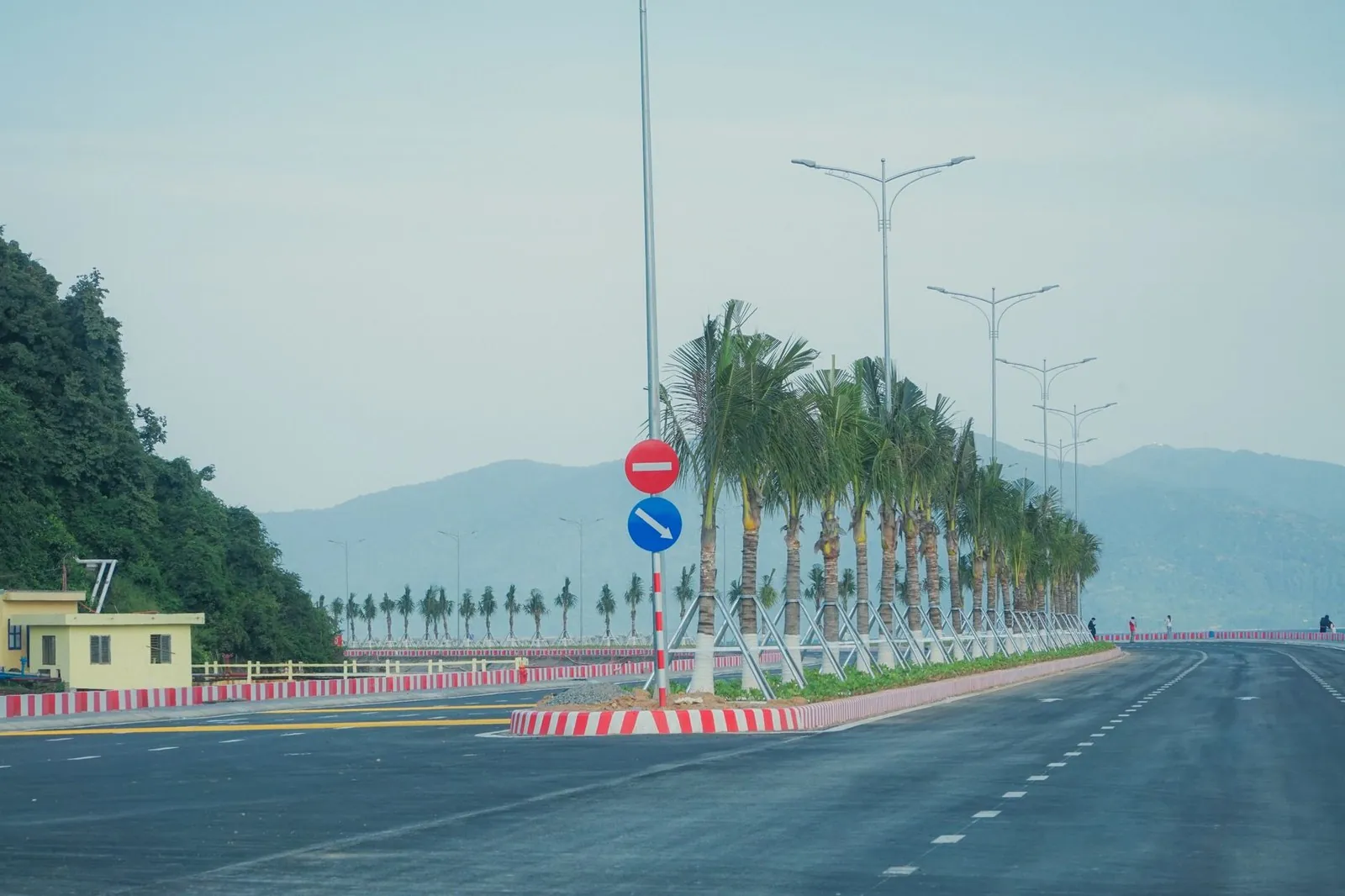
Hai Van Pass is a 21-kilometer mountain road on National Route 1 that climbs to 496 meters at its summit, marking the old border between the kingdoms of Champa and Đại Việt and, informally, the climate line between north and south Vietnam. Since 2005 most cars and trucks bypass it entirely through the 6.28-kilometer Hai Van Tunnel, which cuts about 20 kilometers and 30-60 minutes off the direct Da Nang-Hue drive.
That’s the split that matters for planning: the tunnel is the fast, boring way to get from Da Nang to Hue. The pass road is the reason anyone bothers making this trip a highlight instead of a transfer - it’s one of the handful of day trips from Da Nang worth building a whole day around rather than squeezing into a transit window.
How long does the train take from Da Nang to Hue?
The Da Nang-Hue segment of the Reunification Express takes roughly 2.5 to 3 hours, and Vietnam Railways runs about 5-6 daily departures on this route. SE3 and SE4 are the specific services most travelers ask for because their schedules put the Hai Van climb in daylight, and they run the newer refurbished carriages rather than the oldest rolling stock still in service on some slower trains.
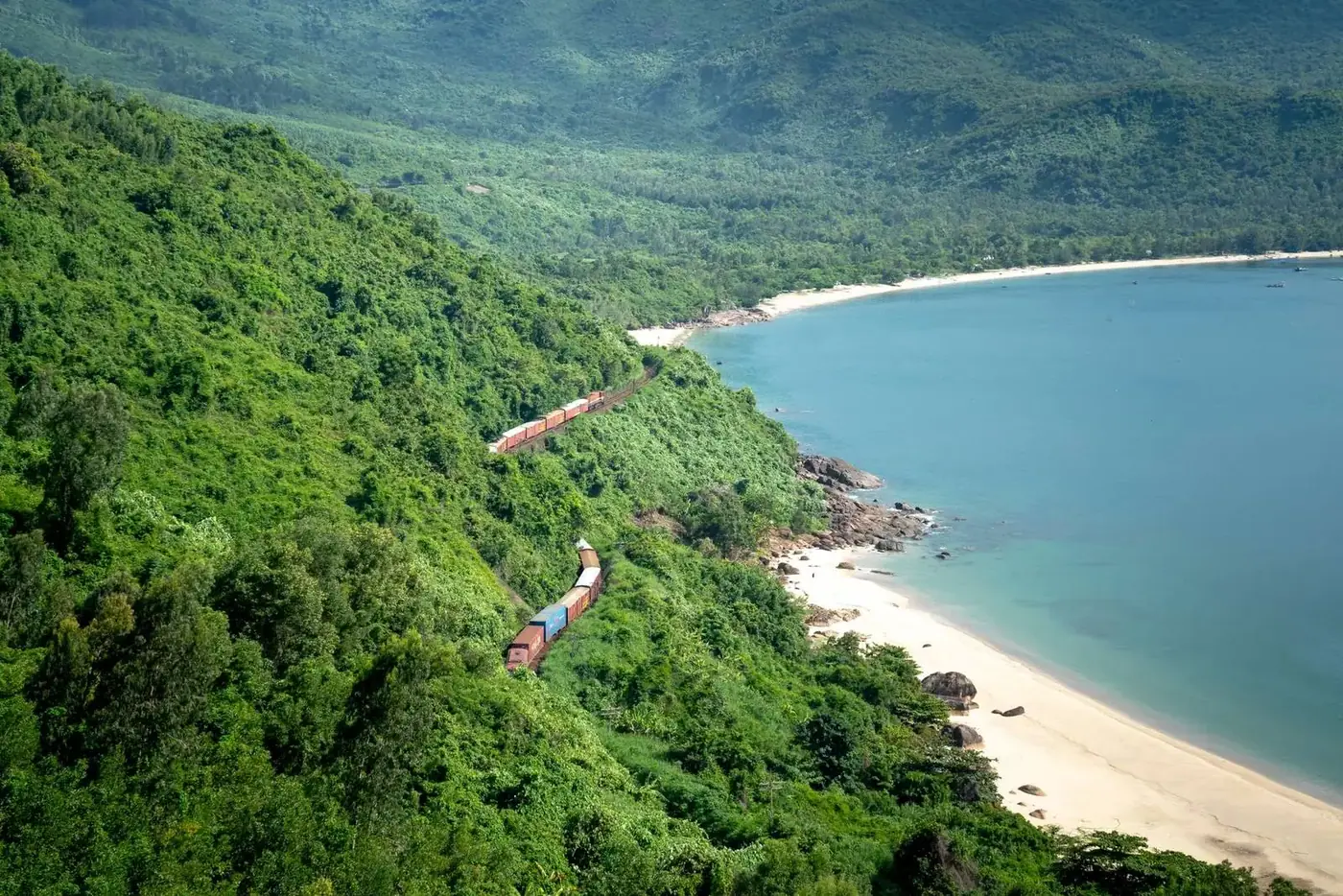
Sit on the right-hand side heading north from Da Nang to Hue - that’s the ocean side, and it’s where the train hugs the cliffs above Lang Co Bay for a stretch that no road angle matches, because the rail line was cut directly into the mountain above the highway.
How much does the train cost for this segment?
Fares for just the Da Nang-Hue leg run from about 95,000 VND (roughly $4) for a hard seat up to 150,000-177,000 VND (about $6-7) for an air-conditioned soft seat, and around 280,000 VND (about $11.50) for a 4-berth soft sleeper berth if you’d rather nap through part of it. For a 2.5-3 hour daytime ride, the soft seat class is the sweet spot - sleeper berths make more sense on the longer Hanoi-Ho Chi Minh City run, not this short coastal hop.
Is Hai Van Pass dangerous by motorbike?
The pass has a documented history of accidents going back to before the tunnel opened in 2005 - including old train derailments and fog-related crashes that are still marked by roadside shrines near the summit - but the modern road surface is well-maintained and the danger today comes almost entirely from fog, wet asphalt, and riders who’ve never handled a mountain switchback pushing speeds they can’t control. Ride it in clear weather, keep to a pace where you can see through every blind curve, and it’s a manageable ride even for someone who’s only ridden flat city roads before.
Guided easy-rider tours solve most of the risk: you ride pillion or follow an experienced local rider who knows exactly where the surface gets slick and where the tour buses cut corners. Solo self-drive is fine if you already have real motorbike experience - it’s a different call if this pass is your first time on two wheels in Vietnam.
What does a guided motorbike or easy-rider tour cost?
Guided motorbike or easy-rider tours from Da Nang or Hoi An to Hue typically run $46-49 per person, and that price usually bundles fuel, a local rider-guide, and stops at Marble Mountains, the summit viewpoint, and a waterfall or fishing village along the way - a package deal, not just a lift over the mountain. If you’d rather self-drive, a standard 100-125cc scooter rents in Da Nang for about 100,000-150,000 VND a day (roughly $4-6), with fuel and parking pushing the real day cost closer to 150,000-200,000 VND ($6-8).
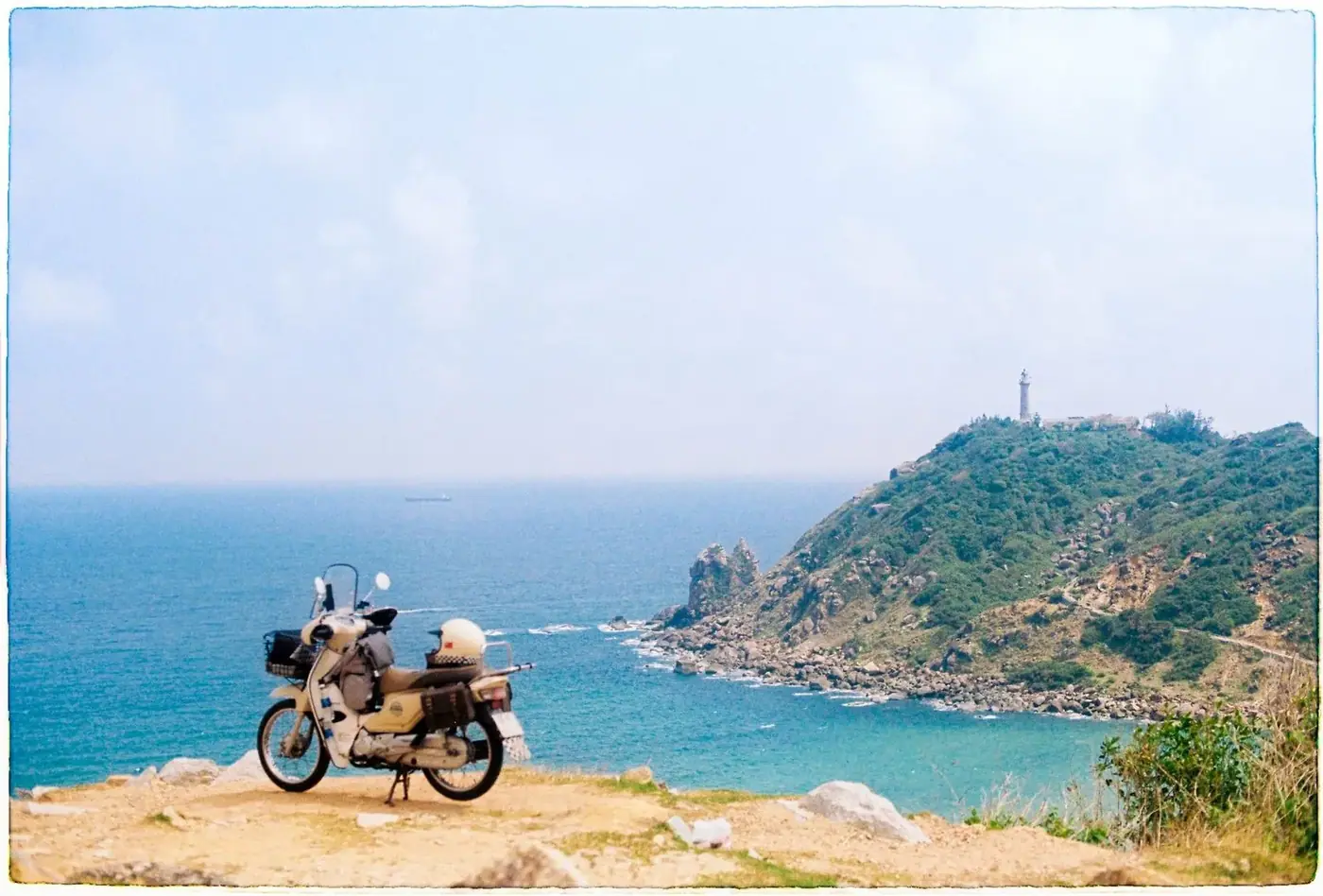
This is the part of the trip our team gets asked about most - riders want the summit photo and the coastal stretch without a wipeout on a road they’ve never seen. We run guided crossings with local riders who know exactly where the surface turns slick after rain and where the tour-bus convoys bunch up, and we build in the same Marble Mountains and Lang Co stops without you having to plan the route yourself. This exact stretch is part of our Da Nang-Hoi An-Hue route , so it’s already mapped out rather than something you’d have to piece together solo. If a Hai Van crossing is part of a longer itinerary rather than a one-off, message us on Telegram and we’ll slot it into the trip.
How much does a private car cost from Da Nang to Hue?
A private car or taxi transfer through the tunnel runs roughly 1,200,000 VND (about $47) per vehicle for up to four passengers - call it $11-12 a head if you’re splitting it three or four ways, which undercuts the train once you’ve got a group. Grab is not a reliable option for this specific route: drivers cancel long-distance pickups or hit you with surge pricing once they see the destination, so a dedicated private transfer booked ahead beats hailing on the app for this particular trip.
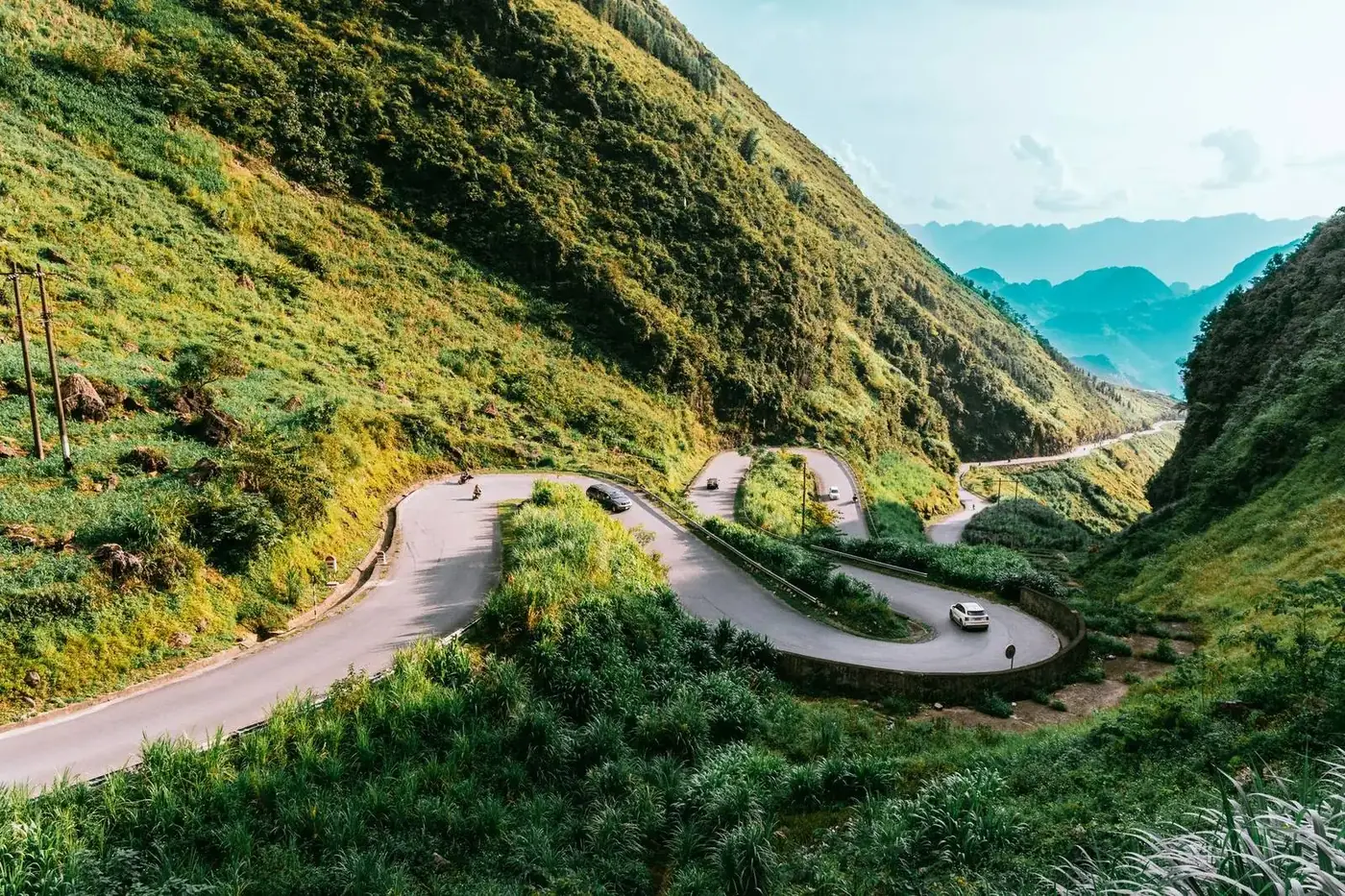
Ask your driver to detour over the pass road instead of straight through the tunnel - most will for a small add-on - and you get the private-car comfort with the same summit views the motorbike riders and train passengers are paying for.
Which side of the train has the best view?
Sit on the right side of the train heading from Da Nang toward Hue (the ocean side) - the track runs along cliffs directly above Lang Co Bay for several minutes, and that stretch is the single best reason to pick the train over driving straight through the tunnel. Heading the opposite direction, from Hue to Da Nang, the best views are on the left side of the carriage.
Is Hai Van Pass worth doing in bad weather?
Hai Van Pass sits on the climate border between north and south Vietnam, and conditions on each side can differ sharply, especially through the wetter winter months when fog rolls in off the ocean and cuts visibility at the summit to a few meters. In heavy fog or rain the pass loses most of its appeal regardless of which method you pick - the views disappear, the motorbike ride gets genuinely riskier, and even the train windows fog over. If the forecast looks rough, take the tunnel and save the pass crossing for a clearer day; it’s not a once-only trip if you’re spending any real time in central Vietnam.
How do I choose between train, motorbike, and car?
- Tight on time or traveling as a family with kids - private car through the tunnel with a pass detour if the driver agrees. Fastest, most comfortable, easiest with luggage.
- Want the views without riding yourself - train, right-hand side, SE3 or SE4 for daylight timing. Cheapest option by a wide margin and zero risk.
- Chasing the summit photo and full control over stops - guided motorbike or easy-rider tour. Most flexible, best for photographers, requires either real riding experience or a guide.
- Traveling solo on a tight budget with some riding experience - self-rental scooter, but only in clear weather and only if you’ve ridden a motorbike somewhere before this trip.
- Rain or fog in the forecast - skip the scenic crossing entirely, take the tunnel by car or bus, and revisit the pass on a clearer day if your schedule allows.
None of these three is objectively “the winner” - they trade off cost, time, and how much of the pass you actually experience versus just transit through it.
I’ve crossed this pass more times than I can count, by all three methods, and my honest answer depends entirely on what you’re optimizing for on that particular day - a rainy Tuesday transfer and a clear-sky bucket-list ride call for completely different choices. If you want it built into a longer central Vietnam route instead of figuring out the logistics solo, reach out on Telegram and tell us your dates - we’ll tell you honestly whether the pass fits your itinerary or whether the tunnel makes more sense that day.
Frequently asked questions
How far is it from Da Nang to Hue via the Hai Van Pass? The direct road distance between Da Nang and Hue is about 100 kilometers. The pass road itself, at 21 kilometers, only accounts for a portion of that - the rest is flat highway on either side of the climb.
Can you drive a car through the Hai Van Tunnel instead of over the pass? Yes, and most cars, buses, and trucks do exactly that by default - the 6.28-kilometer tunnel is the standard route and saves 30-60 minutes over the pass road. You have to specifically ask a driver to take the old road if you want the scenic version.
Is Grab reliable for Da Nang to Hue? Not for this specific long-distance route. Drivers frequently cancel once they see a 100-kilometer trip or add unofficial surge pricing, so a dedicated private transfer booked in advance is the more dependable option here, even though Grab works fine for short trips within Da Nang itself.
Do you need a motorbike license to rent a scooter in Da Nang? Technically yes under Vietnamese law, and rental shops rarely check for tourists, but that gap doesn’t cover you if something goes wrong - travel insurance claims are commonly denied for accidents involving unlicensed riders. If you don’t already ride at home, this isn’t the pass to learn on.
What’s the best time of year to cross Hai Van Pass? Roughly the drier months from spring through late summer give you the clearest views and the safest road surface; the wetter winter window brings fog and rain that can cut visibility at the summit and make the pass road genuinely riskier on a motorbike.
Is the train or the motorbike cheaper for one person? The train, by a wide margin - a soft seat runs about $6-7 versus $46-49 for a guided motorbike tour or roughly $6-8 in scooter rental and fuel if you self-drive. The motorbike costs more because you’re paying for stops, flexibility, and either a guide or your own time managing the ride, not just the transport itself.