
Four transport options actually work for a tour group in Vietnam: a private van, a chartered coach, an overnight sleeper bus, and a domestic flight. Each one owns a different distance band - a van for transfers under four hours, a coach for a same-day route, a sleeper bus for a long leg you don’t want to lose a full day to, and a flight once the drive stretches past 500 km. I’ve been running group trips across Vietnam since 2023, and I rebuild this exact table for every new route.
If you just want someone to pick the right transport for your group and be done with it, that’s a same-day conversation - but here’s where the numbers actually come from first.
| Transport | Capacity | Price | Best distance | Main downside |
|---|---|---|---|---|
| Domestic flight | any group size, seats booked individually | from $22-36 one way (Da Nang-Nha Trang) | 500 km+ | airport transfers eat into the time saved |
| Overnight sleeper bus | 20-40 sleeping berths | $8-48 per ticket, typically $8-20 | 300-540 km, overnight leg | no onboard toilet, one rest stop per trip |
| Chartered coach (29-45 seats) | 14-35 people with luggage | $275-517 per program (single-operator data) | 100-500 km, one day | booked per route, not by the hour |
| Private van with driver | 10-13 people with luggage | $84-120/day (1.6-2.5M VND + ~500k VND driver) | up to 150 km / 4 hours | too tight for a group of 14+ |
When Does a Group Need a Flight Instead of a Coach?
A flight starts beating a coach around 500 km: Da Nang-Nha Trang by Vietjet or Vietnam Airlines takes roughly 1 hour 8 minutes against 9-12 hours by road, and one-way fares start at $22-36 with early booking. Vietjet’s Eco fare skips checked baggage entirely, Deluxe includes 20 kg, SkyBoss includes 30 kg, and carry-on stays at 7 kg across every fare - moving a group’s suitcases almost always needs something above the base fare.
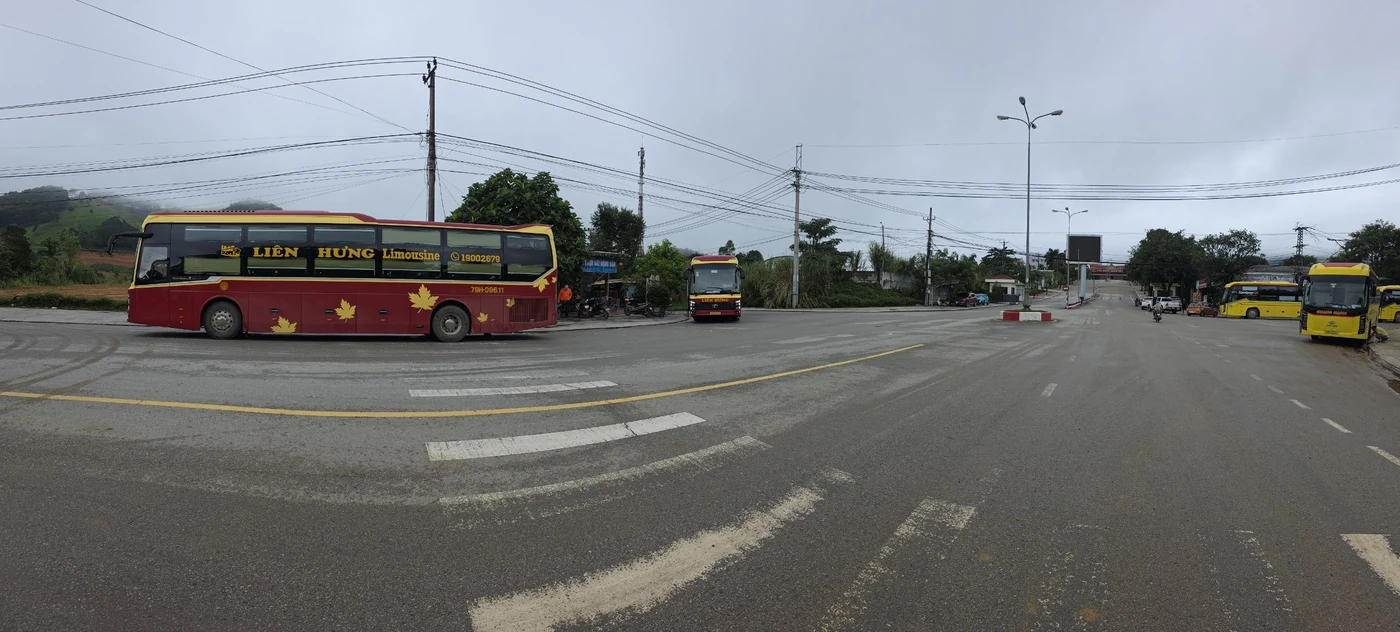
Airport transfers eat into that time advantage - on shorter legs under 300-400 km, a coach or sleeper bus is often the honest choice both on price and on total door-to-door time once check-in and boarding wait are added.
Sleeper Buses: Trading a Bad Night for a Saved Day
A sleeper bus is the only way to cover 300-540 km without losing a program day to it - people sleep through the night and the group steps off already at the destination. The standard layout seats around 40 in a two-tier bunk arrangement; VIP cabins seat 20-28 with curtains and more personal space. Tickets run $8-48 depending on class and route, though $8-20 is typical. Phuong Trang, also branded Futa Bus Lines , is the largest operator across southern and central Vietnam, running its own fleet and terminals on most major routes.
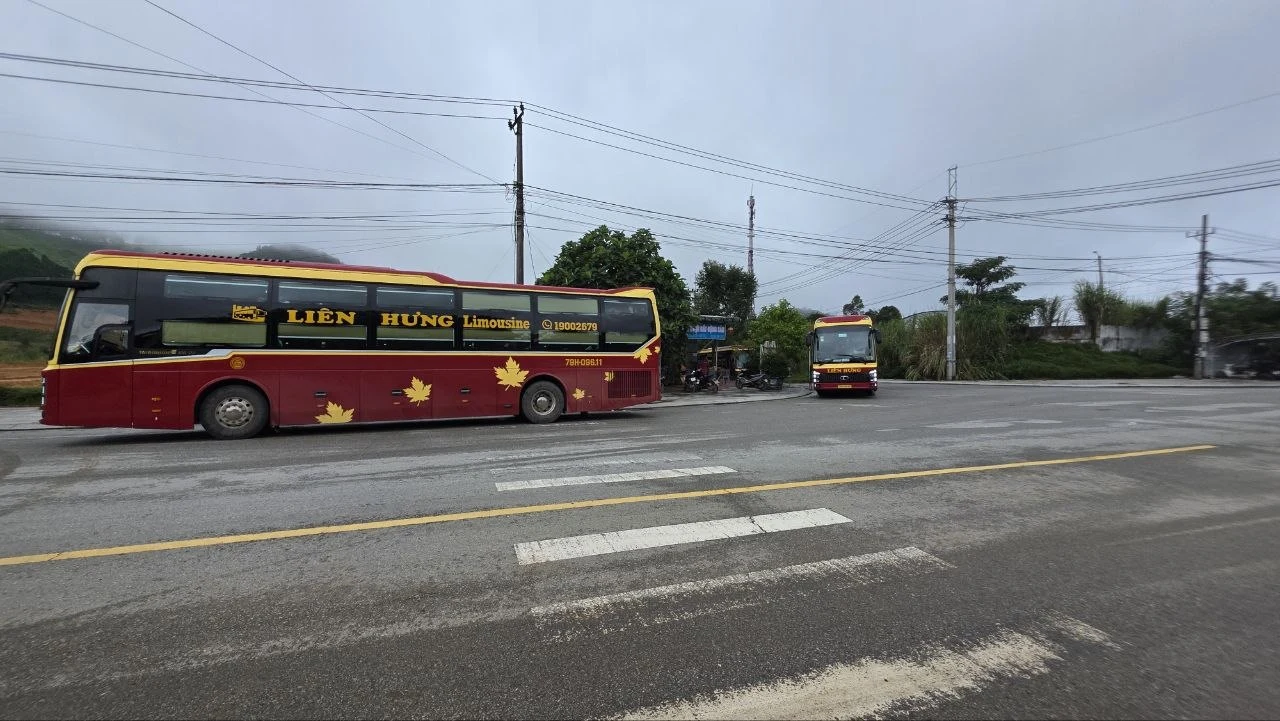
Here’s the part groups usually miss until it’s too late: luggage in the hold caps out around 20 kg per person plus roughly 7 kg of carry-on, there’s rarely an onboard toilet, and there’s only one rest stop for the entire overnight leg. A group with oversized suitcases or small kids can turn a sleeper bus into a source of complaints by hour two. I check a group’s headcount and luggage before booking a sleeper leg and say plainly when it’s the wrong call - message me on Telegram if you want someone to check whether your route can take an overnight bus or needs a daytime option instead.
When a Coach Actually Makes Sense
A coach starts making sense at 14 people: a 29-seat coach fits a group of 14-20, a 35-seat one fits 21-28, and a 45-seat coach realistically seats 32-35 people with luggage, not every listed seat - part of the capacity goes to the guide’s seat and the specific model’s layout. Coaches in Vietnam are almost never rented by the hour; they’re booked per program, and pricing runs $275-517 a day depending on the route.
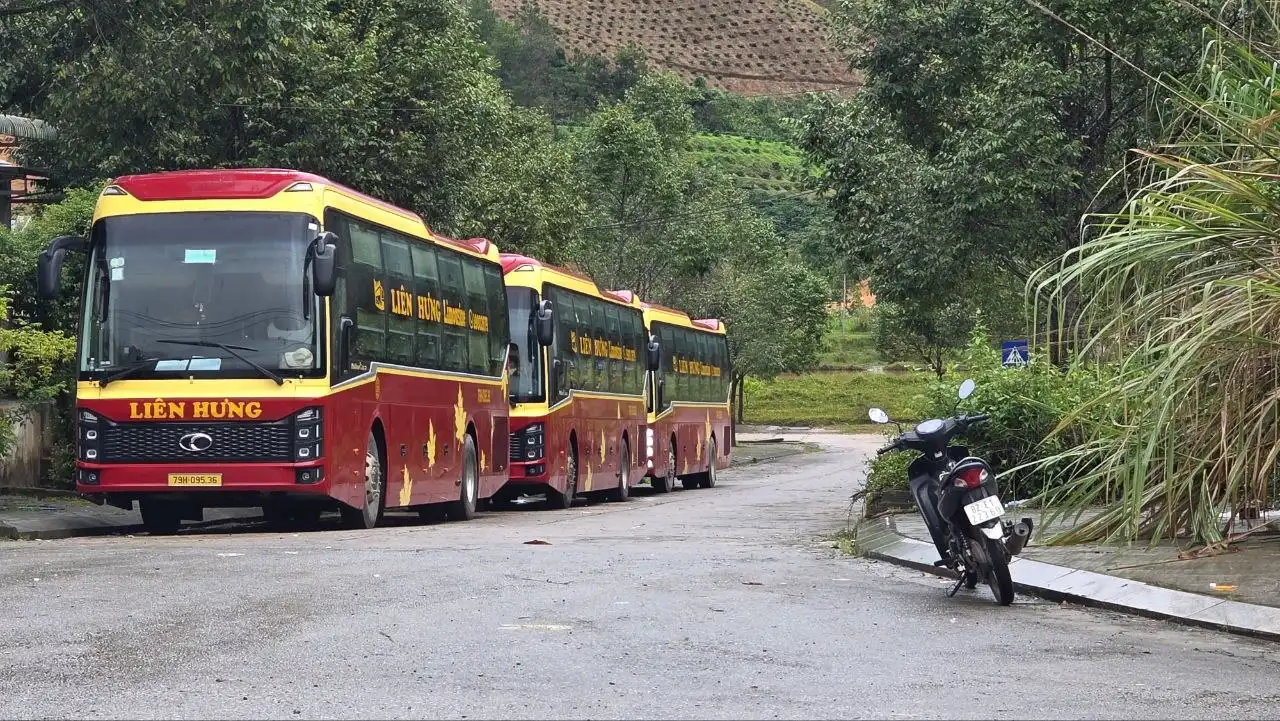
A coach wins on 100-500 km same-day routes: Da Nang-Nha Trang (roughly 529 km) is physically drivable in 9-12 hours, but that eats an entire program day. Once a group tops 45 people, the only workable option is splitting it across two coaches, each with its own driver and guide - running one program across two vehicles without a guide on each leaves half the group unsupervised.
Why a 16-Seat Van Rarely Fits 16 People
A 16-seat van realistically holds 10-13 people with luggage, not the full 16 the seat count promises - the rest of the space goes to bags. Renting one with a driver costs $84-120 a day (1.6-2.5M VND for the vehicle plus roughly 500,000 VND for the driver), and it’s the most flexible option: you can change stops on the fly instead of being locked to a bus terminal schedule.
A van pays off up to 150 km and four hours on the road - the Da Nang-Hoi An transfer (30 km, 30-50 minutes) or Da Nang-Hue (100 km, 2-4 hours including the Hai Van Pass ) both fit comfortably. Past 14 people, a van physically stops being an option - that’s where a coach takes over.
How Do You Choose Transport for Your Group?
Three factors decide almost everything:
- A confirmed headcount, not an estimate. A swing of 2-3 people bumps you into the next transport class - 13 people is still a van, 14 is already a coach.
- Distance and whether you can afford to lose a day to it. Under 150 km - van. 100-500 km same-day - coach. 300-540 km without losing a day - sleeper bus. Past 500 km - flight.
- Group composition by health and luggage. Older travelers or anyone prone to motion sickness on switchbacks (Hai Van, Khanh Le on the way to Da Lat, the road to Sapa) push the decision toward a flight or a daytime coach with stops, rather than an overnight sleeper.
If you’re traveling on a ready-made Samurai program, transport is already worked into the route matrix - the terms for group leaders bringing their own crowd are worth a look separately.
What to Actually Book for Your Group
Under 150 km with a group of 13 or fewer - book a van, it’s the cheapest and most flexible option. From 14 people and 100-500 km same-day - a coach in the right size class for your program. 300-540 km where you can’t spare a program day - a sleeper bus, but only if nobody in the group has oversized luggage or bad motion sickness. Anything past 500 km - fly, even after adding the airport transfer both ways.
I build this exact matrix by hand for every group - real headcount, real luggage, real dates, not a generic template. Message me on Telegram with your dates and headcount, and I’ll tell you what transport your route actually needs.
Frequently asked questions
What if someone in the group gets badly motion sick on a mountain pass?
The Hai Van and Khanh Le passes (on the way to Da Lat) cause motion sickness because of the sharp switchbacks. A front-row seat, looking ahead instead of at a phone, motion sickness medication taken 30 minutes before departure, and choosing a van or a limousine-class sleeper bus over the standard layout all reduce the jolting on the same turns.
How do you move a group larger than 45 people?
The only workable option is two coaches, each with its own driver and guide. A single vehicle physically can’t carry a group over 45 people under Vietnam’s loading practice, and without a guide on the second coach, half the group is left unsupervised on the route.
Do you still need a separate guide if you already have a driver?
Yes, if the group spans more than one coach or the route involves several stops that need explaining. A driver is responsible only for the road; a guide handles timing, on-site explanations, and communication with the group in a language the driver may not speak.
What happens if the sleeper bus or flight gets cancelled on departure day?
On busy routes like Hanoi-Sapa, around 60 different sleeper bus operators run the same corridor, so a replacement seat is usually found within a couple of hours through an aggregator or a direct terminal. Flights are riskier - if it’s the only flight that day, keep a ground-transport backup in mind, especially during typhoon season.
How much does extra baggage cost on a domestic flight?
Vietjet’s Eco fare doesn’t include checked baggage at all - it’s purchased separately, capped at 32 kg per bag. For a group of tourists with suitcases, it’s almost always cheaper to book Deluxe (20 kg) or SkyBoss (30 kg) upfront than to pay excess baggage fees for each person at the airport.