
A group doesn’t sign up for a schedule - it signs up for a feeling, and without structure that feeling collapses into a crowd standing around waiting for someone else to decide. The working balance for a multi-day group trip is two to three notable activities a day and at least one day with zero fixed plans for every seven to ten days on the road; past that, it depends on what kind of group you’re actually bringing - a yoga retreat, a women’s circle, or a trip built around your own followers.
I’ve been running group trips across Vietnam since 2023, and most of the groups I work with look exactly like this: practice in the morning, and by evening they want an experience, not another transfer. The difference between a trip people leave exhausted from and one they ask to repeat almost always comes down to the same thing - how the free hours are placed.
How Many Activities a Day Can a Group Actually Handle?
A comfortable pace for a group trip is two to three activities a day, not five or six: one main activity (a sight, a practice session, a transfer with a stop), one flexible optional one, and one shared meal the group gathers around.

The pattern that actually works for retreats and practice-focused trips is morning practice, then a free block of two to four hours in the middle of the day, then structure again toward evening. That free block isn’t a gap in the schedule - it’s the time someone catches up on sleep, journals, or walks alone without the group around them.
How Do You Fit Your Own Practice Into a Group Trip?
If you’re teaching yoga, running a workshop, or filming content for your own audience, practice and sightseeing don’t compete for the same hours - they just sit on opposite ends of the day.
Practice goes in the morning, while the group is fresh and hasn’t spent its attention on the day yet; sightseeing goes in the afternoon, when bodies are ready to move; the evening slows down again, with a shared dinner and a short recap of the day. This rhythm matches how retreat schedules are usually built anyway, so the group settles into it without you having to explain it every day.
Where Do Optional Activities Go Without Blowing the Budget?
Put optional activities inside the free blocks instead of the core program: the person who wants to stay at the hotel and sleep doesn’t lose anything they already paid for, and the person who wants more activity pays for it separately, by choice.
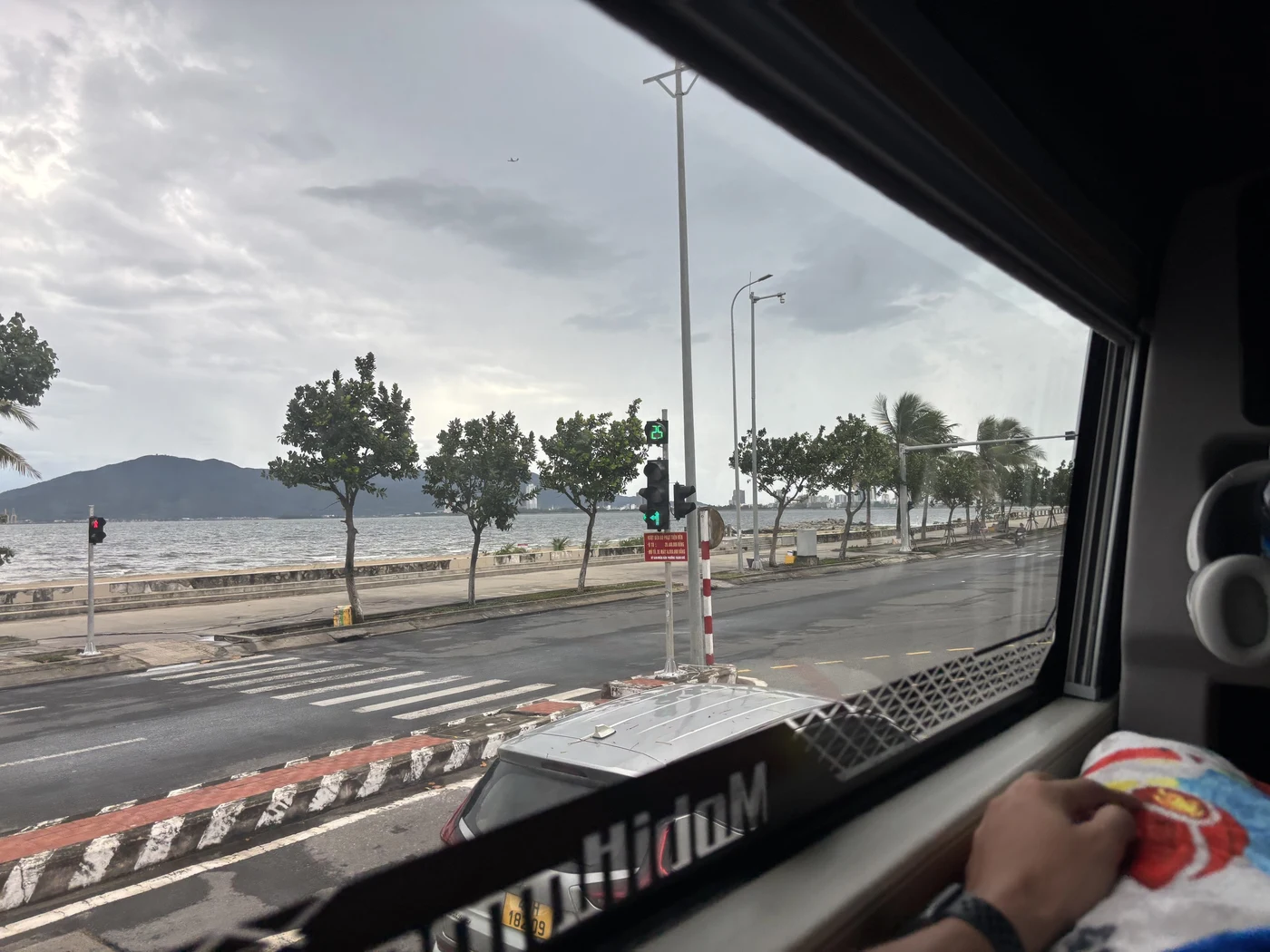
A group trip budget usually breaks not from the trip itself but from optional plans changing at the last minute for two or three people, and that means you lose money on a car or guide you hadn’t budgeted for.
A transfer to an extra stop, a separate guide for a free day, bike rentals: I price these before the trip starts, while the numbers are still predictable. Message me on Telegram and I’ll tell you what actually fits your group’s format.
If you’re already bringing your own group, whether that’s followers, retreat participants, or clients, I run ready-made 7- and 12-day routes built around exactly this balance, and the itinerary mistakes worth avoiding are usually about timing more than distance.
How Often Does a Multi-Day Trip Need a Full Day Off?
The rule for long trips is one full day off for every seven to ten days on the road, and sooner if the trip opens with a long flight or a time zone change: travel fatigue usually hits the group around day four.
A day off here doesn’t mean nobody does anything - it means no fixed program: someone stays by the pool, someone rents a bike and disappears for a few hours, someone just sleeps in. As the organizer, that’s also a day to let go of the group instead of inventing something for them to do - otherwise a day off on paper is still structured in practice.
How Much Time Do Transfers Between Cities Really Cost?
Road time is the hidden budget item in a group schedule, and it needs to be counted before you build activities around it.

Hue to Da Nang runs about three hours by road, Hue to Hoi An is three to four hours, and the Hai Van Pass itself takes about 45 minutes without stops and counts as its own activity. Nha Trang to Da Lat runs about four hours, you can check the schedule directly . Hanoi to Ha Long Bay is two and a half to three hours, and the Hanoi-Sapa train with the transfer into town runs nine to ten hours door to door - that’s effectively its own day on the route.
Step by Step: Building the Practice-vs-Downtime Balance
The order matters: count the road time and activities first, place the free blocks second, and only then add optional extras on top.

- Lay out the days by activity type: one main plus one flexible per day, and stop there.
- Give transfer days their own slot with no parallel program - if the drive is over three hours, that’s the entire activity for the day.
- Build in a free block every third or fourth day on the road, and don’t push it to the very end.
- Price optional activities and extras as a separate line item before the trip starts.
- Keep at least one block a day for yourself as the organizer where you’re not responsible for the group - otherwise you’re the one who ends up burned out.
How Much Structure, How Much Air: The Real Answer?
If the group came for a yoga retreat or a workshop, practice sits at both ends of the day and the middle stays almost entirely open - that’s when the retreat format works best. If the group came to see Vietnam and practice is secondary, the ratio flips: two to three activities a day, one open day per week on the road. Getting the balance wrong in either direction costs you the same thing - a group that’s bored from too little or a group that’s exhausted from too much, and both are equally common reasons people don’t book with you again.
If you’d rather not manually calculate transfer times and figure out where optional activities fit, I already run ready-made 7- and 12-day routes built with this balance in them, and your own practice can be slotted into either. Message me your dates and group format and I’ll tell you what actually fits your program.